Searching for knee replacement scar Singapore information often starts with a quiet question: what will my knee look like afterwards? Many patients focus on pain relief and recovery timelines. Privately, they also wonder about the scar.
A scar is your body’s natural way of repairing skin, much like a seam that holds fabric together after a tear. It changes in stages, and most of those changes are a normal part of healing.
What Does a Knee Replacement Scar Look Like?
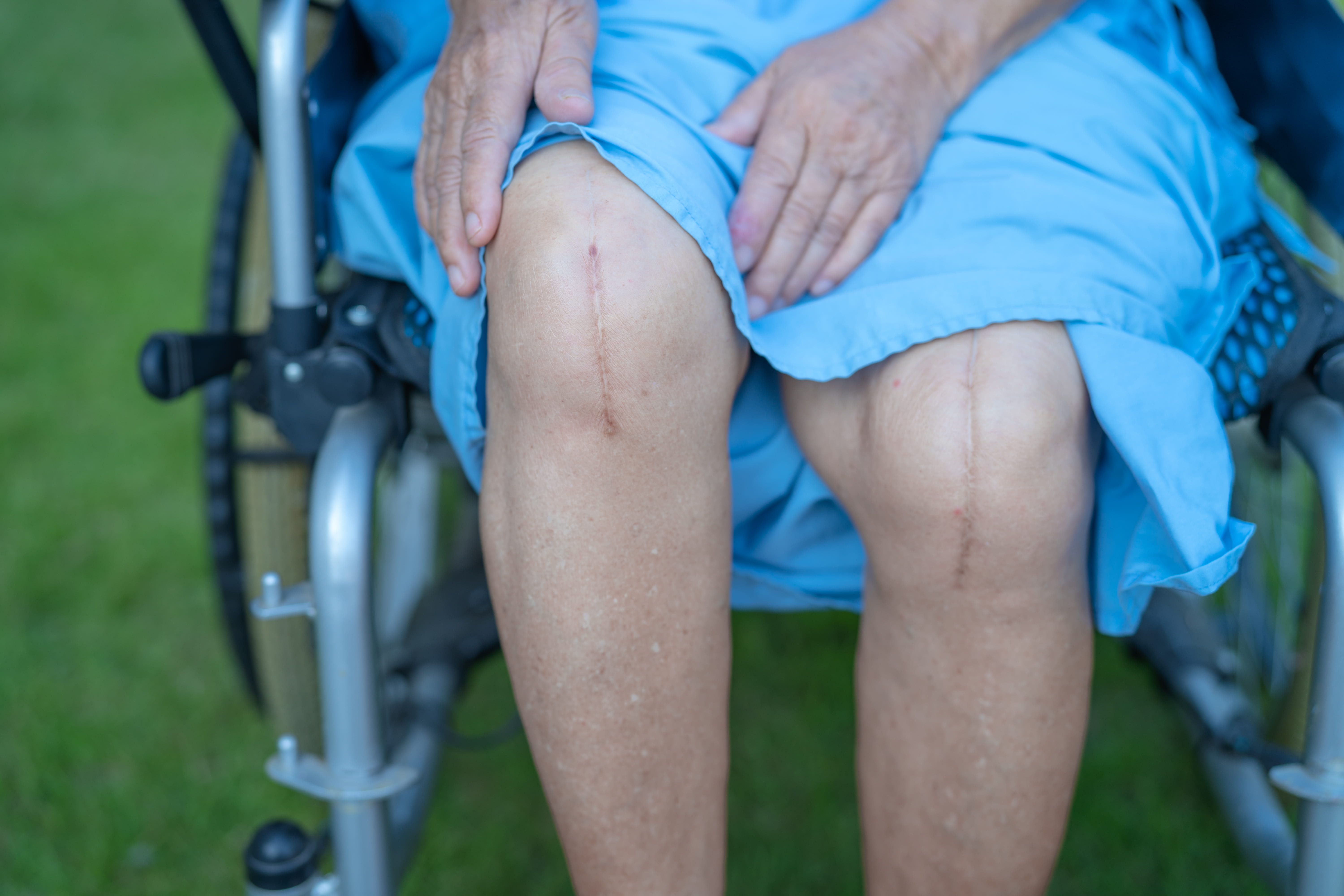
A typical knee replacement scar is a single vertical line running down the front of the knee, over the kneecap. It usually measures roughly 10 to 25 centimetres, depending on your anatomy and the surgical approach. At first, it looks pink or red and slightly raised. Over many months, it often becomes flatter and paler.
No two scars look exactly alike. Several factors shape how yours appears:
- Surgical approach: A standard approach may need a longer incision (the cut made by the surgeon). Minimally invasive techniques (surgery through smaller openings) may allow a shorter one.
- Incision length: A longer incision does not always mean a worse scar, but it does mean more skin to heal.
- Individual healing factors: Your skin type, age, general health and genetics all influence how your body forms scar tissue.
Some surgeons use minimally invasive techniques or robotic-arm-assisted technology, which helps plan and position the implant. Smaller incisions may mean less tissue disturbance and a more comfortable early recovery for some people, although the evidence on minimally invasive approaches is still mixed. Whether a smaller incision is possible for you depends on your knee, and your surgeon can advise you after assessing it.
Knee Replacement Scar Healing Stages
Your body heals a scar through overlapping phases, and each phase has its own look and feel.
The first few weeks: inflammation and wound closure
Right after surgery, your wound is closed with stitches, staples or surgical glue, and covered with a dressing. Your body sends extra blood and fluid to the area to start repairs. This is called inflammation (the body’s natural healing response).
You may notice:
- Redness or pink edges along the wound
- Mild swelling and bruising around the knee, sometimes extending down the leg
- Warmth around the incision
- A tight or pulling feeling when you bend your knee
Your surgeon or nurse removes staples or stitches when the wound has closed, usually within about one to two weeks. These early changes are common and often settle gradually.
One to three months: scar thickening and colour changes
Once the wound has closed, your body builds new tissue. It lays down collagen (a protein that gives skin its strength), much like adding extra bricks to reinforce a wall. This can make the scar look darker pink, red or purple. It may also feel firm, slightly raised or ridge-like.
Itching, tingling and tightness are common during this stage. They may reflect the nerves and skin repairing themselves.
Three to twelve months: gradual fading and softening
Your body now starts to remodel the scar. The extra collagen reorganises, and the scar typically flattens and softens over time. The colour often fades from red or purple to pink, then to a paler shade. Tightness and itching tend to ease.
Some numbness near the scar may still be present. This often improves slowly over this period.
Beyond one year: long-term knee replacement scar appearance
By around 12 to 18 months, many scars have matured. Long-term knee replacement scar appearance varies with skin tone. The scar may be a thin, pale or silvery line, or it may be slightly darker than the surrounding skin. It is often flat and soft, although it remains visible to some degree.
A small patch of altered sensation near the scar can persist, most commonly on the outer side of the knee. Studies suggest numbness around the incision tends to improve with time but may not fully resolve. For many people, it does not interfere with daily activities.
Healing varies between individuals, so the table below is a general guide rather than a strict timeline.
|
Stage |
Typical Appearance |
Normal Sensations |
When To Seek Medical Advice |
| First few weeks | Pink or red edges, mild swelling and bruising | Tightness, tenderness, mild warmth | Spreading redness, pus, fever, or wound edges opening |
| One to three months | Darker pink, red or purple; firm or slightly raised | Itching, tingling, pulling | A scar that rapidly thickens or becomes increasingly painful |
| Three to twelve months | Fading colour, flatter and softer | Occasional itch, areas of numbness easing | Scar growing beyond its original line, or new redness and discharge |
| Beyond one year | Pale, flat, thin line or slightly darker line | Mild numbness or sensitivity in places | Any sudden change in an old scar, such as swelling or opening |
Why Do Some Knee Replacement Scars Heal Differently?
Two patients can have the same operation and end up with scars that look quite different. Healing depends on many factors, some of which may be influenced by the patient.
Factors that may be influenced by the patient
Several practical factors may support your skin’s healing:
- Nutrition: Your body generally needs adequate protein, vitamins and fluids to repair tissue.
- Smoking: Smoking can reduce blood flow to the skin and may slow wound healing. A healthcare professional can support you if you wish to stop.
- Blood sugar and circulation: If you have diabetes or circulation problems, managing them with your doctor may help your wound heal.
- Sun exposure: Singapore’s heat, humidity and strong sunlight can affect how a scar matures, which is covered in more detail below.
- Wound care: Care instructions from your surgical team, which may include leaving scabs undisturbed, can support healing.
Factors that are not usually modifiable
Some influences relate to individual characteristics:
- Skin type: Some skin tones are more likely to develop darker or thicker scars.
- Age: Younger skin may form more active scar tissue, while older skin may heal more slowly.
- Genetics: Your family history can affect how your body scars.
- Surgical technique: Incision placement, length and gentle handling of tissue can all play a role. Surgeons typically consider these factors alongside patient safety and joint function.
How to Minimise Your Knee Replacement Scar
Many patients ask how to minimise knee replacement scar appearance. Healing quality may influence how a scar looks. You may wish to discuss the strategies below with your surgical team.
Wound care in the early weeks
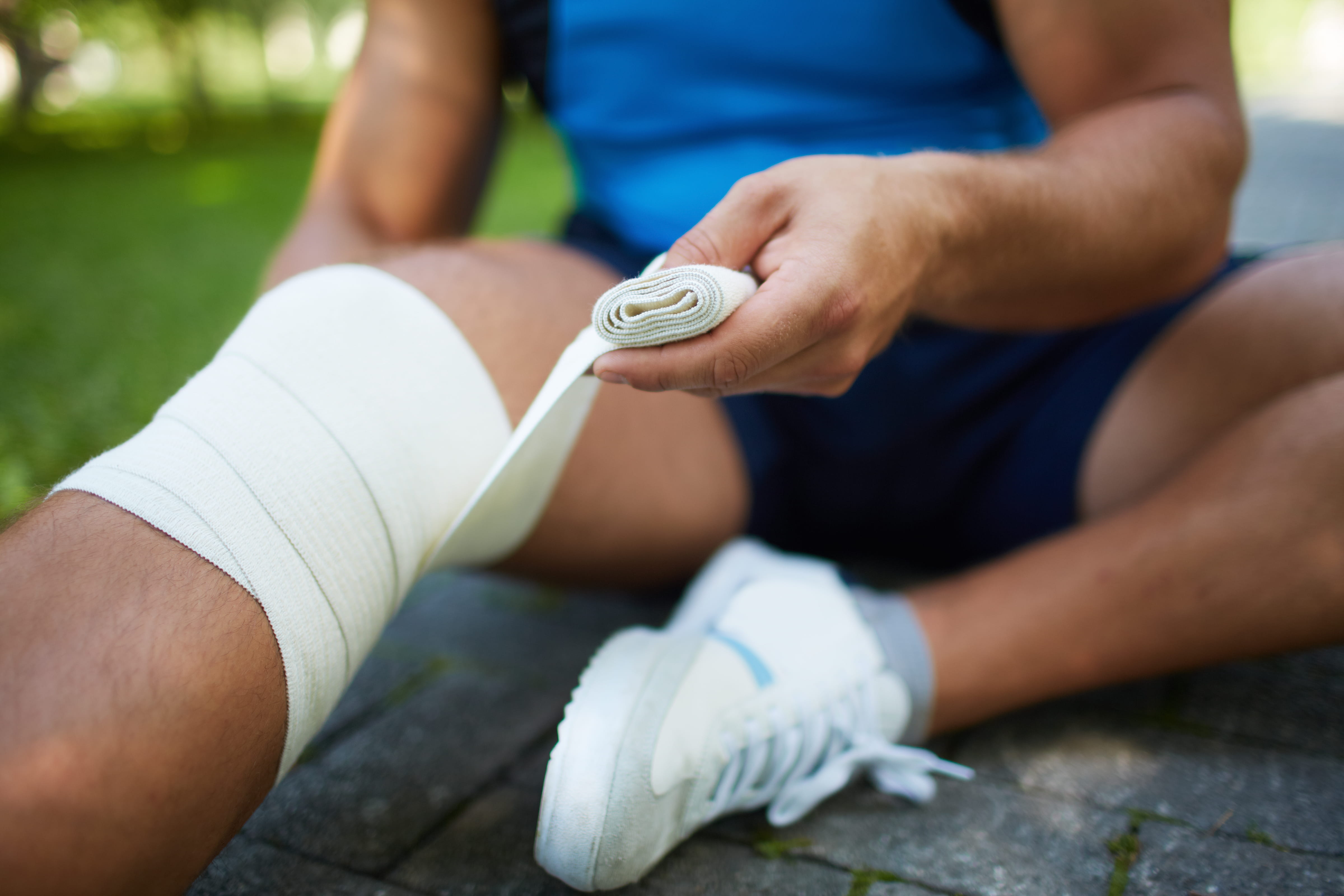
- Dressings are usually kept clean and dry until your surgeon advises otherwise.
- Washing hands before touching the area is commonly recommended.
- Picking at scabs or peeling dressings early may disrupt healing.
- Soaking the wound in baths, pools or the sea is generally avoided until it has fully closed; your surgeon can advise on timing.
- Loose clothing that does not rub against the incision may be more comfortable.
Early wound care may lower the chance of infection, which can worsen scarring.
Silicone-based products and moisturising
Once your wound has fully closed and your surgeon approves, silicone gel or silicone sheets may help. Some research suggests they may help keep the scar hydrated and may help flatten and soften it. These are usually used consistently and as directed by the product instructions or your surgeon.
A plain, fragrance-free moisturiser may also ease dryness and itching. Products with strong perfumes or irritants may aggravate the skin.
Sun protection in Singapore’s climate
New scars can be sensitive to ultraviolet light. Sun exposure may make them darker and more noticeable. In Singapore, options commonly discussed for protecting a scar include:
- Covering it with loose, breathable clothing when outdoors
- Applying a broad-spectrum sunscreen with an SPF of 30 or higher once the wound has healed
- Reapplying sunscreen after sweating or spending time outside
Sun protection is often discussed for at least the first year, while the scar is still maturing. Your surgeon can advise on what suits you.
The role of physiotherapy and gentle movement
Your physiotherapist may guide you through exercises that aim to improve bending and straightening. Regular, gentle movement may help reduce stiffness around the scar and support circulation to the area. It is helpful for your team to know if the scar feels tight during exercise.
When scar massage may help (and when it may be better to wait)
Gentle massage may help soften a mature scar and ease tightness. It is generally considered only once the wound is fully closed, with no scabs, discharge or open areas, and after your surgeon has agreed. Some patients use light circular pressure with a plain moisturiser for a few minutes each day. Massage is usually stopped if it causes pain, redness or irritation, and it may not be suitable if the area looks infected or the skin is fragile.
Clinical Insights
Modern orthopaedic surgical protocols, including Enhanced Recovery After Surgery (ERAS) frameworks, integrate multi-modal pain management, early mobilisation, and structured wound care. Protecting surrounding soft tissues during surgery aims to support post-operative rehabilitation, joint function, and patient comfort, while helping patients avoid common mistakes after knee replacement surgery during their recovery process.
What Patients in Singapore Often Ask About Knee Replacement Scars
- Can I wear shorts? Many patients do once the wound has fully healed and the surgeon agrees. What to wear is a personal choice, and sun protection for the scar is often discussed while it matures.
- Will people notice my scar? It may be most visible in the first few months. Over time, it often becomes paler and less noticeable, though some mark may remain. This varies by individual.
- Can I kneel for prayer or other cultural practices? The scar area may feel tender when you kneel in the early months. Deep bending and kneeling depend on your recovery, so it may be helpful to discuss your needs with your surgeon and physiotherapist.
- Does the scar affect how my knee works? The scar is generally in the skin layer. Knee function depends on several factors, including the implant and rehabilitation. A tight scar can feel restrictive, but it may soften with time. A healthcare professional can help assess this for you.
When to Seek Professional Help
Most scar changes are part of normal healing. Signs that may be worth discussing with your orthopaedic surgeon include:
- Redness that spreads or worsens after the first week
- Pus, a foul smell or increasing discharge from the wound
- Fever or chills
- Wound edges that separate or reopen
- A scar that becomes thick and raised (this may suggest a hypertrophic scar, which stays within the original incision, or a keloid scar, which grows beyond it; both are overgrowths of scar tissue)
- Increasing pain, swelling or warmth around the knee
Many scar concerns can be managed, and raising questions with your surgeon is always reasonable.
Commonly Asked Questions
Does a knee replacement scar ever fully disappear?
Surgical scars do not usually vanish entirely, but they often fade over time. Many mature into a thin, flat, pale line within 12 to 18 months. How visible yours remains depends on your skin tone, genetics and healing. Silicone products and sun protection may help it blend in. If you are concerned about the final result, you may wish to discuss realistic expectations with your surgeon.
How long does it take for a knee replacement scar to stop feeling tight?
Tightness is common in the first few months as the scar and surrounding tissues settle. Many patients notice it easing between three and twelve months. Gentle movement, moisturising and physiotherapy may help. If the tightness worsens, or comes with redness, swelling or pain, it may be helpful to let your surgeon know so they can check the area.
Can I use traditional remedies or oils on my knee replacement scar?
Oils, balms, herbal pastes or medicated ointments applied to an unhealed wound may irritate the skin or introduce germs. Once the wound has fully closed, you may wish to discuss any traditional product with your surgeon first. Evidence for many of these products is limited, and some may make skin more sensitive to the sun.
Will a minimally invasive approach leave a smaller scar?
It may. The final length still depends on your knee anatomy, previous surgery and what your surgeon needs for safe, accurate implant positioning. Surgeons generally prioritise proper implant placement over incision length, so you may wish to discuss what is realistic for you.
Is it normal for my scar to feel numb months after surgery?
This is common. Small skin nerves are affected when the incision is made, so a patch of numbness often develops, usually on the outer side of the scar. This patch tends to shrink over several months, although some patients keep a small area long term. It does not usually affect how the knee moves. It may be worth letting your surgeon know if numbness spreads or comes with new weakness or severe pain.
Next Steps for Your Recovery
The clinical aim is to help you walk comfortably, move with confidence and return to the activities you enjoy, although individual results vary.
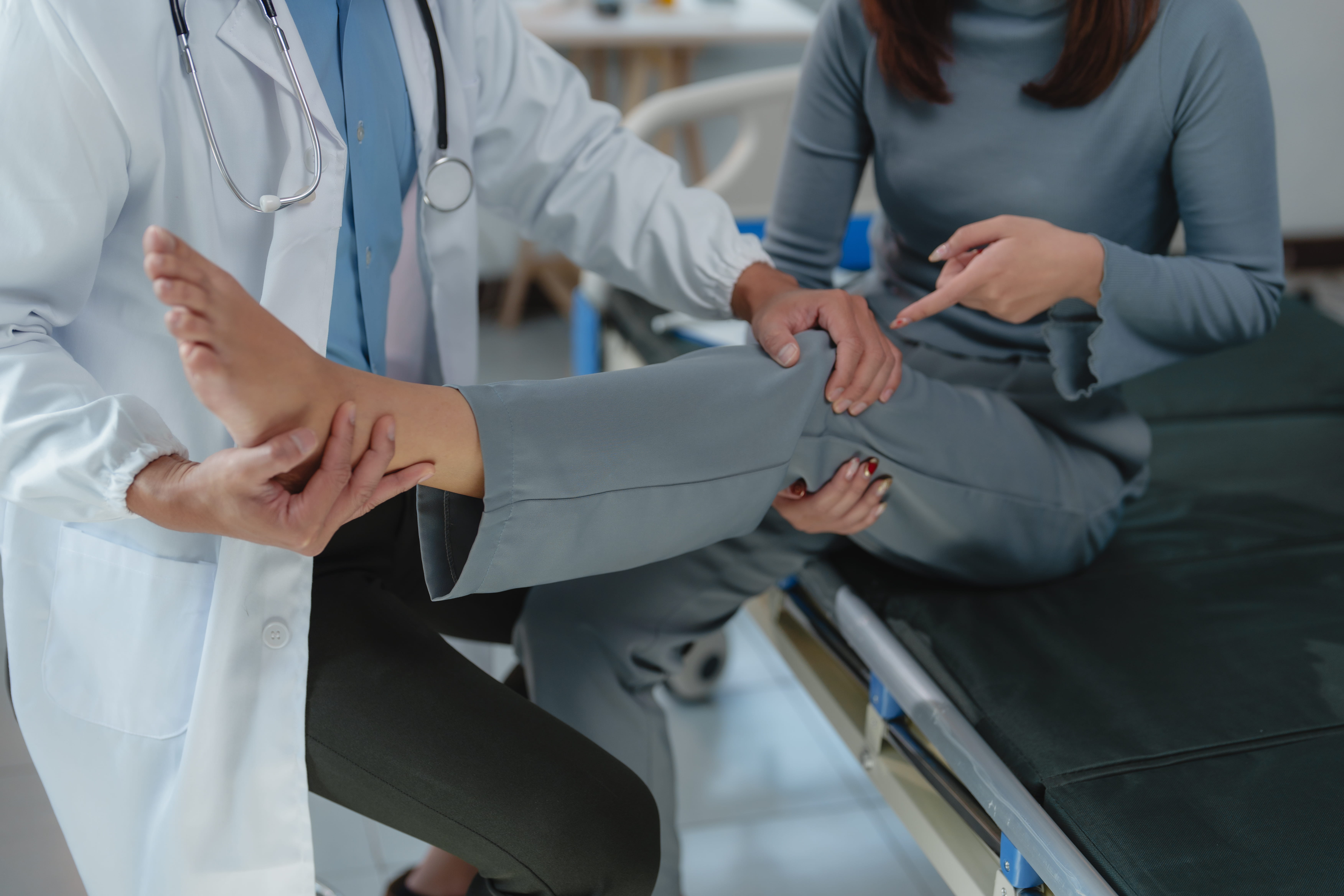
Scar concerns, even small ones, can be raised at your follow-up appointments. Your surgeon can check how your wound is healing and adjust your care. If you have questions before or after surgery, you may contact the clinic to arrange a consultation.
Learn More About Knee Replacement Recovery
If you would like to understand the full journey from assessment to rehabilitation, you can read more about knee replacement surgery in Singapore.