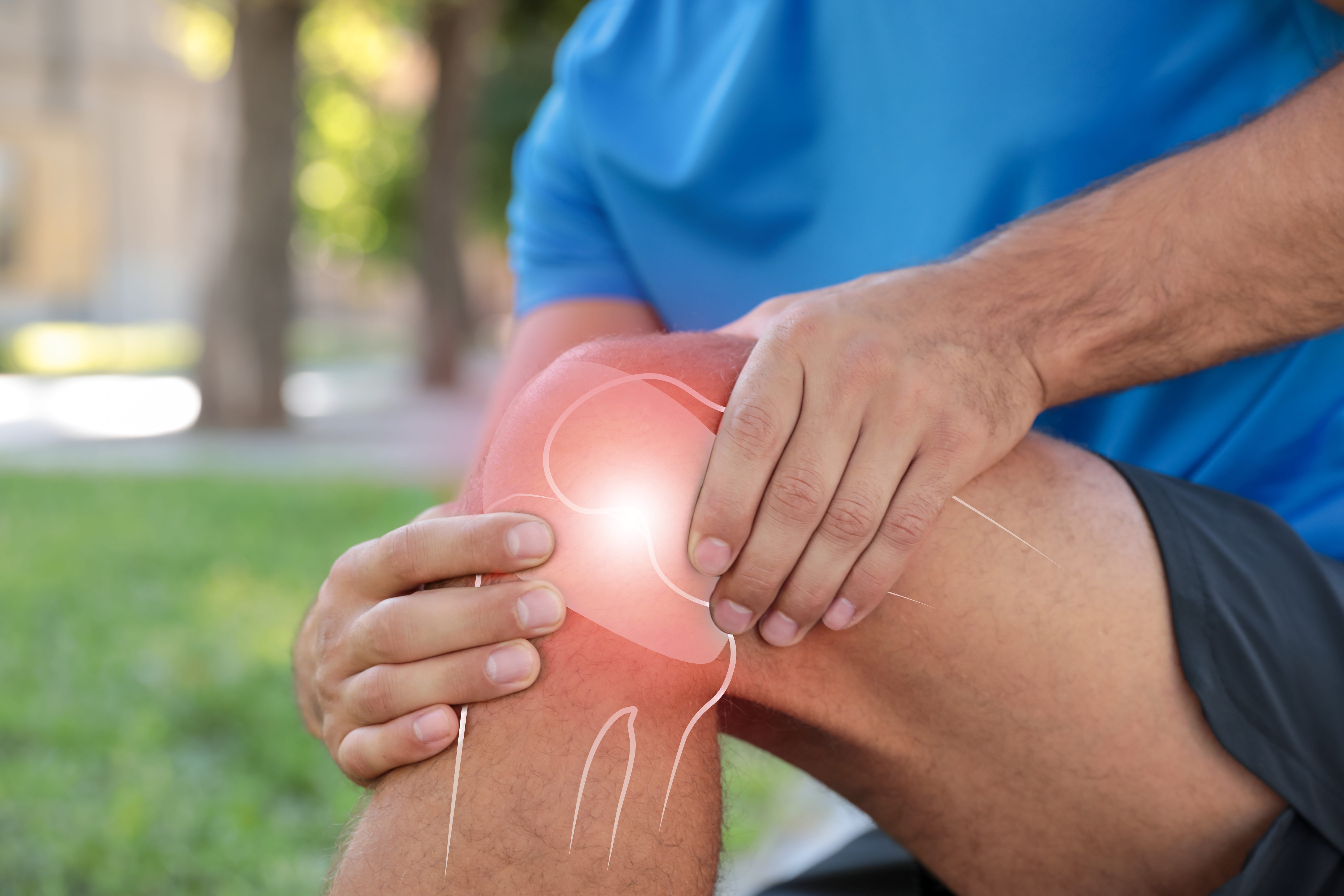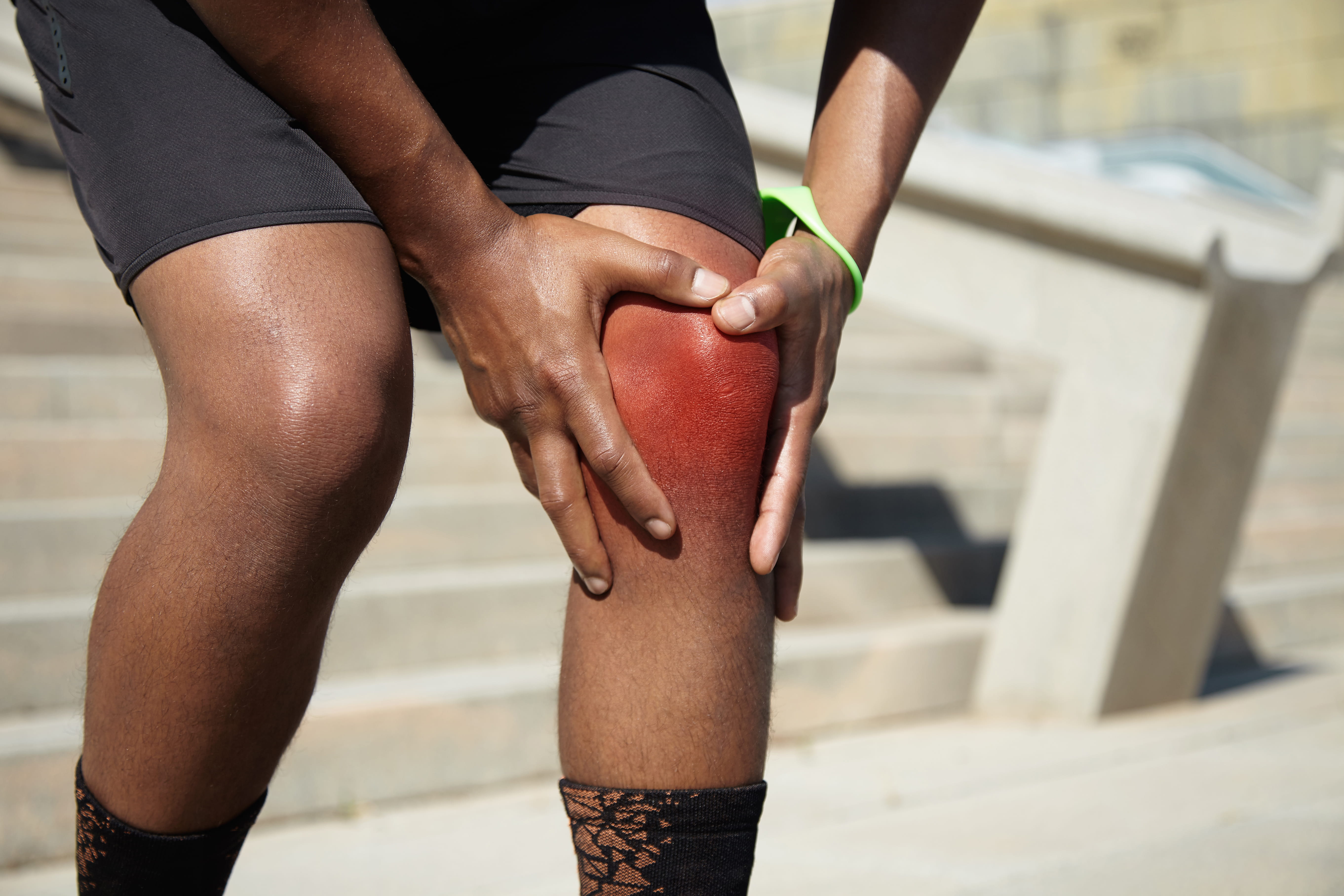
Knee pain when bending can turn ordinary moments into uncomfortable challenges. Climbing stairs, squatting down to pick something up, or simply getting out of a chair can all become difficult when your knee protests with every bend.
What Causes Knee Pain When Bending?
Bending the knee compresses and loads the joint in a way that walking does not, which means certain structures become more vulnerable under that movement. Pain can originate from the cartilage (the smooth cushioning tissue between bones), ligaments (the tough bands that stabilise the joint), tendons (the tissue connecting muscle to bone), or the bones themselves. The location of your pain, whether it sits at the front, inner side, outer side, or back of your knee, and the type of pain you feel, whether sharp or dull, are often the first clues pointing toward the underlying cause.
Soft Tissue and Cartilage-Related Causes
Soft tissue and cartilage-related issues, such as meniscus tears, ligament sprains, and osteoarthritis, are common structural sources of knee pain during bending.
Meniscus Tears
The meniscus is a C-shaped piece of cartilage that acts as a shock absorber between your thigh bone and shin bone. Think of it like a rubber washer inside the joint. When it tears, either through a sudden twisting injury or gradual wear over time, bending the knee can cause the torn fragment to catch or pinch inside the joint. You may notice pain along the inner or outer knee line, swelling, a clicking sensation, or a feeling that the knee is about to give way. In some cases, the knee may lock and refuse to straighten fully.
Meniscus tear treatment options may include minimally invasive keyhole surgery. This approach, and how it compares to open surgery, is discussed in more detail under “When Surgery May Be Considered” below.
Ligament Injuries (ACL and MCL)
The ACL (anterior cruciate ligament) and MCL (medial collateral ligament) are two of the key stabilising structures of the knee. An ACL tear often happens during a sudden stop, pivot, or landing, and produces immediate swelling and instability. The MCL, which runs along the inner side of the knee, is more commonly injured by a direct blow or a sideways force on the joint. Both injuries can cause significant pain when bending, particularly as the knee attempts to load the damaged structure.
Cartilage Wear and Knee Osteoarthritis
Osteoarthritis is the gradual wearing down of the smooth cartilage that lines the knee joint. As this cushioning layer thins, the bones begin to move less smoothly against each other, causing pain, stiffness, and swelling. Bending the knee increases the pressure between the joint surfaces, which is why many people with osteoarthritis notice their pain is worse when squatting, climbing stairs, or rising from a seated position. This condition tends to develop gradually and is more common in older adults, though it can also affect younger individuals with a history of knee injuries.
Baker’s Cyst
A Baker’s cyst is a fluid-filled swelling that forms at the back of the knee. It develops when excess joint fluid, often produced in response to arthritis or a cartilage injury, accumulates and pushes into a small pocket behind the knee. Bending the knee compresses this cyst, which can cause a tight, uncomfortable sensation or dull ache at the back of the joint. Treating the underlying cause of the excess fluid may help resolve the cyst over time.
Tendon and Muscle-Related Causes
Tendon and muscle-related conditions, such as patellar tendinitis and runner’s knee, frequently cause knee pain during bending due to repetitive strain or improper tracking under tension.
Runner’s Knee (Patellofemoral Pain Syndrome)
Runner’s knee symptoms include a dull, aching pain around or behind the kneecap that worsens when bending the knee, squatting, going downstairs, or sitting for extended periods. The pain arises because the kneecap is not tracking smoothly in its groove on the thigh bone, leading to increased pressure on the cartilage beneath it. Despite its name, runner’s knee affects cyclists, gym-goers, and anyone who spends long periods with the knee in a flexed position.
Patellar Tendinitis
The patellar tendon connects the kneecap to the shin bone and plays a key role in straightening the knee and absorbing force during jumping and landing. When this tendon becomes inflamed through repetitive loading, you may feel a sharp or aching pain just below the kneecap, particularly when bending the knee under load, such as during a squat or when climbing stairs. Patellar tendinitis is common among athletes involved in jumping sports but can also develop from everyday activities.
Iliotibial Band Syndrome
The iliotibial (IT) band is a thick band of connective tissue running along the outer thigh from the hip to just below the knee. When it becomes tight or inflamed, it can rub against the outer part of the knee during bending movements, producing a sharp or burning pain on the outer side of the joint. IT band syndrome is particularly common in runners and cyclists and tends to worsen with repetitive knee flexion.
Bone and Joint-Related Causes
Bone and joint-related causes, such as knee bursitis, plica syndrome, and osteochondral defects, can trigger localised pain during bending when joint fluid sacs, lining folds, or subchondral bone structures become inflamed or damaged.
Knee Bursitis
Bursae are small, fluid-filled sacs that reduce friction between the knee’s moving parts. When a bursa becomes inflamed, usually from repetitive pressure or a direct impact, it can cause localised swelling, warmth, and pain that worsens with bending. Prepatellar bursitis (in front of the kneecap) and pes anserine bursitis (on the inner side of the knee, just below the joint) are two of the more common types of knee bursitis.
Plica Syndrome
The plica is a fold of the joint lining (synovium) that is a normal anatomical feature in many knees. In some people, this fold becomes thickened and irritated, usually through overuse or a minor injury, causing a snapping sensation and pain around the inner kneecap area, particularly with bending.
Osteochondral Defects
An osteochondral defect refers to damage to both the cartilage surface and the underlying bone of the knee joint. This can occur after a traumatic injury or develop gradually. When the damaged area is loaded during bending, it can cause sharp pain, swelling, and occasionally a loose fragment within the joint. These defects require careful assessment and, in some cases, surgical intervention to restore the joint surface.
Where Does It Hurt? Using Pain Location as a Guide
Pain location is one of the first clues a specialist uses during a knee assessment. The table below offers a general guide to help you connect your pain location with possible causes. It is intended as a helpful reference, not a substitute for professional diagnosis.
| Pain Location | Common Associated Conditions | Typical Aggravating Movements | Onset Pattern |
| Front of knee (around kneecap) | Runner’s knee, patellar tendinitis, bursitis | Squatting, stairs, prolonged sitting | Gradual |
| Behind the kneecap | Patellofemoral pain syndrome, cartilage wear | Bending deeply, going downstairs | Gradual |
| Inner knee | Meniscus tear (medial), MCL injury, pes anserine bursitis | Twisting, squatting, climbing stairs | Acute or gradual |
| Outer knee | IT band syndrome, lateral meniscus tear | Running, cycling, bending repetitively | Gradual (or acute if torn) |
| Back of knee | Baker’s cyst, posterior meniscus tear | Full knee flexion, deep bending | Gradual |
Sharp Pain Compared to Dull Ache When Bending
Sharp, sudden pain when bending your knee, especially if it follows an injury or is accompanied by swelling, clicking, or a feeling of instability, may suggest a structural issue such as a meniscus tear or ligament injury. A dull, persistent ache that builds over time and worsens with activity is more often associated with overuse conditions or degenerative changes like osteoarthritis. Noting the quality of your pain before your consultation may help your specialist narrow down the likely cause.
How Knee Pain When Bending Is Diagnosed in Singapore
In Singapore, diagnosing knee pain when bending typically involves a physical examination and clinical tests, followed by targeted imaging such as X-rays, ultrasound, or an MRI if soft tissue injury is suspected.
Physical Examination and Clinical Tests
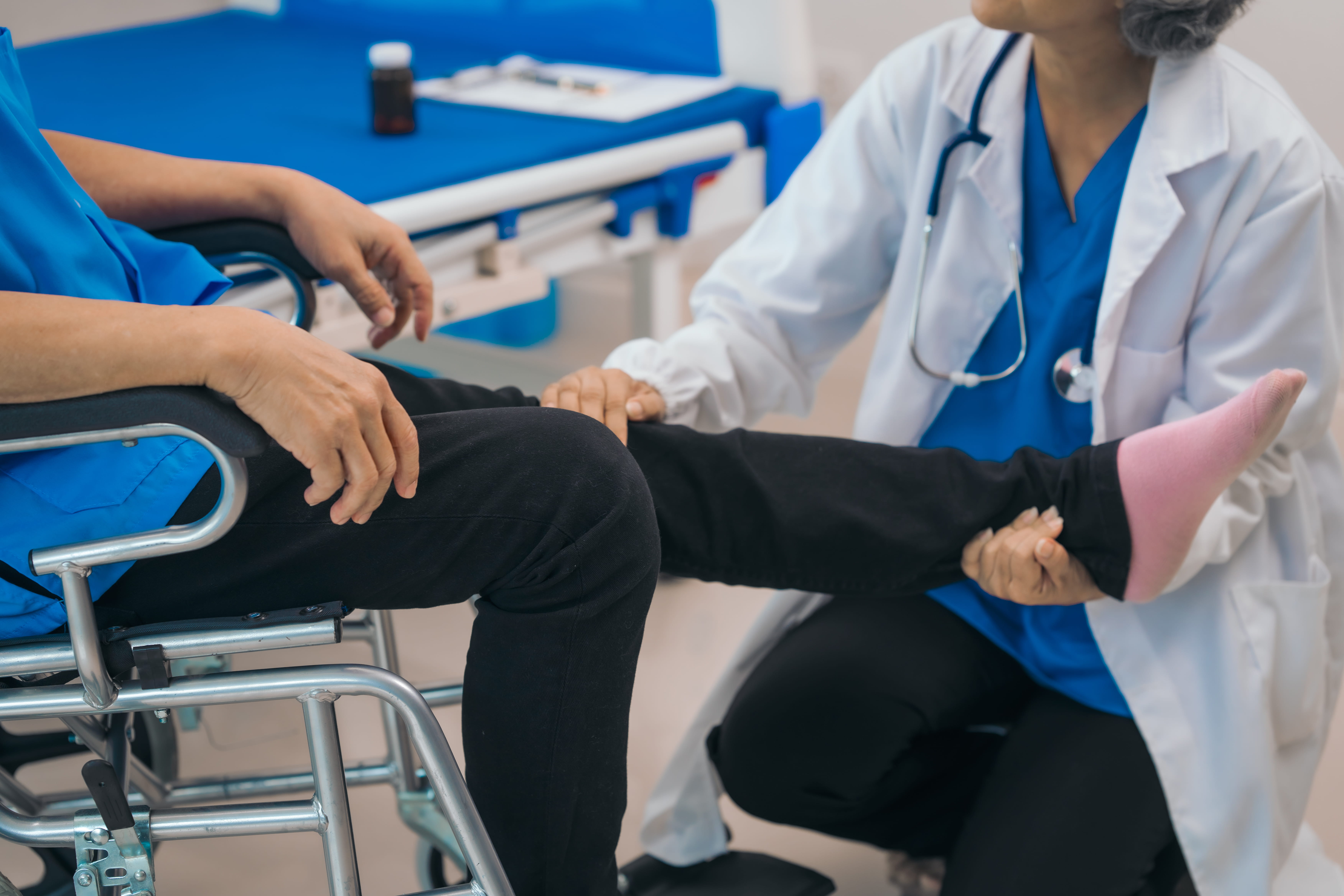
Your specialist will begin by asking about your symptoms, how long you have had them, what movements make the pain better or worse, and whether there was a specific injury. They will then examine your knee, assessing swelling, tenderness, range of motion, and stability. Specific clinical tests, such as the McMurray test for meniscus tears or the Lachman test for ACL injuries, involve guided movements of the knee that help identify which structures may be involved. These tests are generally well tolerated.
When Imaging Is Needed
Not every knee assessment requires imaging. Your specialist will decide based on clinical findings. An X-ray typically assesses bone alignment, joint space narrowing (a sign of cartilage loss), and bony abnormalities. An MRI (magnetic resonance imaging) provides a detailed view of the soft tissues, including cartilage, ligaments, tendons, and the meniscus, making it particularly useful when a soft tissue injury is suspected. In some cases, an ultrasound may be used to assess tendons or fluid collections in real time.
How Age and Activity Level Affect Your Knee Pain
In a younger, active individual, knee pain when bending is more likely to stem from a sports-related injury such as a meniscus tear, ACL sprain, or an overuse condition like runner’s knee or IT band syndrome. These conditions often develop after a specific incident or a sudden increase in training intensity.
In older adults, the same bending pain is more commonly linked to degenerative changes such as osteoarthritis, where the cartilage has gradually thinned over years of use. The pain tends to develop slowly, is often accompanied by morning stiffness, and may be present in both knees.
A treatment plan appropriate for a younger athlete may differ from the approach taken for an older patient whose knee pain is driven by cartilage loss. Your activity goals, overall health, and the specific diagnosis all shape the most appropriate path forward. Because the right treatment path depends on getting this diagnosis right, a specialist’s experience in reading these patterns matters.
Clinical Insights
Timely clinical evaluation of persistent knee discomfort allows for an accurate diagnosis and early implementation of appropriate management strategies, potentially preventing further joint irritation.
Orthopaedic evaluation focuses on identifying the primary anatomical source of pain and assessing how functional limitations impact an individual’s daily activities. Whether managing an acute athletic injury or chronic joint wear, clinical management aims to restore joint function through evidence-informed non-surgical or surgical pathways tailored to the patient’s physical needs.
Treatment Approaches for Knee Pain When Bending
Treatment approaches for knee pain when bending range from conservative non-surgical methods like physiotherapy and injections to arthroscopic or replacement surgery, depending on the underlying structural cause.
| Treatment Category | Typical Indications | Expected Recovery Timeline | Suitability Factors |
| Rest and activity modification | Mild overuse conditions, early inflammation | Days to weeks | All ages; first-line for most conditions |
| Physiotherapy | Most knee conditions, post-injury rehabilitation | Weeks to months | Suitable for most patients alongside other treatments |
| Injections (corticosteroid or hyaluronic acid) | Osteoarthritis, bursitis, tendon inflammation | Days to weeks of relief | Adults with moderate symptoms; may not be suitable for all conditions |
| Arthroscopic (keyhole) surgery | Meniscus tears, cartilage defects, plica syndrome | Weeks to a few months | Active individuals; when conservative treatment has not resolved symptoms |
| Joint replacement | Severe osteoarthritis with significant joint damage | Several months | Older adults or those with advanced joint degeneration |
Non-Surgical Options
Many causes of knee pain when bending may respond well to non-surgical management. Rest, activity modification, and targeted physiotherapy form the foundation of most initial treatment plans. Physiotherapy can help strengthen the muscles around the knee, improve alignment, and reduce the load on painful structures. For inflammatory conditions, a corticosteroid injection may help settle pain and swelling, allowing rehabilitation to progress. Hyaluronic acid injections are sometimes used to supplement the joint’s natural lubrication in osteoarthritis.
When Surgery May Be Considered
Surgery is considered when conservative treatment has not provided sufficient relief, or when a structural problem such as a meniscus tear or cartilage defect is unlikely to heal without intervention. Arthroscopic surgery (keyhole surgery) uses a small camera and fine instruments inserted through tiny incisions, which is associated with less scarring, a lower risk of complications, and a faster recovery compared to open surgery. For those with meniscus tear-related knee bending pain, arthroscopic repair or partial removal of the damaged tissue may be an effective and generally well-tolerated option.
When to Seek Professional Help
- Your knee locks or gets stuck in a bent position
- The knee gives way or feels unstable when you put weight on it
- There is significant swelling, warmth, or visible change in the shape of the knee
- You cannot fully bend or straighten the knee
- The pain began after a specific injury, fall, or twisting movement
- The pain has persisted for more than a few weeks without improvement
- You are changing how you walk or avoiding activities because of the pain
These signs do not necessarily mean something serious is wrong, but they do indicate that a proper assessment would provide more clarity than waiting.
Commonly Asked Questions
Why does my knee hurt only when I bend it but not when I walk?
Bending the knee loads the joint very differently from walking. When you flex the knee deeply, the pressure on the kneecap and the cartilage beneath it increases significantly. Structures like the meniscus are also compressed more during bending than during a straight-legged stride. This is why certain conditions, particularly those involving the kneecap or inner joint cartilage, may produce pain specifically during bending movements while leaving walking relatively comfortable.
Can knee pain when bending go away on its own?
It depends on the cause. Minor muscle soreness or mild inflammation from overuse may settle with rest, activity modification, and gentle stretching over a few days to weeks. However, structural problems such as meniscus tears, cartilage defects, or progressive osteoarthritis are less likely to resolve without targeted treatment. If your pain is persistent, worsening, or accompanied by swelling or instability, speaking with a healthcare professional for an assessment may be helpful.
Is it safe to exercise with knee pain when bending?
In many cases, staying active may be beneficial, but modifying your activity rather than pushing through pain is generally advisable. Low-impact exercises such as swimming or cycling may be well tolerated when higher-impact or deep-bending activities are not. However, if your pain is sharp, follows an injury, or is accompanied by swelling and instability, it is worth seeking a proper assessment before continuing exercise. Your specialist or physiotherapist can advise on safe movement during recovery.
What does pain behind the kneecap when bending mean?
Pain behind the kneecap when bending is most often associated with patellofemoral pain syndrome (runner’s knee) or cartilage-related changes beneath the kneecap. The kneecap glides in a groove on the thigh bone, and when this tracking is disrupted, or when the cartilage beneath it wears down, bending the knee increases the pressure on that area and may produce pain. This type of pain is typically gradual in onset and may worsen with activities like squatting, going downstairs, or sitting for long periods.
Should I get an MRI for knee pain when bending?
Not all knee pain requires an MRI. Your specialist will decide whether imaging is necessary based on your clinical examination and the nature of your symptoms. An MRI is particularly useful when a soft tissue injury such as a meniscus tear or ligament damage is suspected, as it provides detailed images of these structures. For many overuse conditions or early osteoarthritis, a clinical examination and X-ray may be sufficient to guide treatment.
Next Steps
Before your consultation, take note of where exactly the pain is located, what movements trigger it, whether it came on suddenly or gradually, and whether you have noticed any swelling, clicking, or instability. If any of the signs mentioned above apply to you, seeking an assessment sooner may be worthwhile. Earlier evaluation generally means more treatment options are available. You do not need to have a clear diagnosis before booking an appointment; that is precisely what the assessment is for.
Speak with a Knee Specialist in Singapore
If knee discomfort during bending limits daily mobility, seeking an orthopaedic assessment can help establish an accurate diagnosis and appropriate care plan. Patients can learn more about public healthcare diagnostic standards and treatment options for structural knee conditions in Singapore.