
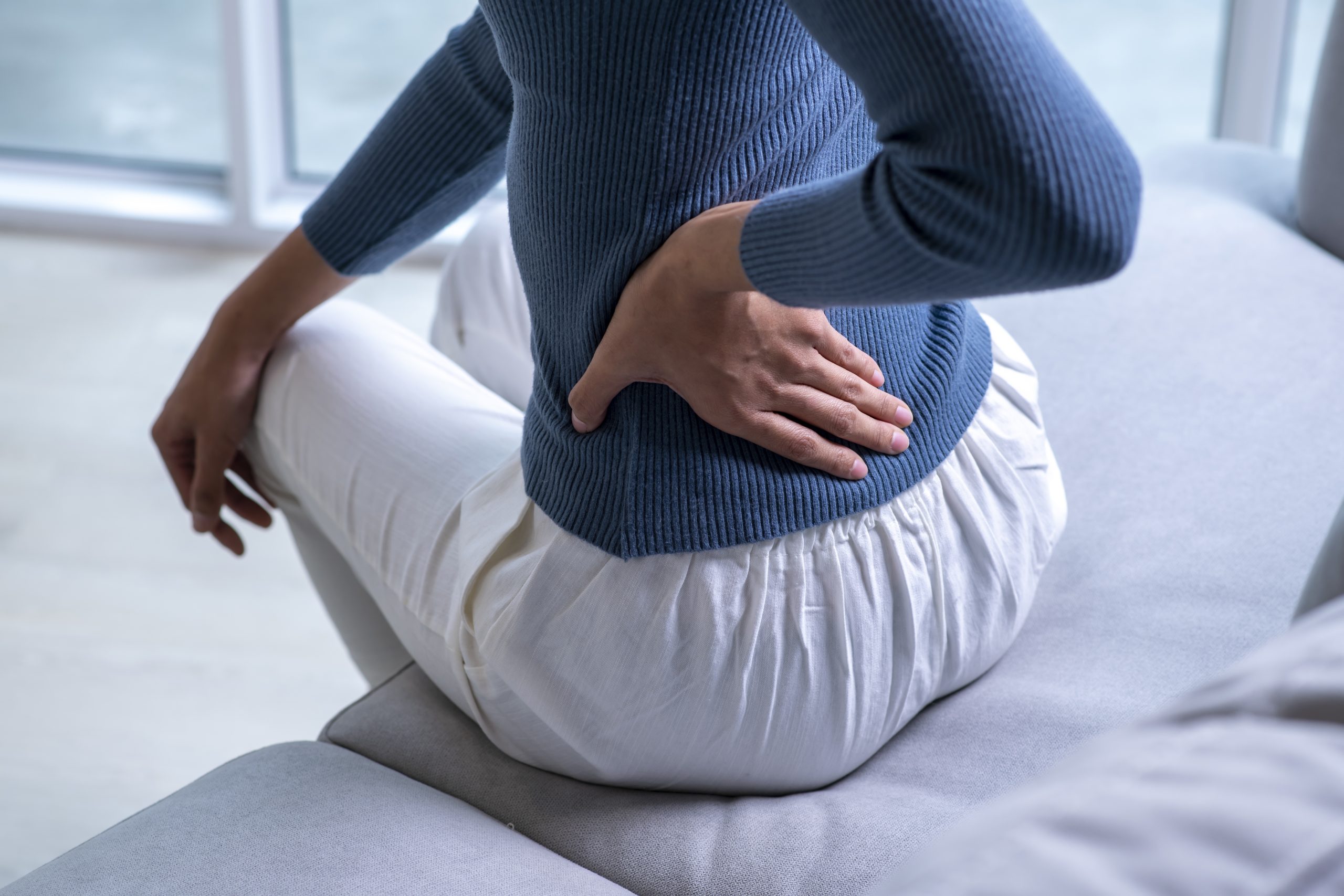
Sharp pain at the outside of the hip, which may become a dull ache over time and is tender to the touch.
Hip Bursitis Treatment In Singapore

Dr Wang Lushun
Senior Consultant Orthopaedic Surgeon
MBBS (Singapore)
MRCS (Edin)
MMed (Ortho)
FRCS (Ortho) (Edin)
- Fellowship-trained orthopedic surgeon
- Internationally recognised, more than 1500 surgeries performed

What is Hip Bursitis?
Hip bursitis is characterised by inflammation of the bursae in your hip, which are small, fluid-filled sacs that cushion the bones, tendons, and muscles near the joints. This leads to pain, swelling, and tenderness in the affected area. While hip bursitis is particularly prevalent among athletes and older adults, it can affect people of any age.
Causes of Hip Bursitis
Hip bursitis can stem from various factors, each contributing to the inflammation of the bursae in the hip area. Common causes include:

Overuse and Repetitive Stress
Repetitive activities that stress the hip joint, such as running, bicycling, or standing for long periods, can lead to overuse of the bursae, causing inflammation.
Injury or Trauma
Direct impact to the hip, such as from a fall or a blow during sports, can cause immediate inflammation of the bursae.
Pre-existing Conditions
Conditions like rheumatoid arthritis, gout, and diabetes may predispose people to developing bursitis due to inflammation and changes in the joint structure.
Postural Issues
Improper posture or leg length discrepancy can lead to uneven weight distribution on the hip joints, contributing to the development of bursitis.
Age and Occupation
Older adults in occupations that require repetitive hip movements are at an increased risk of developing hip bursitis.
Symptoms of Hip Bursitis
Recognising these symptoms early can help in effective management and treatment. Typical symptoms are:
Pain and tenderness
Swelling and Warmth
Swelling over the affected bursa is less common, but the area may feel warm due to inflammation.
Stiffness
The joint may feel stiff, especially in the morning or after periods of inactivity.
Radiating Pain
Pain might radiate along the thigh or into the buttock, especially when pressing on the bursa or during specific activities like climbing stairs.
Reduced Range of Motion
People may experience a decreased range of motion in the hip joint, affecting their ability to walk or run comfortably.
Are Your Symptoms Affecting Your
Quality Of Life?
Quality Of Life?
Consult our double fellowship-trained orthopaedic surgeon for an accurate diagnosis and personalised treatment plan.
Diagnosis of Hip Bursitis
Diagnosing hip bursitis typically involves the following processes:
Medical History and Physical Examination
The process begins with a discussion of symptoms, medical history, and any recent activities or injuries that might have contributed to the condition. During the physical examination, there is an assessment of pain, swelling, and tenderness around the hip, as well as an evaluation of the hip joint’s range of motion and strength.
Imaging Tests
X-rays: Although X-rays cannot show bursae, they can help rule out other problems in the hip that might cause similar symptoms.
MRI (Magnetic Resonance Imaging): This can provide detailed images of soft tissues, including the bursae, and is useful in diagnosing bursitis and excluding other conditions.
Ultrasound: An ultrasound can visualise the inflamed bursa and help guide corticosteroid injections to reduce inflammation.
Differential Diagnosis
Differentiating hip bursitis from conditions with similar symptoms, such as arthritis, tendonitis, or hip fractures, ensures that the treatment plan is appropriate and targeted to the underlying cause of the symptoms.
Non-Surgical Treatments
Non-surgical treatments encompass a range of methods designed to alleviate symptoms without resorting to invasive procedures. These treatments include:
- Rest and Activity Modification: Limiting activities that worsen symptoms to allow inflammation to decrease.
- Ice Therapy: Applying ice to reduce swelling and pain.
- Medications: Using NSAIDs to manage pain and reduce inflammation.
- Physical Therapy: Engaging in exercises to strengthen the hip, improve flexibility, and reduce pressure on the bursae.
- Corticosteroid Injections: These injections are administered to provide quick pain relief and reduce inflammation.
Surgical Treatments
Surgical options are considered when non-surgical treatments fail to provide adequate relief or when the condition is particularly severe. These treatments are more invasive and include:
- Bursectomy: The surgical removal of the inflamed bursa to relieve symptoms, often performed arthroscopically to minimise recovery time.
- Hip Repair: Addressing underlying structural issues, such as hip impingement or labral tears, that contribute to bursitis, aiming to prevent recurrence.
Rehabilitation and Physical Therapy
Rehabilitation and physical therapy aim to restore strength, flexibility, and function to the hip joint, facilitating a return to normal activities. These interventions include:
Rehabilitation Goals
- Pain Management: Techniques such as ice therapy, heat therapy, and electrical stimulation to manage pain.
- Strength Training: Exercises focused on strengthening the muscles around the hip to support and stabilise the joint.
- Flexibility Exercises: Stretching routines to improve the range of motion and decrease stiffness in the hip.
- Gait Training: Assistance and instruction on walking to ensure proper form and prevent undue stress on the hip.
Physical Therapy Approaches
- Manual Therapy: Hands-on techniques to mobilise the hip joint and surrounding tissues, enhancing flexibility and reducing pain.
- Exercise Programs: Tailored exercise plans designed to gradually rebuild strength and mobility without exacerbating the bursitis.
Prevention Strategies for Hip Bursitis
Preventing hip bursitis involves addressing the factors that contribute to its development. Key prevention strategies include:
Exercise and Strengthening
Incorporating exercises that evenly strengthen the hip muscles to maintain proper joint alignment and function. Regular stretching also improves flexibility and decreases tension in the muscles around the hip.
Ergonomic and Postural Adjustments
Maintaining correct posture when standing, sitting, and during activities to distribute weight evenly and reduce strain on the hip. Arranging workspaces can minimise repetitive strain and awkward positions that could contribute to bursitis.
Activity Modification
Alternating between different types of exercise and slowly increasing the intensity and duration of activities allows the body to adapt, prevent overuse and avoid repetitive stress on the hip joint.
Protective Equipment and Techniques
Use shoes that provide adequate support and cushioning during activities and employ tools like walking aids or cushioned mats in situations where extended standing or repetitive motions are unavoidable.

Dr Wang Lushun
Senior Consultant Orthopaedic Surgeon
MBBS (Singapore)
MRCS (Edin)
MMed (Ortho)
FRCS (Ortho) (Edin)
Internationally Recognised & Double Fellowship-Trained Surgeon With Over 18 Years of Experience
- Bachelor of Medicine & Bachelor of Surgery (MBBS),
National University of Singapore - Member of The Royal College of Surgeons (MRCS),
Edinburgh, United Kingdom - Master of Medicine in Orthopaedic Surgery (MMed),
National University of Singapore - Fellow of The Royal College of Surgeons in Orthopaedics and Traumatology (FRCS), Edinburgh, United Kingdom
As a Senior Consultant Orthopaedic Surgeon and former Head of the Hip and Knee Division in Ng Teng Fong Hospital, he has won awards for superior patient outcomes (value driven), service quality and enhanced recovery programmes. His patients include current and former national athletes and sporting professionals.
Why Choose
Dr Wang Lushun?

Trusted
Leadership on Orthopaedic Advisory Boards

Skillful
Double Fellowships at Centres of Excellence

Experienced
Senior Consultant with Over 18 Years of Experience
Can I Use Medisave For My Treatment?
Yes, you can use funds from your Medisave account to offset the cost of your treatment.
Reach out to us today to learn more about payment options.
Patient-Centred Orthopaedic Care
We are dedicated to your recovery and well-being. Every patient deserves the freedom that comes with active living. Whether you're an athlete sidelined by an injury or a weekend hobbyist desperate to return to your passion, our mission is to help you regain your mobility and independence.

Personalised Approach For Positive Outcomes
Our clinic prioritizes time dedicated to understanding each patient’s injuries and needs. Dr Wang strongly believes that personalised care & patient management will lead to better outcomes & positive experiences.

Minimally Invasive Techniques For Faster Recovery
Dr Wang’s extensive experience with minimally invasive procedures allows for less scarring, lower risk of complications and faster recovery compared to traditional surgical methods.

Aftercare Focused On Restoring Mobility & Well-Being
As an avid sportsperson, Dr Wang understands the time and patience required to regain mobility and return to active living. After your procedure is completed, Dr Wang will make sure your recovery is smooth and comfortable.
Insurance






We accept all patients, with or without insurance plans. Additionally, we are on the specialist panels of these Health Networks/Insurance Plans. Please contact us if you have any queries and we will be happy to assist you in checking with your insurance provider.
Our Clinic Locations

3 Mount Elizabeth, #13-14
Mount Elizabeth Medical Centre
Singapore 228510


820 Thomson Road, Mount Alvernia Hospital, #05-51, Medical Centre D, Singapore 574623
Frequently Asked Questions (FAQs)
Can hip bursitis lead to permanent damage?

Hip bursitis itself does not usually lead to permanent joint damage. If left untreated, the condition can cause persistent pain and disability. Early treatment and proper management are key to preventing long-term complications.
Is walking good for hip bursitis?
Walking can be beneficial for hip bursitis, provided it is done carefully and does not exacerbate the pain. It’s important to start with short, gentle walks and gradually increase the distance as tolerance improves, ensuring that supportive footwear is worn.
Can hip bursitis be prevented with diet?
While diet alone cannot prevent hip bursitis, maintaining a healthy weight and consuming a balanced diet of anti-inflammatory foods may help reduce the risk of inflammation-related conditions, including bursitis.
How long does it take for hip bursitis to heal?
The healing time for hip bursitis varies widely among people, depending on the severity of the condition, the effectiveness of treatment, and adherence to rehabilitation protocols. Many patients experience significant improvement within a few weeks of starting treatment, but complete recovery can take several months.