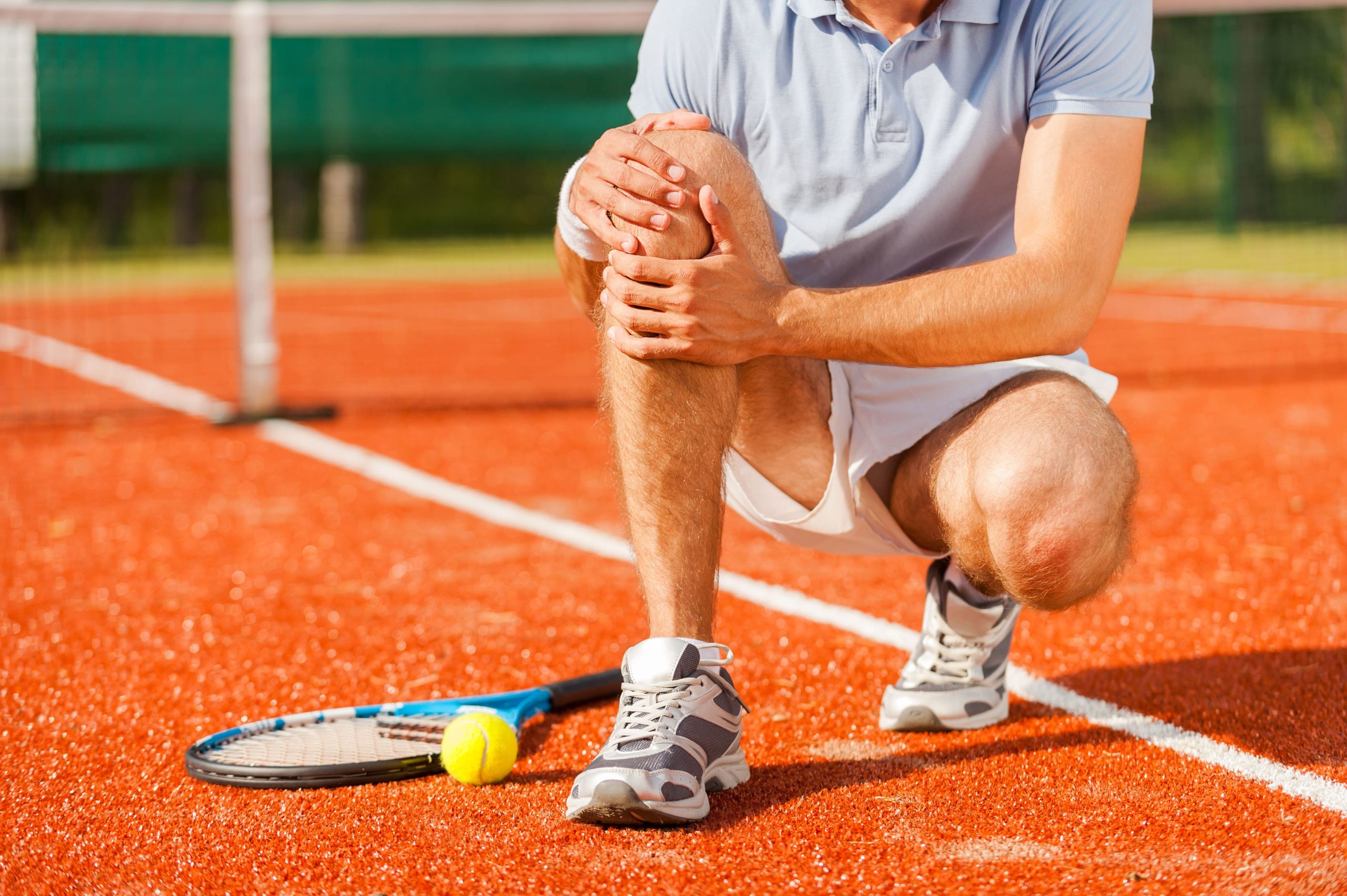
Sports Knee Injury Treatment in Singapore: A Comprehensive Guide

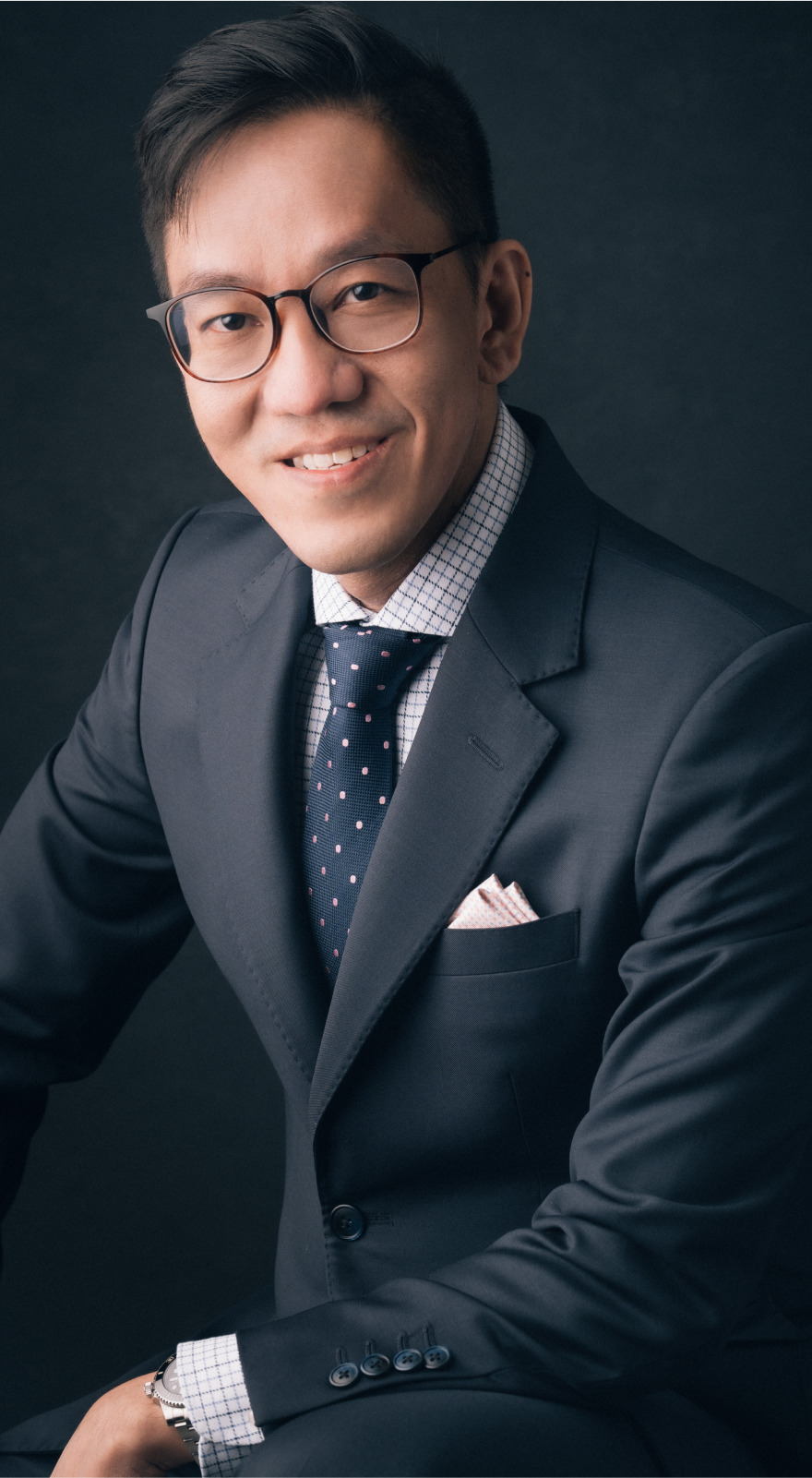
Dr. Wang Lushun - LS Wang Orthopaedics Clinic

Dr Wang Lushun

Senior Consultant Orthopaedic Surgeon

MBBS (Singapore)

MRCS (Edin)

MMed (Ortho)

FRCS (Ortho) (Edin)

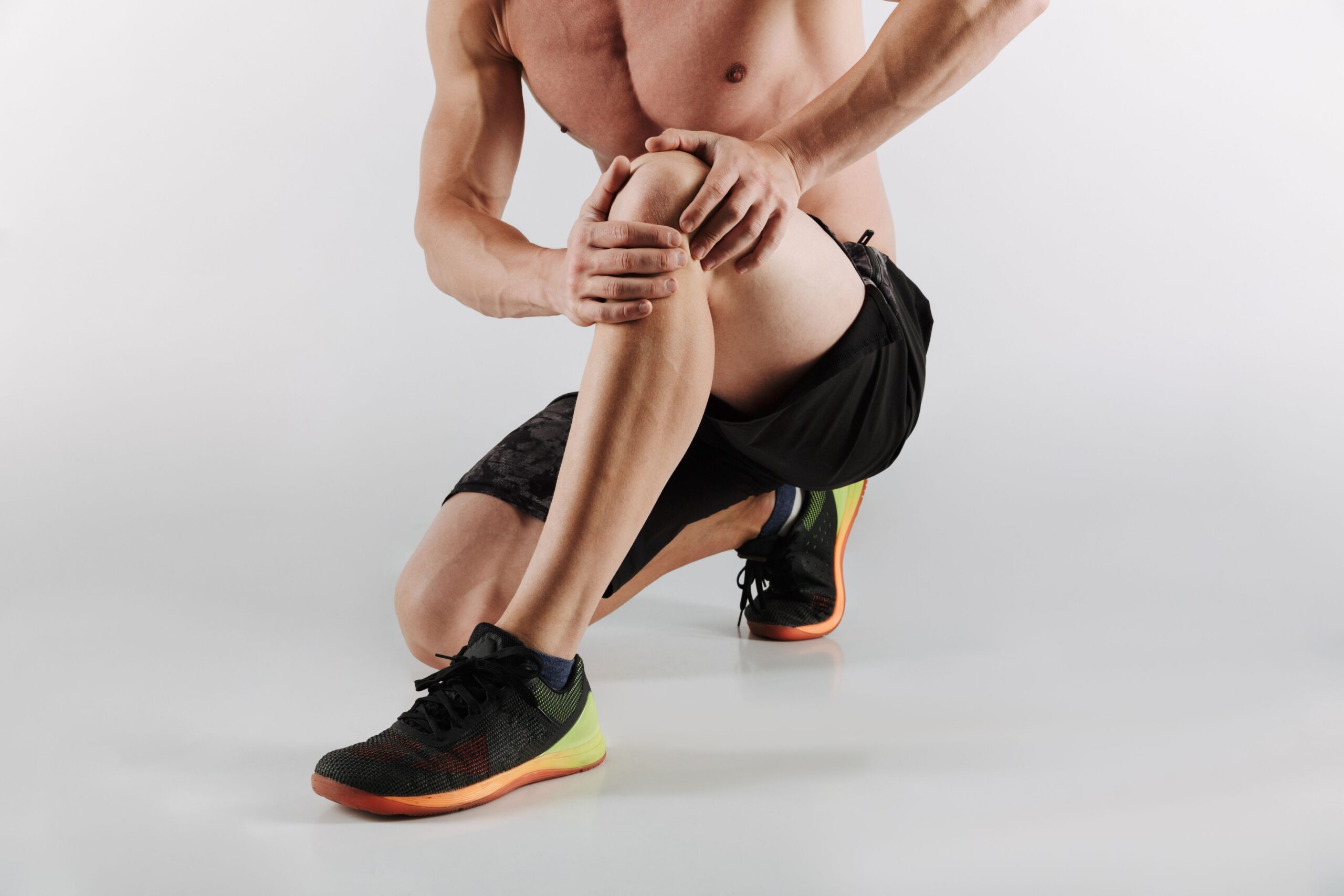
A knee injury can impact your quality of life and ability to do what you love, whether you’re a weekend warrior, competitive athlete, or simply enjoy staying active. Sports knee injuries are common musculoskeletal conditions treated in Singapore, affecting individuals across all age groups and fitness levels. This guide provides information about sports knee injury treatment in Singapore, from initial diagnosis through to recovery. With appropriate management from qualified healthcare professionals, many patients can return to their desired activity levels.

Dr. Wang Lushun - LS Wang Orthopaedics Clinic
sports-injury-close-up-of-tennis-player-touching-2026-03-19-05-25-10-utc (1) sports-injury-close-up-of-tennis-player-touching-2026-03-19-05-25-10-utc (1)

What is Sports Knee Injury Treatment?

Sports knee injury treatment involves the specialised medical care required to diagnose, manage, and rehabilitate the various structures of the knee joint damaged during physical activity. Because the knee relies on a complex integration of bones, cartilage, ligaments, and tendons, any sports-related trauma necessitates a targeted approach to restore function and stability.

Options range from conservative management like physiotherapy and bracing to advanced surgical interventions such as arthroscopic repair or reconstruction. The selected pathway depends on the specific tissue injured, the extent of the damage, and your personal goals for returning to athletic participation.

Common sports knee injuries include:

  • Anterior cruciate ligament (ACL) tears — damage to the ligament inside the knee joint that controls rotational stability and prevents the shin bone from sliding forward
  • Posterior cruciate ligament (PCL) injuries — injury to the ligament that prevents the shin bone from sliding backward; often caused by a direct blow to the front of the knee or a fall onto a bent knee
  • Medial collateral ligament (MCL) injuries — sprains or tears of the ligament on the inner side of the knee, commonly caused by a blow to the outer side of the knee or a twisting injury
  • Lateral collateral ligament (LCL) injuries — injuries to the ligament on the outer side of the knee, typically from a blow to the inner knee or hyperextension during sport
  • Meniscus injuries — tears in the cartilage pads that cushion and stabilise the knee joint
  • Patellofemoral syndrome (runner’s knee) — pain around the kneecap, often from overuse or abnormal kneecap tracking
  • Cartilage injuries — damage to the smooth surface lining the knee joint, which may occur alongside ligament or meniscus injuries

Each requires a tailored approach based on evidence-based protocols.

In Singapore, orthopaedic surgeons offer a spectrum of care from initial assessment through surgical intervention and rehabilitation. The goal is to restore function, reduce pain, and enable you to return to your desired activities safely.

Individuals Who May Benefit

Individuals who may benefit from sports knee injury treatment include those experiencing:

  • Acute knee pain following a specific sporting incident or trauma
  • Swelling, instability, or giving way of the knee during activity
  • Persistent knee pain that limits participation in sports or exercise
  • Clicking, locking, or catching sensations within the knee joint
  • Reduced range of motion or stiffness affecting performance
  • Previous knee injuries that have not fully resolved
  • Gradual onset of pain related to overuse or training errors

Athletes of all levels—from recreational joggers to professional sportspeople—may require treatment. Age is not a barrier; sports knee injuries affect teenagers, adults, and older active individuals alike.

Factors That May Influence Treatment

Certain factors may influence treatment approach or timing:

  • Active infection in or around the knee joint
  • Uncontrolled medical conditions (such as diabetes or heart disease)
  • Severe peripheral vascular disease (poor circulation in the limbs) affecting healing
  • Inability to comply with post-treatment rehabilitation protocols
  • Certain bleeding disorders or anticoagulant medications (may require modification)

An orthopaedic surgeon will conduct a thorough evaluation to determine the appropriate treatment pathway. Your surgeon will assess your specific injury, overall health status, activity goals, and personal circumstances before recommending a plan tailored to your needs.

Treatment Techniques & Approaches

Conservative (Non-Surgical) Management

Many sports knee injuries respond well to non-surgical treatment, including minor ligament sprains, minor meniscus tears, and overuse injuries.

Conservative management typically includes:

RICE Protocol
Rest, Ice, Compression, and Elevation form the foundation of acute injury management, reducing swelling and pain in the initial phase.

Physiotherapy
A structured rehabilitation programme strengthens the muscles supporting the knee, improves flexibility, and restores proprioception (your body’s ability to sense the position and movement of the joint). This plays a vital role in both non-surgical and post-surgical recovery.

Bracing and Support
Functional knee braces can provide stability during healing and return to sport, particularly for ligament injuries such as MCL and LCL sprains.

Medications
Anti-inflammatory medications (which reduce swelling) and analgesics (pain relievers) help manage pain and swelling during recovery.

Arthroscopic Surgery

Arthroscopic (keyhole) surgery is commonly performed for sports knee injuries in Singapore. This minimally invasive technique involves making small incisions through which a camera and specialised instruments are inserted to view and repair internal knee structures. This approach may involve reduced tissue damage, less post-operative pain, and faster recovery compared to open surgery.

Arthroscopic procedures commonly performed include:

  • Meniscus repair (stitching torn cartilage) or partial meniscectomy (removing damaged cartilage pieces)
  • ACL reconstruction (rebuilding the torn ligament)
  • PCL reconstruction in cases with significant instability
  • Cartilage restoration procedures
  • Removal of loose bodies (small fragments of bone or cartilage floating in the joint)
  • Treatment of synovial conditions (issues with the joint lining)
Ligament Reconstruction

For complete ligament tears, particularly ACL injuries in active individuals, reconstruction surgery may be recommended. This involves replacing the torn ligament with a graft from either your own tissue (autograft) or donor tissue (allograft).

Autograft options include hamstring tendons, patellar tendon, or quadriceps tendon. Each has specific characteristics, which your surgeon will discuss with you.

Allograft tissue from donors may be appropriate in certain circumstances, such as revision surgery or multi-ligament injuries.

Technology and Equipment

Modern sports knee injury treatment in Singapore utilises established technologies:

  • High-definition arthroscopic cameras for clear visualisation
  • Anatomic reconstruction techniques
  • Imaging techniques (such as MRI scans that use magnetic fields to create detailed images of soft tissues, or CT scans that use X-rays to create cross-sectional images) for pre-operative planning
  • Rehabilitation protocols supported by sports medicine evidence

Wondering which approach is right for you?

Speak with an orthopaedic surgeon to discuss which approach may be appropriate for your specific needs.

The Treatment Process

Pre-Treatment Preparation

Initial Consultation and Diagnosis

Your journey begins with a consultation. The orthopaedic surgeon will take a detailed history of your injury, including the mechanism, symptoms, and impact on your daily activities and sports participation. A thorough physical examination assesses knee stability, range of motion, and specific injury signs.

Diagnostic Imaging

Imaging studies help confirm the diagnosis and plan treatment:

  • X-rays assess bone structures and rule out fractures
  • MRI scans provide detailed images of soft tissues, including ligaments, menisci, and cartilage
  • CT scans may be required for complex cases

These diagnostic imaging tests confirm suspected conditions and determine the extent of injury

Pre-Operative Requirements (If Surgery is Planned)
  • Blood tests and medical clearance
  • Cessation of certain medications as advised
  • Pre-operative physiotherapy (prehabilitation) to optimise knee condition
  • Fasting instructions for the day of surgery
  • Arrangement of post-operative support and transport

During the Procedure

Anaesthesia Options

Depending on the procedure, anaesthesia may include:

  • General anaesthesia (medication that puts you fully asleep)
  • Regional anaesthesia (spinal block or nerve block that numbs a larger area while you remain awake or lightly sedated)
  • Local anaesthesia with sedation for minor procedures

Your anaesthetist will discuss the appropriate option based on your procedure and preferences.

The Surgical Procedure

Arthroscopic surgery typically takes varying amounts of time depending on complexity. During the procedure:

1. The surgeon makes small incisions (portals) around the knee
2. The surgeon inserts the arthroscope (a thin tube with a camera), displaying images on a monitor
3. The surgeon examines all structures within the knee
4. The surgeon performs repair, reconstruction, or other treatment
5. The surgeon closes and dresses the incisions

Throughout the procedure, the anaesthetic team monitors you to ensure safety and comfort.

Immediate Post-Treatment

Recovery Room

After surgery, you’ll be monitored in the recovery area as anaesthesia wears off. Pain management begins immediately, often including nerve blocks that provide several hours of comfort.

Hospital Stay

Many arthroscopic procedures are performed as day surgery, allowing you to return home the same day. More complex surgeries may require a short hospital stay.

Discharge Instructions

Before leaving, you’ll receive:

  • Wound care instructions
  • Pain medication prescriptions
  • Weight-bearing guidelines
  • Initial exercises to begin at home
  • Follow-up appointment schedule
  • Warning signs to watch for

Recovery & Aftercare

Recovery Period What to Expect:
First 24-48 Hours The initial period focuses on managing swelling and pain:

  • Keep the leg elevated above heart level when resting
  • Apply ice packs regularly
  • Take prescribed pain medications as directed
  • Begin gentle ankle movements to promote circulation
  • Use crutches as instructed for mobility

Warning Signs Requiring Immediate Attention:

  • Excessive bleeding soaking through dressings
  • Severe pain not controlled by medication
  • Fever above 38°C
  • Calf pain, swelling, or tenderness (which may indicate a blood clot)
  • Numbness or tingling that doesn’t resolve
First Week Daily Care

  • Keep wounds clean and dry until your surgeon clears you
  • Continue ice therapy and elevation
  • Perform prescribed exercises several times daily
  • Attend your first post-operative appointment (typically within the first week or two)

Activity Guidelines

  • Weight-bearing as advised (varies by procedure)
  • No driving until your surgeon clears you
  • Avoid prolonged sitting or standing
  • Sleep with leg slightly elevated

Healing Progress

  • Swelling gradually decreases
  • Bruising may spread and change colour (normal)
  • Pain should progressively improve each day
Long-term Recovery Recovery timelines vary based on the procedure performed:

Meniscus Surgery:

  • Return to daily activities: several weeks
  • Return to sports: several weeks to months (repair takes longer than removal)

ACL Reconstruction:

  • Return to daily activities: several weeks
  • Return to running: several months
  • Return to pivoting sports: many months

MCL / LCL Injuries (Non-Surgical): 

  • Return to daily activities: several weeks
  • Return to sports: several weeks to months depending on severity

Physiotherapy

Rehabilitation plays a vital role in outcomes. A structured programme typically progresses through phases:

1. Protection phase: Reduce swelling, restore range of motion
2. Strengthening phase: Rebuild muscle strength and endurance
3. Functional phase: Sport-specific training and agility work
4. Return to sport phase: Graduated return with performance testing

Your physiotherapist works closely with your surgeon to ensure safe progression through each stage.

Post-Procedure Support

An orthopaedic surgeon can provide post-procedure support. Schedule your consultation to learn more about what to expect.

Benefits of Sports Knee Injury Treatment

Appropriate treatment for sports knee injuries may offer:

Checkmark Icon
Pain Relief

Treatment can help reduce or alleviate knee pain that limits activity

Checkmark Icon
Restored Stability

Ligament reconstruction and repair can help restore knee function

Checkmark Icon
Improved Function

Treatment may enable return to daily activities, work, and sports participation

Checkmark Icon
Prevention of Further Damage

Addressing injuries can help prevent progressive cartilage wear and arthritis development

Checkmark Icon
Quality of Life

Returning to an active lifestyle supports physical and mental well-being

Checkmark Icon
Long-Term Joint Health

Proper treatment and rehabilitation can help protect the knee

Checkmark Icon
Personalised Care

Treatment plans are tailored to individual goals, whether returning to professional sport or recreational activities

Common Side Effects

As with any medical treatment, sports knee injury management carries some risks. Common effects that typically resolve include:

  • Swelling: Expected after surgery; managed with elevation and ice
  • Bruising: May be extensive but resolves over several weeks
  • Stiffness: Temporary limitation in range of motion; addressed through physiotherapy
  • Pain: Managed with medication; improves progressively
  • Numbness around incisions: Small areas of altered sensation may occur; often resolves over months

Rare Complications

Less common but more serious complications include:

  • Infection: Can occur in a small percentage of arthroscopic procedures; treated with antibiotics or further surgery when necessary
  • Blood Clots: Deep vein thrombosis (DVT—a clot forming in a deep vein, typically in the leg) risk is minimised through early mobilisation and sometimes medication
  • Nerve or Blood Vessel Injury: Rare due to established surgical techniques
  • Graft Failure: ACL or PCL grafts can re-rupture, particularly if returning to sport too early
  • Stiffness (Arthrofibrosis): Excessive scar tissue formation may limit motion; prevented through proper rehabilitation
  • Ongoing Pain: Some patients experience persistent discomfort despite treatment

Your surgeon will discuss specific risks relevant to your procedure during your consultation. Proper surgical technique, appropriate patient selection, and adherence to rehabilitation protocols minimise the risk of complications.

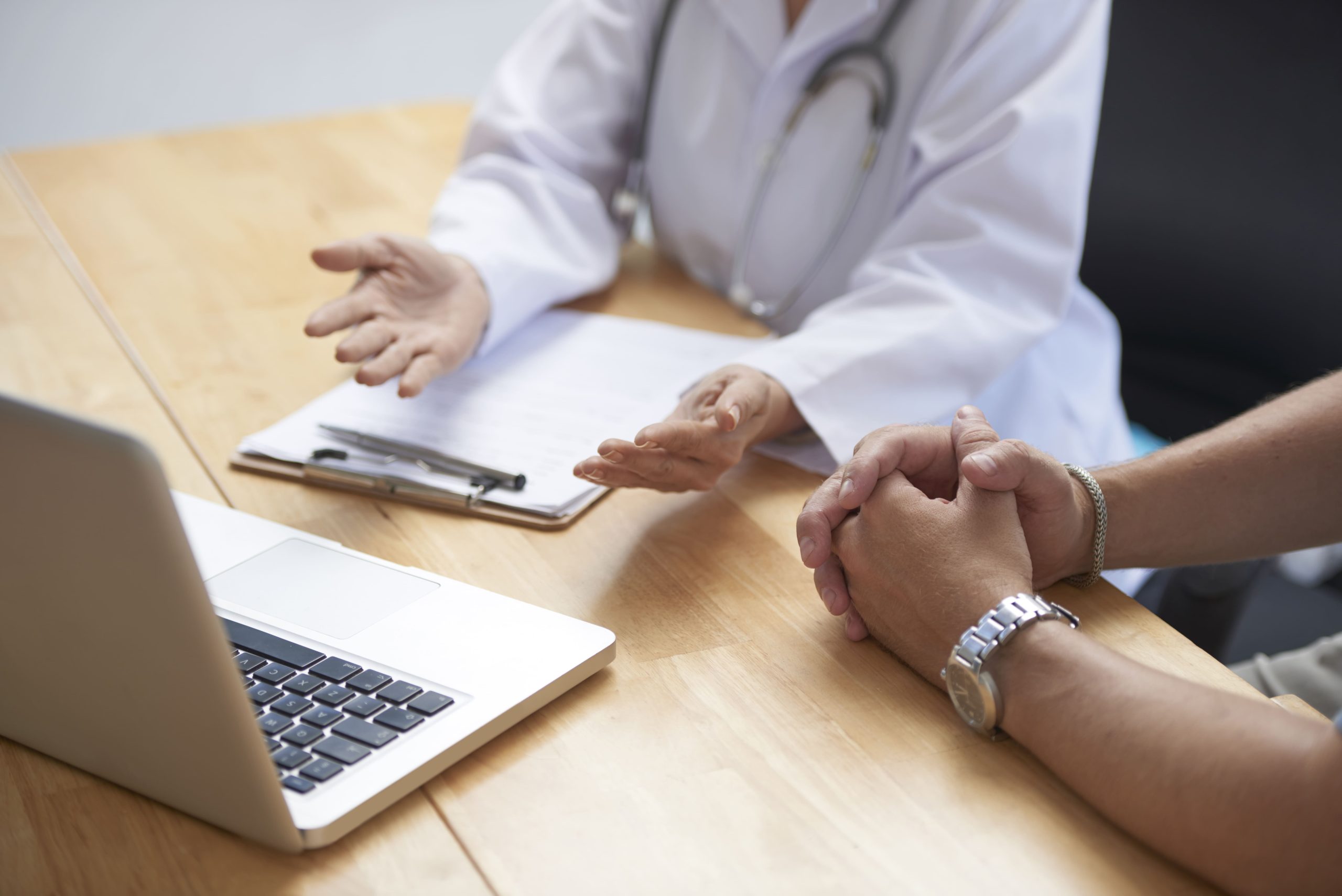
medical-consultation-at-wooden-table-with-laptop-2026-03-18-05-16-23-utc (1) medical-consultation-at-wooden-table-with-laptop-2026-03-18-05-16-23-utc (1)

Cost Considerations

The cost of sports knee injury treatment in Singapore varies based on several factors:

  • Type of procedure: Diagnostic arthroscopy differs from complex reconstruction
  • Surgical technique: Graft choice and fixation methods affect costs
  • Hospital setting: Day surgery versus inpatient admission
  • Implants and materials used: Specialised devices and grafts
  • Rehabilitation requirements: Physiotherapy session frequency and duration
  • Surgeon’s fees: Based on complexity and time required

What’s Typically Included:

  • Pre-operative consultations and imaging review
  • Surgical facility and equipment
  • Anaesthesia services
  • Post-operative follow-up appointments
  • Initial physiotherapy assessment

Your orthopaedic surgeon will provide a detailed cost estimate during your consultation after determining your specific treatment plan. Discussing costs openly with your surgeon’s practice helps ensure clarity about financial expectations.

Frequently Asked Questions

How long before I can return to sports after knee surgery?
Accordion Arrow Icon

Return to sport timelines vary depending on the procedure and sport involved. After simple arthroscopic procedures, return may be possible within several weeks. ACL reconstruction typically requires many months before returning to pivoting sports like football or basketball. These timelines allow proper tissue healing and rehabilitation, reducing re-injury risk. Return to sport decisions are based on objective criteria, including strength testing, functional assessments, and psychological readiness—not simply time elapsed since surgery.

Is physiotherapy really necessary after knee surgery?
Accordion Arrow Icon

Physiotherapy is important for outcomes after sports knee injury treatment. Surgery repairs or reconstructs damaged structures, but rehabilitation restores strength, flexibility, balance, and confidence in the knee. Without proper physiotherapy, you risk stiffness, weakness, and suboptimal function even after technically successful surgery. Compliance with your rehabilitation programme is one of the important factors in achieving a good outcome. Many patients require physiotherapy for several months following surgery.

What happens if I delay treatment for my knee injury?
Accordion Arrow Icon

Delaying treatment can have consequences depending on the injury type. Untreated ACL tears may lead to recurrent instability episodes that damage cartilage and menisci over time. Meniscus tears may enlarge, converting a repairable tear into one requiring removal. Some injuries may develop arthritis (joint degeneration causing pain and stiffness) more quickly without treatment. Not all injuries require immediate surgery; some may benefit from initial conservative management. The key is obtaining an accurate diagnosis promptly so appropriate treatment can be planned.

Can sports knee injuries heal on their own?
Accordion Arrow Icon

Some knee injuries can heal without surgery. Minor ligament sprains typically heal well with proper rest and rehabilitation. Certain meniscus tears in well-vascularised areas (areas with good blood supply) may heal conservatively. Complete ACL tears do not heal; the joint environment prevents natural repair. Proper assessment determines which injuries may benefit from conservative management and which require surgical intervention.

What can I do to prevent knee injuries from recurring?
Accordion Arrow Icon

Preventing re-injury involves several strategies:

  • Complete your rehabilitation programme to build strength and neuromuscular control (your muscles’ ability to respond quickly and correctly to movement demands)
  • Continue knee-strengthening exercises to maintain joint protection
  • Use proper warm-up and cool-down routines before activity
  • Use appropriate equipment, including proper footwear and bracing when indicated
  • Avoid training errors such as sudden increases in intensity or volume
  • Consider movement analysis and technique coaching for your specific sport

Taking Control of Your Knee Health

Sports knee injuries need not end your active lifestyle. With accurate diagnosis, appropriate treatment, and dedicated rehabilitation, many patients can achieve improvement in knee function and return to the activities they enjoy.

Whether your injury requires conservative management or surgical intervention, the key is working with qualified healthcare professionals who understand both the medical aspects of your condition and your personal goals. Singapore offers sports knee injury treatment options delivered by experienced orthopaedic surgeons using established techniques.

Ready to Take the Next Step?

If you're dealing with a sports knee injury, our Orthopaedic Surgeon can help you understand your condition and explore treatment options and provide personalised care throughout your journey from diagnosis to recovery.
Dr. Wang Lushun - LS Wang Orthopaedics Clinic

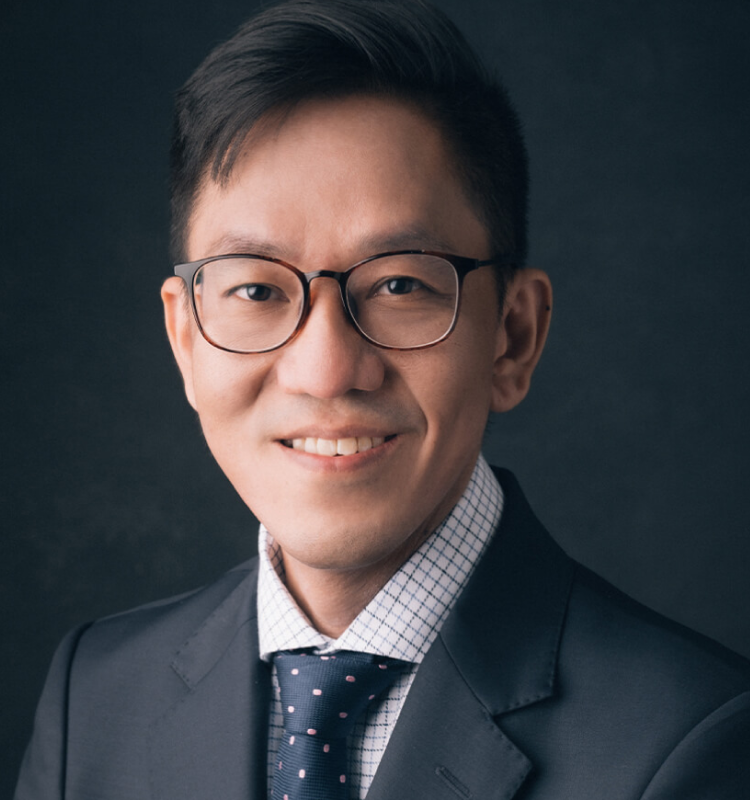
Dr Wang Lushun

Senior Consultant Orthopaedic Surgeon

MBBS (Singapore)

MRCS (Edin)

MMed (Ortho)

FRCS (Ortho) (Edin)

Internationally Recognised & Double Fellowship-Trained Surgeon With Over 18 Years of Experience

  • Bachelor of Medicine & Bachelor of Surgery (MBBS),
    National University of Singapore
  • Member of The Royal College of Surgeons (MRCS),
    Edinburgh, United Kingdom
  • Master of Medicine in Orthopaedic Surgery (MMed),
    National University of Singapore
  • Fellow of The Royal College of Surgeons in Orthopaedics and Traumatology (FRCS), Edinburgh, United Kingdom

As a Senior Consultant Orthopaedic Surgeon and former Head of the Hip and Knee Division in Ng Teng Fong Hospital, he has won awards for superior patient outcomes (value driven), service quality and enhanced recovery programmes. His patients include current and former national athletes and sporting professionals.

Why Choose

Dr Wang Lushun?

Trusted orthopaedic surgeon

Trusted

Leadership on Orthopaedic Advisory Boards

Skilful orthopaedic surgeon

Skilful

Double Fellowships at Centres of Excellence

Experienced consultant with over 18 years in orthopaedics

Experienced

Senior Consultant with Over 18 Years of Experience

Patient-Centred Orthopaedic Care

We are dedicated to your recovery and well-being. Every patient deserves the freedom that comes with active living. Whether you're an athlete sidelined by an injury or a weekend hobbyist desperate to return to your passion, our mission is to help you regain your mobility and independence.

Patient-Centred Orthopaedic Care
Personalised Approach For Positive Outcomes

Our clinic prioritizes time dedicated to understanding each patient’s injuries and needs. Dr Wang strongly believes that personalised care & patient management will lead to better outcomes & positive experiences.

Patient-Centred Orthopaedic Care
Minimally Invasive Techniques For Faster Recovery

Dr Wang’s extensive experience with minimally invasive procedures allows for less scarring, lower risk of complications and faster recovery compared to traditional surgical methods.

Patient-Centred Orthopaedic Care
Aftercare Focused On Restoring Mobility & Well-Being

As an avid sportsperson, Dr Wang understands the time and patience required to regain mobility and return to active living. After your procedure is completed, Dr Wang will make sure your recovery is smooth and comfortable.

Insurance

Great Eastern Insurance Aviva Insurance Prudential Insurance AXA Insurance AIA Insurance NTUC Income insurance

We accept all patients, with or without insurance plans. Additionally, we are on the specialist panels of these Health Networks/Insurance Plans. Please contact us if you have any queries and we will be happy to assist you in checking with your insurance provider.

Our Clinic Locations

lswang-homepage-desktop-contact-icon1-1
3 Mount Elizabeth, #13-14
Mount Elizabeth Medical Centre
Singapore 228510
lswang-homepage-desktop-contact-icon1-1
820 Thomson Road, Mount Alvernia Hospital, #05-51, Medical Centre D, Singapore 574623

    Full Name*

    Condition

    Your Message*

    For Faster Response, WhatsApp Us!

    8772‎ 6928