
Understanding and Treating Iliotibial Band Syndrome in Singapore

Dr. Wang Lushun - LS Wang Orthopaedics Clinic

Dr Wang Lushun

Senior Consultant Orthopaedic Surgeon

MBBS (Singapore)

MRCS (Edin)

MMed (Ortho)

FRCS (Ortho) (Edin)

Sharp or burning pain on the outer side of your knee during activities like running or climbing stairs is often a sign of Iliotibial (IT) Band Syndrome. This common overuse injury occurs when the thick band of connective tissue running from your hip to your shin becomes irritated and inflamed. This guide explains the causes of IT band syndrome and details the treatment options available in Singapore to help you return to your active lifestyle.

Dr. Wang Lushun - LS Wang Orthopaedics Clinic
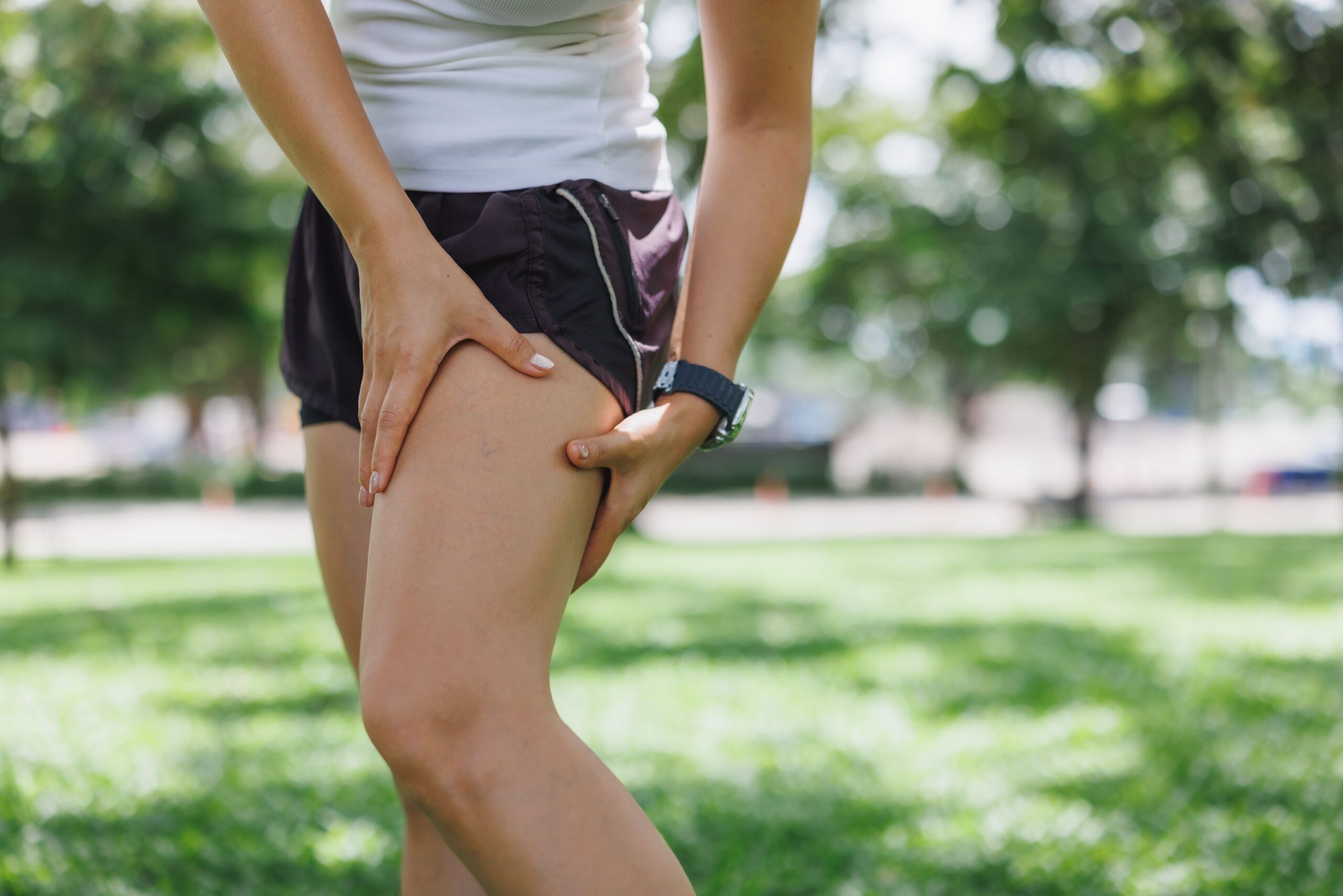
woman-experiencing-thigh-muscle-pain-outdoor-activ-2026-01-11-10-15-07-utc woman-experiencing-thigh-muscle-pain-outdoor-activ-2026-01-11-10-15-07-utc

What is Iliotibial Band Syndrome?

Iliotibial band syndrome (ITBS) is an overuse injury affecting the iliotibial band—a thick band of fibrous tissue running along the outside of your thigh. This band extends from your hip down to just below your knee, attaching to the shinbone. Its primary function is to stabilise your knee during movement, particularly during walking, running, and cycling.


When you repeatedly bend and straighten your knee, the iliotibial band glides over a bony prominence on the outer knee called the lateral femoral epicondyle. With excessive friction or compression, this area can become irritated and inflamed, resulting in the characteristic outer knee pain associated with IT band syndrome.


ITBS is frequently seen among distance runners, earning it the nickname “runner’s knee” (though this term also describes other conditions). In Singapore’s active fitness community, where running events and cycling groups thrive year-round, iliotibial band syndrome is commonly encountered. The syndrome typically develops gradually, starting as mild discomfort that may worsen with continued activity if left unaddressed.


ITBS represents a notable portion of running-related injuries. Early recognition and appropriate treatment can help prevent chronic problems, enabling individuals to maintain their activity levels and avoid prolonged discomfort.

Ideal Candidates

Individuals who may benefit from iliotibial band syndrome treatment typically include:

  • Runners and cyclists experiencing outer knee pain during or after activity
  • Athletes who have recently increased training intensity, duration, or frequency
  • Individuals with biomechanical factors such as leg length discrepancies, overpronation (when the foot rolls inward excessively whilst walking or running), or bow legs
  • Those with muscle imbalances, particularly weakness in hip abductors (muscles that move the leg away from the body) or gluteal muscles
  • Active adults whose work or hobbies involve repetitive knee bending
  • Patients with a confirmed diagnosis through clinical examination or imaging
  • Individuals committed to rehabilitation and willing to modify activities during recovery

Factors That May Complicate Treatment

Certain conditions may require modified treatment approaches or additional interventions:

  • Concurrent knee injuries, such as meniscal tears (damage to the cartilage cushioning the knee) or ligament damage requiring separate treatment
  • Chronic inflammatory conditions affecting joints or soft tissues
  • Structural abnormalities of the lower limb requiring assessment by an orthopaedic specialist (a doctor who specialises in bone, joint, and muscle conditions)
  • Previous treatments without proper diagnosis confirmation
  • Inability to rest from aggravating activities due to occupational demands
  • Underlying systemic conditions that affect tissue healing

A thorough evaluation by an orthopaedic specialist helps ensure accurate diagnosis and identifies any factors that might influence your treatment plan. Your doctor will consider your individual circumstances, including your activity level, medical history, and symptoms, to create a personalised treatment approach. Proper assessment helps differentiate IT band syndrome from other causes of lateral knee pain, such as lateral meniscus injuries (damage to the outer cartilage of the knee) or referred pain from the hip.

Experiencing persistent outer knee pain?

Consult our qualified orthopaedic specialist who can accurately diagnose your condition and discuss treatment options tailored to your activity level and goals.

Diagnostic Approaches and Assessment

Clinical Examination

Accurate diagnosis of iliotibial band syndrome begins with a comprehensive clinical assessment. Your orthopaedic specialist (a doctor who specialises in bone, joint, and muscle conditions) will review your symptoms, activity history, and any relevant medical background. The examination includes several key aspects:

  • Pain location assessment: ITBS typically presents with pain precisely over the lateral femoral epicondyle (the bony bump on the outer side of your knee), just above the knee joint line.
  • Provocative testing: Tests like the Noble compression test and Ober’s test help confirm the diagnosis.
  • Biomechanical evaluation: Your specialist assesses hip strength, flexibility, foot posture, and, when relevant, running gait.
  • Functional assessment: Your doctor observes movements that reproduce symptoms, such as single-leg squats or stair climbing.
Imaging Studies

Whilst IT band syndrome is primarily a clinical diagnosis (meaning your doctor can usually identify it through physical examination and symptoms), imaging may be valuable in certain situations:

  • Ultrasound imaging can reveal thickening of the iliotibial band and fluid accumulation beneath it.
  • MRI (Magnetic Resonance Imaging) provides detailed views of soft tissue structures (such as muscles, tendons, and ligaments) and can help exclude other pathologies.
  • X-rays may be ordered to rule out bony abnormalities or arthritis contributing to symptoms.
Differential Diagnosis

Several conditions can mimic iliotibial band syndrome, making an accurate diagnosis important:

  • Lateral meniscus tears (damage to the cartilage cushion on the outer side of your knee)
  • Lateral collateral ligament injuries (damage to the ligament on the outer side of your knee that provides stability)
  • Patellofemoral syndrome (pain around the kneecap)
  • Referred pain from hip pathology (pain that originates in the hip but is felt in the knee)
  • Proximal tibiofibular joint dysfunction (problems with the small joint where the shin bone meets the smaller lower leg bone, just below the knee)

Treatment Techniques and Approaches

Treatment for IT band syndrome in Singapore follows a progressive approach. Many patients respond to conservative management. The goal is to reduce pain, address contributing factors, and facilitate safe return to activity.

Activity Modification and Relative Rest

The foundation of ITBS treatment involves modifying activities that aggravate the condition. This doesn’t necessarily mean complete rest, but involves:

  • Reducing running or cycling volume temporarily
  • Avoiding hill training and cambered surfaces
  • Cross-training with low-impact activities like swimming
  • Gradual, structured return to sport once symptoms improve

Complete cessation of all activity is rarely necessary and may delay recovery by allowing muscles to weaken.

Physiotherapy and Rehabilitation

Physiotherapy forms a cornerstone of iliotibial band syndrome treatment. A structured rehabilitation programme typically addresses:

  • Stretching and mobility work: Targeted stretches for the IT band, hip flexors, and surrounding structures may help reduce tension. Foam rolling, whilst not stretching the IT band itself, can address tightness in adjacent muscles.
  • Strengthening exercises: Hip abductor and gluteal strengthening exercises are particularly important. Weakness in these muscle groups is associated with ITBS. Core stability work also supports proper biomechanics.
  • Gait retraining: For runners, modifications to running form can help decrease stress on the iliotibial band. These may include increasing cadence or reducing overstriding.
Manual Therapy Techniques

Various hands-on treatments may complement your rehabilitation programme:

  • Soft tissue mobilisation to address muscle tightness and adhesions
  • Joint mobilisation for any associated hip or knee stiffness
  • Myofascial release techniques targeting the tensor fasciae latae (a hip muscle that connects to the IT band) and the gluteal muscles
  • Dry needling to release trigger points in affected muscles
Medical Interventions

When conservative measures require additional support, several medical treatments may be considered:

  • Anti-inflammatory medications: Short-term use of non-steroidal anti-inflammatory drugs (NSAIDs), which are medications that reduce pain and inflammation, can help manage acute symptoms.
  • Corticosteroid injections: Ultrasound-guided injection of a corticosteroid (a powerful anti-inflammatory medication) into the area beneath the iliotibial band may provide relief for persistent cases. This approach is typically reserved for patients who haven’t responded adequately to physiotherapy.
  • Platelet-rich plasma (PRP) therapy: This regenerative treatment uses concentrated platelets from your own blood to promote healing. Some patients with chronic ITBS report improvement with PRP injections.
Biomechanical Interventions

Addressing underlying biomechanical factors may help reduce the risk of recurrence:

  • Footwear assessment and recommendations for appropriate running shoes
  • Custom orthotics (supportive shoe inserts) for individuals with foot posture abnormalities
  • Running gait analysis using video assessment to identify problematic movement patterns

Wondering which treatment approach may be suitable for you?

Our Orthopaedic Surgeon can evaluate your needs, activity goals, and symptom severity to recommend a suitable treatment strategy. Speak with your healthcare provider about which treatment options align with your individual circumstances.

The Treatment Process

Initial Consultation and Assessment

Your journey to recovery begins with a thorough consultation. During this visit, your orthopaedic specialist (a doctor who specialises in bones, joints, and muscles) will:

  • Review your complete medical history and current symptoms
  • Discuss your activity levels, training habits, and goals
  • Conduct a comprehensive physical examination
  • Order any necessary imaging studies (such as X-rays, MRIs, or ultrasound scans)
  • Explain the diagnosis and discuss treatment options

This initial assessment allows adequate time for examination and discussion of your concerns.

Treatment Implementation

Your specialist develops a personalised treatment plan tailored to your assessment findings:

  • Initial phase: Treatment focuses on pain reduction through activity modification, ice application, and anti-inflammatory measures as needed. Initial physiotherapy sessions introduce gentle mobility work and begin addressing muscle imbalances.
  • Progressive phase: Your therapist introduces strengthening exercises, targeting hip abductors, gluteal muscles, and core stability. Manual therapy (hands-on treatment to improve joint and muscle function) continues as needed. Gradual return to low-impact activities begins.
  • Advanced phase: Strengthening and sport-specific rehabilitation continue. Running or cycling is reintroduced progressively, with careful monitoring of symptoms. Your therapist refines gait retraining (correcting how you walk or run) during this phase.
Injection Procedure

If your specialist recommends a corticosteroid (a medication that reduces inflammation) or PRP (platelet-rich plasma, which uses components from your own blood to promote healing) injection:

  • Your specialist performs the procedure in a clinic setting
  • Ultrasound guidance helps ensure precise placement
  • Local anaesthetic (numbing medication) may be used for comfort
  • The injection itself takes only a few minutes
  • You can typically return home immediately afterwards
Monitoring and Follow-up

Regular follow-up appointments allow your specialist to:

  • Assess your progress and response to treatment
  • Modify the rehabilitation programme as needed
  • Address any concerns or setbacks
  • Guide safe return to full activity

Recovery and Aftercare

First 24-48 Hours Post-Treatment

For patients receiving injection therapy:

  • Mild discomfort at the injection site is normal
  • Ice application can help reduce any swelling
  • Avoid strenuous activity for the first 48 hours
  • Take prescribed medications as directed
  • Contact your clinic if you experience severe pain, fever, or signs of infection (such as redness, warmth, or discharge at the injection site)
First Week of Recovery

During the initial recovery phase:

  • Continue with prescribed exercises and stretches
  • Maintain activity modifications as advised
  • Attend scheduled physiotherapy sessions
  • Keep a symptom diary to track your progress
  • Avoid activities that reproduce your pain

Many patients notice gradual improvement during this period. Some temporary post-injection soreness may occur.

Long-term Recovery and Return to Sport

Recovery from iliotibial band syndrome varies among patients based on individual health factors and severity:

  • Mild cases may respond within a relatively short period with suitable management
  • Moderate cases usually require a longer period of rehabilitation
  • Chronic or recurrent cases may take longer and require ongoing maintenance

Return to running or cycling follows a structured progression:

  • Walk pain-free for a reasonable duration
  • Use walk-run intervals, gradually increasing running duration
  • Run continuously and easily on flat surfaces
  • Progressively increase distance and intensity
  • Return to hills, speed work, and full training

Your physiotherapist can guide this progression based on your symptom response and functional capacity.

A qualified healthcare professional can provide support throughout your recovery from IT band syndrome.

If you have questions about treatment or rehabilitation, speak with our orthopaedic specialist about scheduling a consultation.

Benefits of Appropriate Treatment

Appropriate treatment for iliotibial band syndrome offers numerous advantages:

Checkmark Icon
Pain reduction

Treatment aims to reduce knee pain, allowing comfortable daily activities

Checkmark Icon
Restored function

Treatment aims to enable return to running, cycling, and other activities you enjoy

Checkmark Icon
Improved biomechanics

Addressing underlying factors (such as foot positioning, hip alignment, or running form) can lead to more efficient movement patterns

Checkmark Icon
Prevention of chronicity

Early, appropriate treatment may help prevent the condition from becoming a long-term problem

Checkmark Icon
Enhanced performance

Correcting muscle imbalances (when certain muscles are weaker or tighter than others) may support overall athletic performance

Checkmark Icon
Reduced injury risk

Strengthening and flexibility work may help decrease susceptibility to other lower limb injuries (such as runner's knee, shin splints, or ankle strains)

Checkmark Icon
Understanding your condition

Education about your condition empowers you to manage and prevent future episodes

Checkmark Icon
Quality of life improvement

Freedom from persistent knee pain can positively impact daily activities and mental well-being

Common Side Effects

Most treatment approaches for IT band syndrome are conservative and carry minimal risk. Possible temporary effects include:

  • Post-exercise soreness during initial rehabilitation phases (muscle aching or tenderness after exercises)
  • Temporary symptom fluctuation as you progress through treatment
  • Mild bruising or discomfort at injection sites (if applicable)
  • Muscle fatigue when introducing new strengthening exercises

These effects typically resolve within a few days and can be managed with ice, rest, and over-the-counter pain relief.

Rare Complications

Whilst uncommon, certain risks should be understood:

  • Injection-related complications, including infection, allergic reaction, or skin changes (rare with proper technique)
  • Corticosteroid effects (corticosteroids are anti-inflammatory medications) such as temporary fat pad atrophy (thinning of the fatty tissue) or skin lightening at the injection site
  • Inadequate response requiring alternative treatment approaches
  • Recurrence if underlying biomechanical factors (the way your body moves and distributes force) aren’t addressed

Qualified healthcare professionals can help reduce the risk of complications through:

  • Accurate diagnosis before treatment
  • Proper injection technique using ultrasound guidance (using sound waves to create images that help guide the needle precisely)
  • Adherence to rehabilitation protocols
  • Gradual, progressive return to activity
  • Ongoing attention to preventive measures
medical-concept-patients-listen-to-advice-from-me-2026-01-07-00-44-05-utc medical-concept-patients-listen-to-advice-from-me-2026-01-07-00-44-05-utc

Cost Considerations

Several factors influence the cost of iliotibial band syndrome treatment in Singapore:

  • Consultation fees for initial assessment and follow-up visits
  • Imaging costs if MRI (magnetic resonance imaging, which uses magnets to create detailed pictures of soft tissues) or ultrasound (which uses sound waves to create images of the affected area) are required
  • Physiotherapy sessions may be recommended for multiple sessions
  • Injection procedures, if corticosteroid (anti-inflammatory medication) or PRP (platelet-rich plasma, which uses components from your own blood to promote healing) therapy is recommended
  • Orthotics or footwear modifications if prescribed
  • Diagnostic tests, such as gait analysis (an assessment of how you walk to identify movement patterns that may contribute to your condition)

Treatment packages often include:

  • Specialist consultation and examination
  • Diagnosis and treatment planning
  • Procedure costs (if applicable)
  • Follow-up appointments

For an accurate estimate based on your situation, schedule a consultation with a qualified orthopaedic specialist (a doctor who specialises in treating bones, joints, and muscles). They can outline the recommended treatment approach and associated costs after assessing your condition.

Frequently Asked Questions

How long does IT band syndrome take to heal?
Accordion Arrow Icon

Recovery time varies depending on the severity of your condition and how consistently you follow your treatment plan. Mild cases often improve within several weeks. Moderate to severe cases may take longer. Chronic cases that have been present for months typically require more extended rehabilitation. The key to recovery is not rushing back to full activity too quickly. Returning to sport before adequate healing often leads to recurrence. Your orthopaedic specialist (a doctor who specialises in bone, joint, and muscle conditions) and physiotherapist can guide you on appropriate timelines based on your individual progress.

Can I continue running with IT band syndrome?
Accordion Arrow Icon

This depends on your symptom severity. In mild cases, you may be able to continue running with modifications such as reduced distance, avoiding hills, and running on flat surfaces. Running through pain is not recommended as it can worsen the condition and prolong recovery. Many patients benefit from temporary cross-training with low-impact activities like swimming or cycling (if tolerated) whilst their IT band heals. Your treatment team can advise on activity modifications for your situation.

Is foam rolling effective for IT band syndrome?
Accordion Arrow Icon

Foam rolling is frequently recommended, but it works differently than many people assume. The IT band itself is fibrous tissue that doesn’t stretch or lengthen with foam rolling. Foam rolling can help release tension in surrounding muscles—particularly the tensor fasciae latae (a muscle on the outer hip), quadriceps (thigh muscles), and gluteal muscles (buttock muscles). This may reduce strain on the IT band. Many patients find foam rolling provides temporary relief and can be a useful component of comprehensive treatment when combined with proper strengthening exercises.

Do I need surgery for IT band syndrome?
Accordion Arrow Icon

Surgery for IT band syndrome is rarely necessary. Most patients respond to conservative treatment (non-surgical approaches), including physiotherapy, activity modification, and sometimes injection therapy. Surgical intervention is typically only considered for cases that fail to improve after several months of comprehensive conservative management. When surgery is needed, it may involve releasing or lengthening a portion of the iliotibial band near the knee. Your orthopaedic specialist can discuss this option if conservative treatments haven’t provided adequate relief.

What exercises should I avoid with IT band syndrome?
Accordion Arrow Icon

During the acute phase of IT band syndrome (when symptoms are present), you should avoid activities that aggravate your symptoms. These typically include:

  • Running (especially downhill)
  • Cycling with a low saddle height
  • Stair climbing
  • Deep squatting

Exercises that involve repeated knee bending under load tend to worsen symptoms. Side-lying leg lifts with the hip in internal rotation (turned inward) may also irritate the IT band. As you progress through rehabilitation, these activities are gradually reintroduced under guidance. Your physiotherapist can provide advice on which exercises to modify or avoid based on your individual presentation.

Why does my IT band syndrome keep coming back?
Accordion Arrow Icon

Recurrent IT band syndrome often indicates that underlying contributing factors haven’t been fully addressed. Common reasons for recurrence include:

  • Inadequate hip and gluteal strengthening
  • Returning to full training too quickly
  • Biomechanical issues (problems with how your body moves) that haven’t been corrected
  • Inappropriate footwear
  • Training errors such as rapid increases in mileage

Some individuals have anatomical factors that predispose them to ITBS. A thorough assessment by an orthopaedic specialist can identify these factors. A comprehensive rehabilitation programme that addresses them may help prevent future episodes.

Are there any warning signs that I should see a specialist urgently?
Accordion Arrow Icon

Whilst IT band syndrome itself is not dangerous, certain symptoms warrant prompt medical attention as they may indicate other conditions. Seek urgent assessment if you experience:

  • Severe pain that doesn’t improve with rest
  • Swelling or redness around the knee
  • Inability to bear weight on the affected leg
  • Knee locking or giving way
  • Fever accompanying your knee pain
  • Numbness and tingling in your leg

These symptoms may suggest conditions other than ITBS that require different treatment approaches.

Can IT band syndrome affect both knees?
Accordion Arrow Icon

Yes. Although it’s more common for IT band syndrome to affect one knee at a time, bilateral cases (affecting both sides) do occur. This is frequently seen in individuals with symmetrical biomechanical factors such as weak hip abductors (muscles that move the leg away from the body) on both sides, overpronation (excessive inward rolling of the foot) of both feet, or running on consistently cambered surfaces (sloped or tilted ground). When both knees are affected, treatment principles remain the same, though rehabilitation exercises will address both sides equally. Identifying and correcting the underlying causes becomes especially important to prevent ongoing problems.

Moving Forward with Confidence

Iliotibial band syndrome, whilst frustrating, is a treatable condition. Understanding the nature of your injury, its contributing factors, and the available treatment options puts you in a position for recovery. With proper diagnosis, appropriate treatment, and commitment to rehabilitation, many patients can return to their desired activities and maintain an active lifestyle.

The key to treatment lies in addressing not just the symptoms but the underlying causes. These may include muscle weakness (when certain muscles aren't strong enough to support proper movement), biomechanical factors (the way your body moves and distributes force during activity), or training errors (such as increasing exercise intensity too quickly or using improper technique). A comprehensive approach that combines activity modification, targeted rehabilitation, and preventive strategies aims to provide relief from IT band syndrome knee pain in Singapore.

If you're experiencing persistent knee pain or suspect IT band syndrome, speak with a qualified healthcare provider. They can assess your situation, provide an accurate diagnosis, and develop a treatment plan tailored to your needs and activity goals.

Ready to Take the Next Step?

If you're experiencing outer knee pain that's affecting your running, cycling, or daily activities, Dr Wang Lushun can help you understand whether iliotibial band syndrome may be the cause and recommend an appropriate treatment approach tailored to your needs.
Dr. Wang Lushun - LS Wang Orthopaedics Clinic

Dr Wang Lushun

Senior Consultant Orthopaedic Surgeon

MBBS (Singapore)

MRCS (Edin)

MMed (Ortho)

FRCS (Ortho) (Edin)

Internationally Recognised & Double Fellowship-Trained Surgeon With Over 18 Years of Experience

  • Bachelor of Medicine & Bachelor of Surgery (MBBS),
    National University of Singapore
  • Member of The Royal College of Surgeons (MRCS),
    Edinburgh, United Kingdom
  • Master of Medicine in Orthopaedic Surgery (MMed),
    National University of Singapore
  • Fellow of The Royal College of Surgeons in Orthopaedics and Traumatology (FRCS), Edinburgh, United Kingdom

As a Senior Consultant Orthopaedic Surgeon and former Head of the Hip and Knee Division in Ng Teng Fong Hospital, he has won awards for superior patient outcomes (value driven), service quality and enhanced recovery programmes. His patients include current and former national athletes and sporting professionals.

Why Choose

Dr Wang Lushun?

Trusted orthopaedic surgeon

Trusted

Leadership on Orthopaedic Advisory Boards

Skilful orthopaedic surgeon

Skilful

Double Fellowships at Centres of Excellence

Experienced consultant with over 18 years in orthopaedics

Experienced

Senior Consultant with Over 18 Years of Experience

Patient-Centred Orthopaedic Care

We are dedicated to your recovery and well-being. Every patient deserves the freedom that comes with active living. Whether you're an athlete sidelined by an injury or a weekend hobbyist desperate to return to your passion, our mission is to help you regain your mobility and independence.

Patient-Centred Orthopaedic Care
Personalised Approach For Positive Outcomes

Our clinic prioritizes time dedicated to understanding each patient’s injuries and needs. Dr Wang strongly believes that personalised care & patient management will lead to better outcomes & positive experiences.

Patient-Centred Orthopaedic Care
Minimally Invasive Techniques For Faster Recovery

Dr Wang’s extensive experience with minimally invasive procedures allows for less scarring, lower risk of complications and faster recovery compared to traditional surgical methods.

Patient-Centred Orthopaedic Care
Aftercare Focused On Restoring Mobility & Well-Being

As an avid sportsperson, Dr Wang understands the time and patience required to regain mobility and return to active living. After your procedure is completed, Dr Wang will make sure your recovery is smooth and comfortable.

Insurance

Great Eastern Insurance Aviva Insurance Prudential Insurance AXA Insurance AIA Insurance NTUC Income insurance

We accept all patients, with or without insurance plans. Additionally, we are on the specialist panels of these Health Networks/Insurance Plans. Please contact us if you have any queries and we will be happy to assist you in checking with your insurance provider.

Our Clinic Locations

lswang-homepage-desktop-contact-icon1-1
3 Mount Elizabeth, #13-14
Mount Elizabeth Medical Centre
Singapore 228510
lswang-homepage-desktop-contact-icon1-1
820 Thomson Road, Mount Alvernia Hospital, #05-51, Medical Centre D, Singapore 574623

    Full Name*

    Condition

    Your Message*

    For Faster Response, WhatsApp Us!

    8772‎ 6928