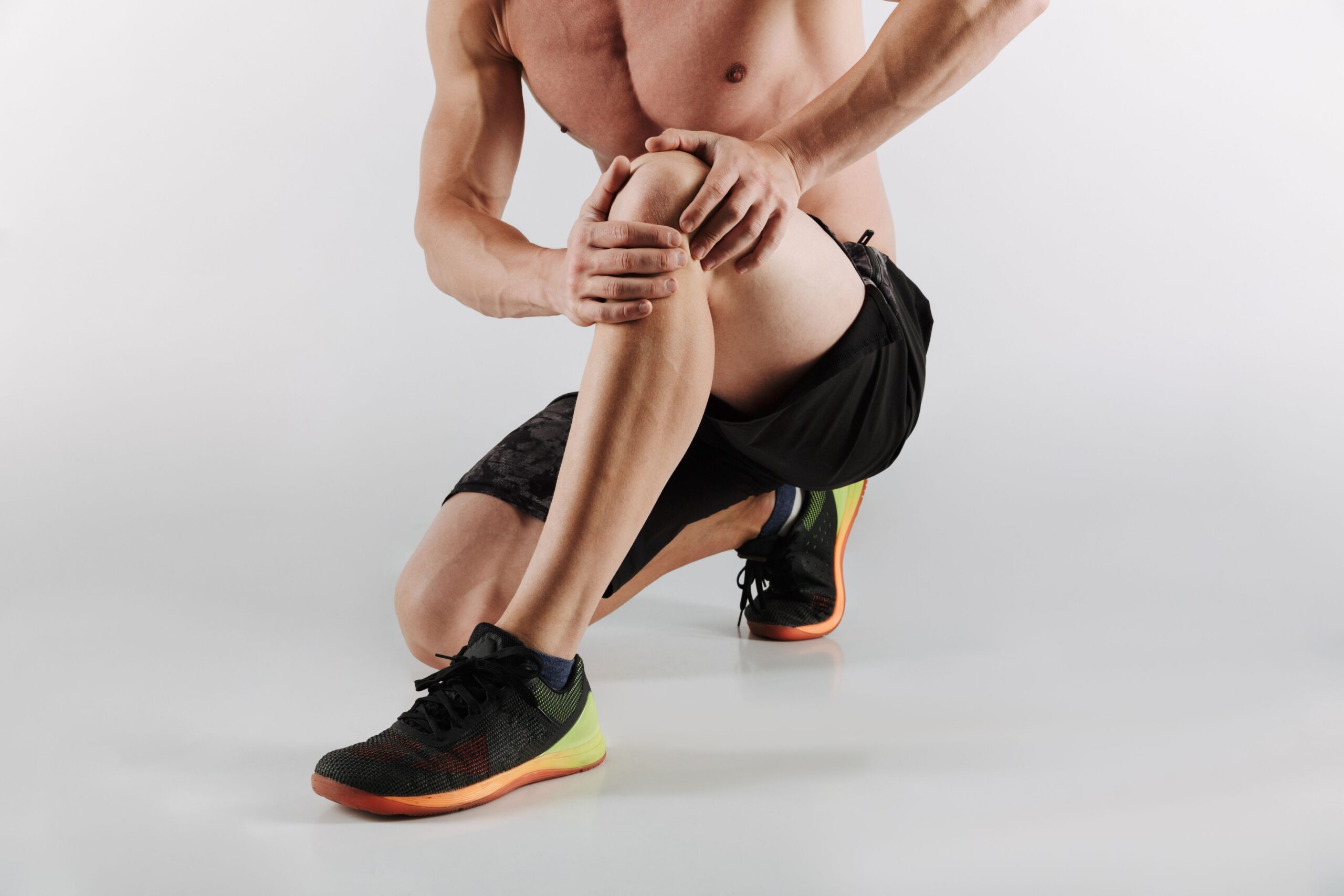
- Foundational Care: Combines activity modification, physical therapy, and pain management for effective early-stage recovery.
- Activity Modification: Focuses on resting from aggravating movements while avoiding complete immobilisation.
- Inflammation Control: Apply ice for 15–20 minutes several times daily to help reduce swelling and provide pain relief.
- Short-term Medication: Doctors may prescribe NSAIDs for immediate symptom relief to bridge the initial recovery phase.
- Long-term Caution: Prolonged use of anti-inflammatories is generally discouraged as it may interfere with the natural tendon healing process.
Understanding and Treating Knee Tendinitis in Singapore

Dr Wang Lushun
Senior Consultant Orthopaedic Surgeon
MBBS (Singapore)
MRCS (Edin)
MMed (Ortho)
FRCS (Ortho) (Edin)
Persistent knee pain—whether from sports or daily activity often signals knee tendinitis, a common condition caused by repetitive strain. Treatment options in Singapore offer multiple pathways to recovery. This guide provides comprehensive information about knee tendinitis, helping you make informed decisions about your care.
What is Knee Tendinitis?
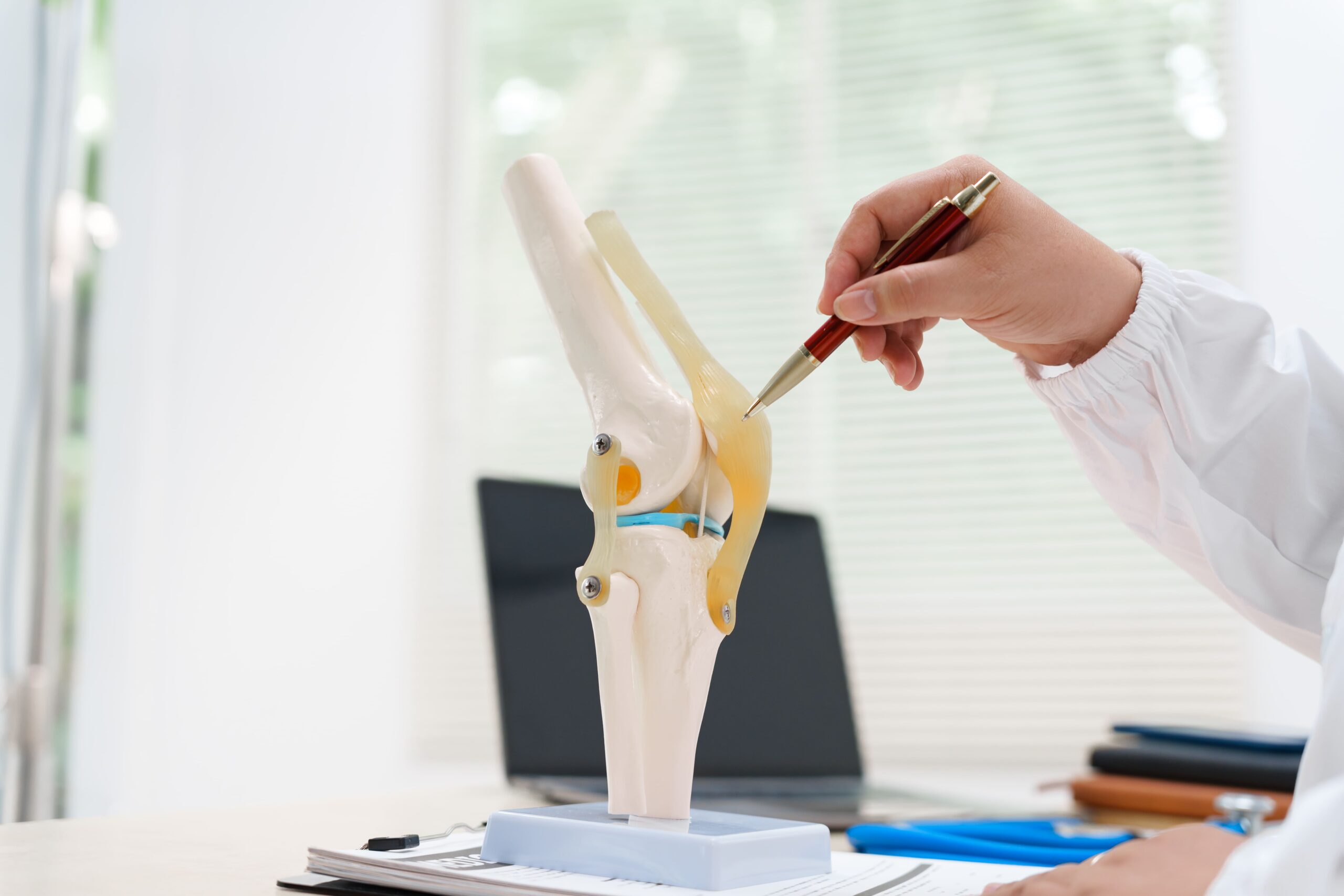
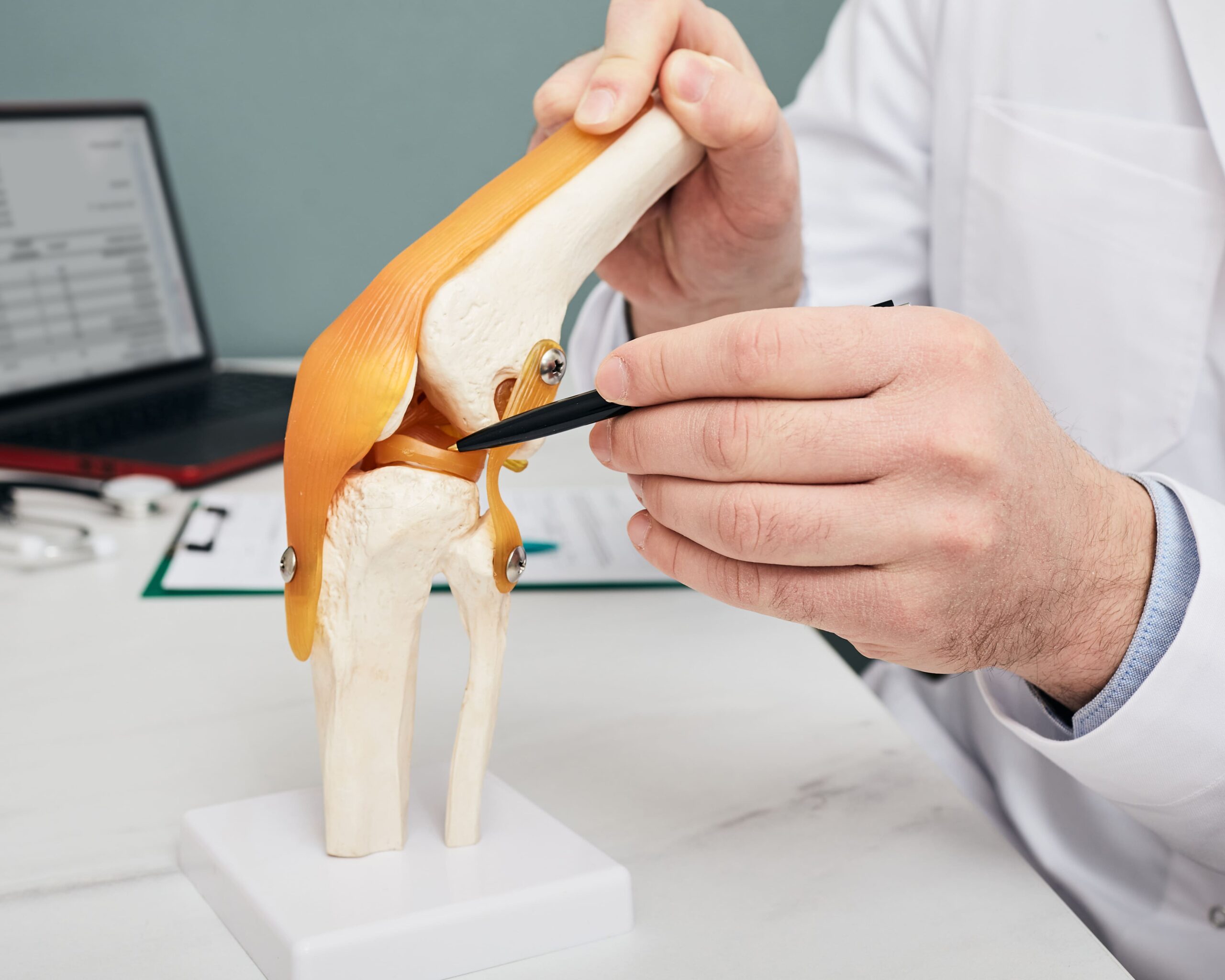
Knee tendinitis involves inflammation or irritation of the tendons surrounding the knee joint, most commonly affecting the patellar tendon, which connects the kneecap to the shinbone. Often referred to as “jumper’s knee,” this condition occurs when repetitive stress causes small tears in the fibrous tissue, leading to localised pain, swelling, and reduced function. While it primarily affects the area just below the kneecap, the quadriceps tendon above the knee can also be involved.
The condition typically develops gradually, progressing from minor discomfort during physical activity to persistent pain during daily tasks or even at rest. In Singapore’s active population, it frequently impacts athletes and individuals in occupations requiring repetitive jumping, climbing, or kneeling. Early intervention is key to managing symptoms, as the localised pain—often worsened by squatting or prolonged sitting—can become debilitating without proper care tailored to your unique health status.
Potential Candidates
Treatment for knee tendinitis may be appropriate if you experience:
- Localised pain at the front of the knee, particularly below or above the kneecap
- Discomfort that worsens with jumping, running, squatting, or climbing stairs
- Stiffness in the knee, especially after prolonged sitting or upon waking
- Tenderness when pressing on the patellar or quadriceps tendon
- Pain that initially occurred during activity but now affects daily tasks
- Swelling or thickening around the affected tendon
- Symptoms persisting for more than two weeks despite rest
Active individuals who participate in sports involving jumping (such as basketball, volleyball, or badminton) are particularly prone to this condition. Runners, cyclists, and those engaged in high-intensity interval training also frequently develop knee tendinitis.
Contraindications
Certain situations may require alternative approaches or additional evaluation:
- Complete tendon rupture requiring surgical consideration
- Underlying inflammatory conditions such as rheumatoid arthritis
- Active infection in or around the knee joint
- Referred pain from hip or spine pathology
- Fractures or other structural bone injuries
- Severe peripheral vascular disease affects healing capacity
Treatment Techniques & Approaches
Knee tendinitis treatment in Singapore typically begins with conservative measures and progresses to more interventional options if needed.
Conservative Management
Physical Therapy Protocols
- Structured Rehabilitation: A core treatment pillar focusing on strength, flexibility, and biomechanical correction.
- Eccentric Strengthening: Targeted movements that lengthen the muscle while it contracts to promote tendon remodelling.
- Exercise Examples: Controlled decline squats and leg press variations are often used to stimulate healing.
- Flexibility Training: Stretching the quadriceps, hamstrings, and calf muscles to reduce strain on the patellar tendon.
- Manual Therapy: Professional techniques used to address specific muscle tightness and joint stiffness.
Shockwave Therapy
Extracorporeal shockwave therapy (ESWT) is a non-invasive treatment that delivers acoustic waves to the affected tendon. This aims to stimulate blood flow and promote tissue repair. This treatment may be considered for patients who haven’t responded adequately to initial conservative measures.
Treatment typically involves multiple sessions over several weeks. Some patients experience gradual improvement in the weeks following therapy completion.
Injection Therapies
When conservative approaches provide insufficient relief, your doctor may consider injection treatments.
Platelet-rich plasma (PRP) injections utilise concentrated growth factors from your own blood to promote tendon healing. The procedure involves:
- Drawing your blood
- Processing it to concentrate platelets
- Injecting the solution into the affected area under ultrasound guidance
Corticosteroid injections may provide short-term pain relief. Practitioners use them cautiously for tendinitis due to concerns about potential tendon weakening with repeated use.
Wondering which approach might be suitable for you?
Consult with a qualified healthcare professional who will evaluate your specific needs and discuss appropriate options.
The Treatment Process
Pre-Treatment Preparation
Your treatment journey begins with a comprehensive consultation. Your healthcare professional will take a detailed history of your symptoms, activity levels, and previous treatments attempted.
Physical examination includes assessing your gait, knee alignment, range of motion, and specific tests that may reproduce tendinitis symptoms. The doctor will press on the tendon to identify areas of tenderness and any structural changes.
Your doctor may order imaging studies to confirm the diagnosis:
- Ultrasound: Visualises tendon thickening, tears, and inflammation
- MRI: Provides detailed views of soft tissue structures and helps rule out other conditions
Your doctor might recommend blood tests if they suspect inflammatory conditions. Once your diagnosis is confirmed, your healthcare professional will discuss treatment options and develop a personalised management plan.
During Treatment
Conservative treatment involves regular physiotherapy sessions, typically several times weekly initially. Each session lasts approximately 45-60 minutes and includes hands-on therapy, supervised exercises, and education about home programmes.
Shockwave therapy sessions last approximately 15-20 minutes. You’ll feel pulsating sensations at the treatment site, which may cause mild discomfort. No anaesthesia is required, and you can resume normal activities immediately afterwards.
PRP injections are performed as outpatient procedures:
- Local anaesthetic numbs the injection site
- Ultrasound guidance aims to ensure accurate placement
- The procedure takes approximately 30-45 minutes, including preparation time
Some patients experience temporary increased discomfort for several days following the injection.
Immediate Post-Treatment
- Physiotherapy Follow-up: Receive personalised home exercise instructions and apply ice after sessions to manage temporary inflammation.
- Shockwave Therapy Aftercare: Expect mild soreness for 24–48 hours and avoid high-impact activities for the remainder of the day.
- PRP Injection Rest: Maintain relative rest for 48–72 hours following the procedure to support early healing.
- Medication Restrictions: Avoid anti-inflammatory medications for at least one week, as they may interfere with the stimulated healing process.
- Activity Guidelines: Follow specific professional instructions regarding the gradual resumption of your regular activities.
Recovery & Aftercare
| Recovery Period | What to Expect: |
|---|---|
| First Hours | Pain management during this period relies primarily on ice application and paracetamol if needed. Avoid anti-inflammatory medications unless your healthcare professional specifically advises them.
Gentle movement may help prevent stiffness, but avoid aggravating activities. Walking at a comfortable pace is generally acceptable. Keep the knee elevated when resting to minimise any swelling. Watch for warning signs such as severe pain not relieved by simple measures, significant swelling, redness, warmth, or fever. These should prompt immediate medical attention. |
| First Week | Continue your prescribed home exercise programme consistently. Gentle stretching and basic strengthening exercises may help maintain mobility and support healing. Gradually increase walking duration as comfort allows.
Follow-up appointments allow your healthcare professional or physiotherapist to assess your progress and adjust your treatment plan. Report any concerns or unexpected symptoms. Most patients can perform desk-based work immediately. Those with physically demanding occupations may require modified duties during initial recovery. Swimming and cycling are often introduced early as low-impact activities. |
| Long-term Recovery | Recovery from knee tendinitis typically takes several months, though timelines vary. Some patients with chronic tendinitis may require longer treatment courses.
Gradual return to sports follows a structured progression. Your physiotherapist will guide you through phases of increasing activity intensity. Rushing this process risks re-injury. Long-term prevention strategies include:
|
Consult with a qualified healthcare professional who can provide comprehensive post-treatment support.
Schedule your consultation to learn more about what to expect.
Potential Benefits of Knee Tendinitis Treatment
Everyone experiences symptoms differently. Your healthcare professional will discuss realistic expectations based on your specific situation. Treatment of knee tendinitis may offer various advantages:

Pain reduction
Treatment can help reduce pain, potentially allowing for more comfortable daily activities
Restored function
Treatment may enable return to work, exercise, and recreational activities previously limited by symptoms
Improved mobility
Addressing stiffness and weakness may help restore normal knee movement patterns
Prevention of progression
Early treatment may help prevent mild tendinitis from becoming a chronic, difficult-to-treat condition
Avoided surgery
Many patients may achieve improvement with conservative measures, potentially eliminating the need for surgical intervention
Enhanced quality of life
Reduction in persistent knee pain may positively impact sleep, mood, and overall well-being
Return to sport
Athletes may be able to resume competitive activities with proper rehabilitation
Long-term tendon health
Appropriate treatment aims to promote tendon remodelling and structural improvement
Common Side Effects
- Conservative Treatments: Minimal risks with temporary muscle soreness that typically resolves within 24 to 48 hours.
- Shockwave Therapy: Potential for localised discomfort, bruising, or skin redness, usually clearing within a few days.
- PRP Injections: May cause temporary increased pain at the injection site for several days.
- Inflammatory Response: Mild bruising or swelling may occur as part of the healing process.
Rare Complications
- Infection Risk: Uncommon following injections, though signs like fever, redness, or warmth require immediate medical attention.
- Procedural Safety: Nerve or blood vessel injuries are rare, especially when practitioners use ultrasound guidance.
- Treatment Escalation: Some patients may not respond to conservative care and may eventually require interventional or surgical options.
- Overall Profile: Risks remain generally low when procedures are performed by qualified professionals in accordance with established protocols.
Cost Considerations
Several factors influence the cost of knee tendinitis treatment in Singapore:
- Type of treatment: Conservative management generally costs less than interventional procedures
- Number of sessions: Physiotherapy courses vary in length depending on severity and response
- Imaging requirements: Ultrasound and MRI studies add to diagnostic costs
- Injection type: PRP processing involves laboratory costs not required for other injections
- Professional fees: Consultation and procedure fees vary between practitioners
Treatment typically includes:
- Initial consultation
- Diagnostic imaging if required
- Procedure costs if applicable
- Physiotherapy sessions
- Follow-up appointments
A personalised quote following consultation provides clarity on expected costs for your specific treatment plan.
Frequently Asked Questions
How long does it take to recover from knee tendinitis?

Recovery time varies depending on severity and treatment approach. Mild cases may improve within several weeks of conservative treatment. Moderate tendinitis typically requires several months of structured rehabilitation. Chronic or severe cases may take longer to recover. Factors affecting recovery include how long you’ve had symptoms, your activity level, compliance with treatment recommendations, and underlying health conditions.
Can I continue exercising with knee tendinitis?
Activity modification is usually recommended rather than complete rest. Avoid or reduce activities that aggravate your symptoms (such as jumping, running, or deep squatting). Low-impact alternatives like swimming, cycling, or water aerobics may allow you to maintain fitness while the tendon heals. Your physiotherapist will guide appropriate exercise selection and intensity throughout recovery. Continuing to push through significant pain typically worsens the condition.
Will I need surgery for knee tendinitis?
Many patients may recover without surgery. Conservative treatment (including physiotherapy, activity modification, and possibly injection therapy) may resolve symptoms in many cases. Your doctor may consider surgery for patients who have not improved after several months of comprehensive non-surgical treatment. Surgical options include arthroscopic debridement, where the surgeon uses a small camera and instruments to remove damaged tendon tissue.
What causes knee tendinitis to develop?
Knee tendinitis results from repetitive stress overloading the tendon beyond its capacity to repair. Common contributing factors include:
- Sudden increases in training intensity or volume
- Inadequate warm-up or stretching
- Muscle imbalances around the hip and knee
- Poor biomechanics during activity
- Training on hard surfaces
- Leg length discrepancy
Certain sports involving jumping and landing place higher demands on the patellar tendon. Understanding your specific contributing factors helps guide prevention strategies.
How can I prevent knee tendinitis from recurring?
Prevention focuses on addressing factors that contributed to your initial injury. Consider these strategies:
- Maintain regular strengthening exercises for your quadriceps, hamstrings, and hip muscles
- Stretch before and after physical activity
- Increase training intensity gradually
- Use appropriate footwear for your activities
- Address biomechanical issues identified during your treatment
- Continue your home exercise programme even after symptoms resolve
Taking Control of Your Knee Health
Knee tendinitis, while common and sometimes frustrating, may respond to appropriate treatment in many cases. Understanding the condition, recognising symptoms early, and seeking timely professional assessment sets the foundation for recovery.
The key to positive outcomes lies in accurate diagnosis, personalised treatment planning, and consistent adherence to rehabilitation protocols. Working with experienced healthcare professionals helps ensure you receive evidence-based care tailored to your specific needs and goals.
Ready to Take the Next Step?
If you're experiencing persistent knee pain that may be tendinitis, consult with an orthopaedic surgeon who can help you understand your condition and explore suitable treatment options.

Dr Wang Lushun
Senior Consultant Orthopaedic Surgeon
MBBS (Singapore)
MRCS (Edin)
MMed (Ortho)
FRCS (Ortho) (Edin)
Internationally Recognised & Double Fellowship-Trained Surgeon With Over 18 Years of Experience
- Bachelor of Medicine & Bachelor of Surgery (MBBS),
National University of Singapore - Member of The Royal College of Surgeons (MRCS),
Edinburgh, United Kingdom - Master of Medicine in Orthopaedic Surgery (MMed),
National University of Singapore - Fellow of The Royal College of Surgeons in Orthopaedics and Traumatology (FRCS), Edinburgh, United Kingdom
As a Senior Consultant Orthopaedic Surgeon and former Head of the Hip and Knee Division in Ng Teng Fong Hospital, he has won awards for superior patient outcomes (value driven), service quality and enhanced recovery programmes. His patients include current and former national athletes and sporting professionals.
Why Choose
Dr Wang Lushun?

Trusted
Leadership on Orthopaedic Advisory Boards

Skillful
Double Fellowships at Centres of Excellence

Experienced
Senior Consultant with Over 18 Years of Experience
Patient-Centred Orthopaedic Care
We are dedicated to your recovery and well-being. Every patient deserves the freedom that comes with active living. Whether you're an athlete sidelined by an injury or a weekend hobbyist desperate to return to your passion, our mission is to help you regain your mobility and independence.

Personalised Approach For Positive Outcomes
Our clinic prioritizes time dedicated to understanding each patient’s injuries and needs. Dr Wang strongly believes that personalised care & patient management will lead to better outcomes & positive experiences.

Minimally Invasive Techniques For Faster Recovery
Dr Wang’s extensive experience with minimally invasive procedures allows for less scarring, lower risk of complications and faster recovery compared to traditional surgical methods.

Aftercare Focused On Restoring Mobility & Well-Being
As an avid sportsperson, Dr Wang understands the time and patience required to regain mobility and return to active living. After your procedure is completed, Dr Wang will make sure your recovery is smooth and comfortable.
Insurance






We accept all patients, with or without insurance plans. Additionally, we are on the specialist panels of these Health Networks/Insurance Plans. Please contact us if you have any queries and we will be happy to assist you in checking with your insurance provider.
Our Clinic Locations

3 Mount Elizabeth, #13-14
Mount Elizabeth Medical Centre
Singapore 228510