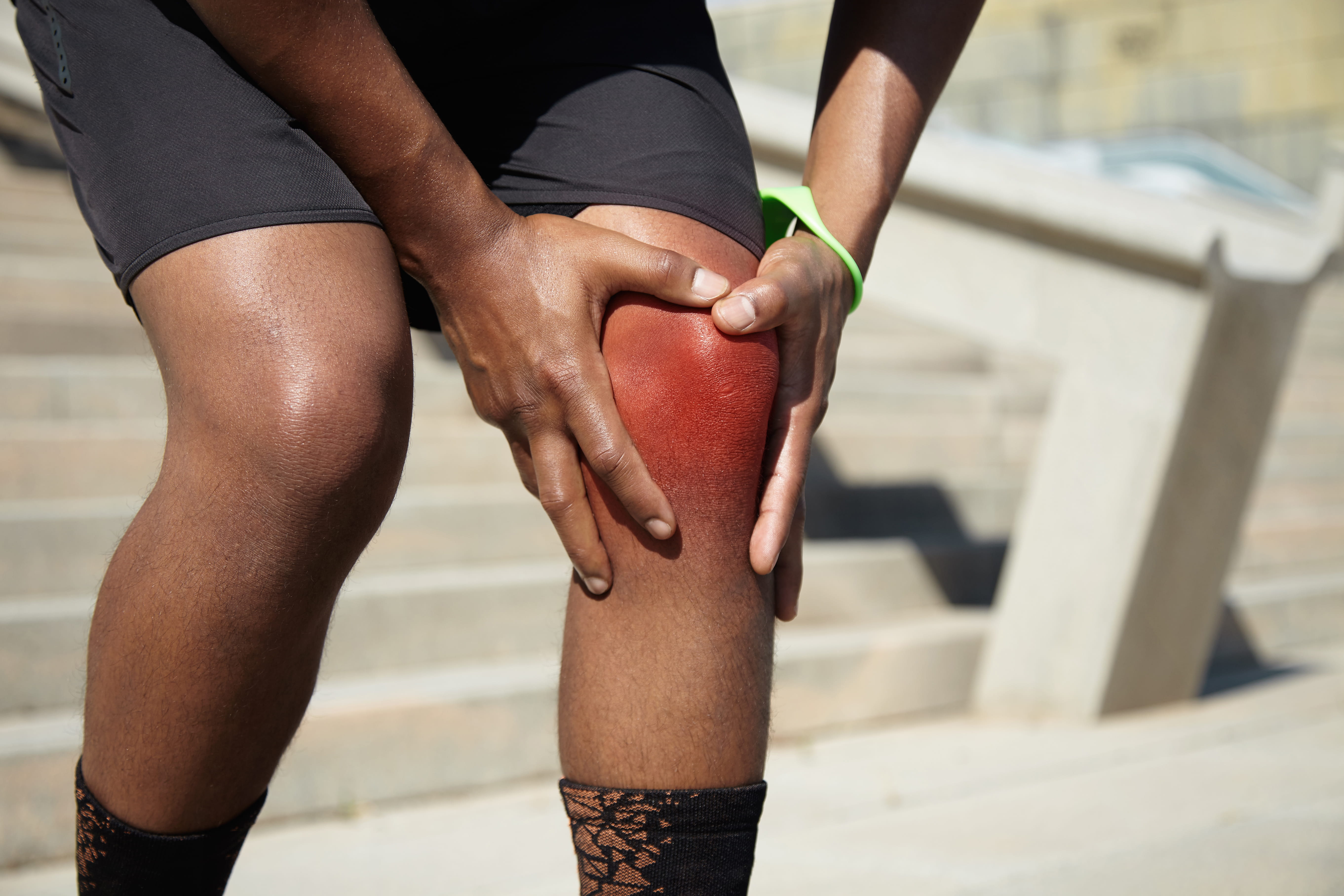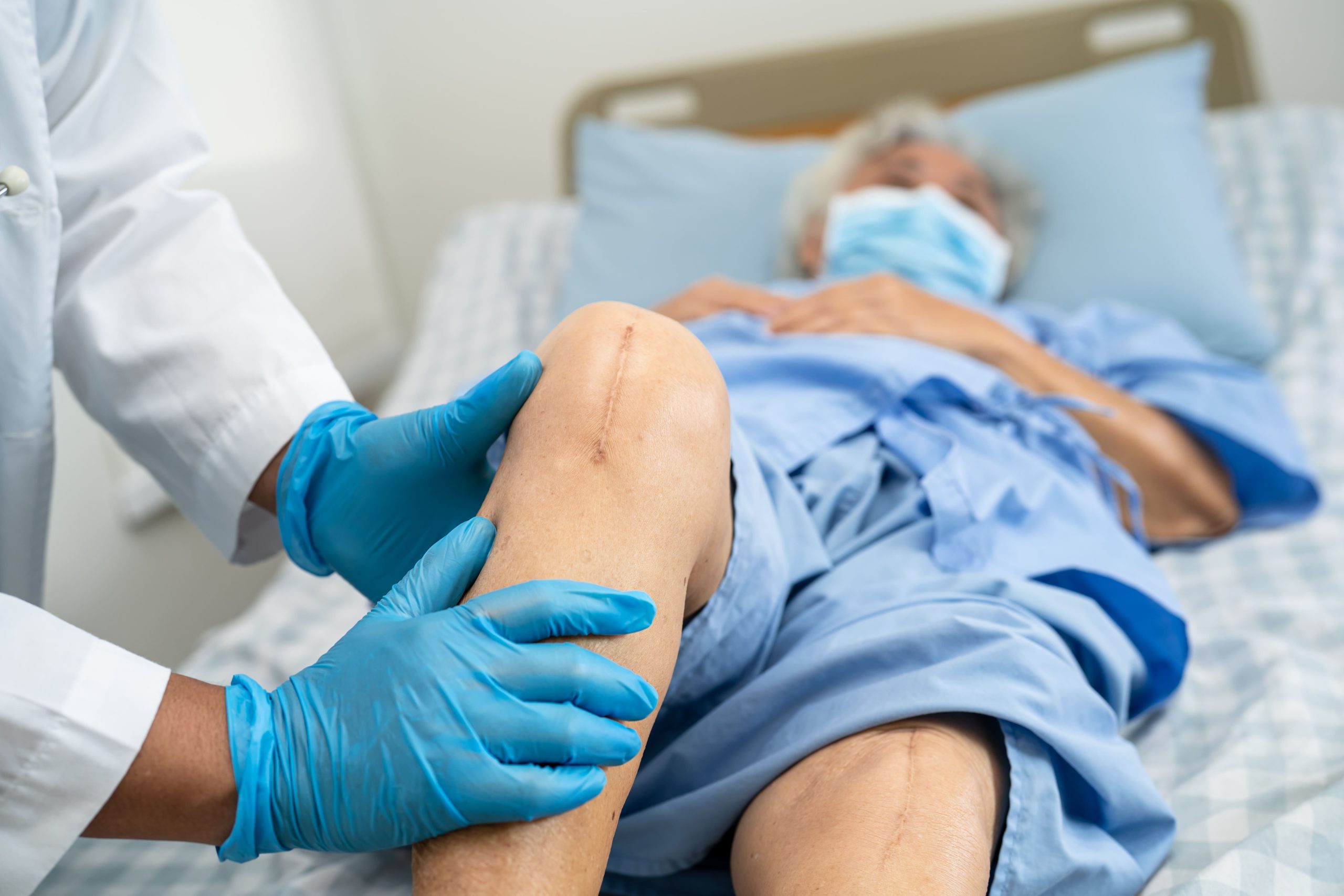

What is Knee Osteoarthritis?
Knee osteoarthritis occurs when cartilage in the knee gradually wears down, leading to pain, stiffness, and limited mobility. While it typically develops with age, it can also result from a previous injury or chronic stress on the joint. The condition advances through stages, from mild to severe, based on the extent of joint damage. Learning about these stages provides insight into the condition’s progression and helps identify the most appropriate treatments.
Stages and Symptoms of Knee Osteoarthritis
Stage 1: Minor Knee Osteoarthritis
There is minimal joint wear, and most people experience little to no pain. The cartilage is still healthy enough to cushion the bones, though small bone spurs may start to form. Symptoms, if present, are usually mild and appear after strenuous activities.
Stage 2: Mild Knee Osteoarthritis
Stage 2 is marked by more noticeable wear on the cartilage, causing mild discomfort, stiffness, and occasional pain, particularly after rest or inactivity. X-rays may show larger bone spurs, though the joint space remains adequate to avoid bone-on-bone contact.
Stage 3: Moderate Knee Osteoarthritis
At this stage, cartilage loss becomes significant, leading to more persistent pain during activities like walking or bending. Symptoms often include joint stiffness, swelling, and grinding sensations. X-rays show reduced joint space and the presence of larger bone spurs. These changes in walking patterns can sometimes place additional strain on the hip joint, which is a common concern for patients who may eventually require hip replacement surgery.
Stage 4: Severe Osteoarthritis
In Stage 4, the cartilage is nearly worn away, leading to constant pain even at rest, along with significant joint stiffness and swelling. Bone-on-bone contact becomes evident on X-rays, and basic activities become increasingly difficult.
Treatment for Knee Osteoarthritis at Different Stages
The treatment approach for knee osteoarthritis is tailored to the specific stage of the condition. As the disease progresses, the focus shifts from preventative measures and symptom management to interventions aimed at relieving pain and improving joint function.
Treatment for Stage 1
In Stage 1, the focus is on preventing further joint damage by managing weight to reduce stress on the knees and engaging in low-impact exercises like swimming or walking to maintain joint flexibility. Simple lifestyle modifications, such as avoiding activities that place excess strain on the knees, can help protect the cartilage and slow the progression of the condition. In certain cases, joint keyhole arthroscopic surgery can be helpful to manage mechanical symptoms.
Treatment for Stage 2
In Stage 2, the goal is to manage symptoms and maintain mobility. Physical therapy is recommended to strengthen muscles around the knee, providing better support. Over-the-counter pain relievers can reduce discomfort, and supplements such as glucosamine and chondroitin may be considered. Continuing low-impact exercises is key to keeping the joint flexible and functional.
Treatment for Stage 3
At Stage 3, more intensive treatments are necessary. This may include prescription medications to manage pain and inflammation, as well as corticosteroid or hyaluronic acid injections to reduce swelling. Braces or assistive devices can help alleviate pressure on the knee, and continued physical therapy focusing on quadriceps and hamstring strengthening can improve joint support and function.
Treatment for Stage 4
With severe joint damage in Stage 4, the focus is on pain relief and restoring mobility. Stronger medications, including opioids, if necessary, and corticosteroid injections are often used to manage pain. In many cases, knee replacement surgery in Singapore becomes the most effective option for improving mobility and reducing discomfort.
Conclusion
Knee osteoarthritis progresses through different stages, from mild discomfort to severe joint damage. Early intervention with lifestyle changes, such as weight management and low-impact exercises, can help slow its progression. As the condition worsens, tailored treatments like physical therapy, medications, and eventually surgery can help manage symptoms and improve mobility. Recognising these stages is key to taking proactive steps in managing knee osteoarthritis effectively.
If you’re experiencing knee pain or stiffness, consult Dr Wang Lushun today for a personalised treatment plan to manage your osteoarthritis and maintain your mobility.