Understanding Knee Bursitis Treatment in Singapore

Dr. Wang Lushun - LS Wang Orthopaedics Clinic

Dr Wang Lushun

Senior Consultant Orthopaedic Surgeon

MBBS (Singapore)

MRCS (Edin)

MMed (Ortho)

FRCS (Ortho) (Edin)

Knee pain and swelling can significantly disrupt daily life, often signalling knee bursitis—a common condition where the small, fluid-filled sacs protecting your joint become inflamed. These bursae normally reduce friction, but irritation or infection can cause considerable discomfort and limit your mobility. Various treatment approaches in Singapore, ranging from conservative management to targeted interventions, can help you return to normal activities. Understanding your diagnostic and care options is the essential first step toward lasting recovery and improved knee function.

Dr. Wang Lushun - LS Wang Orthopaedics Clinic
knee-joint-inflammation-pain-with-sports-shoe-2026-01-11-08-51-01-utc (1) knee-joint-inflammation-pain-with-sports-shoe-2026-01-11-08-51-01-utc (1)

What is Knee Bursitis?

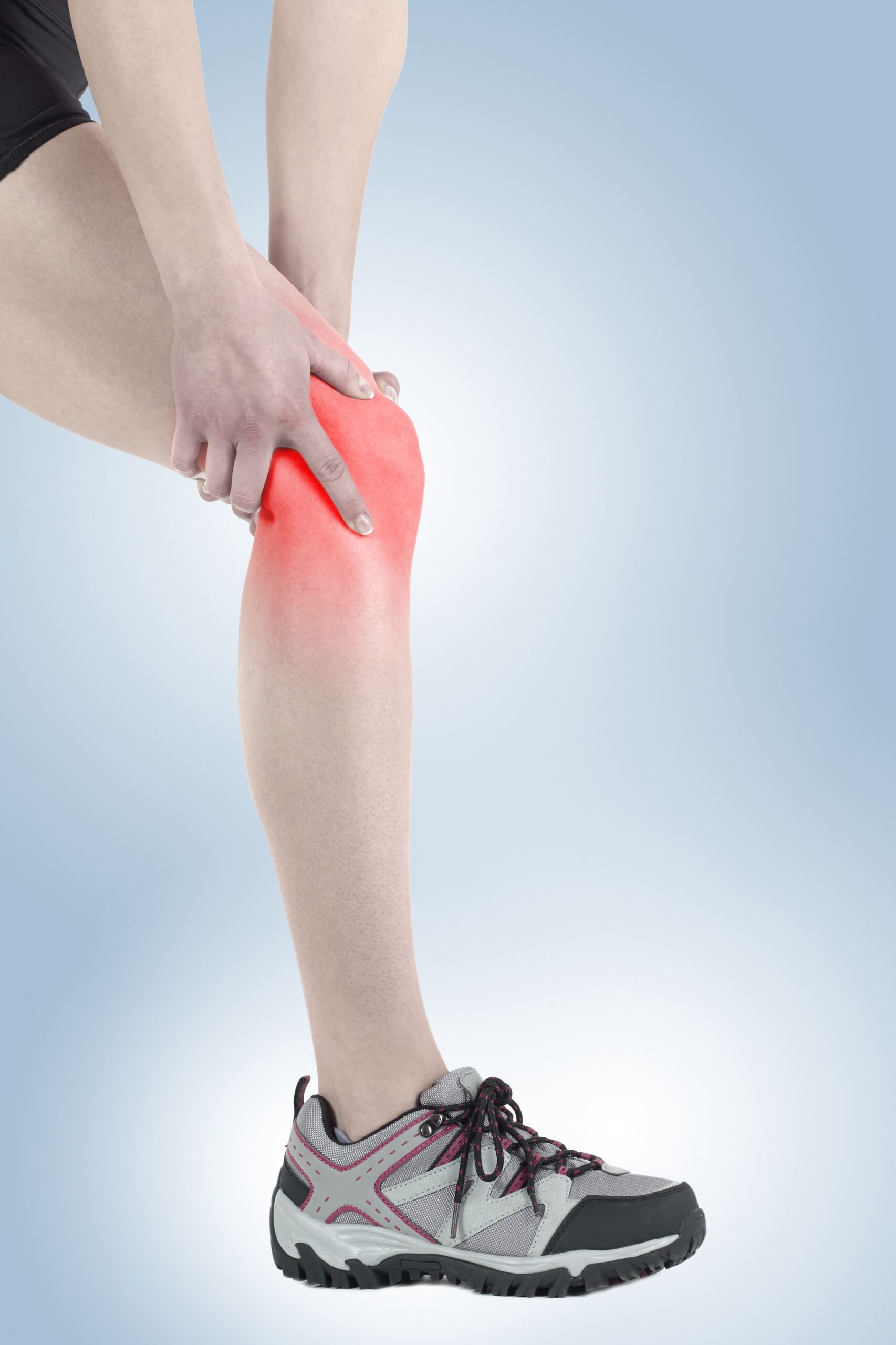
Knee bursitis refers to inflammation of one or more bursae located around the knee joint. The knee contains multiple bursae. The most commonly affected are:

  • The prepatellar bursa (in front of the kneecap)
  • The infrapatellar bursa (below the kneecap)
  • The pes anserine bursa (on the inner side of the knee below the joint)

When these fluid-filled sacs become inflamed, they can swell significantly—sometimes to the size of a golf ball or larger. Inflammation typically results from:

  • Repetitive pressure
  • Direct trauma
  • Infection
  • Underlying inflammatory conditions (such as arthritis or gout)

The condition presents differently depending on which bursa is affected. Prepatellar bursitis, often called “housemaid’s knee,” commonly affects individuals who spend extended periods kneeling. Pes anserine bursitis frequently occurs in runners, swimmers, and those with osteoarthritis. Understanding the specific type of bursitis helps guide appropriate treatment.

Knee bursitis treatment aims to:

  • Reduce inflammation
  • Relieve pain
  • Prevent recurrence
  • Address any underlying causes

Many cases respond well to conservative measures, whilst some situations require more targeted medical intervention.

Ideal Candidates

Knee bursitis treatment is appropriate for individuals experiencing:

  • Visible swelling over or around the kneecap
  • Localised tenderness when touching the affected area
  • Pain that worsens with kneeling, bending, or prolonged standing
  • Warmth or redness around the knee joint
  • Reduced range of motion in the affected knee
  • Difficulty performing daily activities because of knee discomfort
  • Occupational requirements involving repetitive kneeling (construction workers, cleaners, flooring installers)
  • Sports activities that place stress on the knee (running, cycling, football)
  • Previous knee injuries that may have damaged the bursae

Contraindications and Special Considerations

Certain situations require careful evaluation before proceeding with specific treatments:

  • Active skin infections near the treatment site may delay certain procedures
  • Bleeding disorders or anticoagulant medication use (blood thinners) require special precautions for aspiration or injection
  • Septic bursitis (infected bursa) necessitates a different treatment approach, often including antibiotics
  • Underlying autoimmune conditions may affect treatment selection
  • Pregnancy may limit certain medication options
  • Previous allergic reactions to local anaesthetics or corticosteroids

A thorough evaluation by an orthopaedic surgeon (a doctor who specialises in bones, joints, and muscles) can help determine the most appropriate treatment plan. Your specialist will consider your medical history, lifestyle, occupation, and specific symptoms to recommend individualised care.

Treatment Techniques & Approaches

Conservative Management

Many cases of knee bursitis respond well to non-surgical approaches. Initial treatment typically involves the RICE protocol:

  1. Rest
  2. Ice
  3. Compression
  4. Elevation

This can help reduce inflammation and provide symptomatic relief within the first few days.

Activity modification plays a crucial role in recovery. Your orthopaedic surgeon may recommend:

  • Avoiding activities that aggravate your symptoms
  • Using knee pads when kneeling is necessary
  • Gradually returning to normal activities as symptoms improve

Non-steroidal anti-inflammatory medications (NSAIDs—medications that reduce pain and inflammation, such as ibuprofen) may help reduce pain and swelling. You can take these orally or apply them topically, depending on your specific situation and medical history.


Aspiration Procedures

When significant fluid accumulation occurs, your orthopaedic surgeon may recommend aspiration—a procedure where the doctor uses a needle to draw out excess fluid from the swollen bursa. This can provide relief from pressure and discomfort whilst allowing laboratory analysis of the fluid to rule out infection or other conditions.

The procedure is performed under sterile conditions using a needle and syringe. Local anaesthesia (numbing medication) aims to minimise patient discomfort. Aspiration can be performed in the clinic setting and typically takes only a few minutes.

Corticosteroid Injections

For persistent inflammation that doesn’t respond adequately to conservative measures, corticosteroid injections (anti-inflammatory medication injected directly into the affected area) may provide targeted anti-inflammatory effects. The medication is injected directly into the affected bursa, providing localised relief whilst minimising systemic side effects.

These injections are often combined with aspiration. Some patients experience improvement within several days of injection, with effects that may last weeks to months.

Physiotherapy and Rehabilitation

Physical therapy forms an essential component of comprehensive knee bursitis treatment. A structured rehabilitation programme can address muscle imbalances, improve joint mechanics, and strengthen supporting structures to help prevent recurrence.

Your physiotherapist (a healthcare professional who helps restore movement and function) will design exercises targeting:

  • Flexibility
  • Strength
  • Proprioception (joint position awareness)

Manual therapy techniques may also help reduce muscle tension and improve tissue mobility around the knee.

Surgical Intervention

Surgery is rarely required for knee bursitis, but it may be considered when conservative treatments fail to provide adequate relief. Bursectomy—surgical removal of the affected bursa—can be performed through open or arthroscopic techniques.

Arthroscopic bursectomy uses small incisions and a camera to guide the procedure, typically resulting in faster recovery. Open surgical removal may be necessary for certain anatomical locations or when infection is present.

Unsure which treatment approach may suit your condition?

Our Orthopaedic Surgeon will thoroughly evaluate your knee and discuss management options tailored to your specific situation.

The Treatment Process

Pre-Treatment Preparation

Your recovery begins with a detailed clinical assessment to identify the specific bursa affected and any contributing lifestyle factors.

  • Clinical Consultation: Discussion of symptoms, activity triggers, and relevant medical history.
  • Physical Examination: Assessment of swelling location, tenderness, and joint stability.
  • Diagnostic Imaging: X-rays or MRI scans to confirm inflammation and rule out bone issues.
  • Medical Review: Adjustment of medications like blood thinners and review of allergies.
During the Procedure

Most interventions are minimally invasive and performed with precision to ensure maximum comfort and effectiveness.

  • Sterile Preparation: Thorough cleaning of the skin followed by local anaesthesia for numbing.
  • Guided Aspiration: Use of ultrasound to precisely locate and withdraw excess fluid from the bursa.
  • Targeted Injection: Administration of corticosteroid medication into the bursa to suppress inflammation.
  • Surgical Option: Arthroscopic removal of the bursa via small incisions if conservative methods fail.
Immediate Post-Treatment

Aftercare focuses on protecting the joint and managing initial soreness to facilitate a smooth transition to healing.

  • Same-Day Discharge: Most patients return home shortly after clinical injections or arthroscopic surgery.
  • Inflammation Control: Regular application of ice packs and limb elevation for the first 48 hours.
  • Wound Maintenance: Keeping the injection or incision site clean, dry, and protected.
  • Activity Restriction: Avoiding strenuous movement and following specific weight-bearing instructions.

Recovery & Aftercare

Recovery Period What to Expect:
First 24 Hours Rest the affected knee and keep it elevated when sitting or lying down. Apply ice wrapped in a towel for 15-20 minutes every 2-3 hours to manage swelling. Take prescribed pain medications as directed.


Monitor for warning signs requiring immediate medical attention:

  • Increasing redness, warmth, or swelling
  • Fever or chills
  • Pus or unusual discharge from any procedure site
  • Sudden worsening of pain


Gentle movement is encouraged to prevent stiffness, but avoid activities that stress the knee. Use knee pads if any kneeling is absolutely necessary.

First Week Some patients experience improvement within the first week of treatment. Continue icing as needed and take anti-inflammatory medications as prescribed. Gradually increase walking distances as comfort allows.


A follow-up appointment may be scheduled to assess your response to treatment. Your orthopaedic surgeon will evaluate:

  • Swelling reduction
  • Symptom improvement
  • Fluid analysis results if aspiration was performed


Begin prescribed physiotherapy exercises as directed. Initial exercises focus on a gentle range of motion and light stretching. Avoid squatting, kneeling, or high-impact activities during this period.

Long-term Recovery Recovery from knee bursitis typically takes 2-6 weeks, depending on severity and treatment approach. Surgical recovery may extend to 6-8 weeks before returning to full activities.


Physiotherapy continues throughout recovery, progressing from basic exercises to strengthening and sport-specific activities. Your physiotherapist will guide a gradual return to work, exercise, and recreational activities.


Preventive strategies are essential for long-term success:

  • Using appropriate knee protection during activities
  • Maintaining a healthy body weight
  • Addressing any biomechanical issues
  • Recognising early warning signs of recurrence

Our orthopaedic team offers comprehensive support from diagnosis through full rehabilitation.

We aim to deliver positive outcomes with treatment plans tailored specifically to your needs.

Benefits of Knee Bursitis Treatment

Management of knee bursitis may offer several advantages:

Checkmark Icon
Pain relief

Treatment can address the source of inflammation, potentially reducing discomfort

Checkmark Icon
Restored mobility

Decreased swelling may allow improved knee flexion and extension

Checkmark Icon
Return to activities

Treatment aims to enable resumption of work, exercise, and daily tasks

Checkmark Icon
Prevention of complications

Proper management may help prevent chronic bursitis, bursal thickening, and recurrent episodes

Checkmark Icon
Improved sleep quality

Reduced knee pain may allow for more comfortable rest

Checkmark Icon
Exercise tolerance

Treated bursitis may permit maintenance of physical fitness and a healthy weight

Checkmark Icon
Enhanced quality of life

Freedom from knee pain can positively impact overall well-being

Checkmark Icon
Identification of contributing factors

Comprehensive evaluation can address underlying causes to help prevent recurrence

Common Side Effects

All medical treatments carry some degree of risk. Common side effects following aspiration or injection include:

  • Temporary soreness at the procedure site (usually resolves within 24-48 hours)
  • Minor bruising around the injection area
  • Slight swelling that typically subsides quickly
  • Temporary skin colour changes at injection sites
  • Short-term increase in blood sugar levels for diabetic patients following corticosteroid injection

These effects are generally mild and self-limiting, requiring no specific intervention.

Rare Complications

Less common complications may include:

  • Infection at the injection or surgical site (minimised through sterile technique)
  • Allergic reaction to medications or anaesthetic agents
  • Bleeding or haematoma formation (blood collection under the skin, particularly in patients on blood thinners)
  • Tendon weakening with repeated corticosteroid injections
  • Incomplete resolution requiring additional treatment
  • Recurrence despite initial treatment

Surgical bursectomy carries additional risks, including:

  • Wound healing problems
  • Nerve irritation
  • The possibility of further surgery

Your orthopaedic surgeon takes all appropriate precautions to minimise these risks. Proper patient selection, sterile technique, and careful post-procedure monitoring contribute to safe treatment.

doctor-and-patient-doctor-having-a-checkup-with-a-2026-01-09-11-39-49-utc (1) doctor-and-patient-doctor-having-a-checkup-with-a-2026-01-09-11-39-49-utc (1)

Cost Considerations

Several factors influence the cost of knee bursitis treatment in Singapore:

  • Type of treatment: Conservative management costs less than procedural interventions or surgery
  • Diagnostic requirements: Imaging studies and laboratory tests add to overall costs
  • Number of sessions: Some patients require multiple treatments or physiotherapy sessions
  • Surgical complexity: Arthroscopic versus open procedures have different cost structures
  • Facility fees: Treatment setting (clinic versus hospital) affects pricing
  • Specialist fees: Professional charges for consultation and procedures
  • Medications and supplies: Prescriptions, knee braces, or protective equipment

Your orthopaedic clinic will provide a detailed cost estimate following your initial consultation, allowing you to make informed decisions about your care. Some clinics offer payment plans to help manage treatment expenses.

Frequently Asked Questions

How long does knee bursitis take to heal?
Accordion Arrow Icon

Mild cases treated conservatively often improve within 2-3 weeks. Moderate bursitis requiring aspiration or injection typically resolves in 3-6 weeks. Surgical cases may require 6-8 weeks for recovery. Adhering to your treatment plan—including rest, medication, and physiotherapy—supports healing. Recurrent or chronic bursitis may take longer to resolve and requires addressing the underlying contributing factors.

Can I continue exercising with knee bursitis?
Accordion Arrow Icon

You’ll need to modify your activities during treatment. Low-impact exercises that don’t aggravate your knee may be appropriate, such as swimming, upper body workouts, or gentle cycling. Your orthopaedic surgeon and physiotherapist will guide activity modifications specific to your situation. Avoid kneeling, squatting, and high-impact activities until cleared. Gradual return to activity may help prevent recurrence.

What causes knee bursitis to develop?
Accordion Arrow Icon

Knee bursitis can result from various factors. Repetitive pressure or friction from activities such as kneeling, running, or cycling may cause inflammation. Direct trauma to the knee can damage bursae. Underlying conditions, including osteoarthritis, rheumatoid arthritis, or gout, may increase risk. Bacterial infection can cause septic bursitis, requiring prompt treatment. Obesity may place additional stress onthe knee bursae. Identifying and addressing these contributing factors can help prevent recurrence.

Is knee bursitis the same as knee arthritis?
Accordion Arrow Icon

No, these are distinct conditions, though they can occur together. Bursitis involves inflammation of the fluid-filled sacs around the joint, whilst arthritis affects the joint cartilage and bone. Bursitis typically causes localised swelling and tenderness in a specific area, whereas arthritis produces more generalised joint pain and stiffness. Arthritis is usually a chronic, progressive condition, whilst bursitis often resolves with appropriate treatment. Your orthopaedic surgeon can differentiate between these conditions through examination and imaging.

Will I need surgery for knee bursitis?
Accordion Arrow Icon

Many knee bursitis cases resolve without surgery. Conservative treatment—including rest, ice, anti-inflammatory medications, and physiotherapy—may successfully manage numerous cases. Aspiration and corticosteroid injections can address more persistent inflammation. Surgery may be considered for specific cases, such as those that fail to respond to non-surgical treatment after several months, chronic bursitis with thickened bursal walls, or certain septic bursitis cases. Your orthopaedic surgeon will typically explore conservative options before recommending surgical intervention.

Taking Control of Your Knee Health

Knee bursitis treatment in Singapore addresses not only immediate symptoms but also underlying factors that may contribute to the condition. Whether your situation requires simple conservative measures or more targeted intervention, comprehensive care guides you through diagnosis, treatment, and prevention of recurrence.

Don't let knee pain limit your daily life. Early evaluation and appropriate treatment can support positive outcomes and help you get back to doing what you enjoy.

Ready to Take the Next Step?

Our Orthopaedic Surgeon provides thorough evaluations and accurate diagnoses for knee swelling, pain, or limited mobility. We develop personalised treatment plans tailored to your recovery goals. Speak with our team today to explore your options.
Dr. Wang Lushun - LS Wang Orthopaedics Clinic

Dr Wang Lushun

Senior Consultant Orthopaedic Surgeon

MBBS (Singapore)

MRCS (Edin)

MMed (Ortho)

FRCS (Ortho) (Edin)

Internationally Recognised & Double Fellowship-Trained Surgeon With Over 18 Years of Experience

  • Bachelor of Medicine & Bachelor of Surgery (MBBS),
    National University of Singapore
  • Member of The Royal College of Surgeons (MRCS),
    Edinburgh, United Kingdom
  • Master of Medicine in Orthopaedic Surgery (MMed),
    National University of Singapore
  • Fellow of The Royal College of Surgeons in Orthopaedics and Traumatology (FRCS), Edinburgh, United Kingdom

As a Senior Consultant Orthopaedic Surgeon and former Head of the Hip and Knee Division in Ng Teng Fong Hospital, he has won awards for superior patient outcomes (value driven), service quality and enhanced recovery programmes. His patients include current and former national athletes and sporting professionals.

Why Choose

Dr Wang Lushun?

Trusted orthopaedic surgeon

Trusted

Leadership on Orthopaedic Advisory Boards

Skilful orthopaedic surgeon

Skilful

Double Fellowships at Centres of Excellence

Experienced consultant with over 18 years in orthopaedics

Experienced

Senior Consultant with Over 18 Years of Experience

Patient-Centred Orthopaedic Care

We are dedicated to your recovery and well-being. Every patient deserves the freedom that comes with active living. Whether you're an athlete sidelined by an injury or a weekend hobbyist desperate to return to your passion, our mission is to help you regain your mobility and independence.

Patient-Centred Orthopaedic Care
Personalised Approach For Positive Outcomes

Our clinic prioritizes time dedicated to understanding each patient’s injuries and needs. Dr Wang strongly believes that personalised care & patient management will lead to better outcomes & positive experiences.

Patient-Centred Orthopaedic Care
Minimally Invasive Techniques For Faster Recovery

Dr Wang’s extensive experience with minimally invasive procedures allows for less scarring, lower risk of complications and faster recovery compared to traditional surgical methods.

Patient-Centred Orthopaedic Care
Aftercare Focused On Restoring Mobility & Well-Being

As an avid sportsperson, Dr Wang understands the time and patience required to regain mobility and return to active living. After your procedure is completed, Dr Wang will make sure your recovery is smooth and comfortable.

Insurance

Great Eastern Insurance Aviva Insurance Prudential Insurance AXA Insurance AIA Insurance NTUC Income insurance

We accept all patients, with or without insurance plans. Additionally, we are on the specialist panels of these Health Networks/Insurance Plans. Please contact us if you have any queries and we will be happy to assist you in checking with your insurance provider.

Our Clinic Locations

lswang-homepage-desktop-contact-icon1-1
3 Mount Elizabeth, #13-14
Mount Elizabeth Medical Centre
Singapore 228510
lswang-homepage-desktop-contact-icon1-1
820 Thomson Road, Mount Alvernia Hospital, #05-51, Medical Centre D, Singapore 574623

    Full Name*

    Condition

    Your Message*

    For Faster Response, WhatsApp Us!

    8772‎ 6928