Understanding Knee Synovitis Treatment in Singapore

Dr. Wang Lushun - LS Wang Orthopaedics Clinic

Dr Wang Lushun

Senior Consultant Orthopaedic Surgeon

MBBS (Singapore)

MRCS (Edin)

MMed (Ortho)

FRCS (Ortho) (Edin)

Persistent knee pain, swelling, or stiffness can make simple tasks like walking or climbing stairs difficult. These symptoms often signal synovitis—inflammation of the membrane lining your knee joint. Knee synovitis is treatable. In Singapore, patients have access to comprehensive diagnostic and management options that address both the immediate discomfort and the underlying causes, whether they stem from injury, arthritis, or wear and tear. Seeking early care is the first step toward restoring knee function and comfort.

Dr. Wang Lushun - LS Wang Orthopaedics Clinic
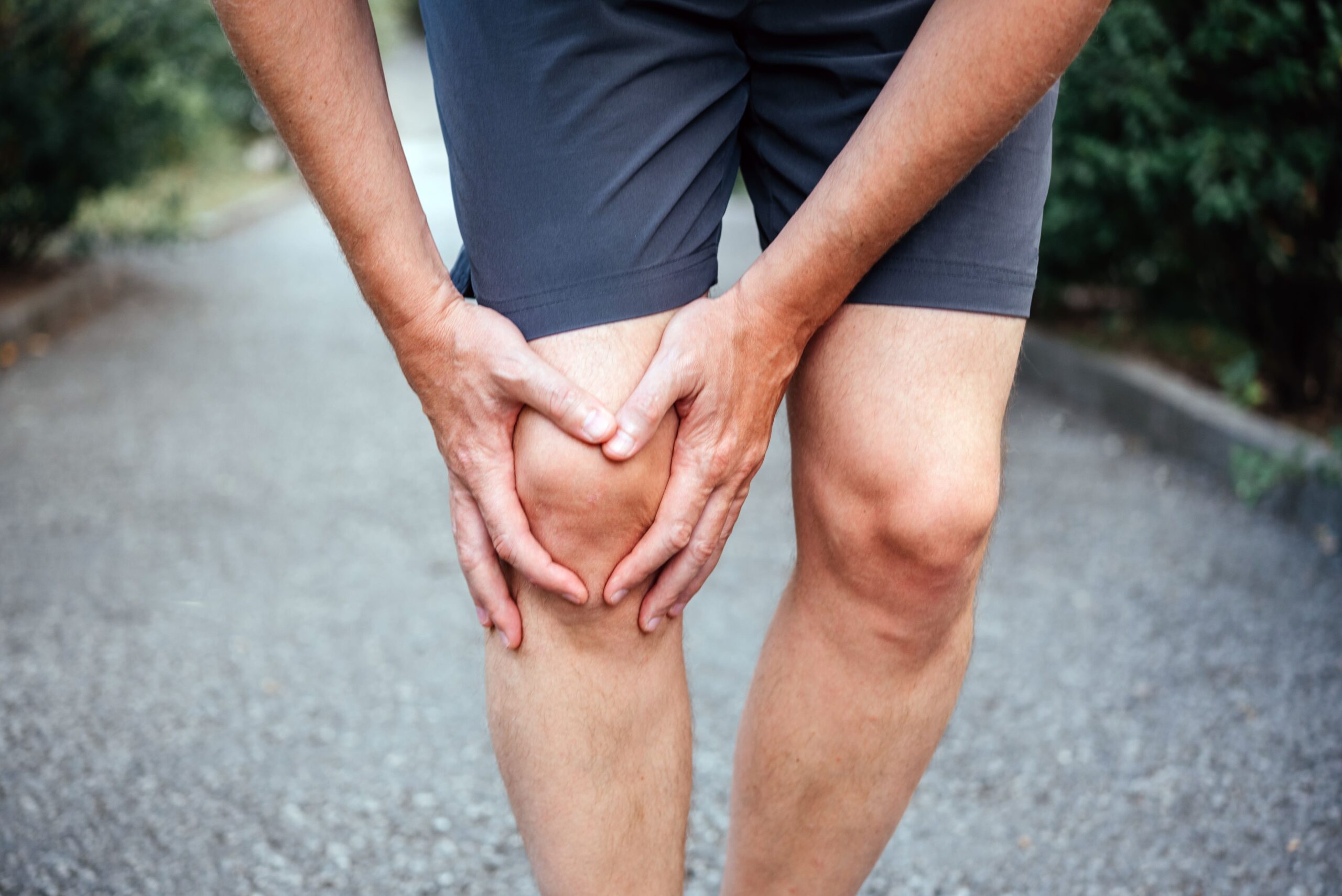
man-holding-knee-with-two-hands-outdoors-2026-03-09-05-15-47-utc (1) man-holding-knee-with-two-hands-outdoors-2026-03-09-05-15-47-utc (1)

What is Knee Synovitis?

Knee synovitis is inflammation of the synovial membrane, the thin tissue lining the inside of your knee joint capsule. Normally, this membrane produces synovial fluid—a lubricating substance that helps your knee move smoothly and nourishes the cartilage. When the synovium becomes inflamed, it produces excess fluid and thickens, leading to swelling, pain, and restricted movement.


The condition can affect one or both knees and may develop suddenly or gradually. Acute synovitis often results from injury or infection. Chronic synovitis typically accompanies conditions like:

  • Rheumatoid arthritis (an autoimmune disease where the body’s immune system attacks the joints)
  • Osteoarthritis (wear-and-tear damage to joint cartilage)


The inflammation triggers a cycle where the swollen synovium produces more fluid, which further irritates the joint and perpetuates discomfort.


Knee synovitis treatment in Singapore focuses on reducing inflammation, managing pain, and addressing the root cause to help prevent recurrence. Left untreated, persistent synovitis can damage the cartilage and other joint structures, potentially leading to long-term joint problems. Early intervention may support better outcomes and preservation of knee function.


Ideal Candidates

Treatment for knee synovitis may be appropriate if you’re experiencing:

  • Persistent knee swelling that doesn’t resolve with rest
  • Pain and stiffness affecting daily activities or sleep
  • Warmth and tenderness around the knee joint
  • Reduced range of motion in the affected knee
  • Symptoms lasting more than a few days despite home care
  • Recurrent episodes of knee swelling and discomfort
  • Underlying inflammatory conditions requiring management
  • Synovitis confirmed through clinical examination or imaging (such as ultrasound or MRI scans showing inflamed tissue)

Patients of various ages may benefit, from young adults with sports-related synovitis to older individuals with arthritis-associated inflammation. Those committed to following treatment recommendations and attending follow-up appointments typically achieve better results.

Contraindications

Certain situations may require modified treatment approaches or additional evaluation:

  • Active infection in or around the knee joint (requires urgent assessment)
  • Bleeding disorders affecting injection-based treatments
  • Allergies to specific medications used in treatment
  • Pregnancy or breastfeeding (some medications require adjustment)
  • Severe kidney or liver disease affecting medication choices
  • Skin conditions at potential injection sites
  • Uncontrolled diabetes (may affect healing and infection risk)

A thorough assessment by an orthopaedic surgeon is essential before beginning treatment. This evaluation helps ensure the chosen approach is appropriate for your specific situation, taking into account your medical history, current health status, and the underlying cause of your synovitis.

Treatment Techniques & Approaches

Conservative Management

Initial treatment typically begins with conservative measures:

  • Rest and activity modification to reduce stress on the inflamed joint
  • Ice application to control swelling
  • Compression bandages for support
  • Elevation of the affected leg to assist with fluid drainage

Non-steroidal anti-inflammatory drugs (NSAIDs)—medications that reduce inflammation and pain—form a cornerstone of conservative treatment. These may be taken orally or applied topically. Physical therapy exercises help maintain joint mobility and strengthen supporting muscles without aggravating inflammation.

Injection Therapies

When conservative measures provide insufficient relief, injection therapies offer targeted treatment directly to the affected joint.

Corticosteroid injections delivered into the knee joint may help reduce swelling and pain. These injections typically take effect within days and may provide relief lasting several weeks to months.

Hyaluronic acid injections (viscosupplementation) may be considered for patients with synovitis associated with osteoarthritis. This treatment supplements the natural joint fluid, potentially improving lubrication and reducing inflammation. The approach involves a series of injections administered over several weeks.

Aspiration Procedures

Joint aspiration (arthrocentesis)—removing excess fluid from the knee using a needle and syringe—serves both diagnostic and therapeutic purposes. Aspiration may provide relief from pressure and discomfort whilst allowing laboratory analysis of the fluid to identify infection, crystals, or other causes.

The procedure is performed under local anaesthesia (numbing medication) and typically takes only a few minutes. Aspiration may be combined with corticosteroid injection to help reduce the likelihood of rapid fluid reaccumulation.

Arthroscopic Synovectomy

For patients with chronic or severe synovitis that doesn’t respond adequately to other treatments, arthroscopic synovectomy offers a surgical option. This minimally invasive procedure involves inserting a small camera (arthroscope) and instruments through tiny incisions to remove the inflamed synovial tissue.

Arthroscopic synovectomy may be beneficial for patients with rheumatoid arthritis or other inflammatory conditions causing persistent synovitis. By removing the diseased tissue, the procedure may help interrupt the inflammatory cycle.

Technology & Equipment Used

Modern knee synovitis treatment utilises established diagnostic and therapeutic technologies:

  • Ultrasound imaging (which uses sound waves to create pictures of the inside of your knee) allows real-time visualisation during aspiration and injection procedures, improving accuracy.
  • MRI scanning (a type of scan that uses magnets and radio waves to create detailed images) provides detailed images of the synovium and surrounding structures, helping identify the extent of inflammation and any associated damage.
  • Arthroscopic equipment enables minimally invasive surgical intervention with smaller incisions, reduced tissue trauma, and faster recovery compared to traditional open surgery.
  • Radiofrequency devices (instruments that use heat energy) may be used during arthroscopy to precisely remove inflamed tissue whilst minimising bleeding.

Wondering which treatment approach may be right for you?

Consult with an orthopaedic surgeon to evaluate your specific needs and discuss treatment options based on the cause and severity of your synovitis.

The Treatment Process

Pre-Treatment Preparation

Your treatment journey begins with a comprehensive consultation. During this appointment, your orthopaedic surgeon will review your medical history, discuss your symptoms, and perform a physical examination of your knee. Be prepared to describe when your symptoms started, what makes them better or worse, and any previous treatments you’ve tried.

Your surgeon may order diagnostic tests to confirm synovitis and identify its cause:

  • Blood tests (samples taken from a vein) to check for inflammatory markers and rule out infection or autoimmune conditions
  • Imaging studies such as X-rays, ultrasound, or MRI to visualise the extent of inflammation and assess joint structures

During the Procedure

For injection or aspiration procedures:

  1. You’ll be positioned comfortably
  2. The surgical team will clean the knee area thoroughly
  3. Local anaesthesia numbs the skin and underlying tissue
  4. Using ultrasound guidance when needed, your surgeon inserts a needle into the joint space
  5. For aspiration, fluid is withdrawn; for injections, medication is administered

The entire process usually takes only a few minutes.

For arthroscopic synovectomy:

  1. The procedure is performed in an operating theatre under regional or general anaesthesia
  2. Your surgeon makes a few small incisions around the knee
  3. The arthroscope is inserted to visualise the joint
  4. Specialised instruments remove the inflamed synovial tissue
  5. The procedure typically takes 45-90 minutes, depending on the extent of the disease

Throughout any procedure, your comfort remains a priority. The medical team continuously monitors you, and additional numbing medication can be provided if needed during office-based procedures.

Immediate Post-Treatment

Most patients return home the same day, whether they’ve undergone a quick clinic-based injection or a minimally invasive arthroscopic procedure. Following a brief observation period, you will receive specific instructions on wound care, pain management, and activity restrictions to ensure a smooth recovery.

  • Rest and Elevation: Keep the knee raised and rest for the remainder of the day to reduce pressure.
  • Ice Application: Apply cold packs to the site for 15–20 minutes to manage temporary swelling or discomfort.
  • Wound Care: Maintain clean, dry dressings and follow specific instructions for any minor incisions.
  • Mobility Support: Use crutches as recommended by your surgeon to minimise joint stress during the first few days.
  • Pain Management: Take prescribed or over-the-counter medications as directed to help prevent post-procedure soreness.

Recovery and Aftercare

First 24-48 Hours

The immediate focus is on managing inflammation and allowing the joint to rest following your procedure.

  • Prioritise R.I.C.E.: Keep the knee elevated and apply ice packs for 15–20 minutes every few hours to minimise swelling.
  • Manage Discomfort: Take prescribed medications on a schedule to stay ahead of pain rather than waiting for it to become severe.
  • Monitor for Red Flags: Contact your surgeon immediately if you experience fever, calf pain, or increasing redness and drainage from incision sites.
First Week

As the initial flare-up subsides, you will begin transitioning back to light daily movements and attending follow-up care.

  • Activity Resumption: Most non-surgical patients can return to daily routines, though high-impact exercise must be avoided until cleared.
  • Clinical Review: Attend your follow-up appointment for wound inspection, suture removal if necessary, and progress assessment.
  • Early Rehabilitation: Start gentle range-of-motion or physical therapy exercises to restore flexibility and prevent joint stiffness.
Long-term Recovery

Full recovery involves strengthening the joint and managing any chronic underlying conditions to prevent recurrence.

  • Extended Timelines: Expect injection benefits to peak within two weeks, while surgical recovery typically takes 4–6 weeks for daily tasks and 3–6 months for full activity.
  • Targeted Strengthening: Commit to a physical therapy program focused on building the muscles around the knee to support the joint.
  • Lifestyle Maintenance: Manage long-term health through weight control, low-impact exercises like swimming, and adherence to any prescribed inflammatory medications.

Orthopaedic surgeons can provide post-treatment support to assist with recovery.

Schedule a consultation to learn more about what to expect.

Benefits of Knee Synovitis Treatment

Treatment for knee synovitis may offer advantages:

Checkmark Icon
Pain relief

Reduction in constant aching and sharp pains that accompany inflammation

Checkmark Icon
Decreased swelling

Reduction in knee puffiness and fluid accumulation

Checkmark Icon
Improved mobility

Support for the ability to bend and straighten the knee

Checkmark Icon
Better function

Support for return to daily activities, work, and recreational pursuits

Checkmark Icon
Enhanced sleep

Less night-time discomfort disrupting rest

Checkmark Icon
Prevention of joint damage

Addressing inflammation before it harms cartilage and bone

Checkmark Icon
Diagnostic clarity

Identification of underlying conditions through fluid analysis

Checkmark Icon
Reduced medication dependence

Potential for less need for ongoing pain relievers

Checkmark Icon
Improved quality of life

Ability to participate in activities previously limited by knee problems

Common Side Effects

After injection procedures, you may experience:

  • Mild pain or discomfort at the injection site lasting 1-2 days
  • Temporary increase in swelling (post-injection flare)
  • Minor bruising around the knee
  • Facial flushing or warmth (with corticosteroid injections)

These effects typically resolve without intervention. Ice application and over-the-counter pain relievers can help manage temporary discomfort.

Following arthroscopic synovectomy, common post-operative experiences include:

  • Swelling and bruising around the incision sites
  • Stiffness that may improve with physical therapy
  • Mild to moderate pain requiring pain medication
  • Temporary weakness in the leg

Cost Considerations

The cost of knee synovitis treatment in Singapore varies based on several factors:

  • Type of treatment: Conservative management costs less than injections, which cost less than surgery
  • Number of sessions: Some patients require multiple injections or therapy visits
  • Diagnostic tests: Imaging studies and laboratory tests contribute to overall costs
  • Surgical factors: Operating theatre fees, anaesthesia, and surgical supplies for procedures
  • Rehabilitation: Physical therapy sessions during recovery
  • Follow-up care: Ongoing appointments and monitoring

Treatment costs typically include the surgeon’s professional fees, facility charges, and any materials or medications used. For surgical procedures, anaesthesia fees are additional.

Frequently Asked Questions

How long does knee synovitis last without treatment?
Accordion Arrow Icon

The duration depends on its cause. Acute synovitis from minor injury may resolve within a few weeks with rest alone. Synovitis related to underlying conditions like arthritis often persists or worsens without proper treatment. Chronic inflammation can last months to years and may cause progressive joint damage. Early evaluation and appropriate treatment may support better outcomes.

Can knee synovitis come back after treatment?
Accordion Arrow Icon

Yes, synovitis can recur, particularly if the underlying cause isn’t adequately addressed. For patients with inflammatory arthritis, managing the systemic condition is essential for helping prevent repeated episodes. Those with synovitis from overuse or injury may experience recurrence if they return to aggravating activities too quickly. Working closely with your orthopaedic surgeon to identify and address contributing factors may help reduce recurrence likelihood.

How quickly will I feel better after a cortisone injection?
Accordion Arrow Icon

Response times vary. Most patients notice improvement within 2-7 days after a corticosteroid injection. Some experience relief within 24-48 hours. Occasionally, patients have a temporary flare of symptoms for 1-2 days before improvement begins. The anti-inflammatory effects typically peak at 1-2 weeks and can last 6-12 weeks or longer.

Is knee synovitis the same as arthritis?
Accordion Arrow Icon

No. Synovitis specifically refers to inflammation of the synovial membrane lining the joint. Arthritis is a broader term describing joint disease that may include cartilage damage, bone changes, and synovitis. Many types of arthritis—including rheumatoid arthritis and osteoarthritis—commonly cause secondary synovitis. Treatment often addresses both the synovitis and the underlying arthritic condition.

How many injections can I have in my knee?
Accordion Arrow Icon

There isn’t a strict limit. Most orthopaedic surgeons recommend limiting corticosteroid injections to several per year in the same joint. Frequent steroid injections may potentially affect cartilage and soft tissues over time. If you require frequent injections for symptom control, your surgeon may discuss alternative treatments such as hyaluronic acid injections, physical therapy intensification, or surgical options like synovectomy.

What activities should I avoid with knee synovitis?
Accordion Arrow Icon

During active synovitis, avoid high-impact activities that stress the knee:

  • Running, jumping, and heavy lifting
  • Deep squatting and prolonged kneeling
  • Activities involving sudden direction changes (like tennis or basketball)

Low-impact exercises such as swimming, cycling, and walking are generally well-tolerated and help maintain fitness during recovery. Your orthopaedic surgeon or physiotherapist can provide personalised guidance on safe activities.

Will I need surgery for knee synovitis?
Accordion Arrow Icon

Most cases respond to conservative treatment and injections, making surgery unnecessary. Arthroscopic synovectomy is typically reserved for patients with chronic synovitis that hasn’t improved adequately with other treatments, particularly those with inflammatory arthritis. Your orthopaedic surgeon will recommend surgery only if less invasive options have been tried and found insufficient.

Can I prevent knee synovitis from developing?
Accordion Arrow Icon

Whilst not all causes are preventable, certain measures may reduce risk:

  • Maintain a healthy weight to decrease stress on knee joints
  • Warm up properly before exercise and use correct technique during sports
  • If you have inflammatory arthritis, adhere to prescribed medications to help control disease activity
  • Promptly treat knee injuries
  • Avoid repetitive stress on the joints

Conclusion

Knee synovitis, whilst uncomfortable and limiting, can be managed with appropriate treatment. From conservative approaches, including rest and anti-inflammatory medications to injection therapies and minimally invasive surgery, options exist for patients at every stage of this condition. The key lies in accurate diagnosis, identification of underlying causes, and a personalised treatment plan developed with your orthopaedic surgeon.

Ready to Take the Next Step?

If you have symptoms of knee synovitis, our Senior Consultant Orthopaedic Surgeon can provide a comprehensive evaluation and a personalised management plan tailored to your specific recovery goals.
Dr. Wang Lushun - LS Wang Orthopaedics Clinic

Dr Wang Lushun

Senior Consultant Orthopaedic Surgeon

MBBS (Singapore)

MRCS (Edin)

MMed (Ortho)

FRCS (Ortho) (Edin)

Internationally Recognised & Double Fellowship-Trained Surgeon With Over 18 Years of Experience

  • Bachelor of Medicine & Bachelor of Surgery (MBBS),
    National University of Singapore
  • Member of The Royal College of Surgeons (MRCS),
    Edinburgh, United Kingdom
  • Master of Medicine in Orthopaedic Surgery (MMed),
    National University of Singapore
  • Fellow of The Royal College of Surgeons in Orthopaedics and Traumatology (FRCS), Edinburgh, United Kingdom

As a Senior Consultant Orthopaedic Surgeon and former Head of the Hip and Knee Division in Ng Teng Fong Hospital, he has won awards for superior patient outcomes (value driven), service quality and enhanced recovery programmes. His patients include current and former national athletes and sporting professionals.

Why Choose

Dr Wang Lushun?

Trusted orthopaedic surgeon

Trusted

Leadership on Orthopaedic Advisory Boards

Skilful orthopaedic surgeon

Skilful

Double Fellowships at Centres of Excellence

Experienced consultant with over 18 years in orthopaedics

Experienced

Senior Consultant with Over 18 Years of Experience

Patient-Centred Orthopaedic Care

We are dedicated to your recovery and well-being. Every patient deserves the freedom that comes with active living. Whether you're an athlete sidelined by an injury or a weekend hobbyist desperate to return to your passion, our mission is to help you regain your mobility and independence.

Patient-Centred Orthopaedic Care
Personalised Approach For Positive Outcomes

Our clinic prioritizes time dedicated to understanding each patient’s injuries and needs. Dr Wang strongly believes that personalised care & patient management will lead to better outcomes & positive experiences.

Patient-Centred Orthopaedic Care
Minimally Invasive Techniques For Faster Recovery

Dr Wang’s extensive experience with minimally invasive procedures allows for less scarring, lower risk of complications and faster recovery compared to traditional surgical methods.

Patient-Centred Orthopaedic Care
Aftercare Focused On Restoring Mobility & Well-Being

As an avid sportsperson, Dr Wang understands the time and patience required to regain mobility and return to active living. After your procedure is completed, Dr Wang will make sure your recovery is smooth and comfortable.

Insurance

Great Eastern Insurance Aviva Insurance Prudential Insurance AXA Insurance AIA Insurance NTUC Income insurance

We accept all patients, with or without insurance plans. Additionally, we are on the specialist panels of these Health Networks/Insurance Plans. Please contact us if you have any queries and we will be happy to assist you in checking with your insurance provider.

Our Clinic Locations

lswang-homepage-desktop-contact-icon1-1
3 Mount Elizabeth, #13-14
Mount Elizabeth Medical Centre
Singapore 228510
lswang-homepage-desktop-contact-icon1-1
820 Thomson Road, Mount Alvernia Hospital, #05-51, Medical Centre D, Singapore 574623

    Full Name*

    Condition

    Your Message*

    For Faster Response, WhatsApp Us!

    8772‎ 6928