Knee Cartilage Regeneration Treatment in Singapore: A Comprehensive Guide

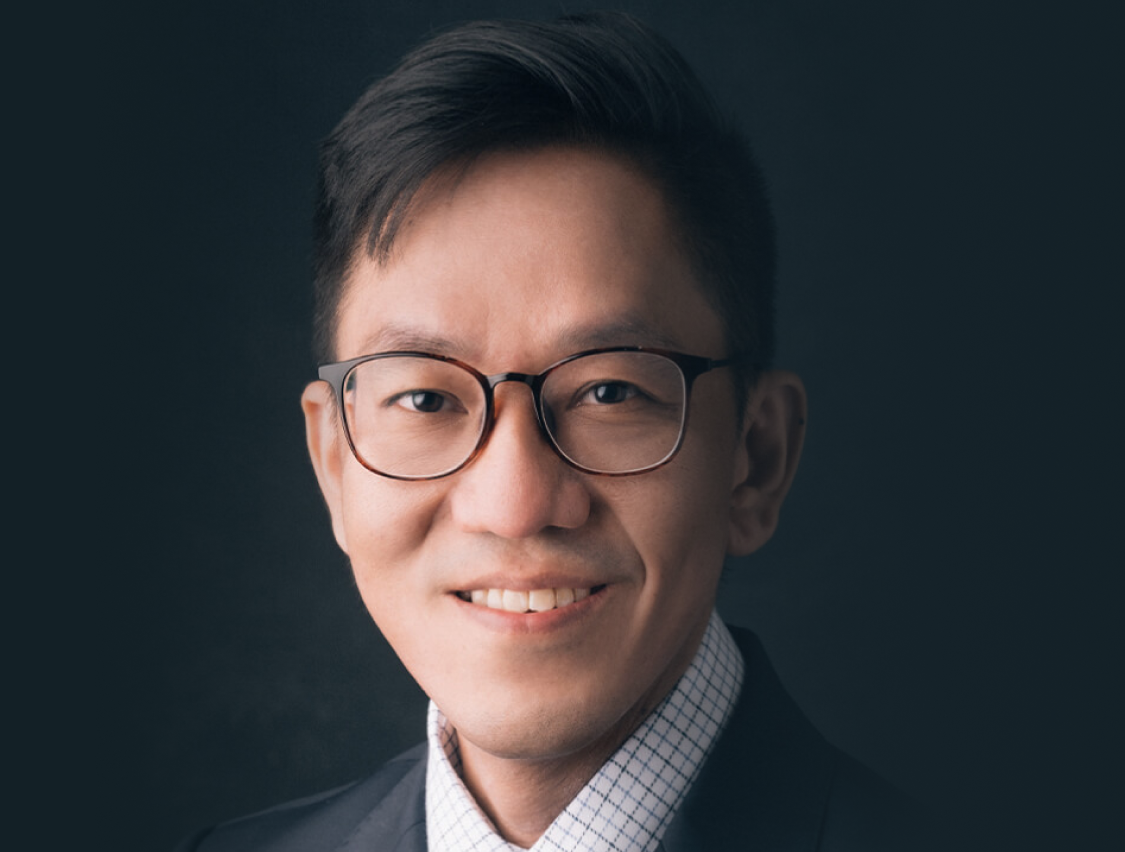
Dr. Wang Lushun - LS Wang Orthopaedics Clinic

Dr Wang Lushun

Senior Consultant Orthopaedic Surgeon

MBBS (Singapore)

MRCS (Edin)

MMed (Ortho)

FRCS (Ortho) (Edin)

Persistent knee pain from cartilage damage can significantly hinder your daily activities and quality of life. Knee cartilage regeneration offers a specialised approach to repair or restore the protective cushioning in your joint, potentially avoiding more invasive procedures. This guide outlines the various techniques available in Singapore to help you regain mobility and determine if these treatments are right for you.

Dr. Wang Lushun - LS Wang Orthopaedics Clinic
a-male-doctor-in-leather-works-at-the-table-in-the-2026-01-08-01-21-27-utc a-male-doctor-in-leather-works-at-the-table-in-the-2026-01-08-01-21-27-utc

What is Knee Cartilage Regeneration?

Knee cartilage regeneration refers to a group of surgical and biological treatments aimed at repairing, restoring, or stimulating the growth of new cartilage tissue in the knee joint. Articular cartilage, the smooth, white tissue covering the ends of bones where they meet to form a joint, has limited natural healing ability due to its lack of blood supply. When damaged, it rarely repairs itself adequately, often leading to progressive joint deterioration.


These regenerative procedures work through several mechanisms:

  • Transplanting healthy cartilage cells
  • Stimulating the body’s own repair mechanisms
  • Using biological scaffolds (structural support materials) to encourage new tissue growth


The goal is to create durable, functional cartilage that restores smooth joint movement and protects the underlying bone.

Knee cartilage regeneration treatment addresses various conditions:

  • Focal cartilage defects (isolated areas of damage)
  • Osteochondritis dissecans (a condition where cartilage and underlying bone separate from the joint surface)
  • Traumatic cartilage injuries from sports or accidents


Unlike joint replacement surgery, these procedures aim to preserve the natural knee structure, making them particularly relevant for younger, active patients.


The effectiveness of cartilage regeneration depends on several factors, including defect size, location, patient age, and overall joint health. Your doctor can provide personalised recommendations based on your specific condition and circumstances. When performed on appropriate candidates, these treatments may provide lasting improvement in knee function and pain relief.


Ideal Candidates

Successful outcomes from knee cartilage regeneration depend significantly on proper patient selection. The following characteristics indicate good candidacy:

  • Age range: Your orthopaedic surgeon will assess your individual suitability based on various factors.
  • Isolated cartilage defects: Damage limited to specific areas rather than widespread degeneration
  • Healthy surrounding cartilage: The rest of the knee joint remains in good condition
  • Stable knee joint: No significant ligament instability or untreated ligament injuries
  • Proper alignment: Normal or correctable knee alignment (not severely bow-legged or knock-kneed)
  • Healthy body weight: BMI within an acceptable range to reduce joint stress
  • Commitment to rehabilitation: Willingness to follow post-operative protocols diligently
  • Non-smoker or willing to quit: Smoking impairs tissue healing significantly
  • Realistic expectations: Understanding that recovery takes time and outcomes differ amongst patients

Contraindications

Certain conditions may preclude cartilage regeneration procedures or require alternative treatments:

  • Widespread cartilage damage: Cartilage loss throughout multiple areas of the joint rather than one specific location
  • Inflammatory arthritis: Conditions like rheumatoid arthritis (where the body’s immune system attacks the joints) affecting the knee
  • Severe malalignment: Significant bow-leg or knock-knee deformity without correction
  • Untreated ligament instability: An unstable knee that hasn’t been addressed
  • Active infection: Any current infection in the knee or elsewhere in the body
  • Poor bone quality: Significant osteoporosis (weakened, porous bones) affecting the knee
  • Certain medical conditions: Uncontrolled diabetes, autoimmune disorders (where the immune system attacks healthy tissues), or bleeding disorders
  • Inability to comply with rehabilitation: Circumstances preventing proper post-operative care

A thorough evaluation by an orthopaedic surgeon is important for determining your suitability. Your surgeon can develop personalised treatment recommendations based on your specific medical history, physical condition, and activity goals. This assessment typically includes:

  • A physical examination
  • Imaging studies (such as X-rays or MRIs)
  • A discussion of your medical history, activity goals, and expectations

Speak with your orthopaedic surgeon to explore whether knee cartilage regeneration may be right for you.

Treatment Techniques & Approaches

Knee cartilage regeneration in Singapore encompasses several established techniques, each suited to different types and sizes of cartilage defects.

Microfracture Surgery

Microfracture is a routine cartilage repair procedure. During this arthroscopic (keyhole) surgery, the surgeon creates small holes in the exposed bone beneath the cartilage defect, stimulating bleeding and allowing bone marrow cells to migrate into the damaged area, forming a clot that eventually develops into fibrocartilage—a repair tissue that provides functional coverage.

This technique works well for smaller defects in patients with otherwise healthy knees. The procedure is relatively straightforward with a shorter operative time. The resulting fibrocartilage is not identical to native hyaline cartilage (the smooth, durable cartilage that naturally covers joint surfaces) and may be less durable for high-demand activities.

Autologous Chondrocyte Implantation (ACI)

ACI is a two-stage procedure for larger cartilage defects. In the first stage, healthy cartilage cells (chondrocytes) are harvested from a non-weight-bearing area of your knee through arthroscopy (a minimally invasive procedure using a small camera). These cells are then cultured in a laboratory over several weeks to multiply their numbers.

In the second stage, the expanded cells are implanted into the defect site, either under a patch of tissue or within a collagen membrane (matrix-assisted ACI or MACI). This technique can produce hyaline-like cartilage and is suitable for larger defects. The two-surgery requirement and longer overall timeline are considerations for patients.

Osteochondral Autograft Transfer (OATS/Mosaicplasty)

This technique involves transplanting plugs of healthy cartilage and underlying bone from a non-weight-bearing area of your knee to the damaged site. Multiple plugs may be used in a “mosaic” pattern for larger defects.

OATS can be effective for small to medium defects and provides immediate structural cartilage replacement. Donor site availability limits the treatable defect size, and some patients experience discomfort at the harvest site.

Osteochondral Allograft Transplantation

For larger defects or when donor tissue from the patient’s own knee is insufficient, fresh cartilage and bone from a tissue donor (allograft) may be used. This technique can address substantial defects and provide mature, functional cartilage immediately.

The procedure requires careful tissue matching and relies on tissue bank availability. Fresh allografts (donated tissue from another person) maintain better cell viability than frozen tissue.

Technology & Equipment Used

Cartilage regeneration procedures utilise modern technologies, including:

  • High-definition arthroscopic systems for visualisation
  • Specialised instruments for precise tissue preparation
  • Validated cell culture techniques for ACI procedures

Some centres employ biological scaffolds (supportive structures that help new tissue grow) and growth factors (natural proteins that stimulate healing) to support tissue regeneration.

Wondering which approach is right for you?

Our orthopaedic surgeon can evaluate your specific needs and recommend a suitable technique based on your individual condition.

The Treatment Process

Understanding what happens before, during, and after knee cartilage regeneration helps you prepare mentally and practically for your treatment journey.

Pre-Treatment Preparation

Your preparation begins with a comprehensive consultation. During this visit, your orthopaedic surgeon reviews your medical history, conducts a physical examination, and orders appropriate imaging studies. MRI scans (images generated by magnetic fields) provide detailed views of cartilage damage, whilst X-rays assess bone health and alignment.

In the weeks before surgery, you may need to:

  • Complete blood tests and other pre-operative assessments
  • Stop certain medications, particularly blood thinners, as directed
  • Quit smoking at least several weeks before surgery to support healing
  • Arrange transportation and home support for your recovery period
  • Prepare your home environment with necessary equipment (crutches, ice packs)
  • Begin pre-operative exercises if recommended to strengthen surrounding muscles

The night before surgery, you’ll typically fast from midnight. On the day of your procedure, arrive at the hospital at your scheduled time wearing comfortable, loose-fitting clothing.

During the Procedure

Qualified healthcare professionals perform knee cartilage regeneration procedures under anaesthesia. You’ll receive either general anaesthesia (medication that makes you sleep through the procedure) or regional anaesthesia (medication that numbs the lower body whilst you remain awake). Your anaesthetist can discuss an appropriate option based on your health and the specific procedure.

For arthroscopic procedures (minimally invasive surgery using a small camera), such as microfracture, small incisions (typically a few millimetres) allow the insertion of the camera and instruments. The surgeon visualises the joint on a monitor, removes any unstable cartilage, and performs the repair technique. Procedure duration varies depending on complexity.

Open procedures or those involving cell implantation require larger incisions for adequate access. The surgeon carefully prepares the defect site, ensures a proper tissue bed, and then securely places the graft or implant. Throughout the procedure, sterile techniques help minimise the risk of infection.

Immediate Post-Treatment

After surgery, you’ll spend time in the recovery area as anaesthesia effects wear off. Medical staff monitor your vital signs (such as heart rate, blood pressure, and oxygen levels), pain levels, and initial knee condition. Most patients return home the same day, though some cartilage regeneration procedures may require one night’s hospital stay.

Before discharge, you’ll receive:

  • Pain medication prescriptions and instructions
  • Wound care guidance and dressing supplies
  • A brace or knee immobiliser if required
  • Crutches and instructions for weight-bearing restrictions
  • Follow-up appointment scheduling
  • Clear instructions on warning signs requiring immediate attention

Your knee will be bandaged, and you may have a compression wrap or brace. Keeping the leg elevated and applying ice as directed helps manage initial swelling.

Recovery and Aftercare

Recovery from knee cartilage regeneration requires patience and commitment to rehabilitation protocols. The timeline varies based on the specific procedure performed and individual healing factors.

First 24-48 Hours

The initial post-operative period focuses on pain management and protecting the surgical site. Key considerations include:

  • Pain control: Take prescribed medications as directed. Don’t wait for severe pain to take medication.
  • RICE protocol: Rest, Ice (on and off intervals), Compression, Elevation above heart level.
  • Wound monitoring: Keep dressings clean and dry. Watch for signs of infection, such as increasing redness, warmth, discharge, or fever.
  • Movement: Perform gentle ankle pumps and quadriceps contractions (tightening your thigh muscles) as instructed to help maintain circulation.
  • Weight-bearing: Follow your surgeon’s specific instructions. Many procedures require non-weight-bearing or toe-touch weight-bearing initially.

Contact your surgeon if you experience severe pain uncontrolled by medication, significant swelling, numbness, fever, or any concerning symptoms.

First Week

During this phase, your focus remains on protecting the healing cartilage whilst preventing joint stiffness:

  • Attend your first post-operative appointment, typically within the first week after surgery.
  • Begin gentle range-of-motion exercises (movements that help maintain your knee’s flexibility) as prescribed.
  • Continue using crutches and following weight-bearing restrictions.
  • Gradually reduce pain medication as comfort improves.
  • Keep the surgical site clean. Your surgeon will advise when you can shower.
  • Begin physiotherapy if scheduled during this period.

Swelling and discomfort are common during the first week. Everyone experiences symptoms differently, though gradual improvement should be noticeable day by day.

Long-term Recovery

Full recovery from knee cartilage regeneration typically spans several months to a year, depending on the procedure:

  • Early weeks: Progressive range of motion exercises, graduated weight-bearing, and stationary cycling.
  • Subsequent weeks: Continued strengthening, improved mobility, possible transition from crutches.
  • Mid-recovery period: More intensive rehabilitation, proprioceptive training (exercises that improve balance and joint awareness), functional exercises.
  • Later months: Sport-specific training if applicable, gradual return to full activities.

Physiotherapy is important for recovery throughout this process. Your rehabilitation programme will be tailored to your specific procedure and activity goals. Compliance with physiotherapy can influence outcomes, though results depend on your unique health status and healing response.

If you have questions about your recovery timeline or rehabilitation plan, speak with our Orthopaedic Surgeon 

They can provide personalised advice on post-procedure support tailored to your individual needs.

Benefits of Knee Cartilage Regeneration

Outcomes differ amongst patients based on factors including defect characteristics, overall joint health, surgical technique, and rehabilitation compliance. Your orthopaedic surgeon (a doctor who specialises in treating bone and joint problems) can provide personalised expectations based on your specific situation. When performed on appropriate candidates, knee cartilage regeneration treatment may offer several meaningful benefits:

Checkmark Icon
Pain reduction

Patients often experience improvement in knee pain following cartilage repair.

Checkmark Icon
Improved function

Restored cartilage surface allows smoother joint movement and improved mechanical function.

Checkmark Icon
Preserved natural joint

Unlike replacement surgery, regeneration maintains your own knee structure.

Checkmark Icon
Return to activities

Patients may often resume sports and physical activities they previously avoided.

Checkmark Icon
Delayed or prevented arthritis progression

Addressing cartilage defects (areas where the protective cushioning in your knee has worn away or been damaged) may help slow joint degeneration.

Checkmark Icon
Improved quality of life

Reduced pain and improved function can positively impact daily living.

Checkmark Icon
Long-term joint preservation

Particularly valuable for younger patients who want to delay or avoid joint replacement.

Checkmark Icon
Biological healing

These treatments work with your body's natural processes rather than replacing tissue with artificial materials.

Common Side Effects

As with any surgical procedure (a medical operation), knee cartilage regeneration carries certain risks; understanding these helps you make an informed decision.

Outcomes differ amongst patients, but many experience temporary effects that resolve during normal recovery:

  • Swelling: Expected for several weeks. Managed with ice, elevation, and compression.
  • Pain and discomfort: Normal post-operative pain (discomfort after the operation). Controlled with prescribed medication.
  • Stiffness: Temporary reduction in motion. Addressed through physiotherapy (rehabilitation exercises).
  • Bruising: Common around the knee and may track down the leg.
  • Muscle weakness: Temporary quadriceps weakness (weakness in the large thigh muscle). Improves with rehabilitation.
  • Numbness around incisions: Small areas of numbness (loss of sensation) that typically resolve over months.

Rare Complications

Less common but more serious complications include:

  • Infection: May occur in some cases. Requires prompt treatment.
  • Blood clots: Deep vein thrombosis (blood clots in deep veins) risk. Preventive measures are routine practice.
  • Graft failure: The regenerated or transplanted cartilage may not integrate properly (may not successfully join with existing tissue).
  • Continued pain: Some patients experience persistent discomfort despite successful repair.
  • Stiffness: In some cases, significant joint stiffness may develop, requiring additional treatment.
  • Need for further surgery: Some cases require revision procedures (additional operations to correct issues).

Risk minimisation involves careful patient selection, proper surgical technique, infection prevention protocols, and appropriate post-operative care (care after the operation). Following your surgeon’s instructions regarding activity restrictions and rehabilitation can help reduce complication risk.

doctor-filling-up-an-history-form-while-consulting-2026-01-11-08-38-57-utc doctor-filling-up-an-history-form-while-consulting-2026-01-11-08-38-57-utc

Cost Considerations

The cost of knee cartilage regeneration treatment in Singapore varies based on several factors:

  • Procedure type: Microfracture (a technique where the surgeon creates tiny fractures in the bone beneath damaged cartilage to stimulate new growth) is typically less costly than ACI (autologous chondrocyte implantation, where your own cartilage cells are grown in a lab and reimplanted) or allograft procedures (where donor tissue is transplanted).
  • Hospital or surgical centre fees: Facility charges vary between institutions.
  • Anaesthesia fees: Based on procedure duration and anaesthesia type (the medication used to prevent pain during surgery).
  • Implants or biological materials: Some procedures require specific products.
  • Surgeon’s fees: Reflect the complexity and duration of the procedure.
  • Post-operative care: Follow-up appointments, physiotherapy sessions (guided exercises to help you regain strength and movement).
  • Rehabilitation equipment: Braces, crutches, and other aids.

Treatment packages typically include surgical fees, hospital stay, standard implants, and immediate post-operative care. Additional costs may apply for extended hospitalisation, complex cases, or rehabilitation programmes.

Your orthopaedic surgeon will provide a detailed cost estimate during your consultation after assessing your specific needs. This allows for accurate planning based on the recommended procedure. Medisave may be applicable for certain procedures. Your clinic can advise on eligible claims.

Frequently Asked Questions

How long does knee cartilage take to regenerate after surgery?
Accordion Arrow Icon

The regeneration timeline varies by procedure. After microfracture (a procedure where tiny holes are created in the bone to stimulate healing), fibrocartilage (a type of cartilage tissue) fills the defect over several weeks, with maturation continuing for an extended period. For ACI (autologous chondrocyte implantation, where your own cartilage cells are grown and then implanted), the implanted cells take a substantial amount of time to develop into mature cartilage tissue. Osteochondral grafts (where plugs of healthy cartilage and bone are transplanted) begin integrating immediately, with bone healing occurring over several weeks and full incorporation taking several months. Throughout this period, the newly formed or transplanted tissue gradually gains strength and durability.

Can I return to sports after knee cartilage regeneration?
Accordion Arrow Icon

Many patients successfully return to sporting activities following cartilage regeneration. Your orthopaedic surgeon and physiotherapist will guide your return to sport based on your specific circumstances and objective criteria, including strength, stability, and confidence. Low-impact sports (such as swimming or cycling) may be possible after several months post-surgery. High-impact or pivoting sports (such as football or basketball) typically require a longer period or more.

Is the procedure painful?
Accordion Arrow Icon

Healthcare providers perform the surgery under anaesthesia, so you won’t feel pain during the procedure. Post-operative discomfort is expected and managed with prescribed pain medication. Many patients describe the pain as moderate and manageable, particularly with proper medication adherence. Pain typically decreases significantly within the first week and continues improving over subsequent weeks. Your medical team can provide pain management support throughout your recovery.

How long will I need to use crutches?
Accordion Arrow Icon

Crutch use duration depends on the specific procedure. Microfracture typically requires several weeks of protected weight-bearing. ACI and mosaicplasty may require an extended period of restricted weight-bearing. Your surgeon will provide specific guidelines based on your procedure and healing progress. Transitioning off crutches occurs gradually as your physiotherapist assesses your strength and gait pattern.

What happens if the cartilage regeneration does not heal as expected?
Accordion Arrow Icon

Response to treatment varies amongst patients, and some procedures may not heal as expected. Factors like defect size, patient compliance, and overall joint health influence outcomes. Your orthopaedic surgeon will discuss contingency options during your consultation and monitor your progress closely post-operatively.

How do I know which cartilage regeneration technique may be appropriate for me?
Accordion Arrow Icon

Your orthopaedic surgeon will establish a treatment plan tailored to your specific risk factors and circumstances. Smaller defects in active patients may suit microfracture or OATS (osteochondral autograft transfer system, where small plugs of cartilage are moved from non-weight-bearing areas). Larger defects often require ACI or allograft procedures (where donor tissue is used). Your orthopaedic surgeon will assess all relevant factors through examination and imaging to recommend an appropriate approach for your specific situation.

Will I need physiotherapy after surgery?
Accordion Arrow Icon

Yes, physiotherapy plays a vital role in successful cartilage regeneration outcomes. Rehabilitation typically begins within the first week post-surgery and continues for several months. The intensity and focus of rehabilitation evolve as healing progresses. Committing to your physiotherapy programme can significantly influence your final outcome.

Conclusion

Knee cartilage regeneration treatment offers a valuable option for patients with cartilage damage who wish to preserve their natural joints and return to active lifestyles. With several established techniques available, treatment can be tailored to your specific defect characteristics and goals.

Success depends on appropriate candidate selection, precise surgical technique, and dedicated rehabilitation. Recovery requires patience—often spanning several months to a year—though outcomes differ amongst patients, with many achieving meaningful improvements in pain, function, and quality of life.

If knee cartilage damage is affecting your daily activities, consult with an orthopaedic surgeon. A thorough evaluation will determine whether knee cartilage regeneration in Singapore may be suitable for your situation and which approach may be appropriate for your individual circumstances.

Ready to Take the Next Step?

If you're considering knee cartilage regeneration treatment, consult with Dr Wang Lushun to discuss whether it might be the right choice for your needs.
Dr. Wang Lushun - LS Wang Orthopaedics Clinic

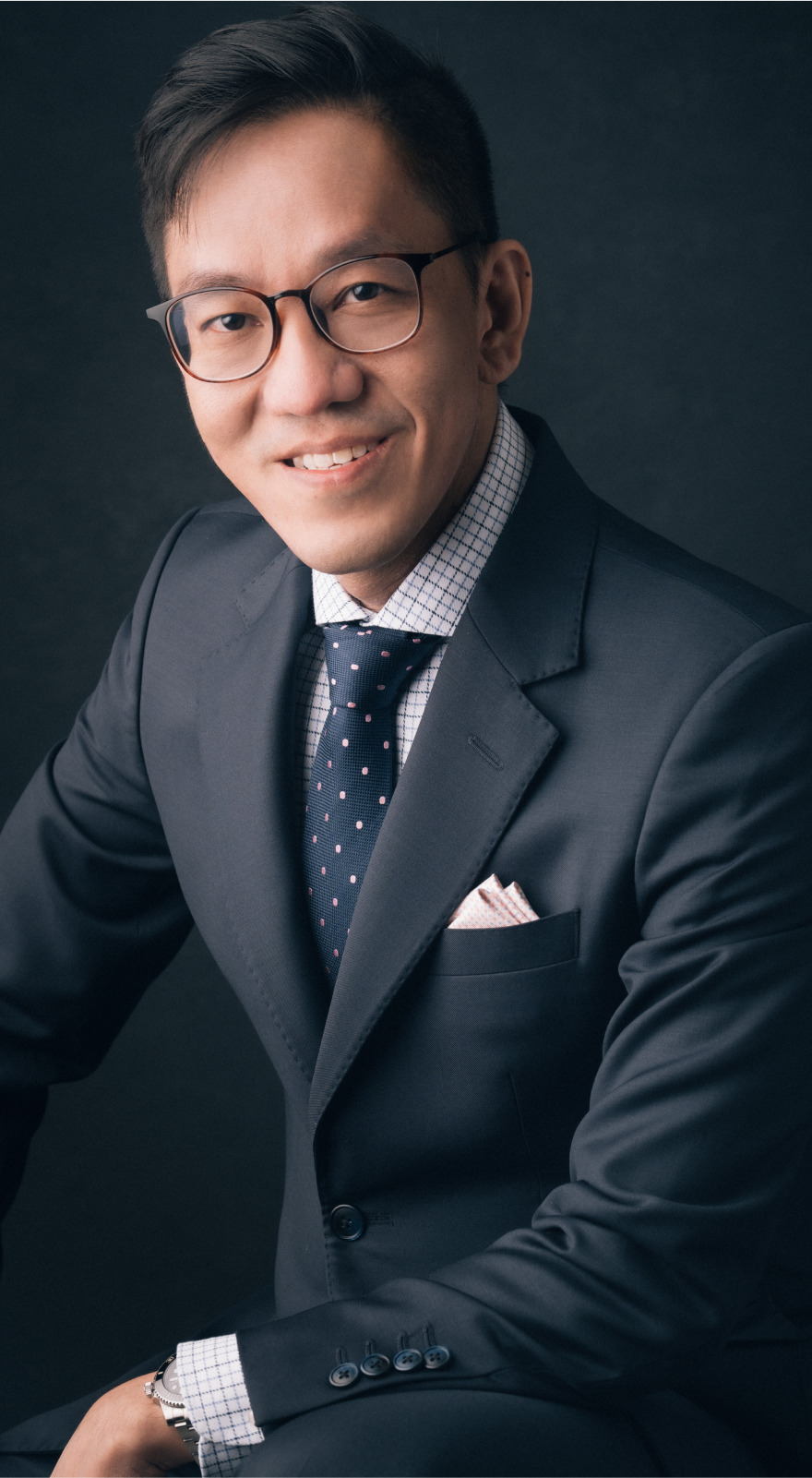
Dr Wang Lushun

Senior Consultant Orthopaedic Surgeon

MBBS (Singapore)

MRCS (Edin)

MMed (Ortho)

FRCS (Ortho) (Edin)

Internationally Recognised & Double Fellowship-Trained Surgeon With Over 18 Years of Experience

  • Bachelor of Medicine & Bachelor of Surgery (MBBS),
    National University of Singapore
  • Member of The Royal College of Surgeons (MRCS),
    Edinburgh, United Kingdom
  • Master of Medicine in Orthopaedic Surgery (MMed),
    National University of Singapore
  • Fellow of The Royal College of Surgeons in Orthopaedics and Traumatology (FRCS), Edinburgh, United Kingdom

As a Senior Consultant Orthopaedic Surgeon and former Head of the Hip and Knee Division in Ng Teng Fong Hospital, he has won awards for superior patient outcomes (value driven), service quality and enhanced recovery programmes. His patients include current and former national athletes and sporting professionals.

Why Choose

Dr Wang Lushun?

Trusted orthopaedic surgeon

Trusted

Leadership on Orthopaedic Advisory Boards

Skilful orthopaedic surgeon

Skilful

Double Fellowships at Centres of Excellence

Experienced consultant with over 18 years in orthopaedics

Experienced

Senior Consultant with Over 18 Years of Experience

Patient-Centred Orthopaedic Care

We are dedicated to your recovery and well-being. Every patient deserves the freedom that comes with active living. Whether you're an athlete sidelined by an injury or a weekend hobbyist desperate to return to your passion, our mission is to help you regain your mobility and independence.

Patient-Centred Orthopaedic Care
Personalised Approach For Positive Outcomes

Our clinic prioritizes time dedicated to understanding each patient’s injuries and needs. Dr Wang strongly believes that personalised care & patient management will lead to better outcomes & positive experiences.

Patient-Centred Orthopaedic Care
Minimally Invasive Techniques For Faster Recovery

Dr Wang’s extensive experience with minimally invasive procedures allows for less scarring, lower risk of complications and faster recovery compared to traditional surgical methods.

Patient-Centred Orthopaedic Care
Aftercare Focused On Restoring Mobility & Well-Being

As an avid sportsperson, Dr Wang understands the time and patience required to regain mobility and return to active living. After your procedure is completed, Dr Wang will make sure your recovery is smooth and comfortable.

Insurance

Great Eastern Insurance Aviva Insurance Prudential Insurance AXA Insurance AIA Insurance NTUC Income insurance

We accept all patients, with or without insurance plans. Additionally, we are on the specialist panels of these Health Networks/Insurance Plans. Please contact us if you have any queries and we will be happy to assist you in checking with your insurance provider.

Our Clinic Locations

lswang-homepage-desktop-contact-icon1-1
3 Mount Elizabeth, #13-14
Mount Elizabeth Medical Centre
Singapore 228510
lswang-homepage-desktop-contact-icon1-1
820 Thomson Road, Mount Alvernia Hospital, #05-51, Medical Centre D, Singapore 574623

    Full Name*

    Condition

    Your Message*

    For Faster Response, WhatsApp Us!

    8772‎ 6928