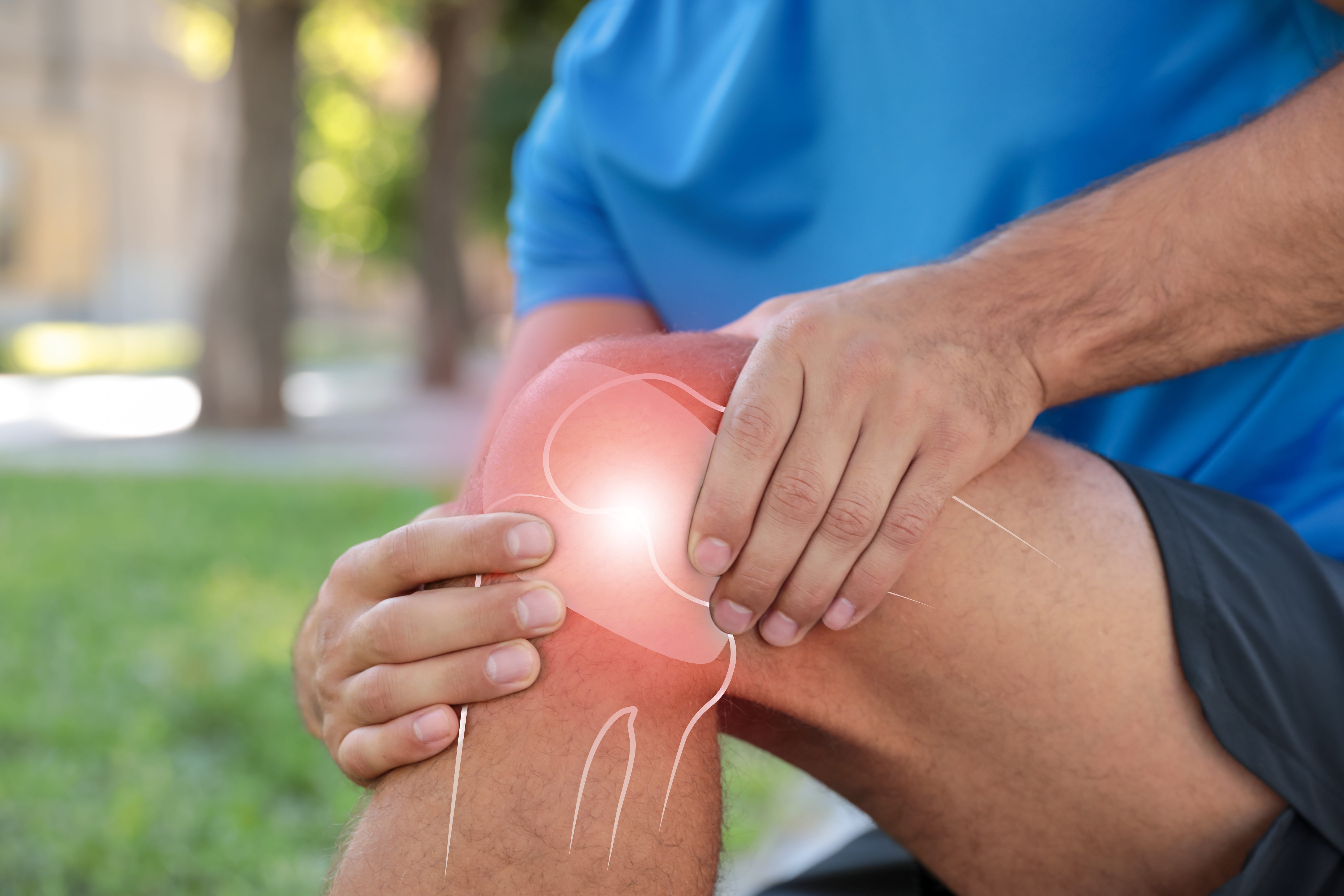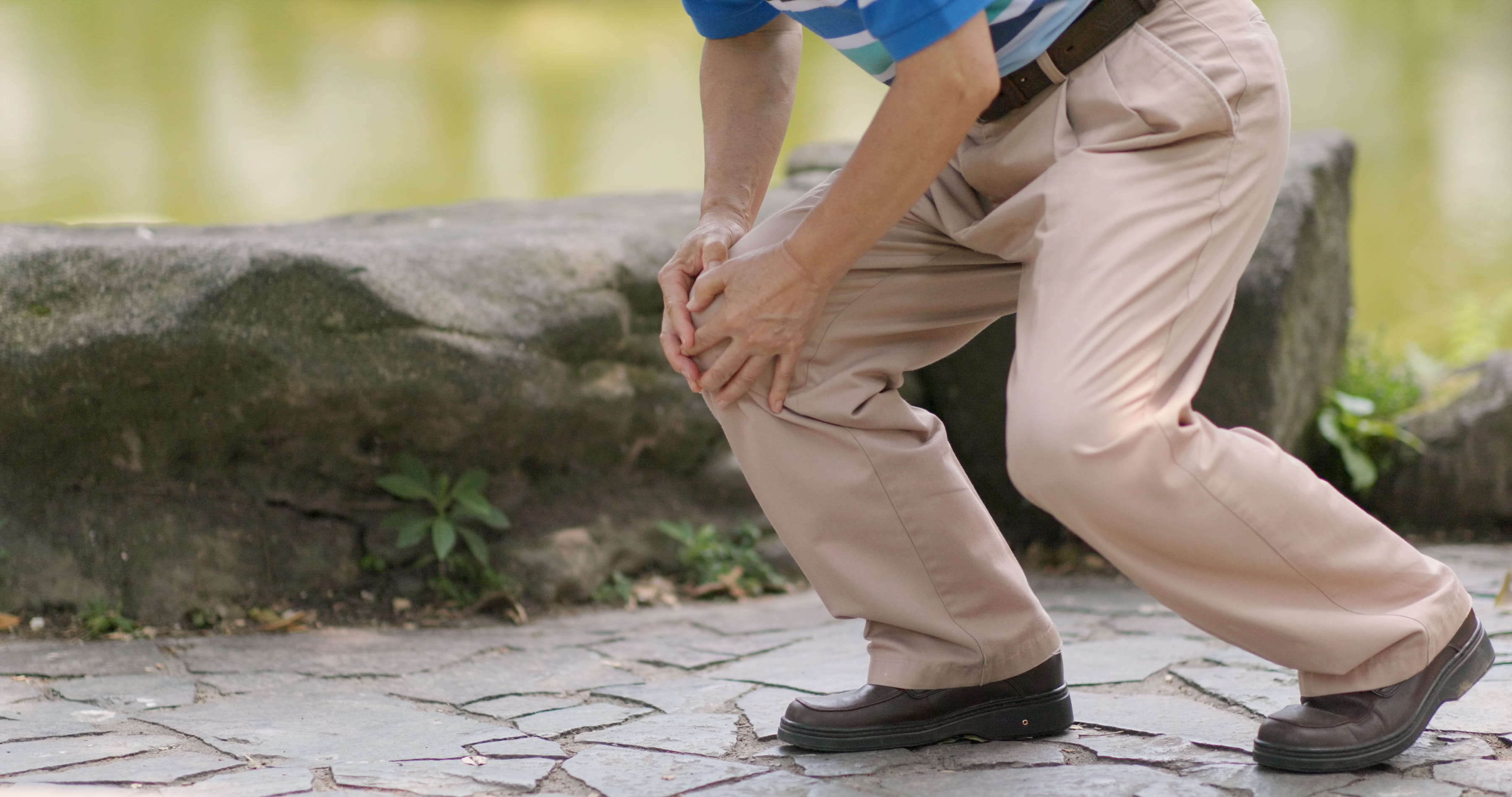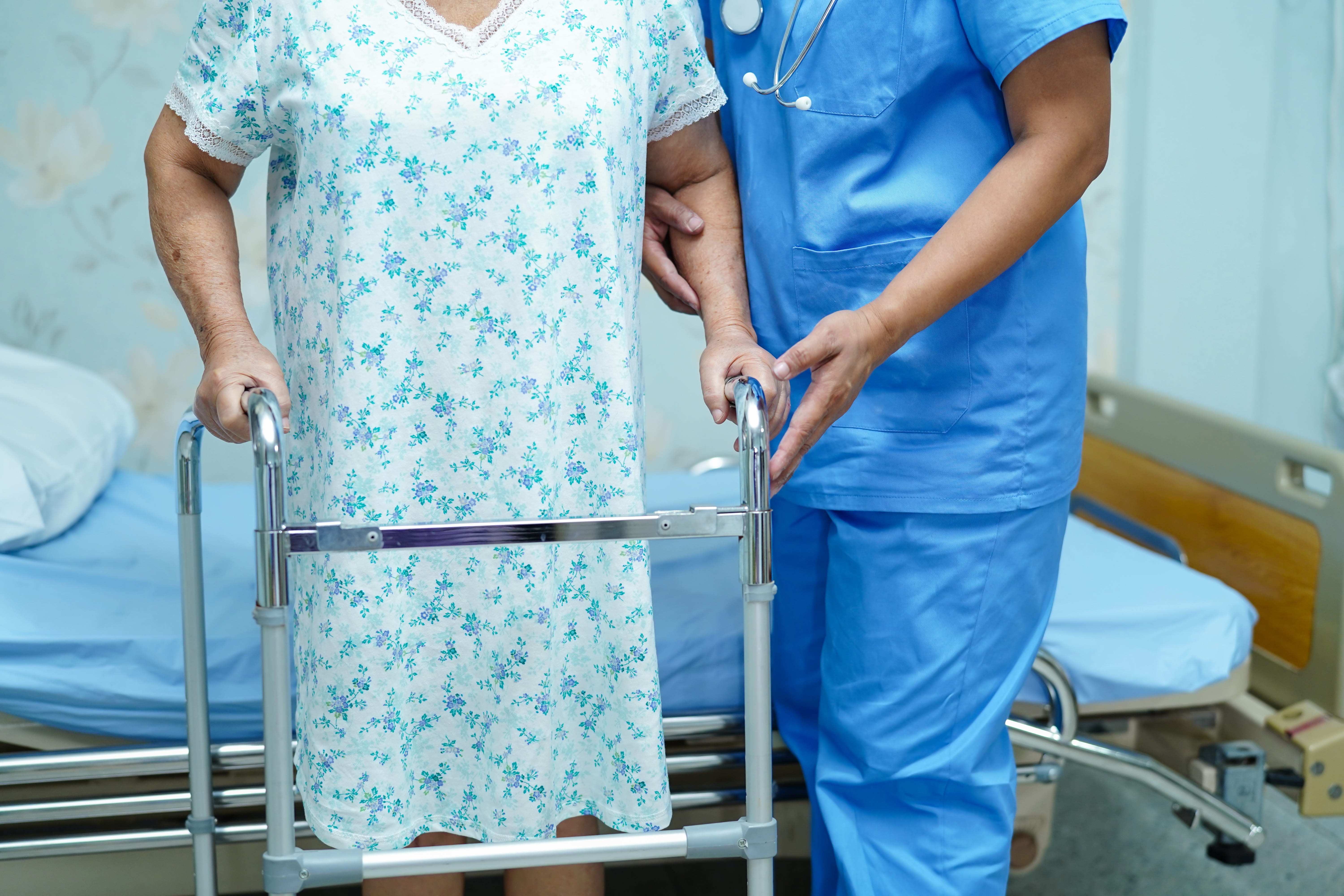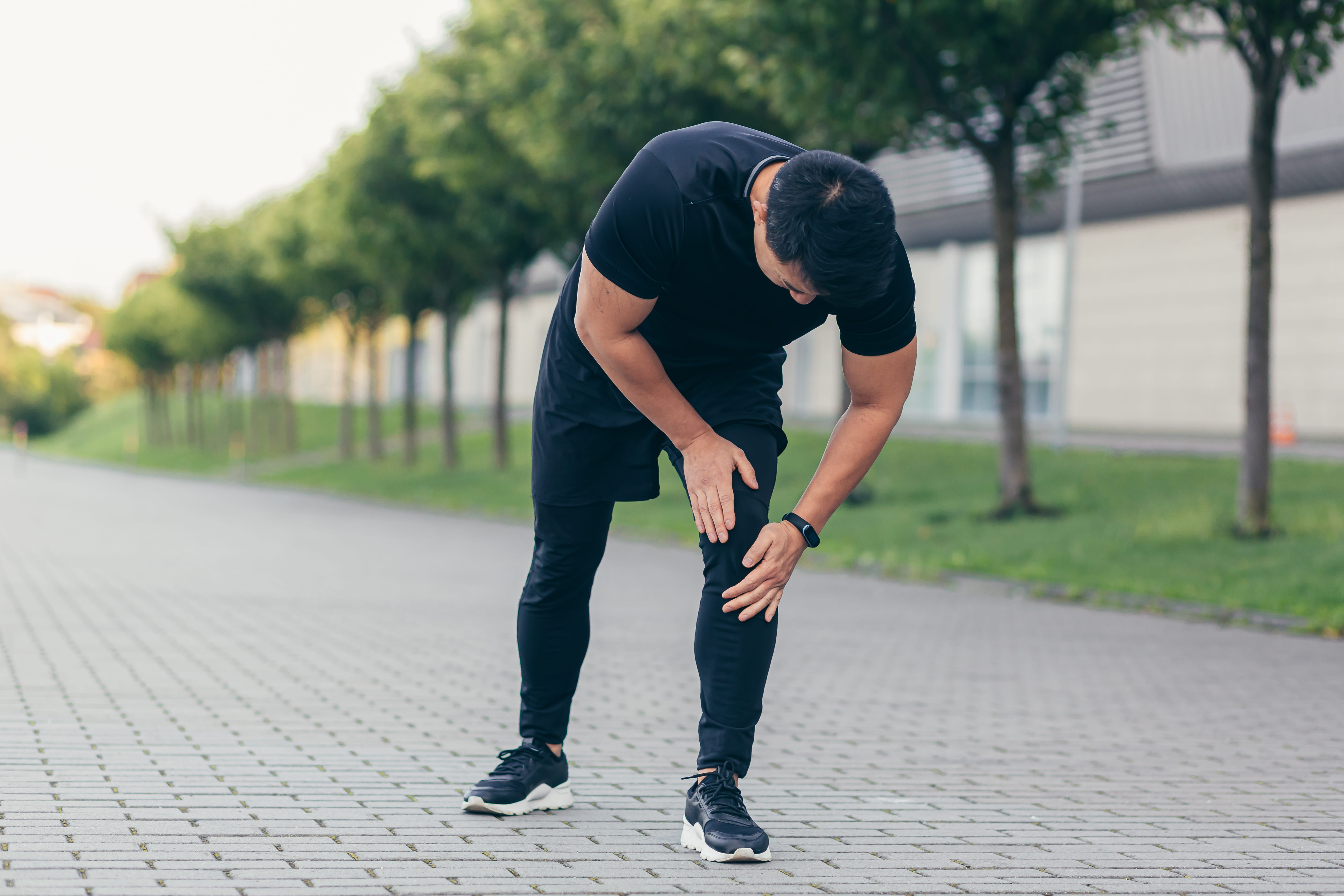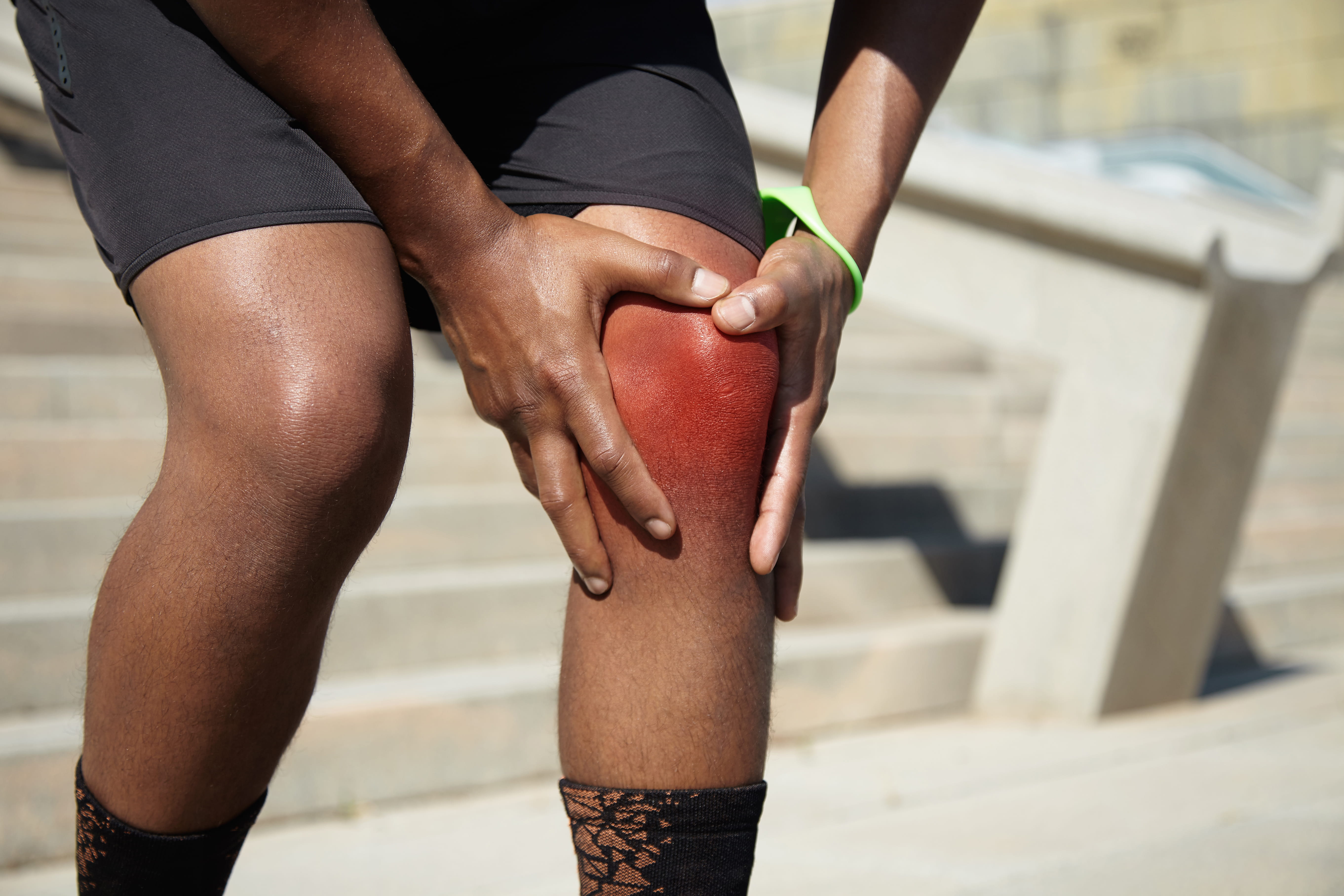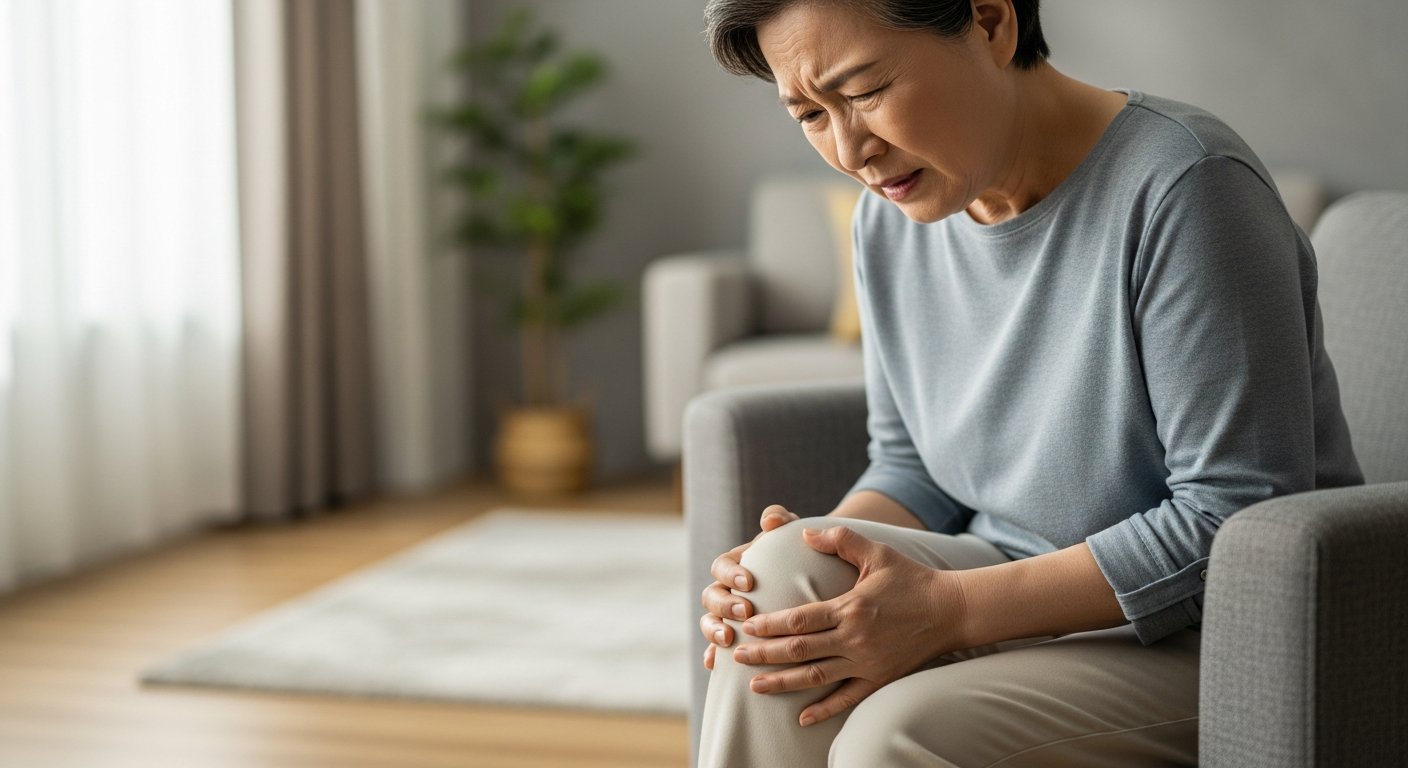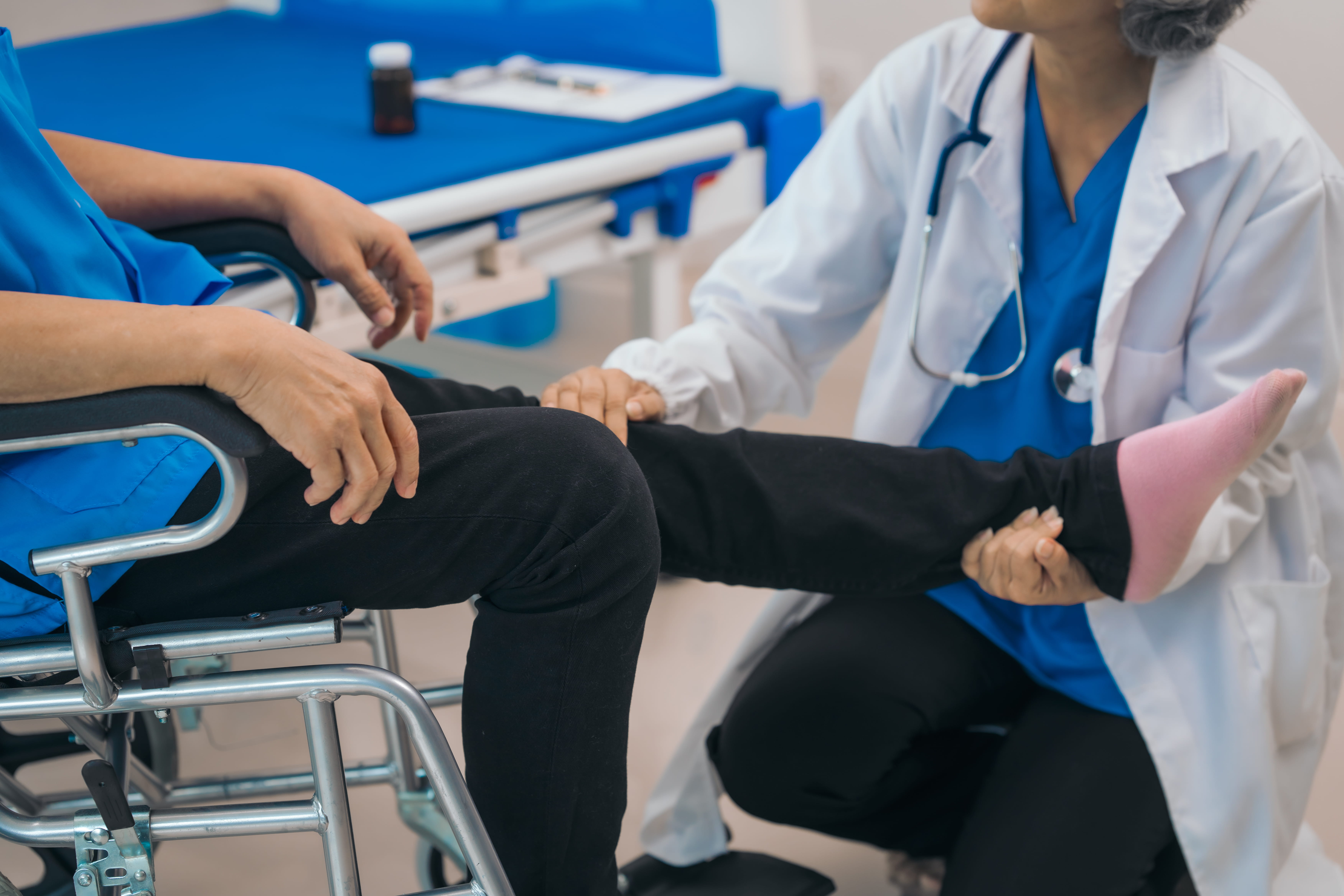

Kneecap dislocation, also known as patellar dislocation, occurs when the kneecap (patella) slips out of its normal position. The condition is generally caused by trauma or an abrupt twisting of the knee, and it may cause substantial pain and discomfort. Activities and sports involving sudden direction changes or direct hits to the knee often result in kneecap dislocations. Understanding the symptoms, causes, risk factors, and treatment options for kneecap dislocation is important for effective management and prevention.
Symptoms of Kneecap Dislocation
Kneecap dislocation can cause symptoms that are usually quite noticeable and alarming. These include:
Pain and Swelling
Dislocation causes sudden and intense pain, usually accompanied by rapid swelling due to inflammation and possible bleeding within the knee joint. This pain and swelling may be felt at rest and when trying to move the knee.
Visible Deformity
The kneecap may appear visibly shifted to the side, usually to the outer part of the leg, creating a noticeable deformity that can be seen and felt.
Difficulty Moving the Knee
It becomes difficult or impossible to straighten or bend the knee. The kneecap is no longer in the proper position, which causes the knee to feel unstable and restricts mobility. This sensation is often described as the knee not supporting the body properly.
Popping Sound
Some people hear a distinct popping sound at the moment of dislocation. This sound is caused by the kneecap moving out of its normal position.
Bruising and Tenderness
Bruising may develop around the knee within a few hours to days after the injury. The area around the kneecap may also be tender to touch, indicating injury to surrounding tissues.
Causes and Risk Factors
Understanding the causes and risk factors of kneecap dislocation can help identify those more likely to experience this condition and implement preventive measures.
Causes
Kneecap dislocation can occur due to several factors, including:
Trauma: Direct impact to the knee, such as during a fall or collision in sports, is a common cause of kneecap dislocation. The force of the impact pushes the kneecap out of its normal position.
Sudden Twisting Movements: Quick, sharp twists or turns of the leg, often during activities like running, jumping, or changing direction, can cause the kneecap to dislodge.
Congenital Conditions: Some people are born with anatomical abnormalities, such as a shallow trochlear groove (the groove in which the kneecap sits), making them more prone to dislocation.
Weak or Imbalanced Muscles: Weakness or imbalance in the muscles surrounding the knee, particularly the quadriceps, can lead to instability and increased risk of dislocation.
Previous Dislocations: Having experienced a kneecap dislocation before increases the likelihood of it happening again due to potential damage to the stabilising structures of the knee.
Risk Factors
Several risk factors can increase the likelihood of experiencing a kneecap dislocation:
Age and Activity Level: Adolescents and young adults, especially those involved in sports, are at higher risk due to their high activity levels and the nature of their sports.
Genetic Factors: A family history of kneecap dislocation or related conditions can increase the risk.
Ligamentous Laxity: People with naturally loose ligaments (ligamentous laxity) are more susceptible to dislocations.
Repetitive Stress: Engaging in repetitive knee movements, especially in certain sports or activities, can wear down the knee structures, leading to higher risk.
Types of Kneecap/Patella Dislocation
Kneecap dislocations can be classified into different types based on the direction of the dislocation and the underlying causes.
Lateral Dislocation
A lateral dislocation occurs when the kneecap slides outward. This often results from trauma or sudden twisting movements during sports or other activities. Symptoms include intense pain, a lateral kneecap deformity, and swelling on the outer side of the knee. The medial patellofemoral ligament, which supports the kneecap, may be damaged by lateral dislocations.
Medial Dislocation
Medial dislocation is less common and occurs when the kneecap moves inwards towards the inner side of the leg. Usually caused by a direct hit to the outer side of the knee or congenital abnormalities that predispose the knee to instability, medial dislocation causes inner knee discomfort and swelling.
Congenital Dislocation
Congenital kneecap dislocations are caused by anatomical defects identified in early childhood. These abnormalities can include a shallow trochlear groove or malalignment of the knee joint. Congenital dislocations often cause recurrent dislocations with minimal injury and lead to knee instability.
Traumatic Dislocation
Traumatic dislocation occurs due to direct injury, such as a significant impact during a sports collision or an accident. This dislocation causes severe pain, immediate swelling, and a visible kneecap misalignment. Traumatic dislocations may damage knee cartilage and other components, causing long-term problems if untreated.
Recurrent Dislocation
Recurrent dislocation involves repeated episodes of the kneecap slipping out of place. People with a history of dislocations have weakened knee structures and are more prone to future dislocations. Symptoms include chronic knee instability, recurrent pain, and frequent episodes of dislocation, even with minor trauma or normal activities.
Treatment Options
Depending on severity and the patient’s needs, kneecap dislocation treatment varies. Treatment options might be non-surgical or surgical.
Non-Surgical Treatments
Non-surgical methods are commonly preferred for initial or mild cases of kneecap dislocation.
Rest
Avoid activities that stress the knee to prevent further injury. Resting helps reduce inflammation and allows the healing process to begin.
Ice and Compression
Apply ice packs on the knee for 20 minutes at intervals throughout the day to lessen swelling and numb the area, reducing pain. Wrapping the knee with an elastic bandage or knee brace can provide support and decrease swelling, as the compression helps control inflammation and ensures stability.
Wear Knee Braces or Splints
Immobilising the knee with a brace or splint helps keep the kneecap in place and allows the damaged structures to heal, usually for 2 to 3 weeks, depending on the injury severity.
Medication
Over-the-counter pain relievers like ibuprofen or acetaminophen can help manage pain and reduce inflammation. Sometimes, the orthopaedic surgeon may prescribe stronger pain medication or anti-inflammatory drugs.
Surgical Treatments
Surgical procedures may be required when non-surgical therapies are ineffective in achieving sufficient stability, especially for severe or repeated dislocations.
Arthroscopy
Arthroscopy is a surgical procedure guided by a camera via tiny incisions. With minimal disruption to surrounding tissues, this approach enables the orthopaedic surgeon to accurately repair or remove damaged cartilage and other tissues inside the knee.
Medial Patellofemoral Ligament (MPFL) Reconstruction
The MPFL is an important ligament that helps stabilise the kneecap. Reconstruction involves reattaching the injured ligament, usually taken from the patient’s body or a donor, to stabilise the kneecap if it is damaged during a dislocation.
Tibial Tubercle Transfer
This procedure involves repositioning the tibial tubercle, the bony prominence where the patellar tendon attaches. The orthopaedic surgeon can improve kneecap tracking and minimise dislocation risk by moving this attachment point. Patients with improper knee alignment are commonly advised to have this procedure.
Lateral Release
In cases where tight structures on the outer side of the kneecap pull it out of alignment, a lateral release procedure can be performed. This involves cutting the tight tissue to allow the kneecap to move more freely and align correctly.
Prevention for Kneecap Dislocation
Preventing kneecap dislocation involves protecting the knee and improving its stability. Here are some strategies to help reduce the risk of dislocation:
Build Muscle Strength
Strengthening the muscles around the knee, especially the quadriceps and hamstrings, helps support the kneecap and keeps it in place. Exercises like leg lifts, squats, and lunges can be effective. Exercises that improve balance and stability, such as standing on one leg or using a balance board, can help prevent dislocations by improving muscle coordination.
Proper Technique
Using the correct techniques during sports and physical activities can reduce the risk of injury. This includes proper foot placement, body mechanics, and movement patterns.
Warm Up and Stretch
Always warm up before exercising and stretch after. Warming up increases muscle blood flow, making them more flexible and less prone to injury. Stretching helps maintain flexibility and range of motion in the knee.
Avoid Overuse
Avoid repetitive stress on the knee by taking breaks during activities. Overuse can weaken the knee structures, making them more susceptible to injury. Engage in a variety of physical activities to prevent overuse injuries. Cross-training helps balance the stress on different muscle groups and reduces the risk of repetitive strain.
Maintain a Healthy Weight
Maintaining a healthy weight reduces the stress on the knee joints. Excess body weight can increase the risk of kneecap dislocation by putting additional pressure on the knees.
Conclusion
Kneecap dislocation is a painful condition that can limit mobility and affect quality of life. Recognising the symptoms, causes, and risk factors is important for effective treatment and prevention. Non-surgical treatments like immobilisation, physical therapy, and medication are often effective for first-time or mild dislocations. Surgical options, such as arthroscopic surgery and ligament reconstruction, are available for severe or recurrent cases. Preventive measures, including strengthening exercises, proper techniques, avoiding overuse, maintaining a healthy weight, and managing underlying conditions, can help reduce the risk of dislocation. Effective management involves timely treatment, rehabilitation, and preventive strategies tailored to personal needs. Consulting Dr Wang Lushun, an orthopaedic surgeon for appropriate care is essential for recovery and preventing future dislocations.