
Misalignment of the knee joint occurs when the kneecap moves unevenly over the femur, usually due to imbalanced muscle strength or flexibility around the knee and hip.
Patellofemoral Pain Syndrome Specialist In Singapore

Dr Wang Lushun
Senior Consultant Orthopaedic Surgeon
MBBS (Singapore)
MRCS (Edin)
MMed (Ortho)
FRCS (Ortho) (Edin)
- Fellowship-trained orthopedic surgeon
- Internationally recognised, more than 1500 surgeries performed

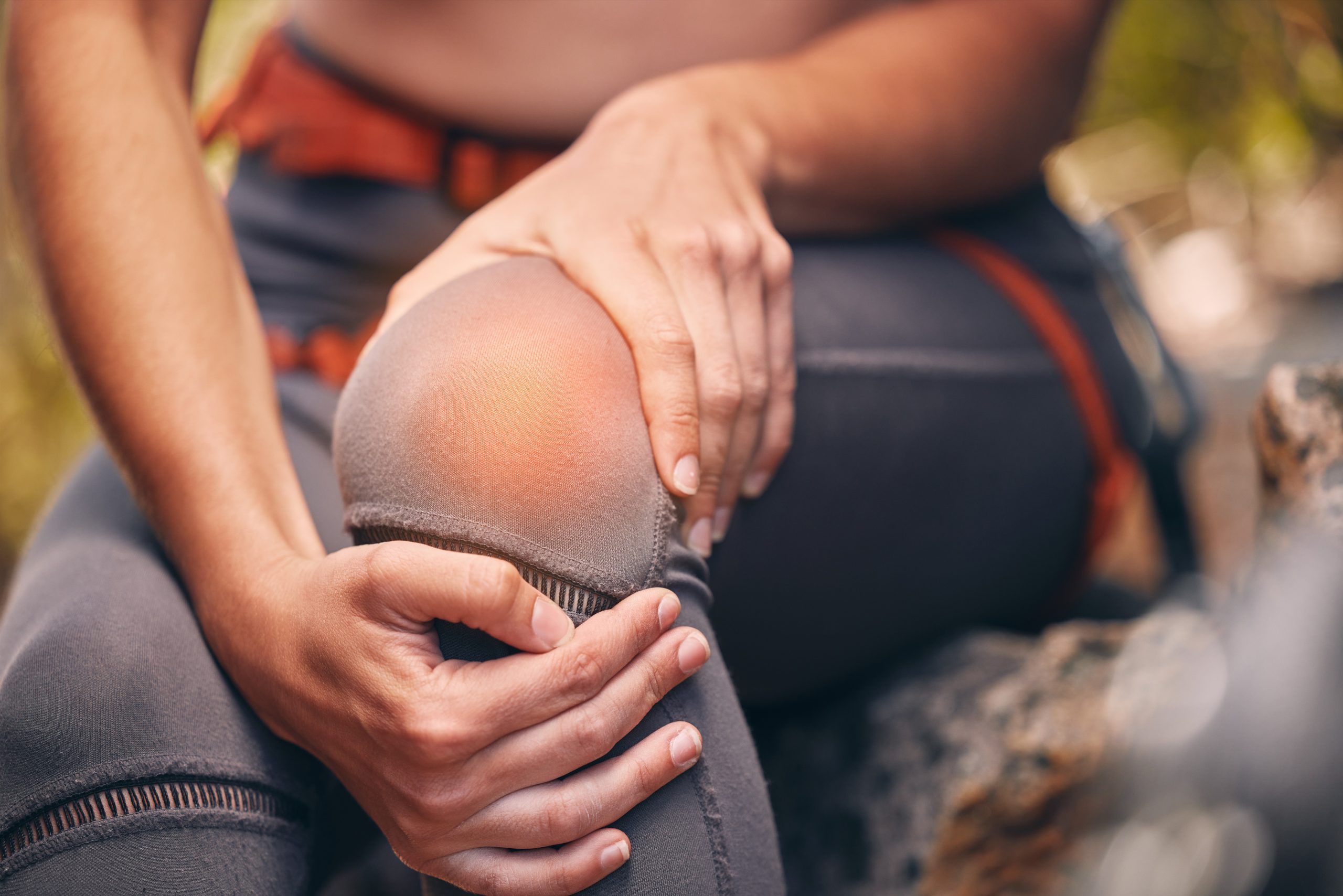
What Is Patellofemoral Pain Syndrome?
Patellofemoral Pain Syndrome (PFPS) is a condition characterised by pain around or behind the kneecap, also known as the patella. This syndrome commonly affects athletes and those engaged in activities that put repetitive stress on the knee joint.
PFPS is also referred to as a runner’s knee, but it is not exclusive to runners. It can arise from various activities involving knee flexion and forceful knee extensions.
Anatomy of the Knee Joint
The knee joint plays an important role in facilitating movement and bearing the body's weight, making it susceptible to various injuries and conditions, such as PFPS.

Bones
The main bones forming the knee are the femur, tibia, and patella. The patella sits in front to protect the knee and improve its mechanical function.
Patellofemoral Joint
This is where the patella and femur meet. The patella moves along a groove on the femur when the knee bends and straightens.
Ligaments
Ligaments connect bones to other bones and help stabilise the knee, keeping it in the right alignment.
Cartilage
The knee contains two types of cartilage that act as shock absorbers and facilitate smooth movement.
Muscles and Tendons
The quadriceps muscle at the front of the thigh helps straighten the knee, and its tendon attaches to the patella. The hamstrings at the back of the thigh help bend the knee.
Causes
PFPS arises from a combination of factors leading to knee stress, particularly the patellofemoral joint. While the exact cause of PFPS can vary among people, several common factors contribute to its development:
Misalignment of the Knee Joint
Overuse and Increased Physical Activity
PFPS frequently occurs in people who suddenly increase their level of physical activity or engage in repetitive motions that stress the knee joint, such as running, jumping, or squatting.
Weak or Imbalanced Muscles
Weakness or imbalance in the muscles around the knee and hip, including the quadriceps, hamstrings, and hip abductors, can contribute to PFPS. Weakness or imbalance in the hamstrings can also contribute to other sports-related problems, including hamstring muscle injuries, especially when training load increases too quickly.
Structural Factors
Anatomical differences in individuals, such as a high-arched foot, flat feet, or leg length discrepancies, can influence knee alignment and movement, increasing the risk of PFPS.
Trauma
Direct trauma to the kneecap, such as a fall or blow to the knee, can initiate symptoms of PFPS by causing inflammation or damage to the structures within the knee joint.
Symptoms
Common symptoms of PFPS include:
Pain
A dull, aching pain in the front of the knee, around or behind the patella. This pain often worsens with activities that pressure the knee joint, such as running, squatting, and climbing stairs.
Popping or Grinding Sensations
Some people may experience a popping or grinding feeling in the knee, especially when moving the knee after sitting for long periods.
Diagnosis
- Patient History
The discussion will focus on the onset, duration, and nature of the symptoms, as well as any activities that exacerbate the knee pain. - Physical Examination
This may include checking for tenderness around the patella, assessing the range of motion, and observing the knee’s alignment. - Imaging Tests
While not typically required, imaging tests such as X-rays, MRI, or CT scans can be used to rule out other conditions that may cause knee pain, such as fractures or arthritis.
Once other conditions have been ruled out and PFPS is diagnosed, the focus shifts to managing and treating the condition to relieve pain and restore function to the knee.
Management and Treatment Options
Effective management of PFPS involves a combination of strategies tailored to the person’s specific symptoms and underlying causes. Treatment typically includes non-surgical methods such as:
Activity Modification
Reducing or modifying activities that exacerbate knee pain, such as running, jumping, or other high-impact exercises until symptoms improve.
Physical Therapy
A structured physical therapy program usually focuses on:
- Strengthening Exercises: Targeting the quadriceps, hamstrings, and hip muscles to improve support for the knee joint.
- Flexibility Exercises: Increasing the flexibility of muscles around the knee and hip to ensure proper movement and alignment of the patella.
- Gait Training: Adjusting walking and running techniques can help reduce stress on the knee.
Pain Management
- Ice Therapy: Applying ice to the knee can help reduce pain and inflammation.
- NSAIDs: Non-steroidal anti-inflammatory drugs (NSAIDs), such as ibuprofen, can be used to manage pain and swelling in the short term.
Orthotic Devices
Shoe inserts or knee braces may be recommended to improve alignment and distribute force more evenly across the knee joint.
Patellar Taping
Taping the patella can help to correct its alignment and alleviate pain during activities.

Preventative Measures
Preventing PFPS involves strategies that reduce the risk of knee injury and ensure the health and stability of the knee joint over time. Examples include:
- Regular Exercise and Strength Training: Focus on exercises that ensure balanced strength between the quadriceps and hamstrings and the muscles around the hip and core to maintain proper knee alignment and function.
- Proper Technique: Practise proper techniques for sports and activities, especially those involving jumping, squatting, and running, to minimise knee stress.
- Gradual Increase in Activity: When starting a new activity or increasing intensity, gradually allow your body, particularly your knees, to adapt to the increased demands.
- Maintain a Healthy Weight: Extra weight puts additional stress on the knees. Maintaining a healthy weight can reduce the risk of knee pain and injuries.
Are Your Symptoms Affecting Your
Quality Of Life?
Quality Of Life?
Consult our double fellowship-trained orthopaedic surgeon for an accurate diagnosis and personalised treatment plan.

Dr Wang Lushun
Senior Consultant Orthopaedic Surgeon
MBBS (Singapore)
MRCS (Edin)
MMed (Ortho)
FRCS (Ortho) (Edin)
Internationally Recognised & Double Fellowship-Trained Surgeon With Over 18 Years of Experience
- Bachelor of Medicine & Bachelor of Surgery (MBBS),
National University of Singapore - Member of The Royal College of Surgeons (MRCS),
Edinburgh, United Kingdom - Master of Medicine in Orthopaedic Surgery (MMed),
National University of Singapore - Fellow of The Royal College of Surgeons in Orthopaedics and Traumatology (FRCS), Edinburgh, United Kingdom
As a Senior Consultant Orthopaedic Surgeon and former Head of the Hip and Knee Division in Ng Teng Fong Hospital, he has won awards for superior patient outcomes (value driven), service quality and enhanced recovery programmes. His patients include current and former national athletes and sporting professionals.
Why Choose
Dr Wang Lushun?

Trusted
Leadership on Orthopaedic Advisory Boards

Skillful
Double Fellowships at Centres of Excellence

Experienced
Senior Consultant with Over 18 Years of Experience
Can I Use Medisave For My Treatment?
Yes, you can use funds from your Medisave account to offset the cost of your treatment.
Reach out to us today to learn more about payment options.
Patient-Centred Orthopaedic Care
We are dedicated to your recovery and well-being. Every patient deserves the freedom that comes with active living. Whether you're an athlete sidelined by an injury or a weekend hobbyist desperate to return to your passion, our mission is to help you regain your mobility and independence.

Personalised Approach For Positive Outcomes
Our clinic prioritizes time dedicated to understanding each patient’s injuries and needs. Dr Wang strongly believes that personalised care & patient management will lead to better outcomes & positive experiences.

Minimally Invasive Techniques For Faster Recovery
Dr Wang’s extensive experience with minimally invasive procedures allows for less scarring, lower risk of complications and faster recovery compared to traditional surgical methods.

Aftercare Focused On Restoring Mobility & Well-Being
As an avid sportsperson, Dr Wang understands the time and patience required to regain mobility and return to active living. After your procedure is completed, Dr Wang will make sure your recovery is smooth and comfortable.
Insurance






We accept all patients, with or without insurance plans. Additionally, we are on the specialist panels of these Health Networks/Insurance Plans. Please contact us if you have any queries and we will be happy to assist you in checking with your insurance provider.
Our Clinic Locations

3 Mount Elizabeth, #13-14
Mount Elizabeth Medical Centre
Singapore 228510


820 Thomson Road, Mount Alvernia Hospital, #05-51, Medical Centre D, Singapore 574623
Frequently Asked Questions (FAQs)
Can Patellofemoral Pain Syndrome occur in both knees simultaneously?

PFPS can affect both knees simultaneously, though the severity may vary between knees. Bilateral PFPS is often due to systemic factors such as overall muscle imbalances.
How long does it typically take to recover from PFPS with proper treatment?
Recovery time can vary widely depending on the severity of the condition and the person’s adherence to their treatment plan. Generally, improvements can be seen within 6 to 8 weeks, but complete recovery may take several months.
Can dietary changes or supplements improve symptoms of PFPS?
There is no direct evidence that dietary changes or supplements can cure PFPS. However, maintaining a healthy diet and weight can reduce knee stress. Some supplements like omega-3 fatty acids may help reduce inflammation, potentially benefiting overall joint health.
Can PFPS lead to other knee problems or conditions if left untreated?
While PFPS itself does not typically cause permanent knee damage, ignoring the condition and continuing activities that exacerbate it can lead to worsening pain and dysfunction. Over time, this may contribute to the development of other knee problems.