
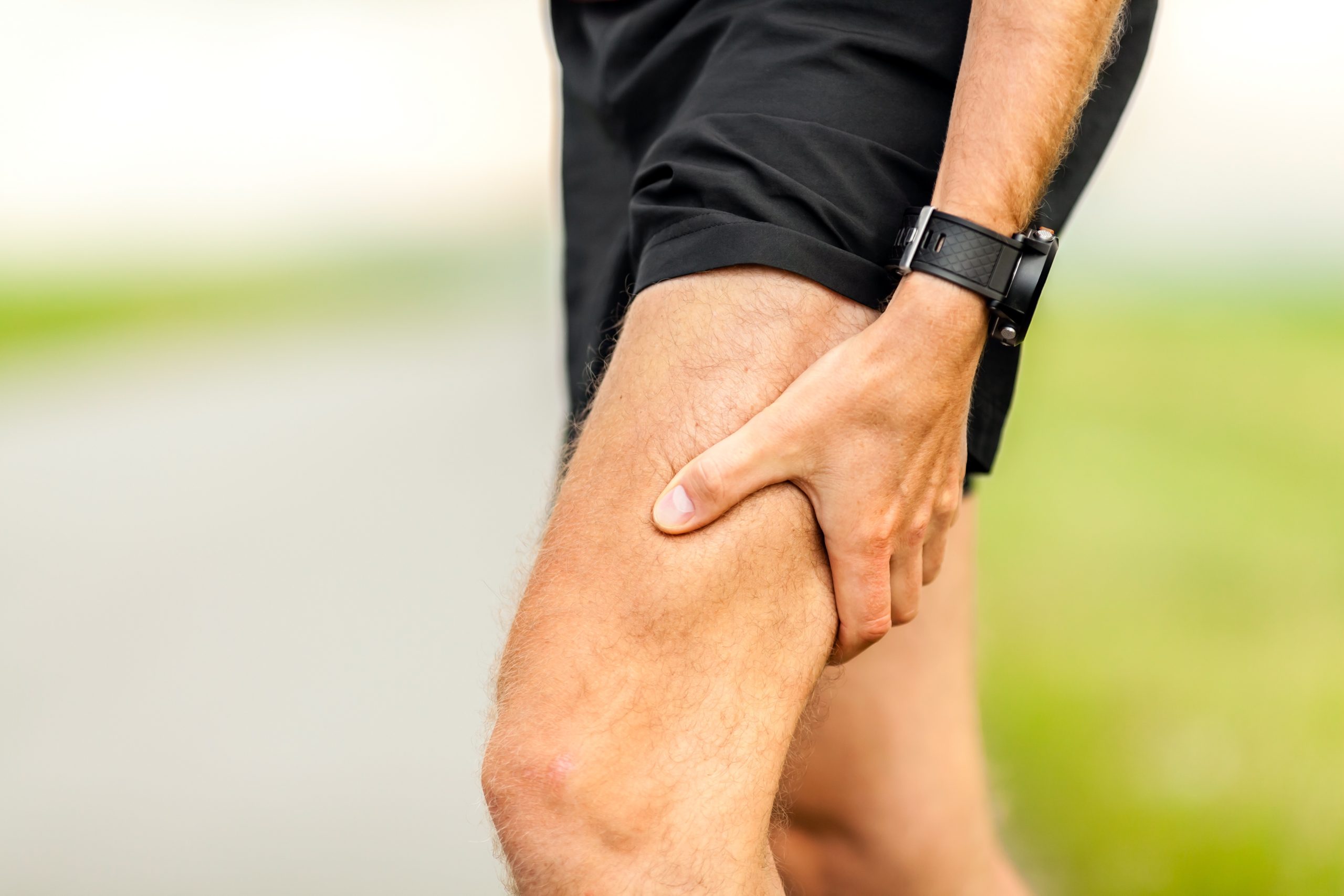
Immediate sharp pain in the back of the thigh, often described as a popping or tearing sensation at the time of injury.
Hamstring Muscle Injuries Specialist In Singapore

Dr Wang Lushun
Senior Consultant Orthopaedic Surgeon
MBBS (Singapore)
MRCS (Edin)
MMed (Ortho)
FRCS (Ortho) (Edin)
- Fellowship-trained orthopedic surgeon
- Internationally recognised, more than 1500 surgeries performed

What are Hamstring Muscle Injuries?
The hamstring is comprised of three muscles responsible for bending the knee and extending the hip. Their injuries are common among athletes and people engaged in physical activities, characterised by pain and discomfort in the back of the thigh. These injuries range from mild strains to severe tears, impacting mobility and performance.
Such injuries often occur during activities requiring sudden starts, stops, or changes in direction. Understanding the causes, symptoms, and treatment options can contribute to effective management and prevention.
Causes and Risk Factors of Hamstring Injuries
Hamstring injuries typically result from a combination of factors that place excessive strain on the muscles. Key contributors include:

Overloading
Engaging in activities that require sudden accelerations or decelerations can overstretch the hamstring muscles, leading to strains or tears.
Muscle Imbalance
A disparity in strength between the hamstring and quadriceps muscles can increase the risk of injuries, as the weaker hamstrings may be unable to handle the stress during physical activities.
Inadequate Warm-Up
Skipping proper warm-up exercises reduces muscle flexibility and increases injury susceptibility during intense physical exertion.
Fatigue
Muscle fatigue can impair performance and coordination, making the hamstrings more prone to injury during activities.
Previous Injury
People who have suffered hamstring injuries in the past are at a higher risk of re-injury due to possible scar tissue formation and reduced muscle elasticity.
Symptoms
The symptoms of a hamstring injury can vary depending on the severity of the strain or tear, including:
Pain and tenderness
Swelling and bruising
Swelling may develop within a few hours, followed by bruising or discolouration in the days after the injury.
Weakness
Difficulty or inability to bear weight on the injured leg, sometimes accompanied by a loss of strength.
Limited range of motion
Experiencing pain during stretching or bending of the knee can indicate a hamstring injury.
Are Your Symptoms Affecting Your
Quality Of Life?
Quality Of Life?
Consult our double fellowship-trained orthopaedic surgeon for an accurate diagnosis and personalised treatment plan.
Diagnosis
Diagnosing hamstring injuries typically involves:
Clinical Evaluation
A medical history review and physical examination will be conducted to assess tenderness and swelling and compare limb functionality.
Functional Tests
Tests may include movements to evaluate pain, range of motion, and muscle strength, helping to gauge the injury’s impact.
Imaging Tests
MRI (Magnetic Resonance Imaging): Offers comprehensive soft tissue images, identifying the injury’s location and severity.
Ultrasound: Provides real-time muscle tissue images, helpful in assessing dynamic conditions and guiding treatments.
X-ray: Helps exclude bone-related issues, like fractures or avulsions.
Non-Surgical Options
Non-surgical treatments are often effective for managing mild to moderate hamstring injuries. Key non-surgical approaches are:
- Rest and Ice: Essential in the initial stages, rest helps prevent further injury, while ice applications reduce swelling and pain.
- Compression and Elevation: Using a compression wrap helps limit swelling, and elevating the leg above heart level aids in decreasing swelling and pain.
- Pain Management: Over-the-counter pain relievers, such as ibuprofen or acetaminophen, can be used to manage pain and reduce inflammation.
- Physical Therapy: A structured physical therapy program can restore the injured muscle’s strength, flexibility, and function, involving exercises tailored to the person’s specific injury and recovery goals.
Surgical Options
Surgery may be considered for severe hamstring injuries, particularly in cases of complete muscle tears or when the muscle has pulled away from its attachment to the bone (avulsion injuries). The specific surgical approach depends on the injury’s location and severity:
- Muscle Repair Surgery: This involves stitching the torn muscle fibres back together and is typically reserved for complete tears.
- Tendon Repair Surgery: In cases of avulsion injuries, where the tendon is torn away from the bone, surgery may be needed to reattach the tendon to its original position on the bone.
Rehabilitation and Exercise
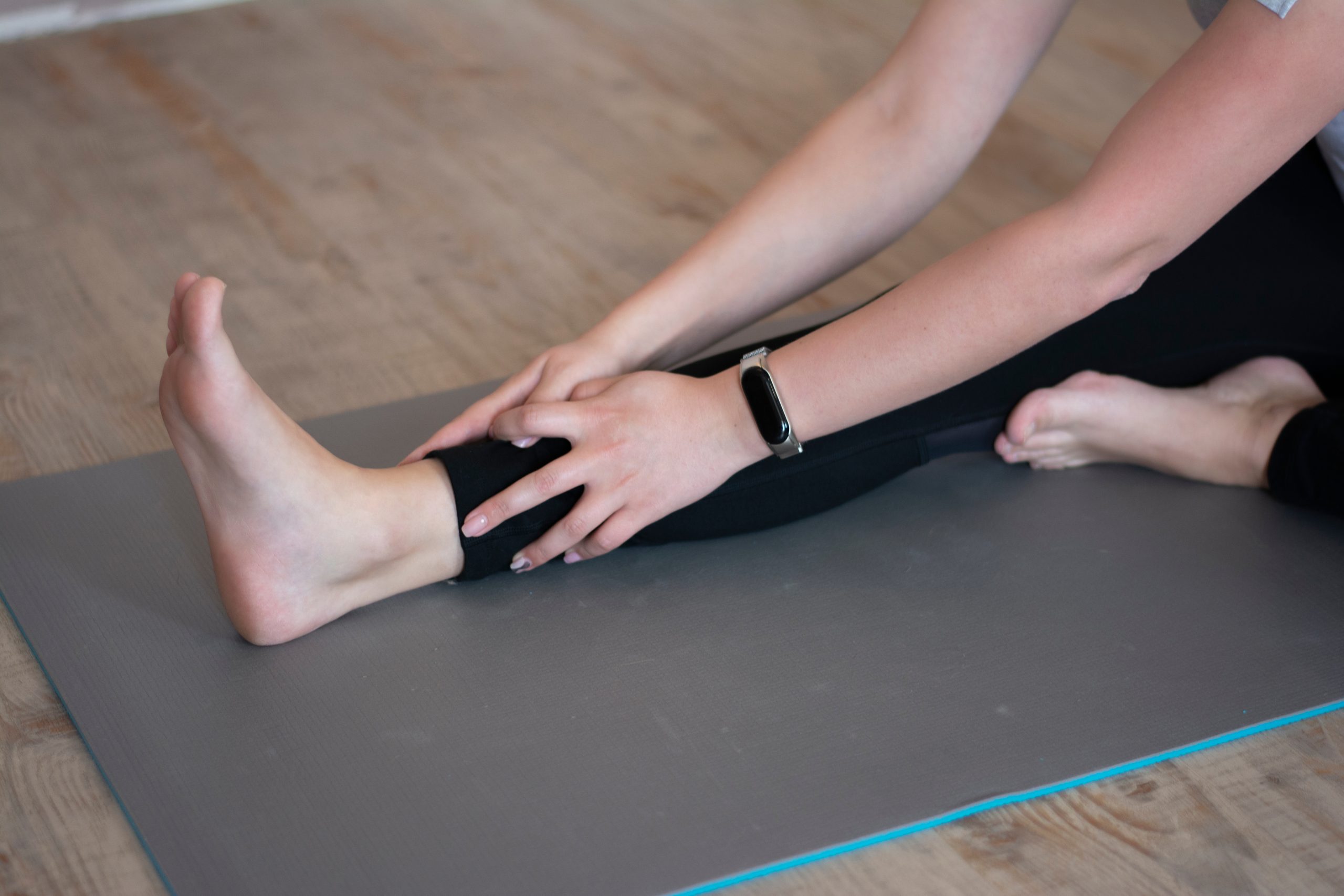
Rehabilitation and exercise aim to restore full function and prevent re-injury. The rehabilitation process typically progresses through several phases:
- Gradual Strengthening: Begins with light exercises, gradually increasing intensity to rebuild muscle strength without risking re-injury.
- Flexibility Training: Stretching exercises improve flexibility and range of motion, essential for a full recovery.
- Balance and Coordination: Activities that enhance balance and coordination help restore normal movement patterns.
Prevention Strategies
To reduce the risk of hamstring injuries, consider the following strategies:
Warm-Up Properly
Engage in dynamic stretching and light aerobic activities before intense exercise.
Strengthening Exercises
Focus on both the hamstrings and quadriceps to maintain muscle balance.
Improve Flexibility
Regular stretching can enhance muscle elasticity and joint range of motion.
Consistent Increase in Activity
Avoid sudden increases in exercise intensity or duration.

Dr Wang Lushun
Senior Consultant Orthopaedic Surgeon
MBBS (Singapore)
MRCS (Edin)
MMed (Ortho)
FRCS (Ortho) (Edin)
Internationally Recognised & Double Fellowship-Trained Surgeon With Over 18 Years of Experience
- Bachelor of Medicine & Bachelor of Surgery (MBBS),
National University of Singapore - Member of The Royal College of Surgeons (MRCS),
Edinburgh, United Kingdom - Master of Medicine in Orthopaedic Surgery (MMed),
National University of Singapore - Fellow of The Royal College of Surgeons in Orthopaedics and Traumatology (FRCS), Edinburgh, United Kingdom
As a Senior Consultant Orthopaedic Surgeon and former Head of the Hip and Knee Division in Ng Teng Fong Hospital, he has won awards for superior patient outcomes (value driven), service quality and enhanced recovery programmes. His patients include current and former national athletes and sporting professionals.
Why Choose
Dr Wang Lushun?

Trusted
Leadership on Orthopaedic Advisory Boards

Skillful
Double Fellowships at Centres of Excellence

Experienced
Senior Consultant with Over 18 Years of Experience
Can I Use Medisave For My Treatment?
Yes, you can use funds from your Medisave account to offset the cost of your treatment.
Reach out to us today to learn more about payment options.
Patient-Centred Orthopaedic Care
We are dedicated to your recovery and well-being. Every patient deserves the freedom that comes with active living. Whether you're an athlete sidelined by an injury or a weekend hobbyist desperate to return to your passion, our mission is to help you regain your mobility and independence.

Personalised Approach For Positive Outcomes
Our clinic prioritizes time dedicated to understanding each patient’s injuries and needs. Dr Wang strongly believes that personalised care & patient management will lead to better outcomes & positive experiences.

Minimally Invasive Techniques For Faster Recovery
Dr Wang’s extensive experience with minimally invasive procedures allows for less scarring, lower risk of complications and faster recovery compared to traditional surgical methods.

Aftercare Focused On Restoring Mobility & Well-Being
As an avid sportsperson, Dr Wang understands the time and patience required to regain mobility and return to active living. After your procedure is completed, Dr Wang will make sure your recovery is smooth and comfortable.
Insurance






We accept all patients, with or without insurance plans. Additionally, we are on the specialist panels of these Health Networks/Insurance Plans. Please contact us if you have any queries and we will be happy to assist you in checking with your insurance provider.
Our Clinic Locations

3 Mount Elizabeth, #13-14
Mount Elizabeth Medical Centre
Singapore 228510


820 Thomson Road, Mount Alvernia Hospital, #05-51, Medical Centre D, Singapore 574623
Frequently Asked Questions (FAQs)
How Long Does It Take to Recover from a Hamstring Injury?

Recovery time varies depending on the injury’s severity, ranging from a few weeks for minor strains to several months for severe tears. Adherence to a rehabilitation program significantly impacts recovery duration.
Can I Continue to Exercise with a Hamstring Injury?
It’s crucial to avoid activities that cause pain or discomfort. Low-impact exercises, such as swimming or cycling, may be permissible under the guidance of medical advice.
How Can I Tell if My Hamstring Injury Is Healing?
Signs of healing include a gradual decrease in pain, improved strength, and increased flexibility. An orthopaedic surgeon will assess recovery progress to avoid a premature return to full activity.
Why Do Hamstring Injuries Seem to Recur Frequently?
Hamstring injuries often recur due to insufficient rehabilitation or returning to full activity too soon. Proper recovery, including strength and flexibility training tailored to the person’s specific needs, is essential to reduce re-injury risk.