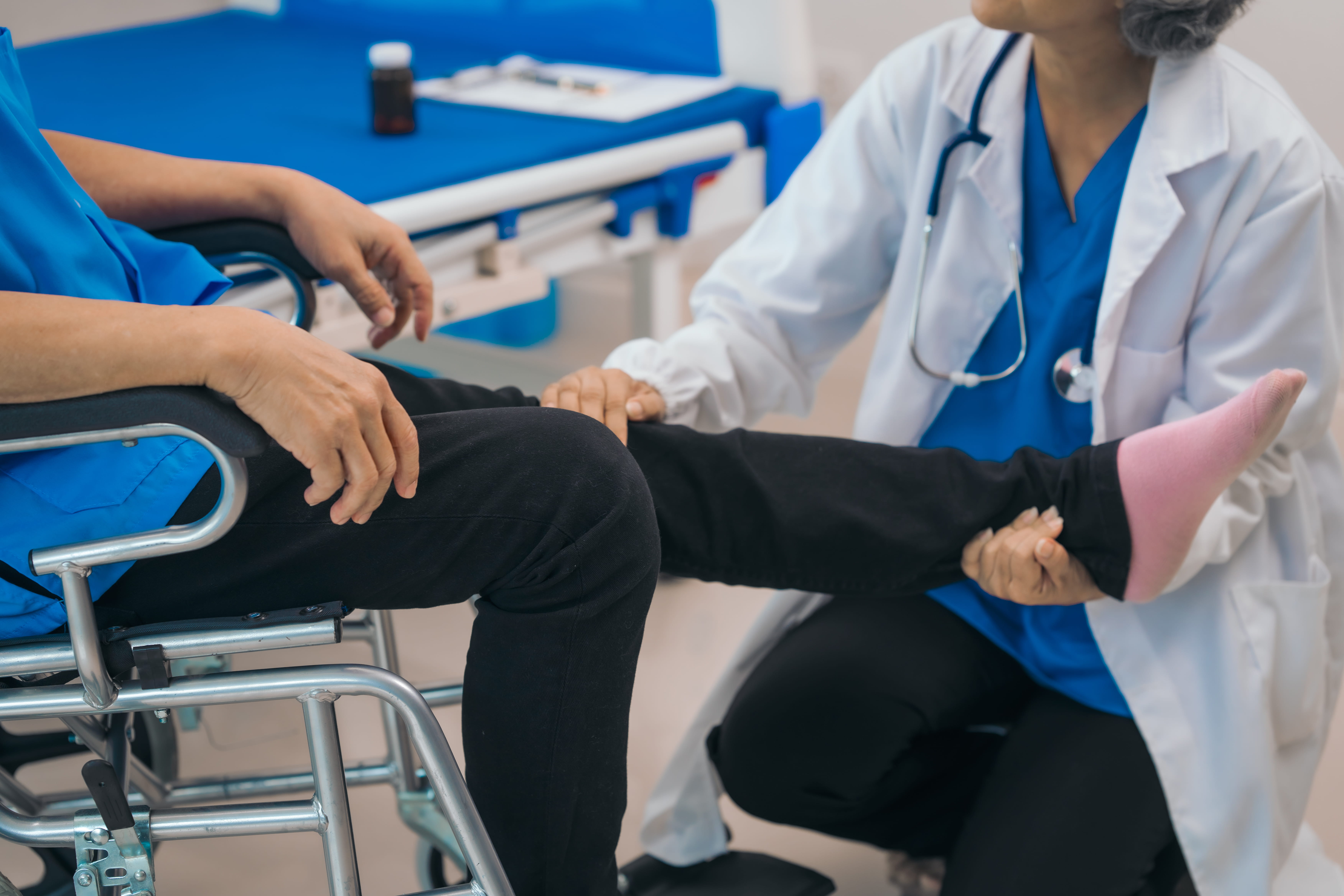
Recovery after knee replacement surgery happens in stages, and how each stage is managed can affect how well patients regain movement and strength. These stages generally progress from initial healing and pain management, through early mobilisation and range-of-motion work, to progressive strengthening, before a gradual return to regular activities beyond 12 weeks. Below are common mistakes seen during recovery, along with guidance on avoiding them.
Skipping or Reducing Prescribed Physiotherapy
Physiotherapy supports the new joint in regaining functional range of motion, something implant positioning alone cannot achieve. Skipping sessions during the first two weeks, when scar tissue is most workable, is closely linked to lasting motion loss.
- Consistent rehabilitation helps prevent scar tissue from forming in contracted positions
- Without it, surrounding muscles may not regain the strength needed for normal movement
- Skipping sessions or cutting back early often leads to a plateau at 5 to 10 degrees of flexion contracture
- This lasting inability to fully straighten the leg can affect walking and contribute to compensatory hip and back strain
The “I’ll Do It at Home” Approach
Home exercises matter, but they don’t replace supervised physiotherapy. Therapists assess movement quality, identify compensation patterns, and use manual techniques such as joint mobilisation and soft tissue work that patients cannot easily replicate on their own.
Many patients reduce physiotherapy visits once initial pain subsides, interpreting comfort as completion. Pain reduction generally reflects decreased inflammation rather than a return to functional strength, range, or proprioception, which is why the strengthening phase (typically weeks 6 to 12) is often underestimated when exercising alone.
Attendance Patterns Linked to Outcomes
Clinical studies suggest that completing structured physiotherapy programs can support functional recovery and pain management at 3 to 6 months compared with minimal rehabilitation, though individual results vary.
Patients who cancel sessions due to minor discomfort, scheduling conflicts, or a perceived sense of adequate progress may experience slower functional gains, as consistent attendance is generally associated with steadier progress than self-directed exercise alone.
Mismanaging Pain Medication
Pain medication after knee replacement serves a functional purpose beyond comfort. It supports the movement needed for rehabilitation. Patients who under-medicate may find it difficult to complete physiotherapy exercises at sufficient intensity. Those who over-medicate may mask early warning signs of complications and could develop medication-related problems.
Under-Medication and the Fear of Dependence
Concerns about opioid dependence lead many patients to take less medication than prescribed, but the acute post-operative period (typically 2 to 4 weeks) generally requires adequate pain relief to participate in rehabilitation.
- Taking pain medication before physiotherapy sessions can allow therapeutic exercises at ranges that would otherwise be difficult
- Forgoing adequate pain relief often means exercising with limited range and excessive muscle guarding, reducing the effectiveness of each session
- This can lead to a longer overall recovery and, in some cases, a longer total duration of medication use
Over-Medication and Missed Warning Signs
Pain serves as an information signal, and patients taking maximum medication doses continuously may miss warning signs until complications advance.
- Sharp, sudden pain during movement may indicate the knee is being pushed beyond safe limits
- Increasing pain over several days despite rest could signal infection, a blood clot, or an implant problem
- Use medication as directed to support rehabilitation while remaining aware of pain patterns
- Breakthrough pain during specific movements is worth discussing with your surgical team, while progressive pain that worsens day over day warrants urgent evaluation
Did You Know? Pain after surgery involves both tissue injury signals and changes in how the nervous system processes pain, sometimes called central sensitisation. Adequate early pain control may help reduce the risk of this heightened sensitivity developing, which is one reason surgical teams encourage using prescribed pain relief as directed rather than avoiding it.
Doing Too Much Too Soon
Motivation helps recovery, but exceeding activity guidelines can cause setbacks that outweigh any potential time saved. The healing timeline for bone-implant integration and soft tissue repair follows biological processes that cannot be rushed through willpower or effort alone.
Weight-Bearing Progression
Surgeons prescribe weight-bearing guidance based on implant type, bone quality, and fixation method. Cemented implants typically allow full weight-bearing soon after surgery. Some uncemented designs, or patients with reduced bone quality, may be advised to follow a more gradual weight-bearing plan for several weeks while bone grows into the implant surface, though your surgeon will confirm the specific timeline suited to your case.
Patients who load the joint beyond their prescribed restrictions risk implant micromotion, meaning small movements at the bone-implant interface that can interfere with proper bone integration. The implant may feel stable, and walking may seem fine, but inadequate bone integration can lead to loosening months or years later, sometimes requiring revision surgery.
Activity Escalation Without Clearance
Returning to driving, climbing stairs without rails, walking on uneven surfaces, or standing for extended periods all generally require specific strength and control milestones. Patients frequently self-assess readiness based on pain levels rather than functional testing.
Common premature activities that can cause problems:
- Driving before quadriceps strength has sufficiently returned for emergency braking
- Walking long distances before endurance rebuilds, which can lead to falls from fatigue
- Kneeling or squatting before soft tissue healing is complete
- Returning to golf, tennis, or swimming before range of motion and strength allow proper mechanics
Each premature return carries some risk of acute injury, but more commonly leads to chronic issues such as persistent swelling, anterior knee pain from abnormal tracking, or instability from inadequate muscle support.
Neglecting the Other Leg and Overall Conditioning
The non-operated leg, core muscles, and cardiovascular system can all decondition during recovery. Patients who focus exclusively on the surgical knee often find themselves limited by weakness elsewhere once the joint itself heals.
Contralateral Leg Weakness
The non-operated leg compensates for the surgical leg during early recovery, but this increased demand occurs while overall activity levels are reduced. The net effect is that the “good” leg often weakens too. When the surgical knee recovers, patients sometimes discover their other leg has become the limiting factor.
Physiotherapy protocols generally include exercises for both legs, since symmetrical strength tends to produce better outcomes. Single-leg weakness can create gait asymmetries that persist long after both legs have adequate strength, as movement patterns established during recovery can become habitual.
Core and Upper Body Deconditioning
Getting up from chairs, climbing stairs, and walking all require core stability and, during recovery, meaningful upper body contribution for using assistive devices. Patients who enter surgery with limited core strength and don’t maintain it may find basic mobility tasks more tiring than expected.
Seated core exercises, upper body strengthening, and range-of-motion work for uninvolved joints can continue throughout recovery. The goal is for the rest of the body to be ready to support increased activity as the knee itself improves.
Cardiovascular Decline
Surgical stress and reduced activity combine to decrease cardiovascular fitness. Patients often report feeling winded by activities that were easy before surgery, not necessarily because of knee limitations but because overall conditioning has dropped.
Stationary cycling, swimming (once incisions heal), and upper body ergometer work may help maintain cardiovascular capacity without stressing the surgical knee. Rebuilding fitness after it declines generally takes longer than maintaining it during recovery.
Ignoring Warning Signs That Require Medical Attention
Distinguishing normal post-operative symptoms from complications requires knowing what to expect at each recovery phase. Patients sometimes delay reporting problems, either assuming symptoms are normal or feeling reluctant to contact the surgical team unnecessarily.
Signs Worth Reporting Promptly
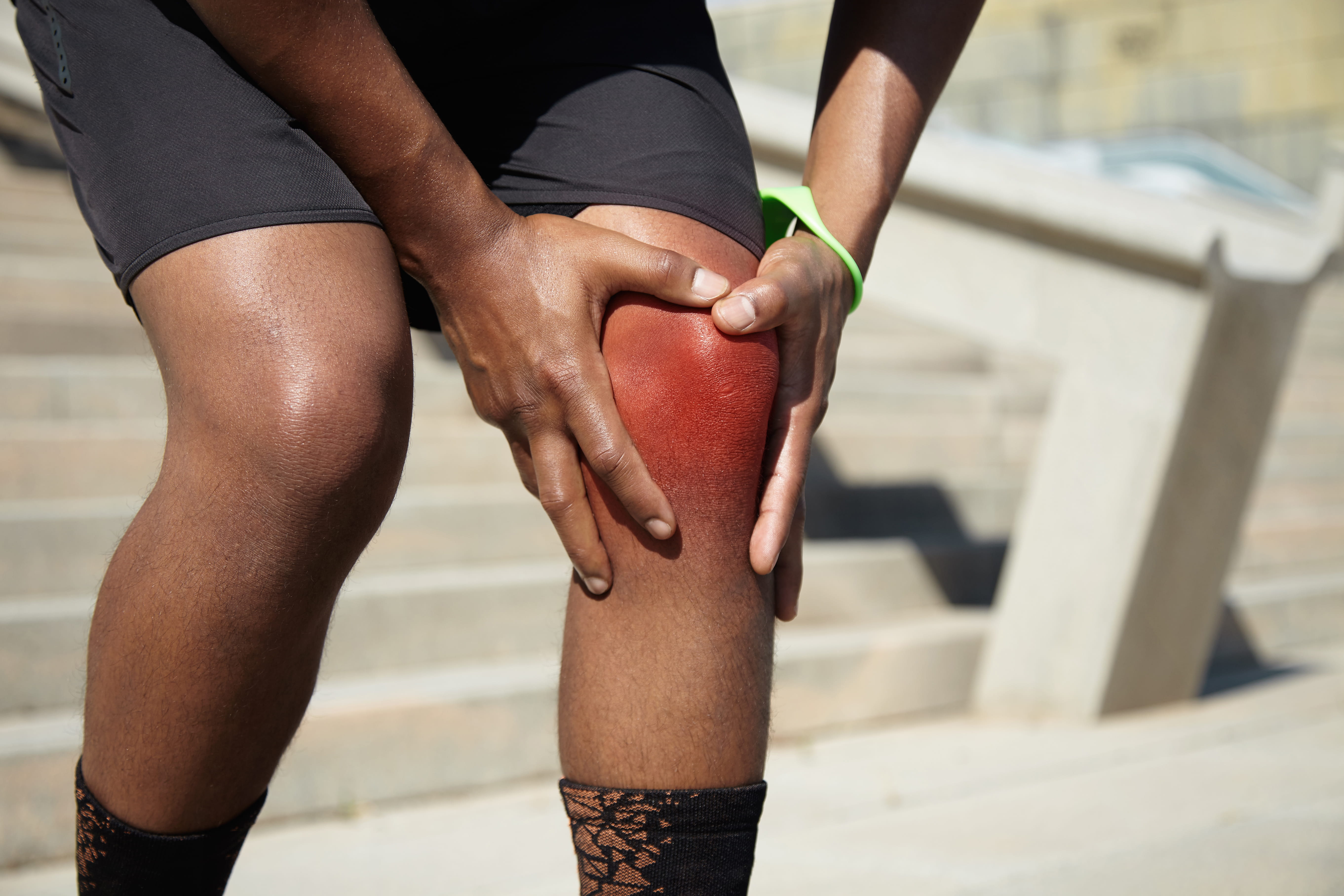
Increasing warmth and redness after the second week: While the surgical site remains warm initially, a progressive increase in warmth, spreading redness, or new wound discharge after initial healing warrants medical review. Early evaluation allows prompt management; delayed assessment can complicate treatment.
Calf pain or swelling: Deep vein thrombosis (blood clots) can occur after knee replacement despite preventive measures. Calf pain, asymmetric swelling, or warmth in the lower leg warrants same-day evaluation. Clots can migrate to the lungs, which is a serious and potentially life-threatening event.
Sudden inability to bear weight or new instability: If the knee was stable and suddenly feels like it will give way, something has changed mechanically, such as a ligament issue, implant concern, or fracture. This should be evaluated promptly rather than monitored at home.
Fever above 38.5°C: Low-grade temperature elevation can occur normally after surgery. Fever that develops after the first few days, or a high fever at any point, may indicate infection.
Why Early Evaluation Matters
Joint infections identified within days often respond to irrigation, debridement, and antibiotics while keeping the original implant. Infections present for weeks may require implant removal, a temporary spacer, prolonged antibiotics, and eventual reimplantation, turning a single surgery into a much longer process.
Blood clots identified early generally receive anticoagulation and often resolve well. Clots that propagate or travel to the lungs can cause lasting harm.
A reasonable approach is to contact your surgical team about any symptom you’re unsure of. They would rather answer questions than manage complications that could have been addressed earlier.
Important Note: Infection can present with subtle symptoms, such as persistent low-grade warmth at the incision, mild drainage, or general malaise. Dramatic symptoms are not always present in a serious problem. If something feels wrong, it is worth having it checked.
Commonly Asked Questions
How long should I use a walking aid after knee replacement?
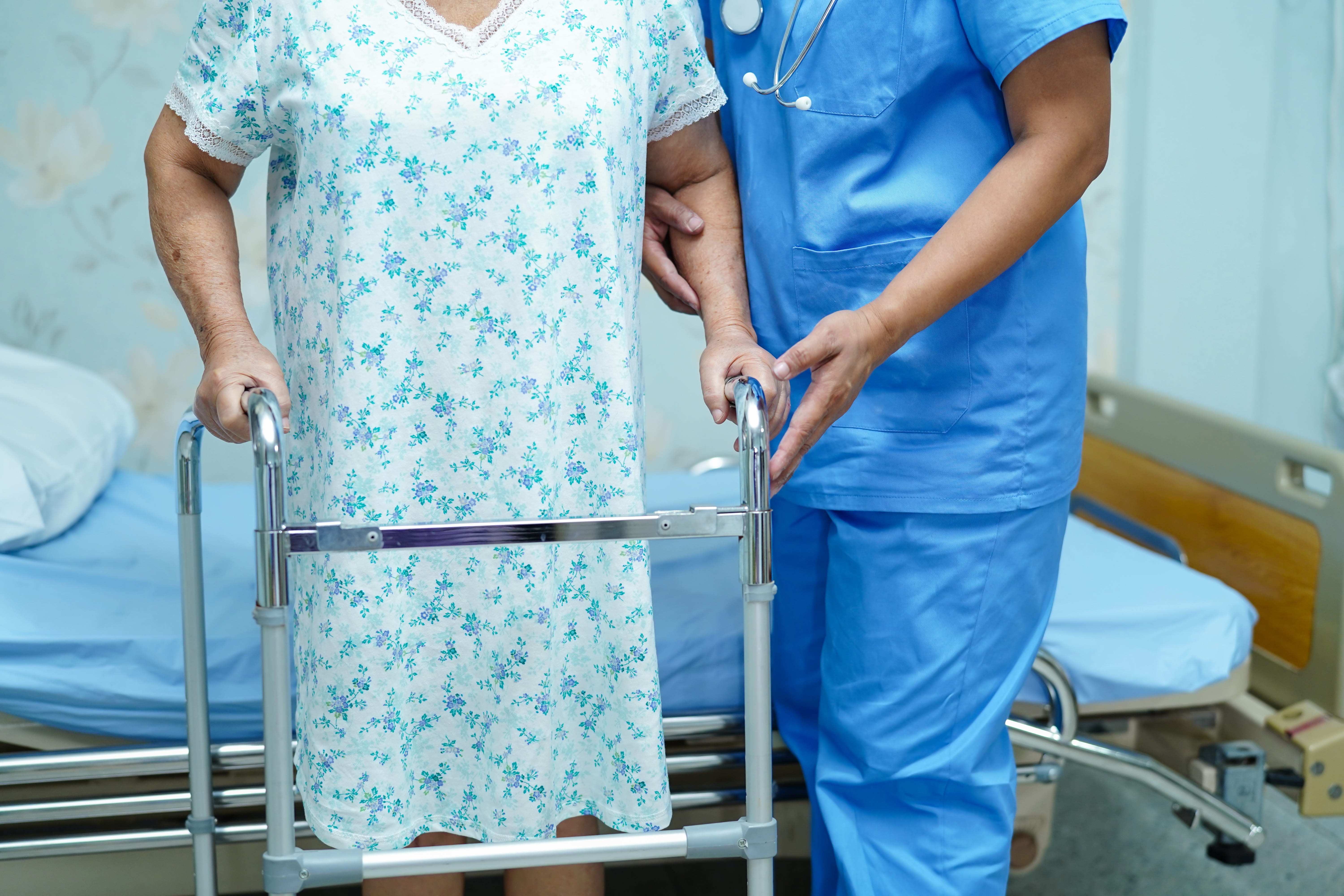
Many patients transition from a walker to a cane within 2 to 4 weeks, then discontinue the cane by around 4 to 6 weeks. The timeline depends on quadriceps strength, balance confidence, and gait pattern rather than a fixed number of weeks. Stopping aids while still limping can reinforce compensatory movement patterns. Your physiotherapist should assess readiness based on observed gait quality rather than elapsed time.
When can I drive after knee replacement surgery?
Driving requires reliable emergency braking, which depends on quadriceps strength and reaction time. For a right knee replacement, most patients need around 4 to 6 weeks before safely controlling the brake pedal. A left knee replacement with an automatic transmission may allow an earlier return, typically 2 to 4 weeks, once off sedating medication. Your surgeon should formally clear you to drive based on strength testing rather than a general timeline.
Is it normal for my knee to be swollen months after surgery?
Some swelling can persist for 6 to 12 months and may fluctuate with activity level. However, swelling that progressively worsens, occurs with increasing warmth, or accompanies worsening pain warrants evaluation. Swelling within the normal range typically improves with elevation and decreases over time. Swelling from complications typically worsens or fails to improve with standard management.
What happens if I never regain full range of motion?
Permanent motion limitation affects function differently depending on its degree. Loss of full extension (straightening) can affect gait and lead to compensatory strain. Difficulty bending the knee to around 90 degrees or more can limit stair climbing and sitting comfort, since both activities generally require flexion in this range. Manipulation under anaesthesia can sometimes help release scar tissue if performed within the first few months. After scar tissue matures, surgical release or revision may be considered for more significant limitations.
Can I kneel after knee replacement?
Kneeling becomes possible for many patients but can remain uncomfortable due to altered sensation at the surgical site. The implant itself isn’t damaged by kneeling on padded surfaces. Many patients find kneeling on the non-operated knee more comfortable and use cushioning when kneeling on the replaced side. Full comfort with kneeling may take 1 to 2 years, or in some cases may not fully return.
Next Steps
Attend scheduled physiotherapy sessions, particularly during the first two weeks when scar tissue is still most workable, and use prescribed pain medication as directed to support effective rehabilitation. Report any increasing warmth or redness after the second week, calf pain or swelling, sudden instability, or fever above 38.5°C to your surgical team without delay, as early identification of these issues can significantly change the outcome. Activity progression should generally follow clinical clearance based on strength testing, rather than perceived comfort or elapsed time.
If you are experiencing persistent knee pain, stiffness, signs of possible infection, or concerns about your recovery after knee replacement, an orthopaedic surgeon can assess your condition and discuss suitable treatment options with you.