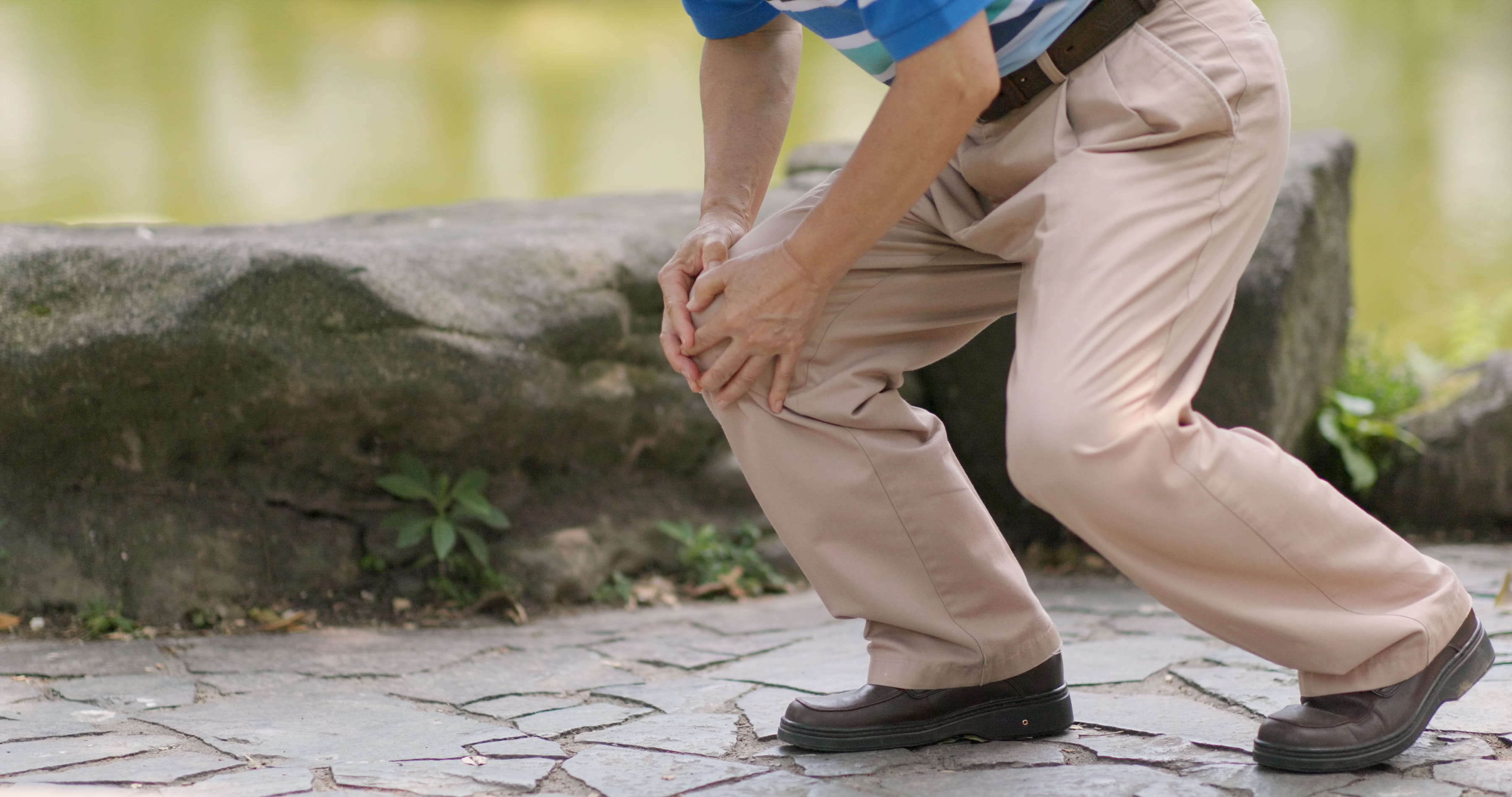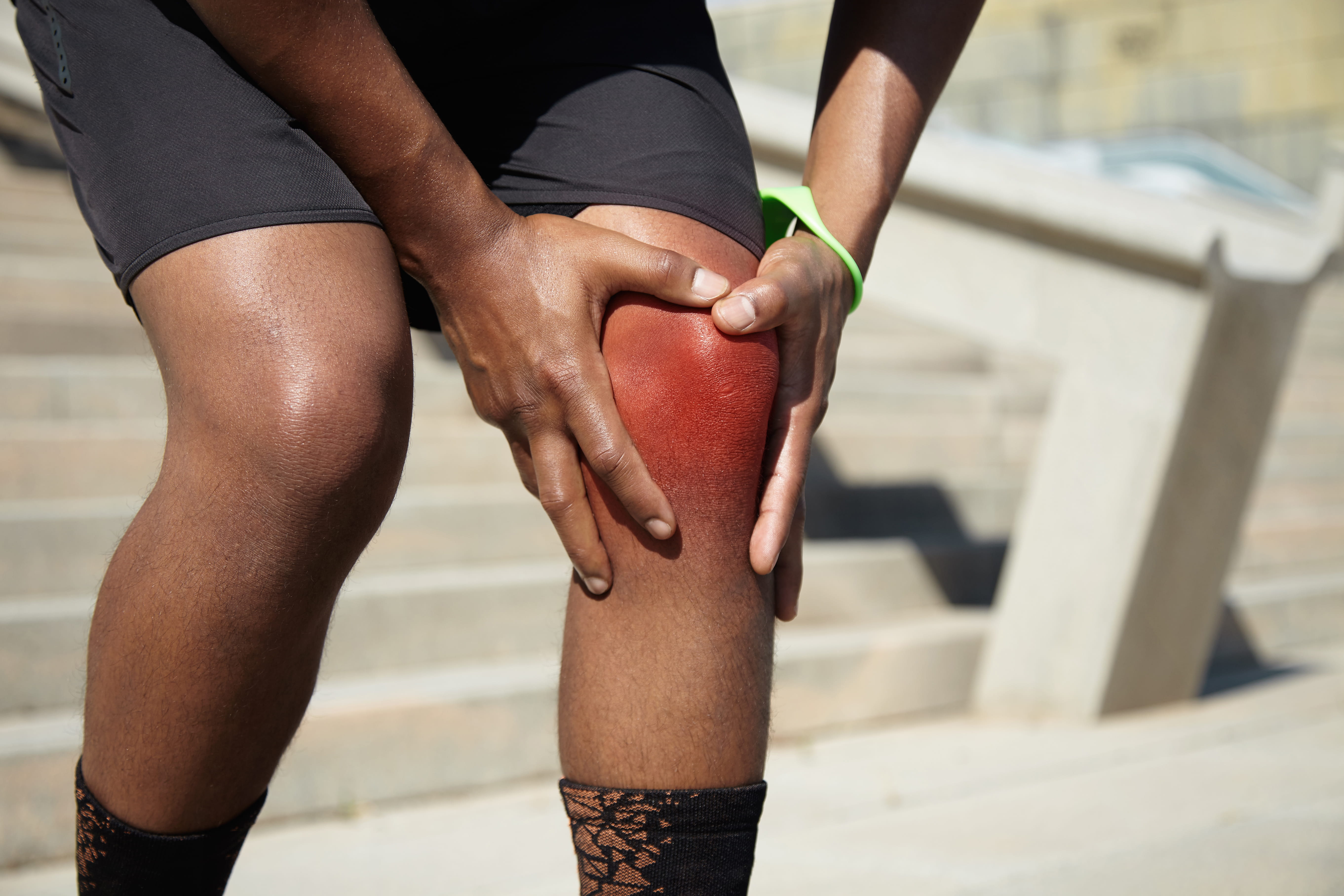

The peroneal nerve wraps around the fibula just below the knee, placing it close to the surgical field during knee replacement. Foot pain after knee replacement occurs through several mechanisms, including altered gait patterns, compensatory movements, and referred nerve sensations. The surgical limb undergoes substantial changes in alignment and muscle activation, affecting the entire kinetic chain from hip to toes.
Why Pain Extends Beyond the Surgical Site
The knee functions as the central link in your lower limb’s movement chain. When surgeons replace the joint, they must detach and reattach muscles, cut through bone, and position metal and plastic components within precise tolerances. Your body responds by sending inflammatory signals throughout the leg, causing swelling that can compress nerves and blood vessels far from the incision.
Surgical positioning during the procedure also contributes:
- Your leg remains immobilised for several hours, sometimes in positions that stretch or compress peripheral nerves.
- The peroneal nerve, which wraps around the fibula just below your knee, is particularly vulnerable, and compression of this nerve can produce numbness, tingling, or burning sensations along the outer shin and top of the foot.
- Blood pooling during recovery creates additional pressure on soft tissues, as gravity pulls fluid downward, making ankles and feet swell, sometimes noticeably in the first two weeks.
- This swelling stretches skin, compresses nerve endings, and restricts joint movement, and it contains inflammatory proteins that can sensitise nerve endings, which explains why mild pressure or temperature changes can produce disproportionate discomfort in the foot during early recovery.
Foot Pain After Knee Replacement: Common Causes
Altered Walking Mechanics
Before surgery, many patients develop compensatory movement patterns to protect their painful knee, such as:
- Placing more weight on the outer or inner edge of the foot
- Shortening the stride
- Rotating the leg to avoid bending
These adaptations become habitual over months or years. After surgery, your new knee joint allows different movement patterns, but your muscles and proprioceptive system need time to adjust. During this transition, you might overload areas of your foot that weren’t previously stressed, such as the plantar fascia, Achilles tendon, and small joints of the midfoot.
Swelling and Fluid Accumulation
Post-surgical swelling follows gravity. Even with elevation and compression, fluid accumulates in the ankle and foot, particularly during the first six weeks. This swelling causes:
- A distinct aching sensation
- Tightness when moving the ankle
- Difficulty fitting into shoes
Nerve Involvement
Several nerves pass near the surgical field:
- The saphenous nerve runs along the inner knee and can be stretched or irritated during surgery, producing burning or tingling along the inner shin and ankle.
- The sciatic nerve, though further from the incision, may occasionally be affected by positioning during surgery or subsequent swelling.
Foot pain after knee replacement that follows a specific pattern, such as numbness on top of the foot or burning along the sole, often indicates nerve involvement rather than structural problems.
Referred Pain Patterns
Pain signals don’t always originate where you feel them. The lumbar spine, hip joint, and knee share overlapping nerve pathways, so irritation at any point along these pathways can produce sensations in the foot. Patients with pre-existing lower back conditions may notice increased foot symptoms during knee recovery, particularly if reduced mobility aggravates spinal structures.
Timeline of Normal Recovery Sensations
Weeks 1-2
- Expect noticeable swelling throughout the leg, with foot and ankle discomfort typically peaking during this period, particularly after upright activity.
- Elevating the leg above heart level for most of the day may help manage fluid accumulation.
- Numbness around the incision and along the inner shin is common and typically improves over subsequent months.
Weeks 3-6
- Swelling gradually decreases but fluctuates based on activity level.
- Standing for longer periods produces predictable foot aching that generally resolves with elevation.
- Walking distances increase, but so does mechanical stress on the foot.
- Many patients notice arch or heel discomfort as they transition from primarily sitting to more walking.
Weeks 6-12
- Swelling should be significantly reduced by this stage, though some puffiness may persist, especially by evening.
- Foot pain during this phase often relates to increased activity rather than surgical inflammation.
- The muscles and tendons of the foot are typically adapting to new movement patterns and strengthening accordingly.
Beyond 12 Weeks
Persistent foot pain beyond three months warrants evaluation. While some swelling and occasional discomfort can continue for up to a year, progressive or worsening foot symptoms suggest issues that need assessment.
Did You Know?
The knee replacement implant changes your leg’s centre of rotation slightly, which alters force distribution through every joint below it. Your foot essentially learns to work with a mechanically different limb during recovery. Understanding this process is easier once you’re familiar with how the types of knee replacement surgery differ in terms of implant positioning and joint mechanics.
Distinguishing Normal Discomfort from Warning Signs
Normal post-surgical foot sensations share certain characteristics:
- They typically improve with elevation
- They worsen predictably with activity
- They decrease gradually over weeks
- The discomfort is usually diffuse rather than pinpoint, and both feet may swell to some degree due to reduced overall mobility.
Concerning symptoms follow different patterns:
- Pain that increases despite rest
- Swelling in only one leg that develops suddenly
- Discomfort accompanied by skin colour changes
- Temperature differences between legs, such as one leg feeling significantly warmer or cooler than the other, can indicate circulatory changes that need assessment.
Symptoms Requiring Same-Day Evaluation
- Sudden severe calf pain with foot swelling, which may indicate deep vein thrombosis, a blood clot requiring immediate treatment
- Fever combined with increasing redness spreading from the knee toward the foot, which suggests a possible infection
- Inability to move the foot or toes, or complete numbness that develops suddenly, which indicates nerve compression that may need urgent intervention
Symptoms to Discuss at Your Next Appointment
- Persistent tingling or burning that doesn’t improve over weeks
- Foot pain that interferes with sleep despite elevation
- Inability to bear weight comfortably on the foot by six weeks post-surgery
These symptoms may indicate addressable issues like nerve entrapment, ongoing inflammation, or mechanical problems with gait.
Management Strategies for Foot Discomfort
Elevation Technique
Effective elevation requires positioning your foot above heart level, not simply propping it on a footstool. Lying down with pillows under the entire calf and foot, creating a gentle upward slope, tends to facilitate fluid clearance efficiently. Aim for elevation periods of at least 20 to 30 minutes, several times daily during the first six weeks.
Compression Application
- Graduated compression stockings apply higher pressure at the ankle and less at the knee, promoting fluid return toward the heart.
- Your surgical team may prescribe specific compression levels based on your clinical evaluation.
- Stockings should feel snug but not painful, and you should remove them if you notice increased numbness, colour changes, or skin irritation.
Movement and Circulation
Ankle pumps, which involve repeatedly flexing and pointing your foot, activate the calf muscles that help pump blood and lymphatic fluid upward. Perform these exercises hourly when awake, completing 10 to 20 repetitions each session. This movement may help reduce swelling and the associated foot discomfort.
Appropriate Footwear
- Wear supportive shoes with cushioned soles and adequate width to accommodate swelling.
- Avoid going barefoot on hard surfaces, which stresses already-fatigued foot structures.
- Slip-on shoes or those with adjustable straps tend to accommodate fluctuating foot size better than lace-up styles during early recovery.
Important Clinical Warning:
Never massage a swollen calf vigorously after surgery. If a blood clot has formed, massage could dislodge it. Gentle ankle movements are safe; deep tissue work on the calf is not.
Supporting Your Recovery
- Maintain your physiotherapy programme. The exercises prescribed for your knee also support circulation and muscle function throughout the leg, which may reduce foot symptoms indirectly.
- Track your symptoms. Note when foot pain occurs, what makes it better or worse, and whether it’s changing over time. This information helps your medical team identify patterns.
- Stay within activity guidelines. Pushing beyond recommended limits can increase swelling and delay the adaptation process. Gradual progression supports both your new knee and your recovering foot.
- Address pre-existing foot conditions. If you had bunions, plantar fasciitis, or other foot problems before surgery, these may flare during recovery. Mention them to your care team so appropriate management can be included in your rehabilitation plan.
- Adjust expectations realistically. Complete resolution of all lower limb discomfort can take months. Improvements typically happen in increments, sometimes with temporary setbacks during periods of increased activity.
To understand how your original knee condition and the surgery itself factor into recovery, our knee replacement surgery guide covers the procedure and rehabilitation process in more detail.
When to Seek Professional Help
- Sudden calf swelling with warmth and tenderness
- Foot or toes turning blue, white, or mottled
- Complete numbness that develops after leaving the hospital
- Fever above 38°C with increasing leg pain
- Foot pain severe enough to prevent any weight-bearing by week six
- Open wounds or drainage appearing on the foot
- Progressive weakness when trying to lift the foot or toes
Commonly Asked Questions
Is it normal to have more foot pain than knee pain after replacement surgery?
Some patients do experience this, particularly in the first few weeks when surgical site numbness reduces knee sensation while swelling maximises foot discomfort. As knee sensation returns and swelling resolves, this balance typically shifts. Persistent foot pain exceeding knee pain beyond six weeks needs evaluation.
How long will foot swelling last after knee replacement?
Mild swelling can persist for several months, with noticeable improvement typically occurring by weeks six to eight. Evening swelling after active days may continue for up to a year. The trajectory matters more than the timeline; swelling should be progressively decreasing, even if slowly.
Should I see a podiatrist for foot pain after knee replacement?
Consult your orthopaedic surgeon first, as they need to rule out surgery-related causes. If foot symptoms persist after surgical factors are addressed, referral to a podiatrist for assessment of mechanical issues or pre-existing conditions may be appropriate.
Can the knee replacement itself cause permanent foot problems?
Permanent foot problems from knee replacement are uncommon, and many foot symptoms resolve as the leg adapts to the new joint mechanics. Nerve injuries occasionally cause lasting numbness or tingling. Recovery from nerve involvement is variable: research indicates many patients see improvement within six to twelve months, though recovery can take longer, particularly with more significant nerve involvement, and a full return to normal sensation is not guaranteed in every case.
Will custom orthotics help with foot pain during recovery?
Orthotics may help once your gait pattern stabilises, typically after three months. Using custom devices too early can interfere with natural adaptation. Supportive off-the-shelf insoles provide adequate cushioning during early recovery without locking in compensatory patterns.
Next Steps
Foot pain after knee replacement is most often the result of post-surgical swelling, nerve irritation, or gait adaptation, all of which tend to resolve over weeks to months. Monitor for the warning signs outlined above, particularly sudden calf swelling, changes in foot colour, or numbness that develops after discharge. Keep your surgical team informed of any new or worsening symptoms, as early assessment of issues such as nerve compression or deep vein thrombosis can lead to better outcomes.
If you are experiencing persistent foot numbness or burning, sudden one-sided calf or foot swelling, or foot pain that prevents weight-bearing by week six, consult an orthopaedic surgeon promptly.