Following a knee injury, many individuals explore whether a meniscus tear can be managed without surgical intervention. Understanding what non-surgical care can realistically achieve begins with identifying the precise location, pattern, and size of the tear through a thorough clinical evaluation.
What Is a Meniscus Tear and Why Does It Matter?
A meniscus tear involves damage to one of the two C-shaped pieces of fibrocartilage positioned between the thighbone (femur) and shinbone (tibia). These structures act as joint shock absorbers, helping distribute load evenly across the knee and maintaining overall joint stability.
When a tear occurs, the joint may experience pain, swelling, or restricted movement. The meniscus functions similarly to a cushioning washer: when frayed or torn, joint mechanics are altered. Treatment depends on whether the damaged tissue has the biological potential to heal or if the tear causes mechanical symptoms that require procedural attention.
Types of Meniscus Tears and How They Affect Healing
The type of tear you have is an important factor in deciding whether non-surgical meniscus tear treatment is appropriate for you.
The meniscus can be divided into zones based on blood supply. The outer third (called the red zone) has a good blood supply, which means it receives the oxygen and nutrients needed for tissue repair. The inner third (called the white zone) has little to no blood supply, which means it has very limited capacity to heal on its own. The middle portion (the red-white zone) sits in between.
Blood supply is a key reason why some tears heal naturally, and others do not. It works much like a cut on your skin: a small graze on a well-supplied area heals quickly, while a deep cut in a poorly supplied area may need stitches to close properly.
Tears That May Heal on Their Own
- Small, stable tears in the outer red zone
- Vertical longitudinal tears (running along the length of the meniscus) that are shorter than about 10 mm and not displaced
- Tears in younger patients with acute injuries and intact knee ligaments
- Tears that do not cause mechanical symptoms such as locking or catching
Tears That Typically Require Surgical Intervention
- Tears in the inner white zone, where blood supply is absent
- Radial tears (cutting across the width of the meniscus), which disrupt the structural integrity of the entire meniscus
- Bucket handle tears, where a large flap of meniscus displaces into the joint and causes locking
- Complex tears with multiple planes of injury, particularly when they cause mechanical symptoms
- Tears accompanied by ligament injuries or significant knee instability
Degenerative tears, which are more common in older adults, are usually managed differently: guidance advises that most people with a meniscus tear start with non-surgical care such as exercise-based physiotherapy, with surgery reserved for specific situations.
The following summary can help you understand how tear characteristics may influence treatment decisions. An orthopaedic specialist can confirm the exact tear type through clinical examination and MRI.
|
Tear Location |
Common Tear Patterns |
Healing Potential Without Surgery |
Typical Recommended Approach |
| Red zone (outer third) | Longitudinal, small, stable | Good | Conservative management for stable tears; surgical repair may be considered if the tear is unstable |
| Red-white zone (middle) | Longitudinal, partial | Moderate | Conservative with close monitoring, or surgical repair |
| White zone (inner third) | Radial, complex | Poor | Partial meniscectomy or, in selected cases, surgical repair |
| Any zone | Bucket handle | Very poor | Surgical repair |
| Any zone | Degenerative, complex | Poor | Individualised plan; exercise-based physiotherapy is commonly tried first, with surgery considered if mechanical symptoms persist |
Can a Torn Meniscus Heal on Its Own?
Yes, some meniscus tears can heal without surgery, but only under specific conditions. The most important of these is tear location: a tear in the blood-rich outer zone has a genuine chance of healing naturally, while one in the avascular inner zone has very limited capacity to repair itself.
Beyond location, several other factors may determine whether conservative care is appropriate:
- Tear size and pattern: Small, stable tears tend to respond better to conservative management than large, complex, or displaced tears.
- Patient age: Younger patients generally have better tissue healing capacity and may be more likely to benefit from non-surgical approaches.
- Activity level and goals: A recreational walker has different recovery demands than a competitive athlete, and the plan should reflect that.
- Overall knee stability: If a meniscus tear occurs alongside a ligament injury (such as an anterior cruciate ligament tear), the knee may be too unstable to recover without surgical intervention.
- Symptom profile: Tears that cause mechanical symptoms such as locking, catching, or giving way are less likely to resolve with rest and rehabilitation alone.
An accurate diagnosis is an essential first step. Without knowing the exact tear type, location, and associated findings on MRI, a treatment plan may be based on incomplete information. For more details on treatment options, see meniscus tear treatment in Singapore.
How to Heal a Torn Meniscus Naturally in Singapore
If your tear has been assessed and confirmed as suitable for conservative management, a structured non-surgical programme may be effective. Pursuing a carefully monitored rehabilitation pathway may support recovery while protecting the knee throughout the process.
Rest, Ice, and Early Management
In the first few days after injury, the priority is reducing pain and swelling:
- Rest the knee by avoiding activities that load or twist the joint.
- Ice the area for 15 to 20 minutes at a time, several times a day, to help manage swelling.
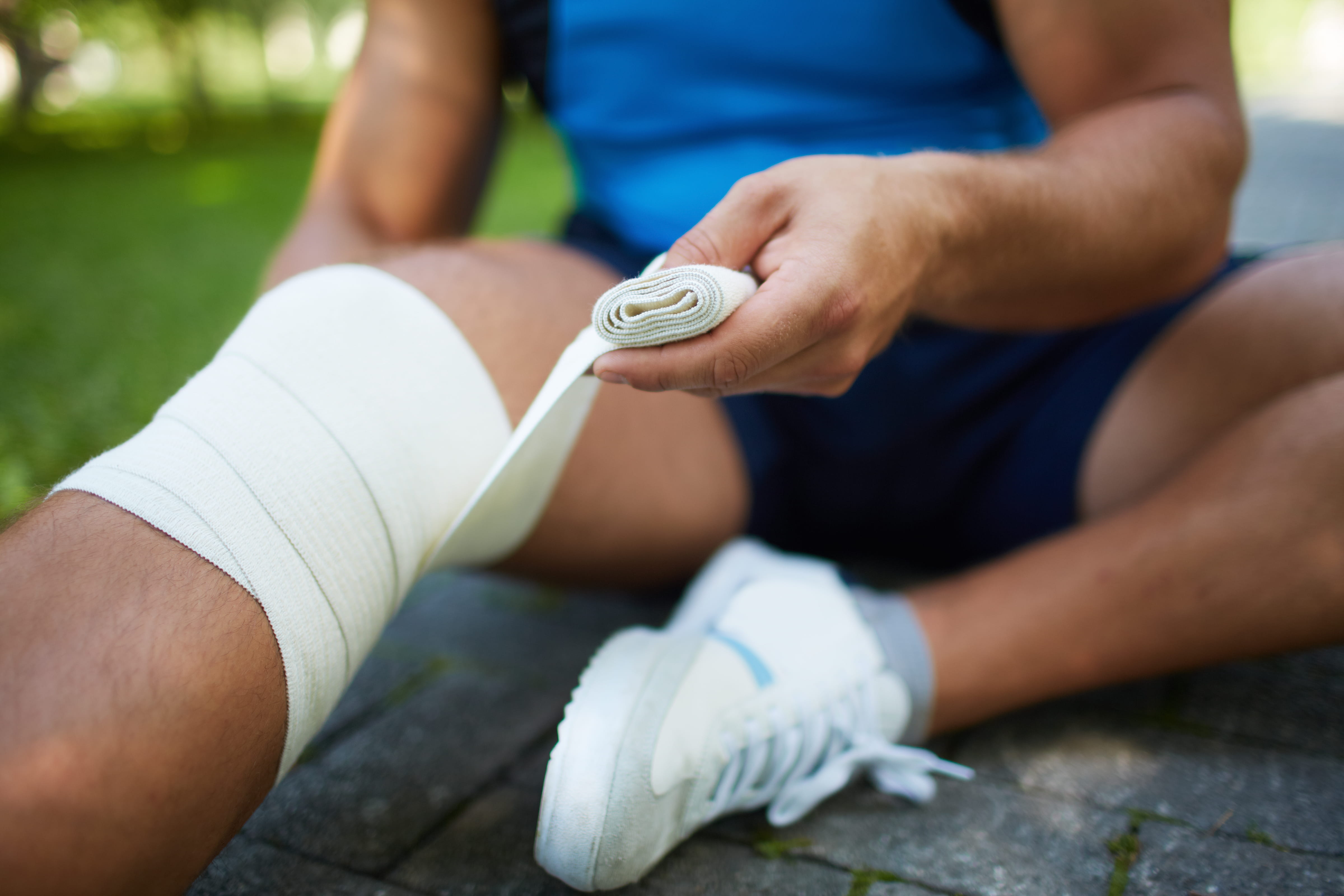
- Compression with a bandage or knee sleeve can provide support and reduce fluid build-up.
- Elevation of the leg when resting may help drain excess fluid away from the joint.
- Over-the-counter anti-inflammatory medications may help manage pain and swelling in the short term. You may wish to discuss this with your doctor before starting any medication.
A knee brace or support may be recommended during this phase to limit range of motion and protect the healing tissue.
Physiotherapy and Guided Rehabilitation
Physiotherapy is a central component of non-surgical meniscus tear treatment. A physiotherapist will assess your movement, strength, and function and design a programme that progresses gradually as your knee recovers. The aims of guided rehabilitation include:
- Restoring full range of motion in the knee
- Rebuilding strength in the muscles that support the joint
- Reducing the mechanical load on the meniscus during daily activities
- Preparing the knee for a return to sport or exercise
Physiotherapy outcomes may vary depending on the accuracy of the underlying diagnosis. The exercises and progression timelines that suit one tear type may not be appropriate for another.
Activity Modification and Gradual Return to Movement
During conservative recovery, activity levels will generally need to be modified. Low-impact movement such as gentle walking, cycling on a stationary bike, or swimming is often encouraged to maintain circulation and muscle tone without stressing the meniscus. High-impact activities such as running, jumping, and pivoting sports are generally avoided until a specialist confirms the knee is ready.
Gradual return to activity does not always follow a straight line. Some days may feel better than others, and this is a normal part of recovery. Progress steadily and discuss any worsening symptoms with your treating team promptly.
Exercises to Support Meniscus Tear Recovery
Targeted exercise is one of the tools used in meniscus tear natural recovery. The goal is to strengthen the muscles around the knee (particularly the quadriceps at the front of the thigh, the hamstrings at the back, and the calf muscles) so that they absorb more load and reduce stress on the injured cartilage.
All exercises should be guided by a physiotherapist or orthopaedic team and tailored to the specific tear and recovery stage. Progressing too quickly can aggravate the injury.
Early-Stage Range of Motion Exercises
In the first one to two weeks, the focus is on gentle movement to prevent stiffness without loading the joint:
- Heel slides: Lying on your back, slowly slide your heel towards your buttocks and back again.
- Ankle pumps: Move the foot up and down at the ankle to maintain circulation.
- Quad sets: Tighten the thigh muscle while the leg is straight, hold for a few seconds, then release.
- Seated knee bends: Sitting in a chair, gently bend and straighten the knee within a comfortable range.
These exercises are commonly recommended to maintain joint mobility and muscle activation early after a knee injury.
Strengthening Exercises for Knee Support
As pain and swelling settle, strengthening exercises are introduced:
- Straight leg raises: Lying on your back with one knee bent, lift the straight leg to the height of the opposite knee.
- Mini squats: Standing with feet shoulder-width apart, bend the knees slightly (to about 30 degrees) and return to standing.
- Calf raises: Standing with feet flat, rise onto your toes and lower slowly.
- Side-lying leg raises: Strengthen the hip abductors, which may help reduce rotational stress on the knee.
Balance and Functional Training
Later in recovery, balance and functional exercises may help prepare the knee for real-world demands:
- Single-leg standing: Progress from holding a surface for support to standing unsupported.
- Step-ups: Stepping onto a low platform and stepping down in a controlled manner.
- Resistance band exercises: Adding light resistance to leg movements to build functional strength.
When to Stop an Exercise
If any exercise causes sharp pain, a locking or catching sensation, or increased swelling in the knee, stop and contact your treating specialist. Some mild discomfort during rehabilitation can be a normal part of recovery. Worsening symptoms may indicate that the tear is not responding as expected and that the treatment plan needs to be reassessed.
Meniscus Tear Natural Recovery Timeline
Recovery timelines depend on tear severity, location, patient age, adherence to rehabilitation, and individual activity goals. A minor outer-zone tear in a young, active person who follows a structured programme may progress differently from a moderate tear in an older adult with some underlying joint wear.
The following timeline is a general guide for minor to moderate tears managed conservatively. Individual recovery plans may differ based on a specialist’s assessment.
|
Phase |
Typical Goals |
Activities to Expect |
Signs of Progress |
| Weeks 1 to 2 | Reduce pain and swelling; protect the knee | Rest, ice, gentle range of motion exercises, walking with support if needed | Swelling begins to settle; pain decreasing at rest |
| Weeks 3 to 6 | Restore range of motion; begin gentle strengthening | Low-impact movement, physiotherapy, stationary cycling | Walking more comfortably; improved knee bend |
| Weeks 6 to 12 | Build functional strength; improve balance | Strengthening programme, step-ups, light resistance work | Climbing stairs with less discomfort; improved stability |
| 3 to 6 months | Return to full activity | Gradual return to sport, higher-demand activities as cleared by a healthcare professional | Completing sport-specific drills without pain or swelling |
Signs That Non-Surgical Treatment May Not Be Working
Conservative management is an appropriate starting point for many meniscus tears, but it is worth monitoring progress carefully. Some tears do not respond to rehabilitation alone, and recognising this early allows for timely reassessment rather than prolonged discomfort.
Speaking with a specialist for a follow-up assessment may be helpful if you notice any of the following:
- Pain that persists or worsens despite several weeks of structured rehabilitation
- Recurrent locking or catching in the knee during daily activities
- Swelling that does not settle within the expected timeframe
- The knee giving way or feeling unstable when walking or on stairs
- Inability to progress through rehabilitation milestones despite consistent effort
- Symptoms that are interfering with sleep or preventing basic daily tasks
These signs do not automatically mean surgery is needed. They may indicate that the tear type or location is different from what was initially assessed, or that the rehabilitation plan needs adjustment. A follow-up consultation with an orthopaedic specialist can help clarify the next steps.
Clinical Insights
In orthopaedic practice, treatment recommendations are guided by the principle of choosing the least invasive path that supports long-term joint preservation. Non-surgical management offers an effective pathway for small, stable outer-zone tears or degenerative tears without mechanical blockages. When mechanical locking or structural instability persists, surgical options, such as keyhole repair or partial meniscectomy, may be discussed to protect remaining joint cartilage.
Making an Informed Decision About Your Meniscus Tear
A small outer-zone tear in a young person is a very different clinical situation from a complex inner-zone tear in someone with early joint wear. A personalised plan developed with an orthopaedic specialist can confirm the tear characteristics, support an appropriate rehabilitation pathway, and allow for reassessment if the picture changes. Non-surgical management is a genuine and effective option for many people, but it works best when it is guided by an accurate diagnosis.
When to Seek Professional Help
- Knee locking or an inability to fully straighten the leg
- Significant swelling that does not subside within a few days of rest
- The knee giving way or feeling unstable during walking or daily activities
- Pain that limits your ability to carry out normal tasks or disrupts your sleep
- A prior knee injury that has not improved with rest and basic self-care
- Uncertainty about whether your current management plan is appropriate for your injury
Commonly Asked Questions
How long does a torn meniscus take to heal without surgery?
Minor tears in the outer blood-rich zone may improve within roughly 6 to 12 weeks with proper, guided rehabilitation, although timelines vary widely. More complex tears, particularly those in the avascular inner zone, may not heal fully without surgical intervention regardless of how long conservative management is continued, although symptoms can still settle without the tear healing. Timelines vary based on tear characteristics, patient age, and how consistently the rehabilitation programme is followed.
Can I still exercise with a meniscus tear?
Exercise may be possible, but the type and intensity should be guided by a specialist or physiotherapist. Low-impact activities such as swimming, stationary cycling, and walking are often encouraged early in recovery, as they may help maintain circulation and muscle tone without placing excessive load on the meniscus. High-impact activities and movements involving twisting or pivoting are generally avoided until a specialist has confirmed it is appropriate to return to them.
How do I know if my meniscus tear is serious enough for surgery?
Tears that cause persistent locking, significant knee instability, or fail to improve after several weeks of structured conservative treatment may warrant a surgical assessment. An MRI scan combined with a clinical examination can help determine the tear pattern, its location within the meniscus, and whether repair or partial removal may be an appropriate course of action. A specialist assessment can help determine the most suitable approach for an individual’s specific situation.
Does age affect whether a meniscus tear can heal naturally?
Age plays a meaningful role. Younger patients with acute tears in the blood-rich outer zone tend to have better natural healing potential, as their tissue repair capacity is generally stronger. In older adults, meniscus tears are more often degenerative in nature and may coexist with early cartilage wear or osteoarthritis (the gradual wearing down of joint cartilage). This can change the treatment approach, as the underlying joint health becomes part of the overall clinical picture. For degenerative tears, exercise-based physiotherapy is commonly the first step, and studies suggest outcomes can be comparable to keyhole surgery.
Is physiotherapy enough to treat a meniscus tear?
For many small, stable tears in the outer zone, physiotherapy combined with activity modification may be a sufficient treatment approach. Physiotherapy tends to support better outcomes when it is guided by an accurate diagnosis that confirms the tear is suitable for conservative management.
Next Steps
If you suspect a meniscus injury, managing acute symptoms with rest, ice, and gentle range-of-motion exercises as advised by a medical professional can help stabilise the joint. Documenting any instances of buckling, locking, or swelling will provide valuable context during your evaluation.
Learn More About Meniscus Tear Treatment in Singapore
If you would like to explore your options further, detailed information about meniscus injury assessment and treatment approaches is available on our meniscus tear treatment page. Whether you are in the early stages of injury or have been managing symptoms for some time, a consultation with a healthcare professional can help clarify the most appropriate next steps for your situation. You may contact the clinic to arrange a consultation.