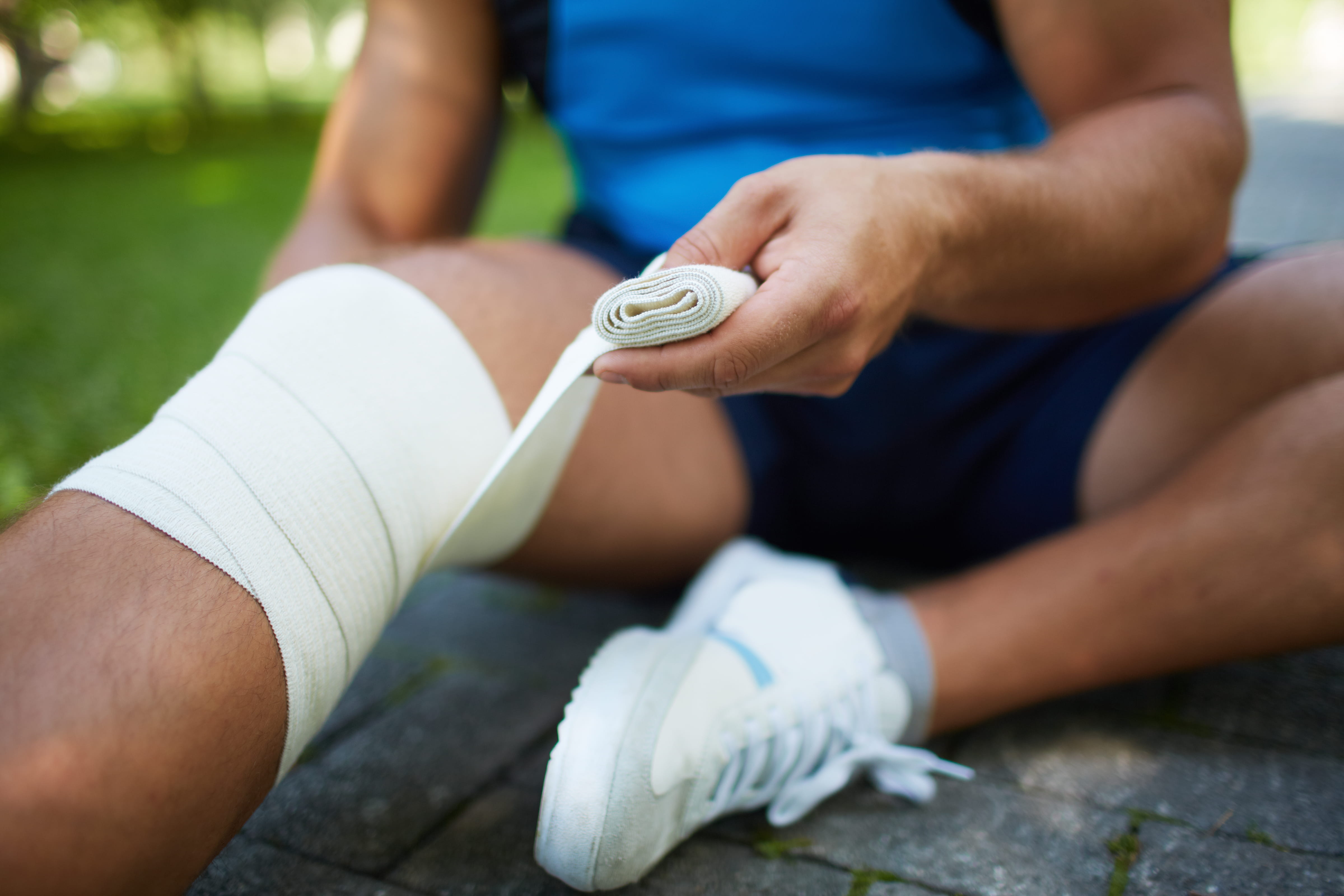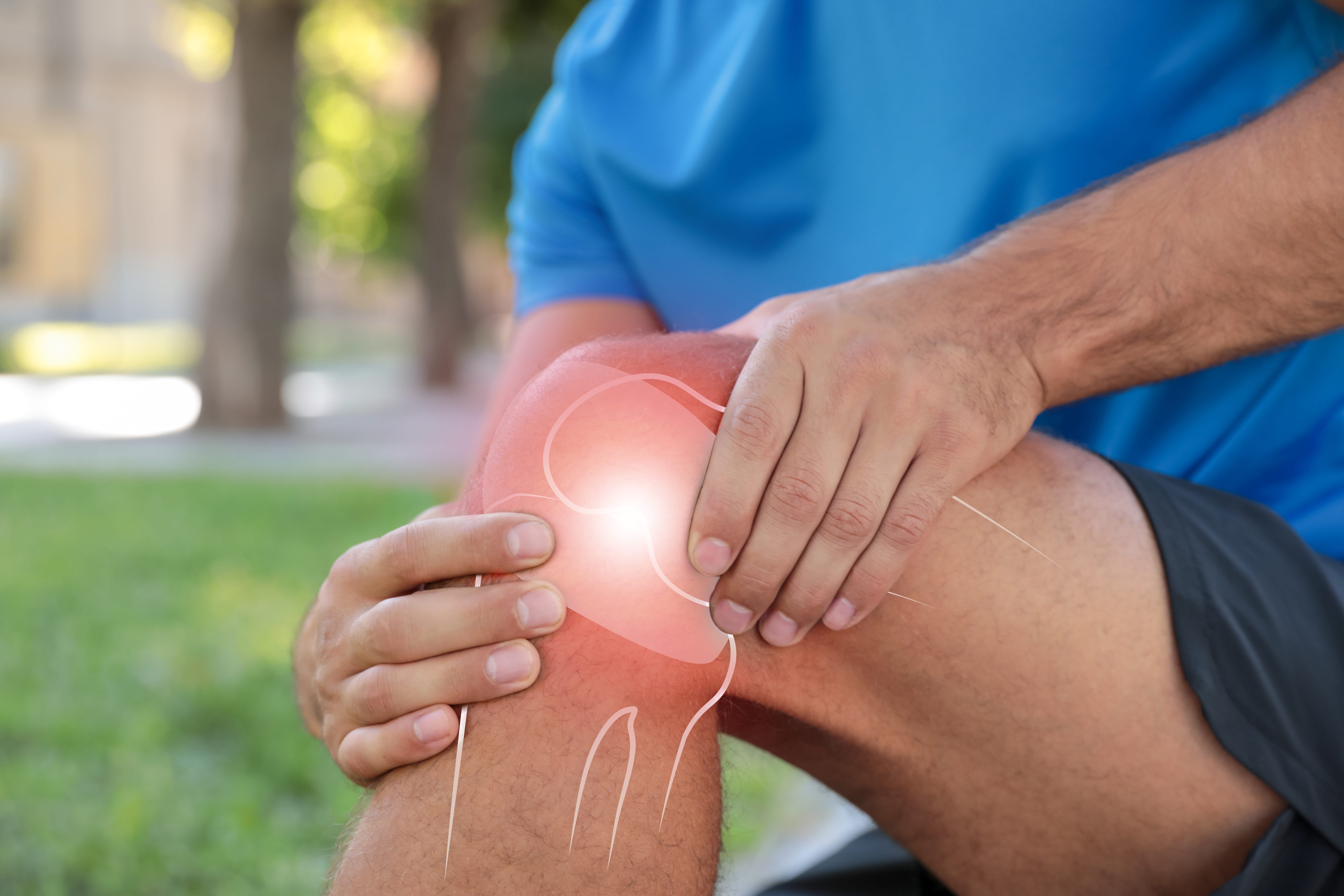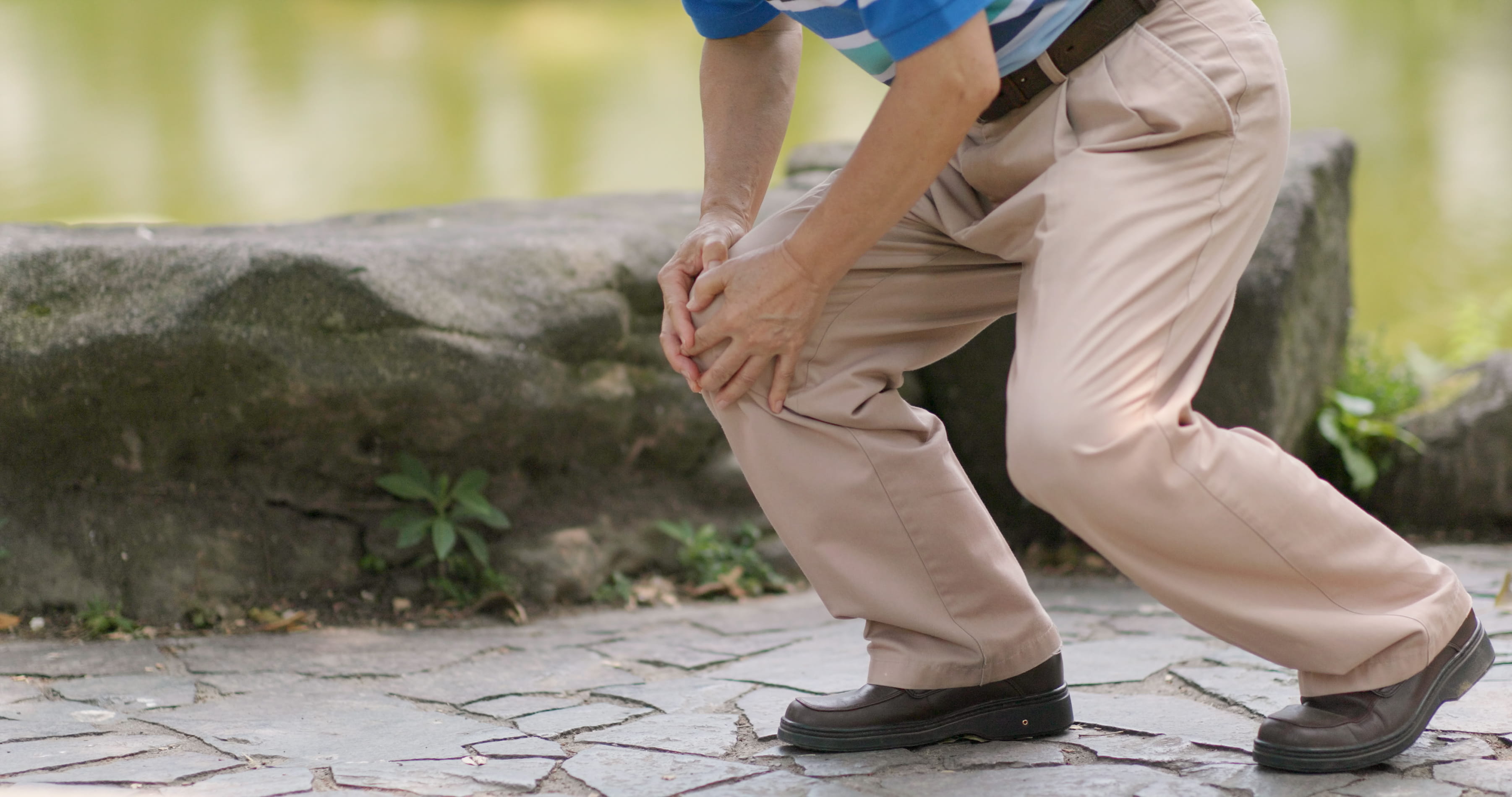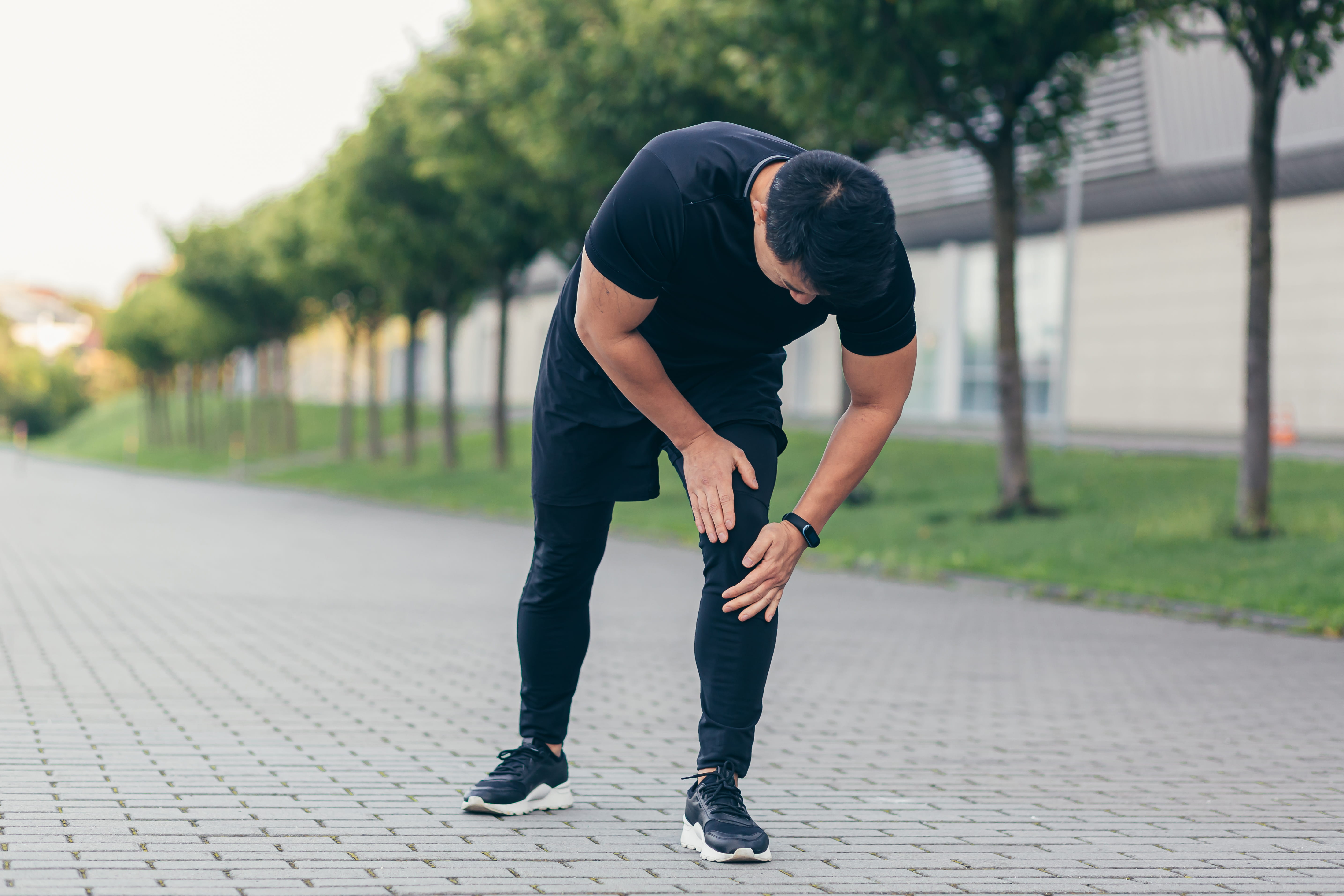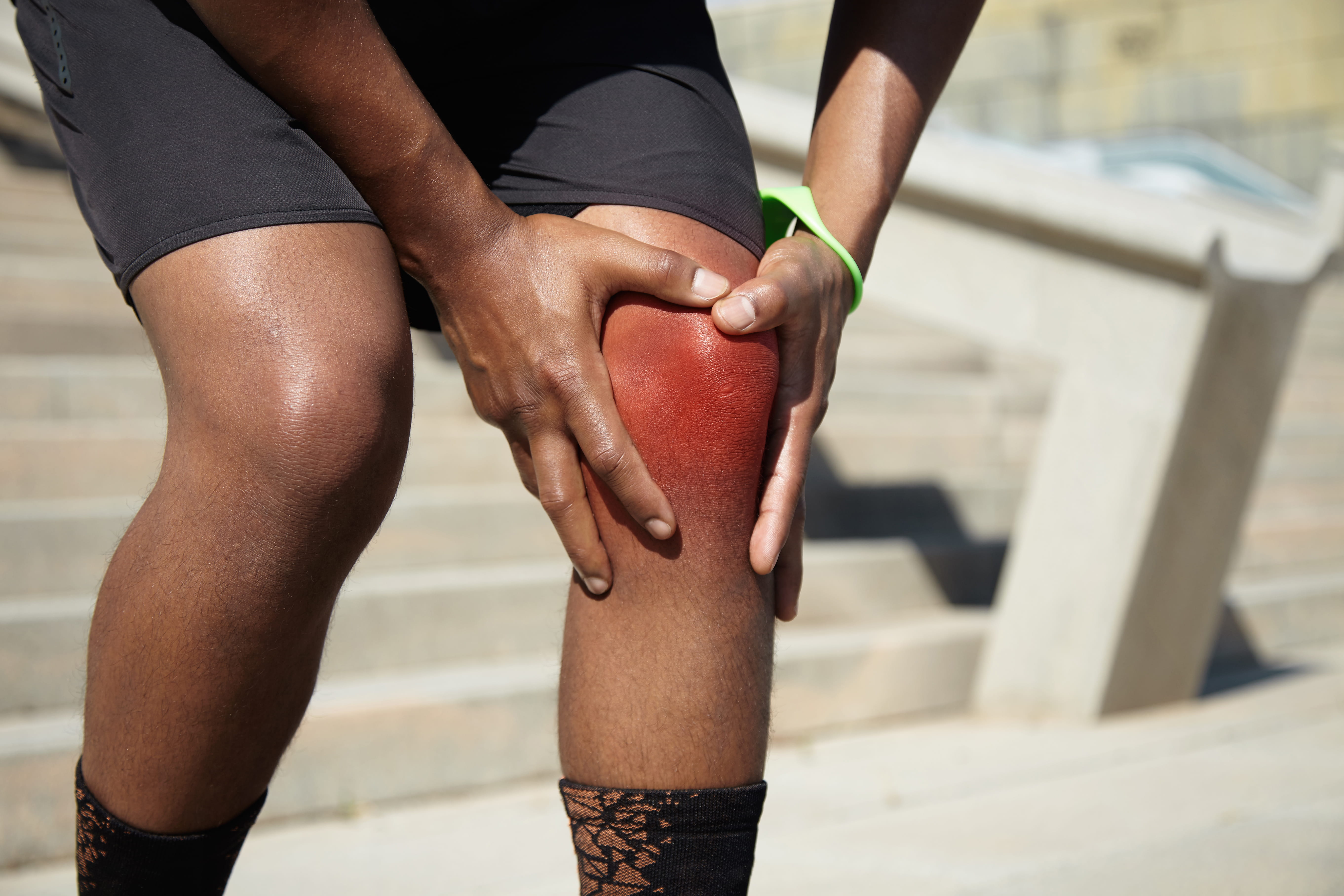
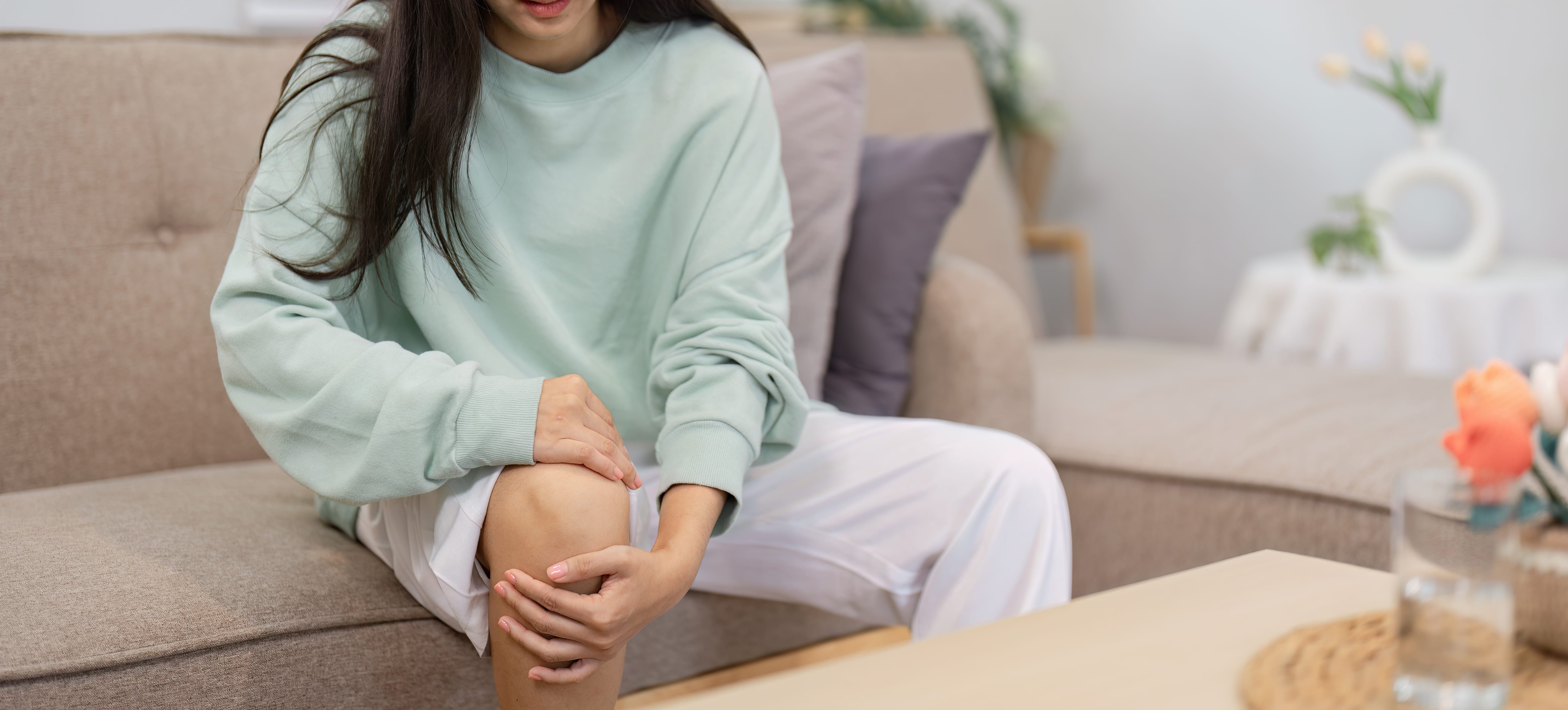
A sudden pop, a knee that feels unstable, or a recent diagnosis can raise many questions as individuals seek to understand what has occurred within the joint. The anterior cruciate ligament (ACL) sits in the centre of the knee and is among the more commonly injured knee ligaments, particularly during activities involving pivoting, twisting, jumping, or sudden changes in direction. Following an ACL injury, some patients report hearing or feeling a pop, experiencing a sensation of joint instability, and noticing swelling within a few hours, though individual symptoms vary.
Understanding Where the ACL Is and Why It Matters for Your Knee
You may have felt your knee twist during a game, or you may be reading this because an MRI report mentioned a “torn ACL”.
Where Is the ACL in Your Knee?
The anterior cruciate ligament (ACL) is a band of tissue deep in the centre of your knee. It links your thighbone (femur) to your shinbone (tibia). It crosses the posterior cruciate ligament (PCL) like an “X”. It helps limit forward sliding of your shinbone and helps keep your knee steady when you pivot, stop or change direction.
How the ACL supports knee stability
Think of the ACL as a rope inside a hinge. It helps hold the thighbone and shinbone in line while the joint bends, straightens and rotates.
You rely on this stability more often than you may realise:
- Stopping suddenly when a traffic light changes
- Turning quickly to catch a falling object
- Stepping off a kerb or down a staircase
- Cutting sideways in football, futsal or basketball
Where the ACL sits relative to other knee ligaments
The ACL does not work alone. Other knee ligaments share the job of keeping the joint steady.
| Ligament | Location | Primary Function | Common Injury Mechanism |
| ACL (anterior cruciate ligament) | Centre of the knee, crossing the PCL | Helps limit the shinbone sliding forward and helps control rotation | Sudden stop, pivot or awkward landing |
| PCL (posterior cruciate ligament) | Centre of the knee, behind the ACL | Helps limit the shinbone sliding backwards | Hard blow to the front of the shin or a fall onto a bent knee |
| MCL (medial collateral ligament) | Inner side of the knee | Helps resist force pushing the knee inward | Blow to the outer side of the knee |
| LCL (lateral collateral ligament) | Outer side of the knee | Helps resist force pushing the knee outward | Blow to the inner side of the knee |
What Does a Torn ACL Look Like?
A torn ACL has damaged fibres. A healthy ligament looks like a tight, smooth rope. A torn one may look frayed, stretched or completely separated. The injury often causes bleeding inside the joint, which can lead to swelling and sometimes bruising around the knee.
Partial ACL tear and complete ACL tear
Imagine a rope under strain. In a partial tear, some strands fray, but others still hold. In a complete tear, the rope separates into two.
- Partial tear: Some fibres remain intact. The knee may feel less unstable at first, but the damaged fibres may weaken further over time.
- Complete tear: The ligament no longer connects the thighbone and shinbone. The knee may feel unreliable during twisting or turning movements.
A partial tear is not always a minor injury. Some people with a partial tear still notice instability, and the damage may progress.
What an MRI of a torn ACL typically shows
An MRI (magnetic resonance imaging) scan uses a strong magnetic field and radio waves to create detailed pictures of soft tissue inside your knee. On a healthy knee, the ACL usually appears as a continuous band. With a torn ACL, the band may look disrupted, wavy or absent. The scan may also show fluid in the joint and, sometimes, bruising of the nearby bone. It can also show damage to the cartilage or meniscus (the cushioning pads in your knee), which may help your doctor plan your care.
How an ACL Injury Happens
An ACL injury usually happens when the knee is forced beyond its normal range during a pivot, a sudden stop or a hard landing. Rapid deceleration (slowing down quickly) can make the thigh muscles pull hard, and the shinbone may shift forward. The ACL takes the strain. If the force is greater than the ligament can bear, it may tear.
Sports and activities associated with ACL injuries in Singapore
Many ACL injuries happen in sports that involve quick direction changes. A study of surgically treated ACL tears in Singapore reported soccer, basketball, racquet games (such as badminton) and volleyball among the sports most often involved. Common examples include:
- Football and futsal: Twisting with the foot planted, especially on hard courts
- Basketball: Landing awkwardly after a jump or cutting sharply
- Badminton: Lunging, then pushing off to change direction
- Running and training: Stepping unevenly on a kerb, track or trail
Recreational players and weekend athletes can be affected as well as competitive ones.
Non-contact ACL injuries
Many people assume an ACL injury needs a heavy tackle. However, many happen without any contact. You may simply land from a jump with your knee collapsing inward, or you may pivot while your foot stays fixed on the ground.
Everyday moments can cause the same injury. A slip on a wet floor, a misjudged step on the stairs or a sudden stop while carrying something heavy can all strain the ligament.
Signs and Symptoms That Suggest a Torn ACL
A torn ACL may cause:
- A pop at the time of injury
- Swelling
- A knee that feels unstable
- Difficulty putting weight on the leg
These signs can also appear with other knee injuries, so only a proper assessment can confirm the cause.
The “pop” and swelling pattern
Many people describe a loud or felt “pop” in the knee at the moment of injury. Swelling often follows within hours, because bleeding inside the joint can cause it to fill with fluid. Your knee may feel tight, warm and difficult to bend or straighten fully.
Knee instability and giving way during daily activities
Once the swelling settles, a different problem, knee instability, may appear. Your knee may feel as if it could buckle, especially when you:
- Turn quickly or pivot on one leg
- Walk on uneven ground
- Go down stairs
- Return to sport
Other signs include:
- Pain along the joint line
- A reduced range of motion
- A feeling that you cannot trust the knee
Why a Torn ACL Often Does Not Heal on Its Own
A torn ACL often does not heal on its own, although outcomes for partial tears vary between individuals. The ligament generally does not knit back together the way a small skin cut can.
The ACL has a relatively limited blood supply. Blood carries the cells and nutrients that tissue needs to repair itself. The ACL also sits inside the joint, bathed in joint fluid, which may make it harder for a healing clot to form around a tear. As a result, the torn ends generally do not rejoin.
You may notice your knee feeling better after a few weeks. This is often the body’s inflammatory response settling down, so swelling and pain reduce. It does not necessarily mean the ligament has healed. The structure may still be torn, even if daily activities feel easier.
Blood supply and healing capacity of the ACL
In short: A pulled muscle has a rich blood supply and often recovers with rest. The ACL sits deep inside the joint, so a tear often does not mend by itself.
What Can Happen If an ACL Tear Is Not Treated
A torn ACL may not hurt much after the first few weeks. However, the knee may stay unstable, and this can affect your daily life over time.
Possible consequences include:
- Ongoing instability: The knee may give way when you walk on uneven ground, climb stairs or turn quickly.
- Further meniscus and cartilage damage: Repeated episodes of giving way may pinch or tear the cushioning inside the joint.
- Possible higher risk of osteoarthritis: Osteoarthritis is the gradual wearing down of joint cartilage, causing pain and stiffness. An unstable knee may wear down faster, although the risk of osteoarthritis is also raised after an ACL injury in general, including after surgery.
- Limited activity: You may avoid hobbies, sport or playing with your children because you do not trust your knee.
Speaking with a knee specialist may help you understand how to protect the rest of your knee and which treatment options may suit you.
ACL Treatment Options
ACL treatment generally falls into two broad categories: conservative management and surgical reconstruction. Conservative management uses:
- Structured physiotherapy
- Bracing
- Activity changes
Reconstruction typically replaces the torn ligament with a graft (a piece of tendon) using keyhole surgery, which involves small cuts and a small camera. Recovery and scarring vary by individual.
Some people are described as “copers”. These are people whose muscles and control may compensate for the missing ligament, so their knees may feel stable in daily life. Copers may not need surgery, although it is not always possible to predict who will cope well, so this is usually assessed over time with a specialist. Active individuals and athletes who pivot or change direction regularly may wish to discuss reconstruction with a specialist.
The suitable path may depend on your activity level, the severity of the injury and your personal goals. A healthcare professional can help determine which approach may be appropriate.
| Approach | Often Considered For | Potential Benefits | Limitations | Typical Timeline |
| Conservative management | Lower-demand lifestyles, copers, and those avoiding pivoting sports | No surgery; focuses on strength and control | The torn ligament is not repaired; instability may persist | Several months of guided rehabilitation |
| ACL reconstruction | Active people, athletes and those with a knee that keeps giving way | Clinical aims include restoring stability and supporting a return to sport | Surgical risks; requires commitment to rehabilitation | Often 6 to 12 months before returning to sport, commonly around 9 months; varies by individual and goals |
If you are exploring ACL treatment in Singapore, you may wish to read more about ACL surgery in Singapore and what a consultation involves.
Clinical Insights
In orthopaedic practice, understanding where the ACL sits and the precise nature of its disruption helps frame meaningful discussions regarding rehabilitation or surgical reconstruction. Specialised focus in sports knee reconstruction highlights that treatment plans must align with a patient’s individual anatomical findings, injury severity, and functional goals. Each knee and lifestyle requires a tailored, evidence-based clinical approach rather than a one-size-fits-all solution.
Taking the Next Step After an ACL Injury
You may wish to bring the following to your consultation:
- Any MRI scans or reports you already have
- A note of when and how the injury happened
- A list of activities you want to return to
- Your questions and concerns
A specialist can examine your knee and explain what your scan means. They can then discuss options that may suit you.
When to See an Orthopaedic Specialist for Your Knee
Many cases of knee discomfort are not an emergency. However, the following signs may be worth discussing with a doctor, who can help determine whether an assessment is needed:
- Swelling that persists beyond a few days
- Your knee giving way during normal activities
- Difficulty fully straightening or bending the knee
- Pain that does not improve with rest
- A pop at the time of injury followed by instability
Commonly Asked Questions
Can you walk with a torn ACL?
Many people can walk once initial swelling settles, though individual experiences vary depending on injury severity. The knee may still give way when you pivot, climb stairs or step on uneven ground, so speaking with a specialist may be helpful.
How is an ACL tear diagnosed in Singapore?
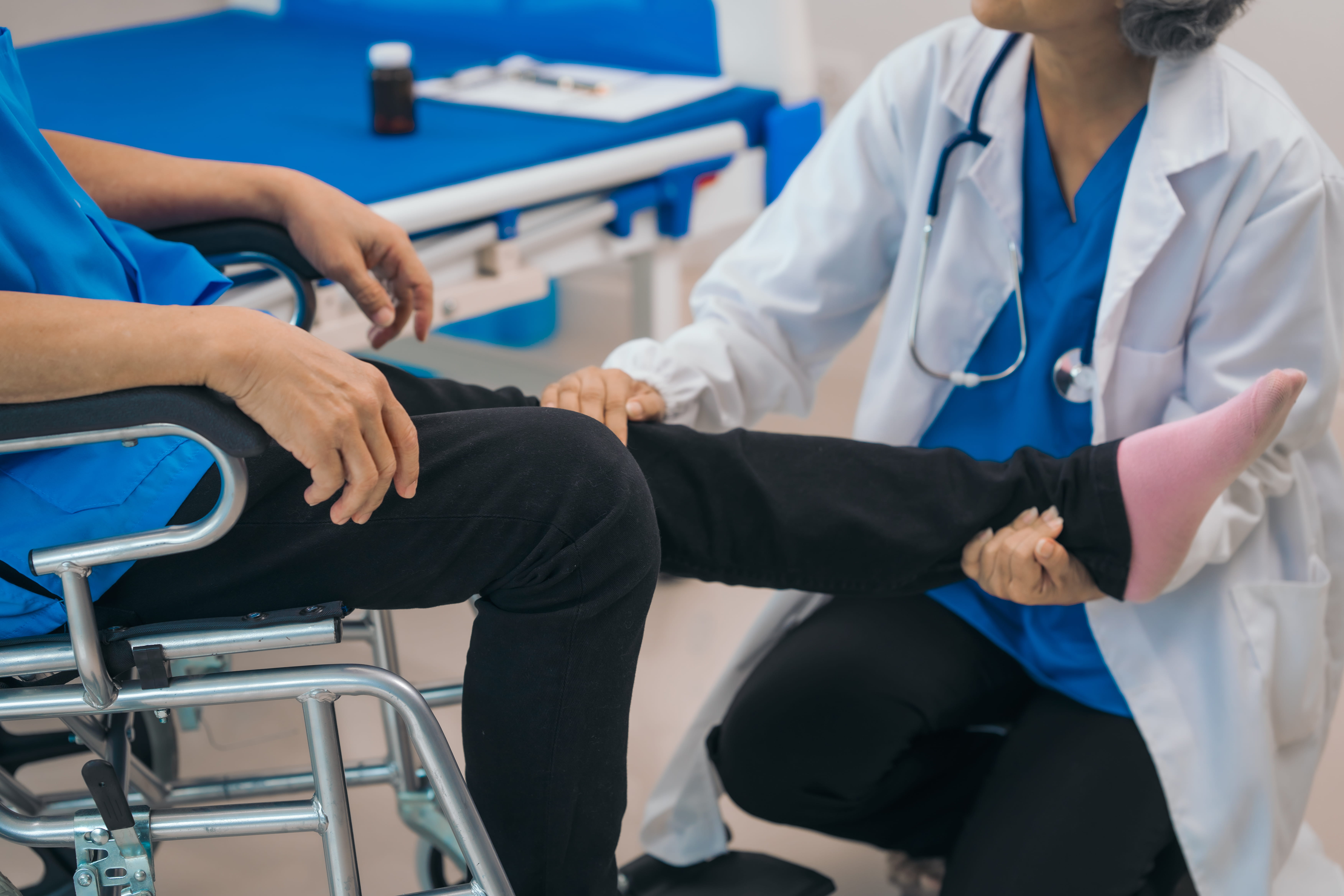
Your doctor first examines your knee and asks how the injury happened. The Lachman test (gently pulling the shinbone forward with your knee slightly bent) and the pivot shift test (checking for rotational looseness) help assess how stable your ACL is. An MRI scan can then help confirm the tear and check for other damage. In Singapore, an orthopaedic specialist can carry out this assessment.
Does a partial ACL tear require surgery?
Not always. Surgery may be considered when a partial tear causes ongoing instability, especially in people who play pivoting sports. A specialist can assess your knee and discuss whether rehabilitation or surgery may suit you.
How long does recovery from an ACL injury take?
Return to sports following ACL reconstruction commonly spans 6 to 12 months, with many cleared around 9 months depending on functional criteria. Individual recovery rates vary based on tissue healing and rehabilitation progress.
Are some people more prone to ACL injuries than others?
Yes. Female athletes, adolescents and people who play pivoting sports such as football, futsal and basketball may face a higher risk. Factors such as landing technique, muscle strength and previous knee injury may also play a role. Strength and balance training may help lower the risk.
Next Steps
If you suspect an ACL injury, taking proactive self-care measures can help manage your symptoms before your appointment. Focus on resting the joint, elevating your leg, and using ice as directed by a healthcare professional to help control initial swelling, while avoiding high-impact or pivoting movements. Keeping a brief daily record of any instability, pain, or knee buckling will also provide helpful context during your clinical assessment.
Speak With an Orthopaedic Specialist About Your Knee
Consulting an orthopaedic surgeon provides a clear evaluation of your joint stability and any underlying ligament damage. Through a physical examination and targeted imaging, your specialist can confirm the diagnosis and discuss suitable options. Together, you can decide whether conservative rehabilitation or surgical reconstruction best aligns with your recovery expectations.