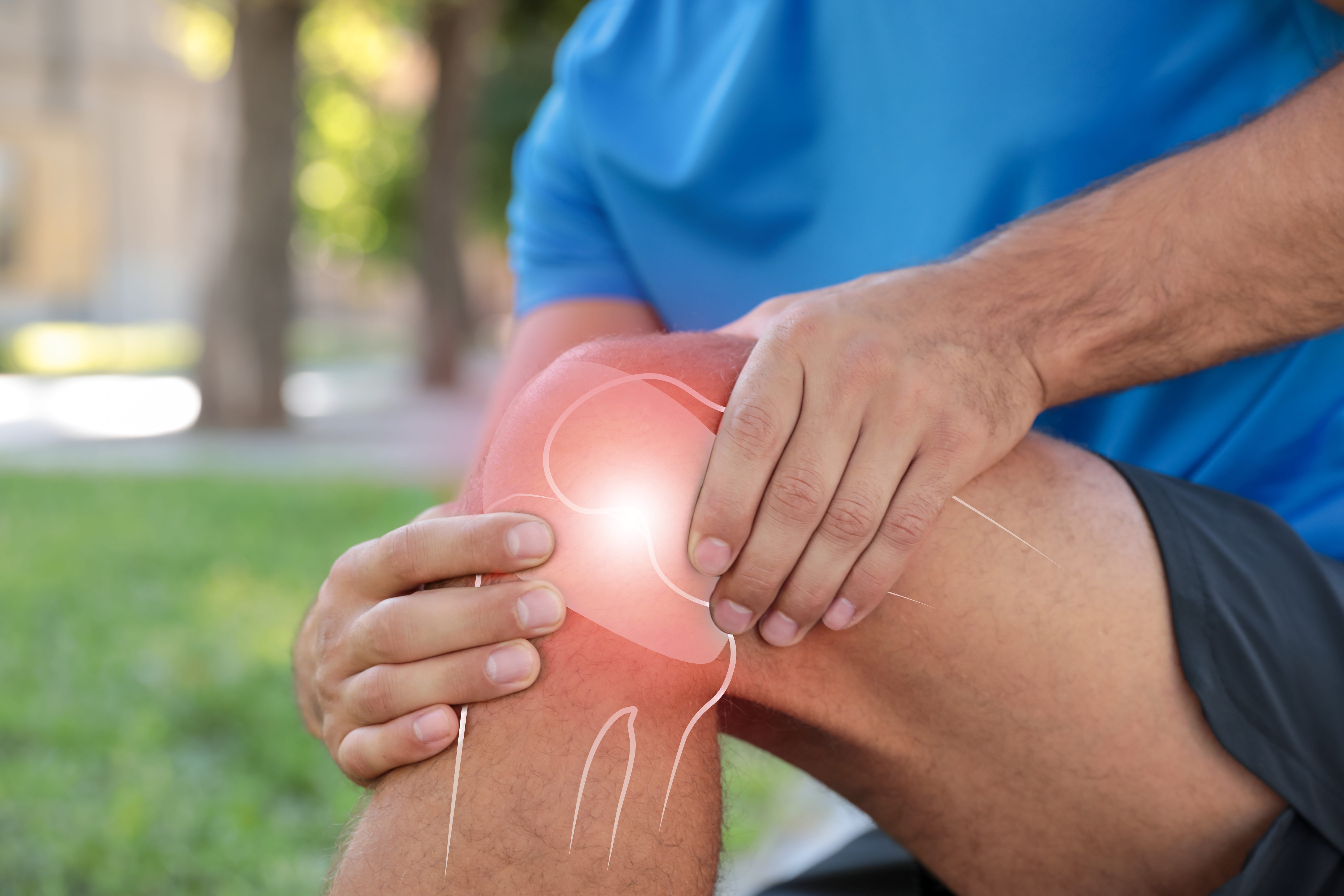
The scope of your arthroscopic procedure directly determines how long recovery takes. Simple diagnostic arthroscopy with minor debridement heals in weeks, while meniscus repair or ligament reconstruction requires months of structured rehabilitation. Most patients return to desk work within one to two weeks, while physically demanding activities require six to twelve weeks.
Pre-operative knee condition plays an equally important role. Knees with existing osteoarthritis, previous surgeries, or chronic swelling before arthroscopy recover more slowly and sometimes incompletely compared to healthy joints undergoing isolated procedures.
Your orthopaedic surgeon determines the surgical approach based on intra-operative findings, sometimes adjusting the planned procedure after visualising the joint’s interior condition.
The First 48 Hours: Immediate Post-Operative Phase
Arthroscopy uses small portal incisions, usually two to four puncture sites around the knee. These minimally invasive entry points cause less tissue disruption than open surgery, enabling earlier weight-bearing for many procedures.
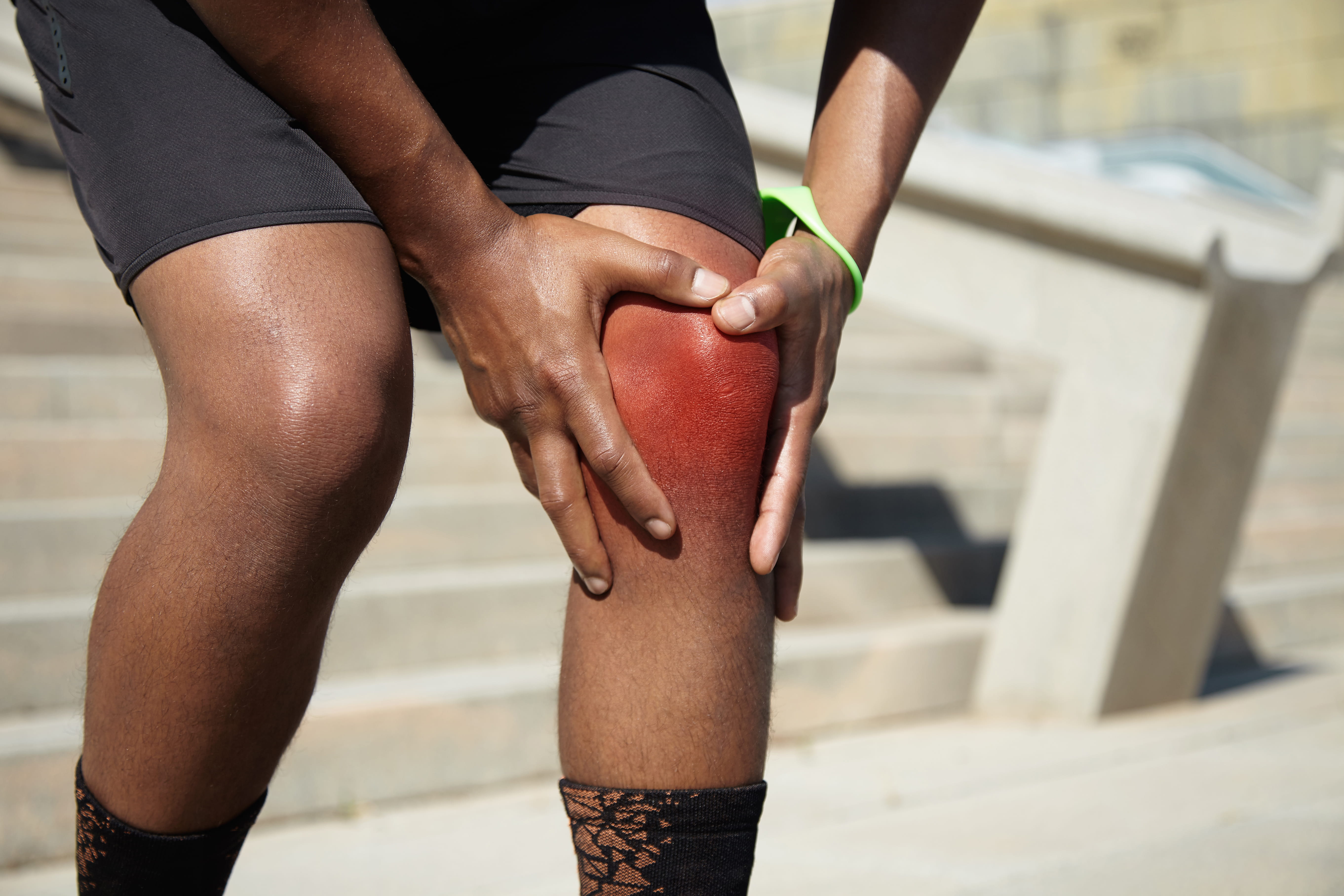
Expect moderate swelling that peaks between 24 and 48 hours post-surgery. The knee joint responds to surgical intervention with inflammatory processes that, while uncomfortable, represent normal healing. Elevation above heart level and cold therapy application reduce this initial swelling.
Pain levels vary considerably based on procedure complexity. Patients typically manage discomfort with prescribed oral medications for three to five days, transitioning to over-the-counter options as pain diminishes. Your surgical team provides specific medication guidance based on the procedure performed.
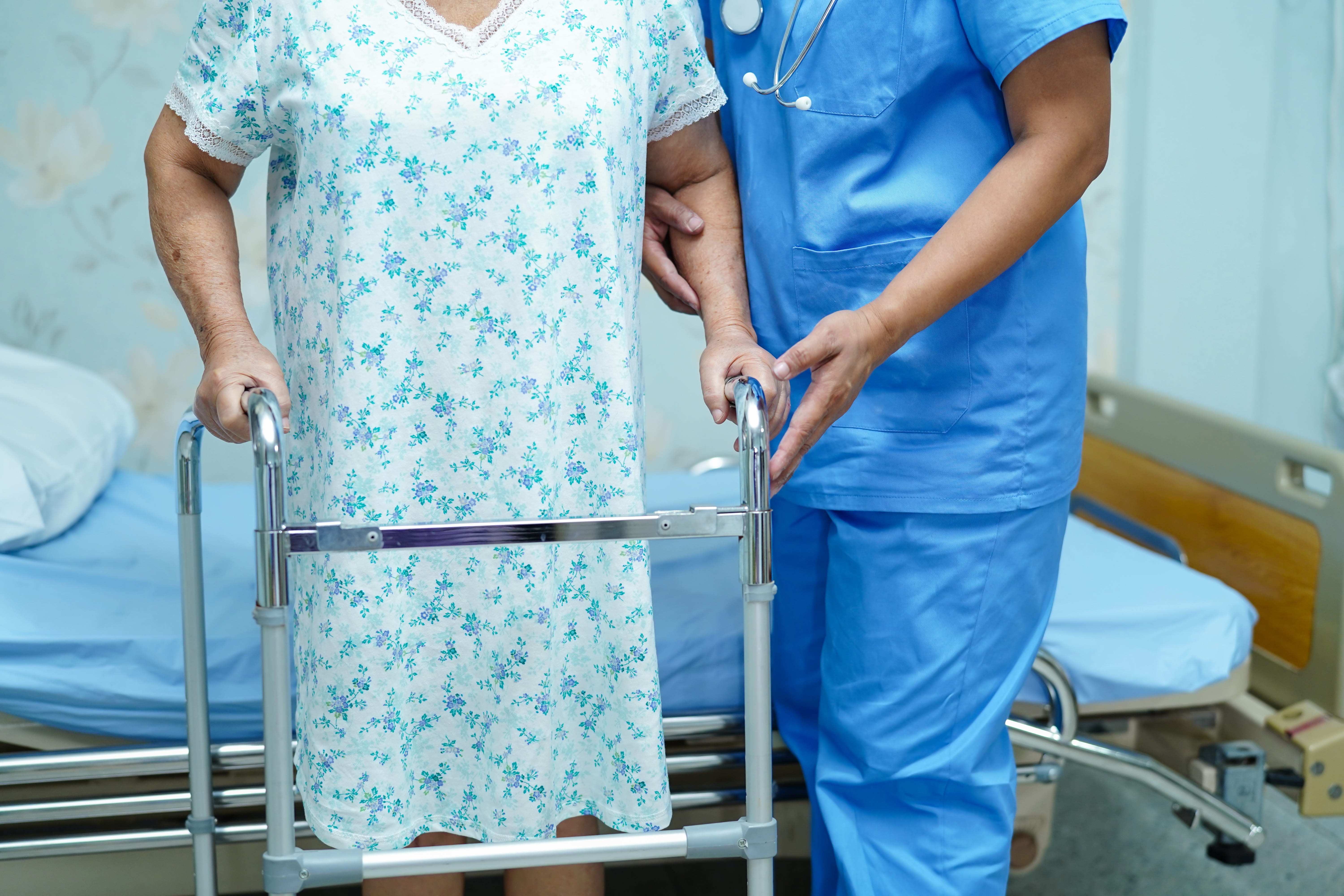
Walking with crutches or a walking frame begins within hours of surgery for most arthroscopic procedures. Weight-bearing status depends entirely on what was done inside the joint: partial meniscectomy patients often bear weight immediately, while meniscus repair requires protected weight-bearing for several weeks.
Week One: Early Recovery Priorities
Wound care requires attention to the small portal sites. Keep dressings clean and dry until cleared to shower, typically 48 to 72 hours post-surgery. Watch for signs of infection: increasing redness spreading beyond the incision, warmth, fever, or discharge with unusual colour or odour.
Swelling management remains the primary focus during week one. The combination of elevation, compression bandaging, and regular icing sessions (15 to 20 minutes, several times daily) controls fluid accumulation. Excessive swelling limits knee motion and delays rehabilitation progress.
Begin gentle range-of-motion exercises as directed by your physiotherapist. Initial goals focus on achieving full knee extension (straightening) and gradually increasing flexion (bending). Heel slides, ankle pumps, and quadriceps setting exercises maintain muscle activation without stressing healing tissues.
Sleep disruption commonly occurs during the first week. Finding comfortable positions takes experimentation; many patients sleep with a pillow under or between the knees. Pain medication timing can align with bedtime to improve rest quality.
Weeks Two to Four: Building Mobility
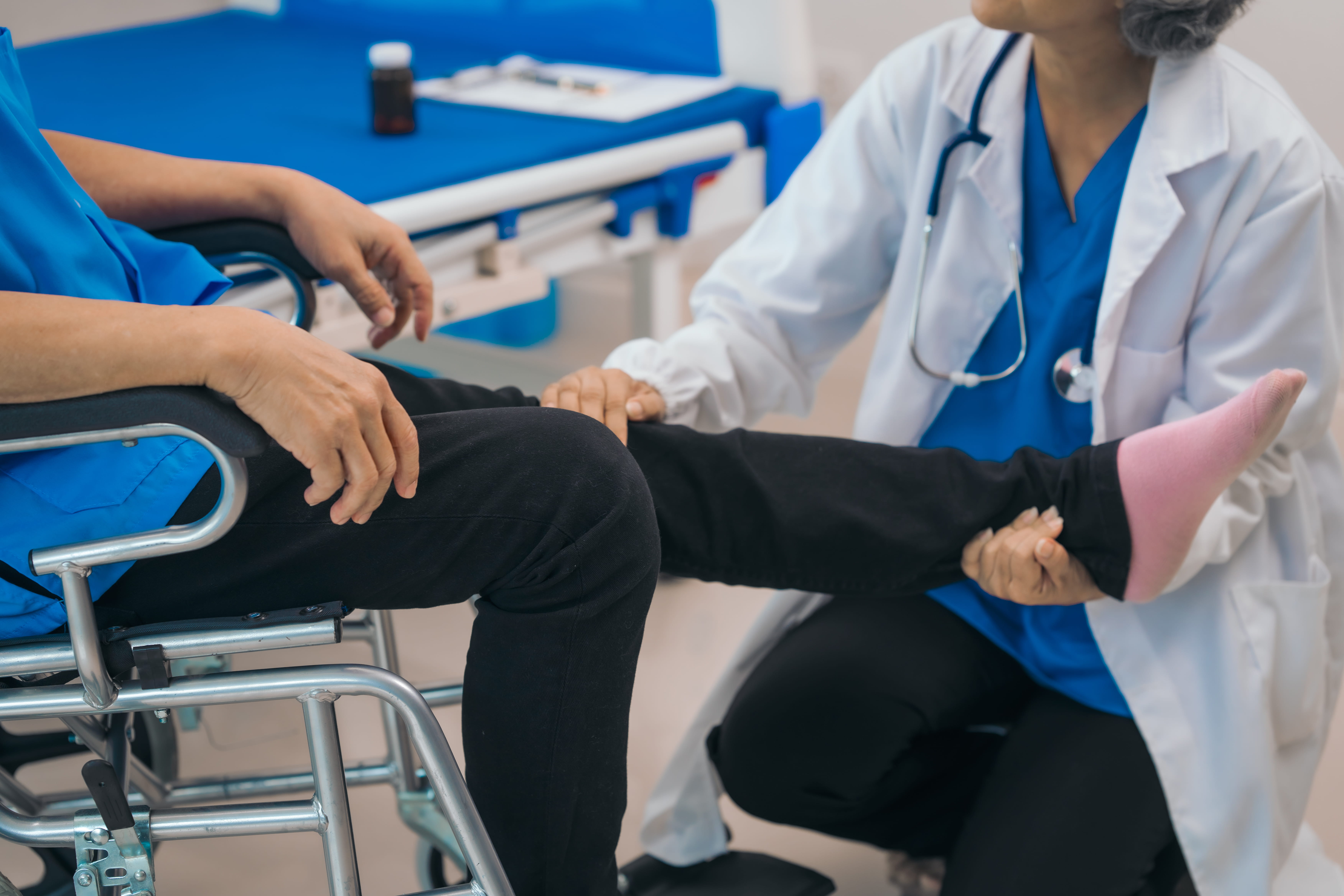
Physiotherapy intensifies during this phase. Sessions focus on restoring normal gait patterns, improving range of motion toward full flexion and extension, and beginning strengthening exercises for the quadriceps and hamstrings.
Most patients discontinue crutches between one and three weeks post-surgery, depending on the procedure. The transition occurs gradually: partial weight-bearing progresses to full weight-bearing as comfort and confidence increase. Forcing this transition too quickly risks falls and setbacks.
Driving readiness depends on which knee underwent surgery and whether the vehicle has a manual or automatic transmission. Left knee surgery with an automatic vehicle may allow driving within one to two weeks; right knee surgery or manual transmission typically requires three to four weeks. Reaction time testing and comfortable brake pedal operation determine readiness.
Weeks Four to Eight: Strengthening Phase
Muscle atrophy begins rapidly after surgery. Quadriceps weakness becomes noticeable within days of reduced activity. This phase emphasises progressive resistance training to rebuild strength symmetry between the operated and non-operated legs.
Stationary cycling starts when knee flexion reaches approximately 100 to 110 degrees, the range needed to complete a full pedal rotation comfortably. The circular motion improves range of motion while building muscular endurance with minimal joint impact. Resistance increases gradually as strength improves.
Hydrotherapy provides exercise options with reduced joint loading. Pool-based walking, swimming (avoiding breaststroke kick until cleared), and aquatic exercises support rehabilitation for patients with access to appropriate facilities.
Return to office-based work typically occurs within two weeks for sedentary roles. Jobs requiring prolonged standing, walking, or physical labour need individual assessment; desk modifications, scheduled rest breaks, and gradual hour increases support successful work reintegration.
Did You Know?
The normal knee joint contains roughly 0.5 to 4 millilitres of synovial fluid under healthy conditions. After arthroscopy, the joint produces extra fluid as part of the healing response, which gradually normalises over several weeks as inflammation resolves.
Months Two to Three: Return to Activity
Sport-specific rehabilitation begins once baseline strength and range of motion milestones are achieved. Running progression follows a structured protocol: walking without a limp, brisk walking, jogging on flat surfaces, then running with direction changes.
Functional testing guides return-to-sport decisions. Single-leg hop tests, agility assessments, and sport-specific movements reveal residual deficits that increase re-injury risk. Objective criteria rather than calendar dates determine clearance for competitive activities.
Low-impact activities return first: swimming, cycling, and elliptical training. High-impact sports such as running, basketball, tennis, and football require demonstrated strength, stability, and confidence before resumption.
The psychological component of recovery deserves attention. Hesitation, fear of re-injury, and frustration with limitations commonly arise during this phase. Open communication with your physiotherapist and orthopaedic surgeon addresses concerns and adjusts expectations appropriately.
Factors That Influence Your Recovery Timeline
Procedure complexity creates the most significant timeline variation. Diagnostic arthroscopy with minor cartilage smoothing recovers within weeks, while meniscus repair or microfracture procedures require months of protected healing before returning to demanding activities.
Pre-operative knee condition affects outcomes substantially. Knees with pre-existing osteoarthritis, previous surgeries, or chronic swelling before arthroscopy recover more slowly and sometimes incompletely compared to healthy joints undergoing isolated procedures.
Age and overall health influence tissue healing capacity. Younger patients with good cardiovascular fitness and no chronic conditions typically progress faster through rehabilitation milestones.
Rehabilitation compliance remains the controllable factor with considerable outcome impact. Patients who attend physiotherapy sessions consistently, perform home exercises daily, and follow activity restrictions achieve better functional results than those who approach rehabilitation passively.
Body weight affects knee joint loading. Weight management supports recovery and long-term joint health.
Managing Setbacks During Recovery
Progress rarely follows a perfectly linear path. Increased swelling, temporary pain flares, or range-of-motion plateaus occur commonly and don’t necessarily indicate problems.
Distinguish normal healing fluctuations from concerning symptoms. Activity-related soreness that settles with rest differs from pain that persists at rest or worsens despite appropriate management. Swelling that increases gradually over days warrants evaluation, while mild swelling after increased activity resolves with rest and ice.
Return to your orthopaedic surgeon or physiotherapist if uncertainty exists about whether symptoms represent normal recovery variation or complications requiring intervention.
Important Note:
Sudden inability to straighten the knee completely, mechanical catching or locking sensations, or a sensation of the knee giving way during weight-bearing require prompt evaluation to exclude surgical complications or incomplete initial treatment.
Putting This Into Practice
- Prepare your home before surgery by removing trip hazards, positioning frequently used items at accessible heights, and arranging furniture to accommodate crutch use. A ground-floor sleeping arrangement avoids stair negotiation during the first week.
- Stock recovery supplies including ice packs or gel wraps, comfortable loose-fitting clothing that accommodates bandaging, and any required mobility aids. Prepare meals in advance or arrange meal support for the first week.
- Follow medication instructions as directed, including any blood clot prevention measures prescribed. Complete the full course of antibiotics if prescribed, regardless of how well the wounds appear to heal.
- Document your progress by noting range-of-motion achievements, pain patterns, and exercise completion. This information helps your healthcare team adjust rehabilitation protocols appropriately.
- Communicate proactively with your physiotherapist about exercise difficulty, pain responses, and concerns. Adjusting rehabilitation intensity based on your feedback supports the programme for your specific situation.
When to Seek Professional Help
- Fever above 38°C persisting beyond 24 hours
- Increasing redness spreading from the incision sites
- Calf pain, swelling, or tenderness suggesting a possible blood clot
- Wound drainage that becomes cloudy, coloured, or foul-smelling
- Sudden severe pain not explained by activity
- Inability to bear weight despite clearance to do so
- Knee locking or catching that prevents normal movement
- Numbness or tingling in the foot or lower leg that doesn’t resolve with position changes
Commonly Asked Questions
How long before I can walk normally after knee arthroscopy?
Normal walking without a noticeable limp typically returns between two and six weeks, depending on the procedure. Simple debridement allows faster gait normalisation than meniscus repair or cartilage procedures requiring protected weight-bearing.
When can I return to sports after arthroscopic knee surgery?
Return-to-sport timelines range from six weeks for simple procedures to six months or longer for complex repairs. Functional testing rather than calendar dates determines safe return; your knee must demonstrate adequate strength, stability, and movement quality for your specific sport demands.
Is swelling after knee arthroscopy normal?
Moderate swelling is expected and peaks within 48 hours of surgery. Gradual improvement should occur over the following weeks. Persistent or worsening swelling beyond two weeks, particularly if accompanied by increased pain or warmth, requires evaluation.
What happens if I push too hard during recovery?
Excessive loading before tissues heal adequately can cause increased swelling, pain setbacks, or, in some cases, failure of surgical repairs. Following weight-bearing and activity restrictions as directed, even when the knee feels capable of more, protects surgical outcomes.
Will I need physiotherapy after arthroscopy?
Structured physiotherapy significantly improves outcomes for most arthroscopic procedures. Even patients who feel minimal symptoms benefit from supervised rehabilitation to restore strength, symmetry, and movement patterns that support long-term knee health.
Next Steps
Rehabilitation compliance is the single most controllable factor in recovery outcomes. Consistent physiotherapy attendance and daily home exercises produce measurably better results than passive approaches. Return-to-activity clearance is based on objective functional testing, not calendar dates, so strength and movement quality must be demonstrated before resuming high-impact sports. If swelling, pain, or mechanical symptoms such as locking or catching persist or worsen beyond expected timelines, prompt evaluation is required.
If you are experiencing persistent knee pain, chronic swelling, or mechanical limitations such as localised locking or catching, a comprehensive physical examination and diagnostic review by an accredited orthopaedic surgeon can help clarify whether non-surgical protocols or an arthroscopic consultation is the most appropriate next step for your joint health.