
Waking up to tight, creaky knees can be frustrating, and it can make even the walk to the bathroom feel slow.
Why Morning Knee Stiffness Is Worth Understanding
You may have brushed it off as a normal part of getting older, or blamed the air-conditioning. Many people in Singapore live active lives, from weekend football to daily walks, and stiff knees often feel like part of the package.
Stiffness that is present most mornings may be your body giving you information. It can point to simple causes, such as too little movement. It can also point to joint conditions that may be worth discussing with a doctor.
What Is Morning Knee Stiffness?
Morning knee stiffness is a tight, heavy or hard-to-bend feeling in one or both knees after waking or a long period of rest. It usually eases as you start moving. Depending on the cause, it may last a few minutes or more than an hour.
Your knee works like a door hinge. Inside the joint, a slippery liquid called synovial fluid (the joint’s natural lubricant) helps the surfaces glide smoothly. When you lie still for hours, this fluid may thicken and circulate less. In inflammatory conditions, swelling and tenderness around the joint may also feel worse after rest.
The result can be a hinge that has not been used for a while. It may feel stiff at first, then often loosens as you move and the fluid spreads again.
Common Causes of Morning Knee Stiffness in Singapore
Many people blame humid weather or cold air-conditioning for stiff knees. Research on weather and joint pain is not conclusive, although some people with arthritis report that colder or damper conditions, or changes in air pressure, make their joints feel worse. These factors may add to discomfort, but the underlying cause usually lies within the joint itself. The following are some possible causes.
Knee osteoarthritis
Osteoarthritis is the gradual wearing down of the smooth cartilage (the cushioning layer) that covers the ends of your bones. As the cartilage thins, the joint can become rougher and less flexible. Understanding the different stages of knee osteoarthritis can help you recognise how the condition develops, and you can read more about knee osteoarthritis and how it is managed.
Morning stiffness from osteoarthritis typically settles within about 30 minutes. You may notice it most when you stand up after sitting, walk to the hawker centre, or climb the stairs to your HDB flat. Many people also notice aching after a long day on their feet.
Rheumatoid arthritis and inflammatory joint conditions
Rheumatoid arthritis is a condition in which the body’s immune system mistakenly attacks the lining of the joints. The pattern can differ from osteoarthritis in several ways:
- Stiffness often lasts longer than 30 minutes, sometimes well over an hour.
- Both knees are commonly affected at the same time.
- The joints may look swollen or feel warm.
These conditions may need different specialist management. Your doctor may refer you to a rheumatologist (a specialist in autoimmune joint disease) for blood tests and further evaluation.
Meniscus tears and cartilage injuries
The meniscus is a rubbery, C-shaped pad that cushions your knee and helps it move smoothly. If it tears, or if cartilage is damaged, a loose fragment can interfere with movement. Your knee may then feel stiff, catch, or even seem locked after you have been resting. You can read more about knee conditions such as meniscus tears and how they are assessed.
Previous knee surgery or injury
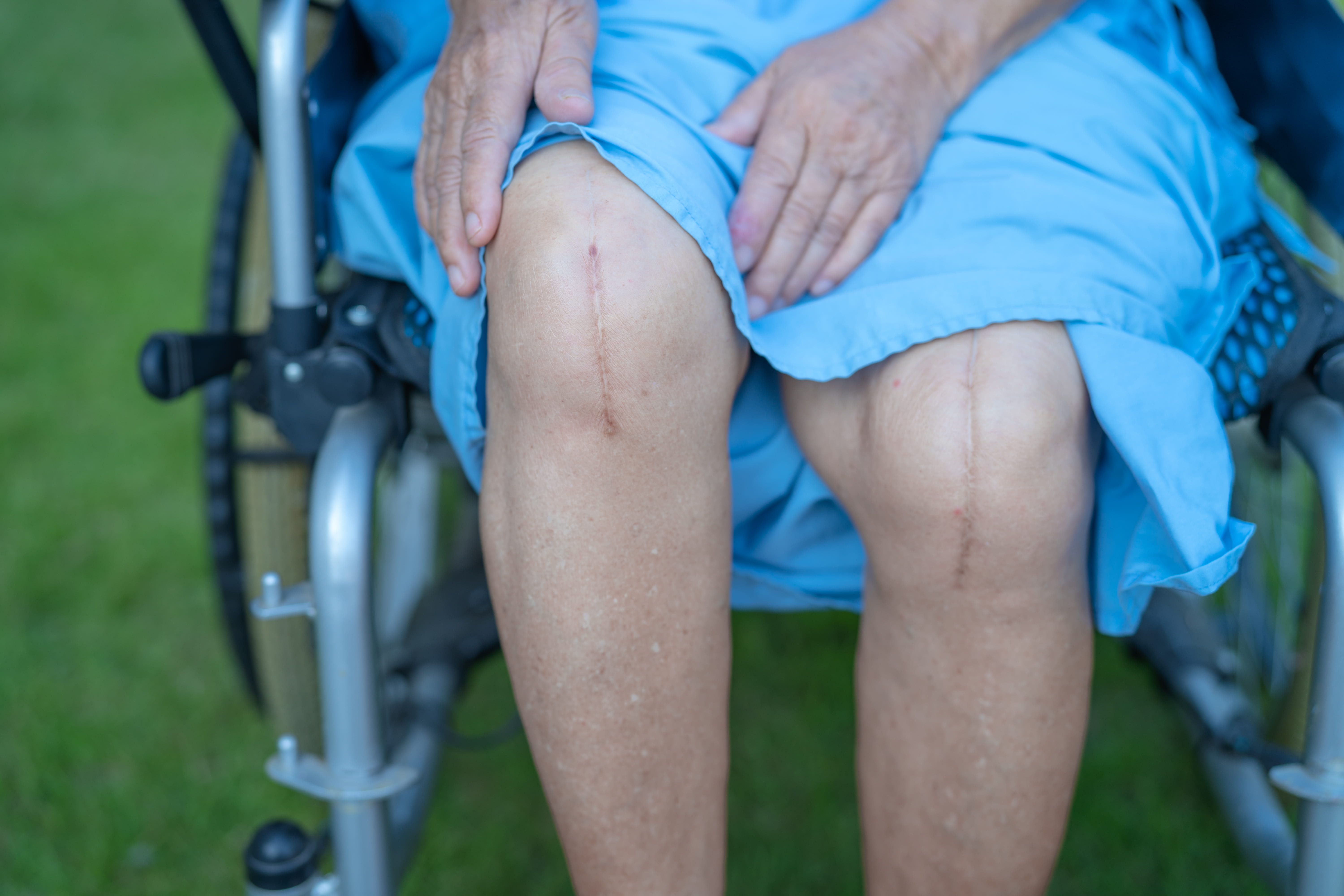
A past ligament injury, fracture or operation can leave scar tissue (adhesions) inside or around the joint. This tissue may make the knee feel tight after rest. Rehabilitation may help improve movement in some people, depending on the individual and the nature of the injury.
Sedentary lifestyle and prolonged inactivity
Long hours at a desk or in front of the television may make joints feel stiffer and leave the surrounding muscles tight. Your knees may then feel stiff when you finally get moving. Regular movement through the day may help some people.
How Long Does Morning Knee Stiffness Last?
The answer depends on the cause. Morning knee stiffness can last from a few minutes to more than an hour. The table below is a general guide only and does not replace a medical diagnosis.
|
Likely Cause |
Typical Stiffness Duration |
Other Symptoms You May Notice |
Points To Discuss With A Healthcare Professional |
| Inactivity or lack of movement | A few minutes | General tightness, no swelling | Whether regular gentle movement and stretching may be suitable |
| Osteoarthritis | Usually under 30 minutes | Aching after activity, creaking, difficulty with stairs | An assessment with an orthopaedic specialist |
| Rheumatoid or inflammatory arthritis | Often longer than 30 minutes | Swelling, warmth, both knees affected, tiredness | A medical review, possibly involving a rheumatologist |
| Meniscus or cartilage injury | Variable, with brief locking or catching | Clicking, giving way, pain when twisting | A specialist assessment, especially after an injury |
| Scar tissue after past injury or surgery | Variable, often a few minutes to 30 minutes | Reduced bending or straightening | Whether a rehabilitation programme may be suitable |
Home Measures for Morning Knee Pain and Stiffness
These are gentle first measures that some people find helpful. They do not replace a professional assessment, especially if symptoms persist.
Gentle morning stretches and range-of-motion exercises
Some people do these before getting out of bed or shortly after waking. A doctor or physiotherapist can advise whether they suit you:
- Heel slides: Lying on the back, slowly sliding one heel toward the buttock to bend the knee, then slowly straightening it. This is repeated several times on each leg.
- Quadriceps tightening: With the leg straight, gently tightening the thigh muscle for a few seconds, then relaxing.
- Hamstring stretch: Looping a towel around the foot and gently lifting the straight leg until a mild stretch is felt behind the thigh.
These movements are usually done slowly. Sharp pain during any of them may be worth discussing with a healthcare professional.
Warm compresses and heat therapy
A warm shower or a warm towel placed over the knee for 10 to 15 minutes may ease tightness for some people. The towel is usually comfortably warm rather than hot. Heat may not be suitable if the knee is visibly swollen or feels hot to the touch, and a healthcare professional can help determine what is appropriate.
Staying active throughout the day
Low-impact movement may help support joint comfort. Walking, swimming and cycling are generally considered gentle on the knees. Some people:
- Take short walks around their estate
- Use a community pool
- Stand up and stretch every 30 to 45 minutes if they sit for long hours
Weight management and its effect on knee load
The knees carry body weight with every step. Even modest weight loss may reduce this strain for some people. Small, steady changes in diet and activity are often considered more sustainable than drastic ones, and a healthcare professional can help determine what may suit an individual.
The 30-Minute Guide
If morning knee stiffness regularly lasts longer than 30 minutes, or if it is getting worse over time, it may be worth discussing with a specialist. Assessment may help identify the cause and clarify the options for managing it.
What Happens During a Specialist Assessment for Knee Stiffness
An assessment is a conversation first. Your doctor will ask about your symptoms and how they affect your life. Questions may cover:
- How long the stiffness lasts and when it started
- Whether you have had past injuries or surgery
- Your activity level, work and sporting goals
- Any swelling, locking or giving way
Next, the doctor examines your knee. This usually involves checking your range of movement, looking for swelling, and testing the stability of the ligaments (the bands that hold your joint together).
Imaging may follow. An X-ray shows the bones and the joint space, which can help reveal osteoarthritis. An MRI (a detailed scan of soft tissues) can show the meniscus, cartilage and ligaments. Not everyone needs an MRI.
An assessment does not automatically lead to surgery. Conservative options, such as exercise, medication and physiotherapy, are usually considered first.
Clinical Insights
Morning stiffness is a single component of a broader clinical evaluation. Diverse underlying etiologies, such as degenerative cartilage wear versus post-traumatic meniscal pathology, require tailored management strategies. Individual treatment plans aim to restore functional mobility and support personal lifestyle goals, with outcomes varying based on underlying pathology and patient anatomy.
Understanding Your Options
Morning knee stiffness is not always a normal part of ageing. Many causes can be managed, and the degree of improvement varies by individual and by cause.
For some people, that may mean lifestyle changes such as regular movement and gentle stretching. For others, physiotherapy may help strengthen the muscles that support the knee. Where structural damage or inflammation is involved, specialist input may be useful.
When to Seek Professional Help
Many cases of stiffness are not emergencies.
Seek urgent medical attention if you have a fever together with a hot, swollen and painful knee, as this can be a sign of a joint infection.
You may also wish to discuss your symptoms with a doctor if you notice any of the following:
- Stiffness lasting longer than 30 minutes on most days
- Symptoms that worsen progressively over several weeks
- Swelling, redness or warmth around the knee
- The knee giving way or locking
- Stiffness that began after a specific injury or fall
- Difficulty with daily activities, such as climbing stairs or walking to the MRT station
Commonly Asked Questions
Is morning knee stiffness a sign of arthritis?
It can be, but not always. Osteoarthritis usually causes stiffness that settles within about 30 minutes. Inflammatory arthritis tends to cause longer stiffness, often in both knees, with swelling or warmth. Inactivity and old injuries can also cause stiffness. If your stiffness is persistent, you may wish to have it assessed.
Can morning knee stiffness go away on its own?
Mild stiffness from inactivity often improves with regular movement and lifestyle changes. Stiffness caused by structural problems, such as worn cartilage or a meniscus tear, or by inflammatory conditions, may need targeted management. If it does not improve in a few weeks, you may wish to speak to a doctor. Staying physically active may help ease stiffness and support joint function in both inflammatory and degenerative joint conditions, although the right type and amount of exercise varies from person to person.
What is the difference between knee stiffness and knee pain?
Stiffness is a feeling of tightness and reduced ability to bend or straighten the knee. Pain is a hurting or aching sensation. You can have one without the other, or both together. Either may be worth discussing with your doctor if it continues.
Should I exercise if my knees are stiff in the morning?
Gentle movement may help ease stiffness for some people. Walking, cycling and swimming are generally well tolerated. A doctor or physiotherapist can advise whether high-impact activities, such as running or jumping, are suitable until the cause is identified, and can recommend exercises for your knees.
How is morning knee stiffness treated by an orthopaedic specialist?
Treatment depends on the cause. Options may include:
- Physiotherapy
- Anti-inflammatory medication
- Injections, such as hyaluronic acid (a gel-like cushioning substance) or corticosteroids (anti-inflammatory medication)
Corticosteroid injections typically offer short-term relief, and guidelines differ on the benefit of hyaluronic acid.
For advanced cases, surgery may be considered, including keyhole techniques or knee replacement. Minimally invasive approaches generally aim for smaller wounds and a shorter recovery, although this varies by individual.
Next Steps
Some people find these steps helpful before a consultation:
- Tracking your pattern: Noting how long the stiffness lasts, how severe it feels and what seems to trigger it.
- Bringing your notes: A record of morning knee stiffness may help your doctor during the assessment.
Discussing Your Symptoms with a Knee Specialist
If morning knee stiffness is affecting your walking, work or sport, an assessment may help clarify the possible causes. You can learn more about knee assessment and treatment options and what to expect at a first appointment, or contact the clinic to discuss your symptoms with a knee specialist in Singapore.