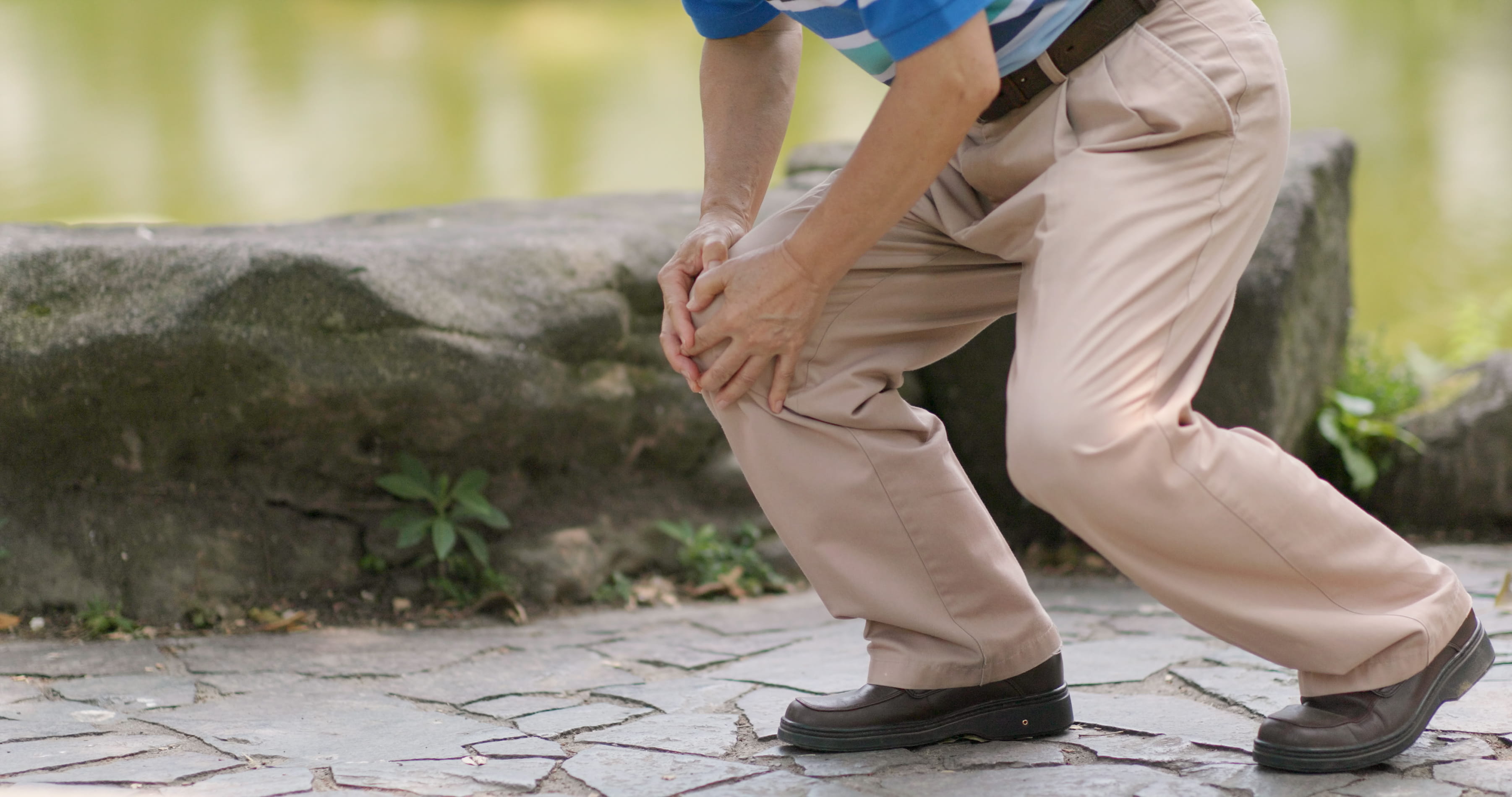
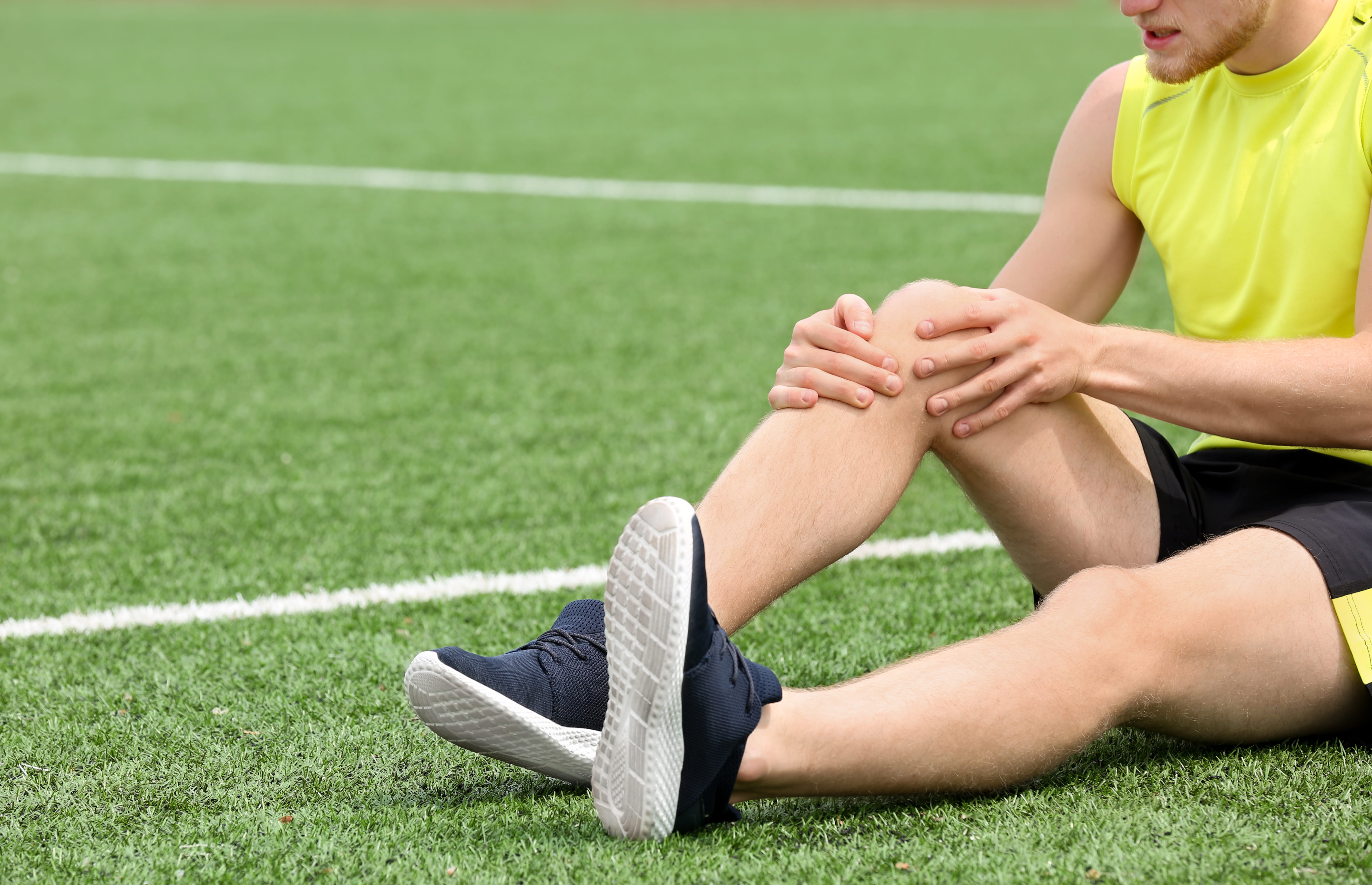
If you have just felt your knee bend the wrong way, the shock can be unsettling. A hyperextended knee can be one reason active adults in Singapore visit an orthopaedic clinic.
Understanding Knee Hyperextension
Your knee works like a hinge. It mainly bends and straightens, and it is not meant to bend backwards. When force pushes the joint past its straight position, the structures at the back and centre of the knee may take the strain.
You may remember the exact moment. Perhaps you landed awkwardly during a game, or your foot slipped on a wet step. Many people describe a sudden jolt, a wobble, or a feeling that the knee “gave way”.
Some hyperextension injuries settle with rest and simple care. Others involve ligaments that may need specialist attention.
What Is a Hyperextended Knee?
A hyperextended knee happens when your knee straightens beyond its normal limit and bends slightly backwards. This sudden force can overstretch the ligaments (tough bands that connect bone to bone), the joint capsule, and sometimes the cartilage inside the joint. Injuries range from a mild strain to a tear.
Think of your knee as a door hinge held in place by straps. If the door is pushed too far back, the hinge may survive, but the straps can stretch or fray. In your knee, those straps are the ligaments and the capsule (the soft tissue sleeve that surrounds the joint).
Several structures work together to support your knee:
- Ligaments: These help limit how far the thigh bone and shin bone slide or twist.
- Cartilage and meniscus: These help cushion the joint and spread your body weight.
- Joint capsule: This encloses the joint and supports its back surface.
This injury can occur in active adults and athletes, from weekend footballers to those who train regularly. It can also affect people who have never played a sport.
Common Causes of Knee Hyperextension
Many hyperextension injuries happen in a split second. Identifying how yours occurred can help your doctor understand which structures may be involved. Sport, training and everyday accidents can all lead to this injury.
Sports and Physical Activity
Sports that involve jumping, sprinting and sudden changes of direction may carry a higher risk. Common scenarios include:
- Landing from a jump with the knee locked straight, such as in basketball or volleyball
- Slowing down suddenly while running, as in football or futsal
- Taking a direct blow to the front of the knee during a tackle
- Planting the foot while the body continues forward
Military and physical training can also place repeated stress on the knees, especially during fast-paced drills or on uneven terrain.
Everyday Accidents and Falls
You do not need to play sport to hyperextend your knee. Everyday situations can cause it too:
- Stepping into an unexpected dip or drain cover
- Missing the last step on a staircase
- Slipping on a wet floor
- Falls, or road traffic and motorcycle accidents, where the leg is forced backwards
Pre-existing Risk Factors
Some people may be more prone to this injury. The risk may be higher with:
- Naturally flexible joints, where the knee bends slightly backwards at rest
- Weak thigh or hip muscles that may not control the knee well
- A previous knee injury that left the joint less stable
- Landing technique that places extra stress on the knee when jumping or changing direction
- Fatigue, which can reduce muscle control late in a game or training session
Hyperextended Knee Symptoms
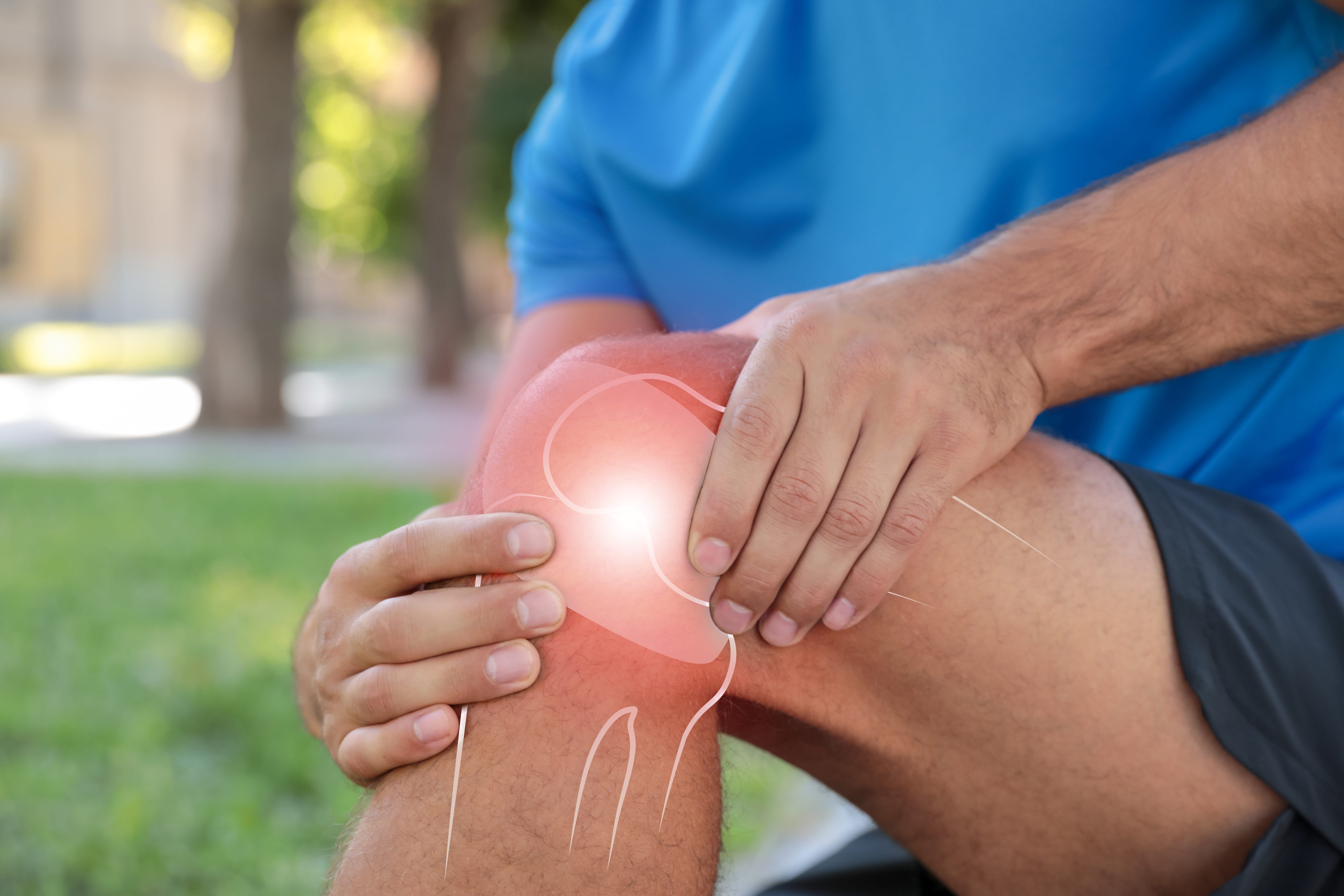
A hyperextended knee often feels sore, tight and swollen, especially at the back of the joint. You may also feel that the knee is unsteady. Hyperextended knee symptoms vary widely, from mild discomfort to sharp pain with a sense of instability.
Mild injuries tend to cause aching and slight swelling. Many people can still walk, although the knee may feel stiff. More significant injuries may cause:
- Swelling that appears quickly, within hours of the injury
- Pain at the back or front of the knee
- Difficulty fully straightening or bending the knee
- A popping sensation or sound at the moment of injury
- A feeling that the knee is wobbling, buckling or giving way
- Difficulty putting weight on the leg
Symptom severity does not always match the amount of damage. A knee that feels only mildly sore can still have a ligament injury. A very swollen knee may turn out to be a simple sprain. This is why a clinical assessment matters.
The table below offers a general framework to help you reflect on your situation, but it does not replace a clinical evaluation.
|
Severity |
Typical Symptoms |
Structures Possibly Affected |
Approaches That May Be Discussed |
| Mild | Mild ache, slight swelling, stiffness, able to walk normally | Overstretched ligaments or joint capsule | Rest, ice and gentle movement are often discussed; a review may be helpful if there is no improvement within a few days |
| Moderate | Noticeable swelling, pain with walking, difficulty straightening or bending fully | Partial ligament tear, capsule strain, possible meniscus irritation | A clinical assessment, possibly with imaging, may be considered |
| Severe | Marked swelling, popping at injury, instability, struggling to bear weight | ACL or PCL tear, meniscus or cartilage injury, combined injuries | A specialist evaluation may be helpful |
What Structures Can a Hyperextended Knee Damage?
Hyperextension can injure several parts of the knee at once, including ligaments such as the ACL, PCL, MCL, and LCL, as well as tendons and cartilage. Combined injuries can occur, and this is one reason a careful assessment is useful.
ACL and PCL injuries
The anterior cruciate ligament (ACL) and posterior cruciate ligament (PCL) sit deep in the centre of your knee. Picture them as two elastic bands that cross each other. They help keep your shin bone from sliding too far forwards or backwards under your thigh bone.
When your knee bends too far back, these “elastic bands” can overstretch or tear. A mild stretch may heal with rehabilitation. A complete tear can leave the knee feeling unstable during pivoting, stairs or sport. You can read more about how these tears are assessed and managed in our guides to ACL injuries and PCL injuries.
Meniscus and cartilage damage
The meniscus is a C-shaped pad of cartilage that works like a shock absorber between your thigh bone and shin bone. Meniscus tears more often happen when the upper leg twists or turns while the foot is planted and the knee is bent, but forceful hyperextension can also pinch or tear it. You can read more about meniscus tear treatment on the clinic’s website. Cartilage on the bone surfaces can also bruise or chip.
Signs may include:
- Catching or locking in the knee
- Pain along the joint line
- Swelling that comes and goes with activity
Posterior joint capsule and nerve involvement
The back of the knee has a capsule that tightens when the knee straightens. In hyperextension, this capsule takes much of the force and may stretch or tear. This can cause tenderness and tightness behind the knee.
Nerves and blood vessels also pass behind the knee. They are rarely injured, but severe knee trauma can injure the artery behind the knee, and this needs emergency care. Numbness, tingling, a cold foot or a pale foot after a major injury is a reason to seek urgent medical attention.
How a Hyperextended Knee Is Diagnosed in Singapore
Diagnosis starts with a conversation. Your doctor will ask how the injury happened, what you felt, and what you want to get back to doing. This helps shape a plan that fits your life, not only your scan results.
Physical examination
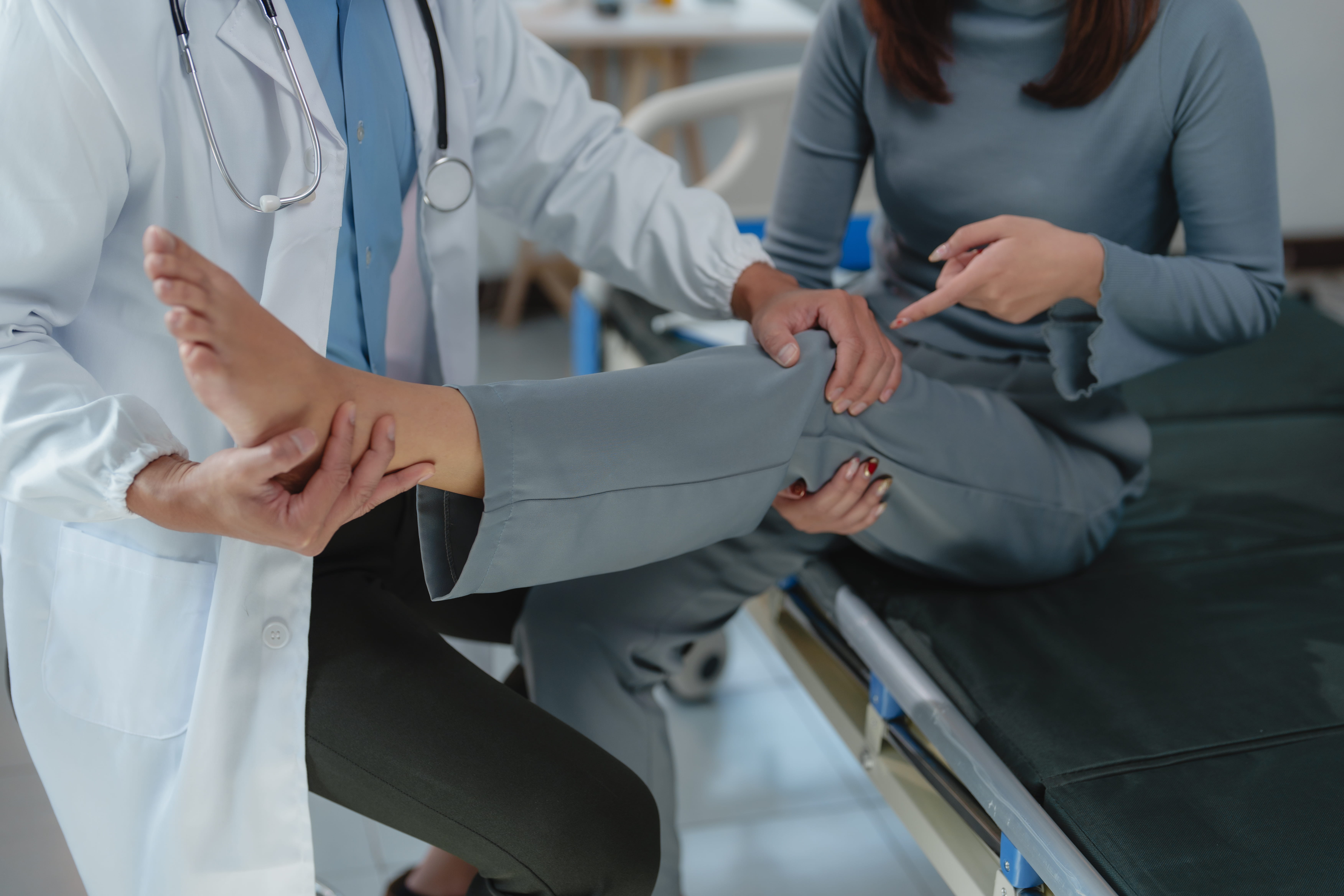
Your doctor will check swelling, tenderness, movement and strength. Some hands-on tests assess your ligaments:
- Lachman test: The doctor gently pulls your shin forward while your knee is slightly bent. This checks whether the ACL is holding firm.
- Posterior drawer test: With your knee bent, the doctor gently pushes the shin backwards. This checks the PCL.
- Stability checks: These assess the side ligaments and look for rotational looseness.
These tests are usually well tolerated, though they can be uncomfortable if the knee is swollen.
Imaging
- X-ray: This helps rule out fractures and shows bone alignment.
- MRI scan: This shows ligaments, meniscus, cartilage and the joint capsule in detail. It may be helpful when instability or combined injuries are suspected.
Why accurate diagnosis matters
Two knees with similar scans may behave very differently in daily life. Treatment is usually based on how your knee functions and what you need from it. Someone who walks and cycles may need a different plan from someone who plays competitive football. An accurate diagnosis helps your doctor offer a personalised plan that matches your goals.
Hyperextended Knee Treatment
Hyperextended knee treatment ranges from simple self-care to specialist rehabilitation, and occasionally surgery. Many mild injuries improve without an operation. Clinical aims include:
- Calming the knee
- Restoring movement
- Rebuilding strength to support a return to usual activities
Immediate first aid and self-care
In the first few days, the RICE approach is commonly discussed as a first step:
- Rest: Avoiding activities that cause pain is often suggested. Crutches may help if walking hurts.
- Ice: A cold pack wrapped in a cloth is often applied for around 15 to 20 minutes at a time.
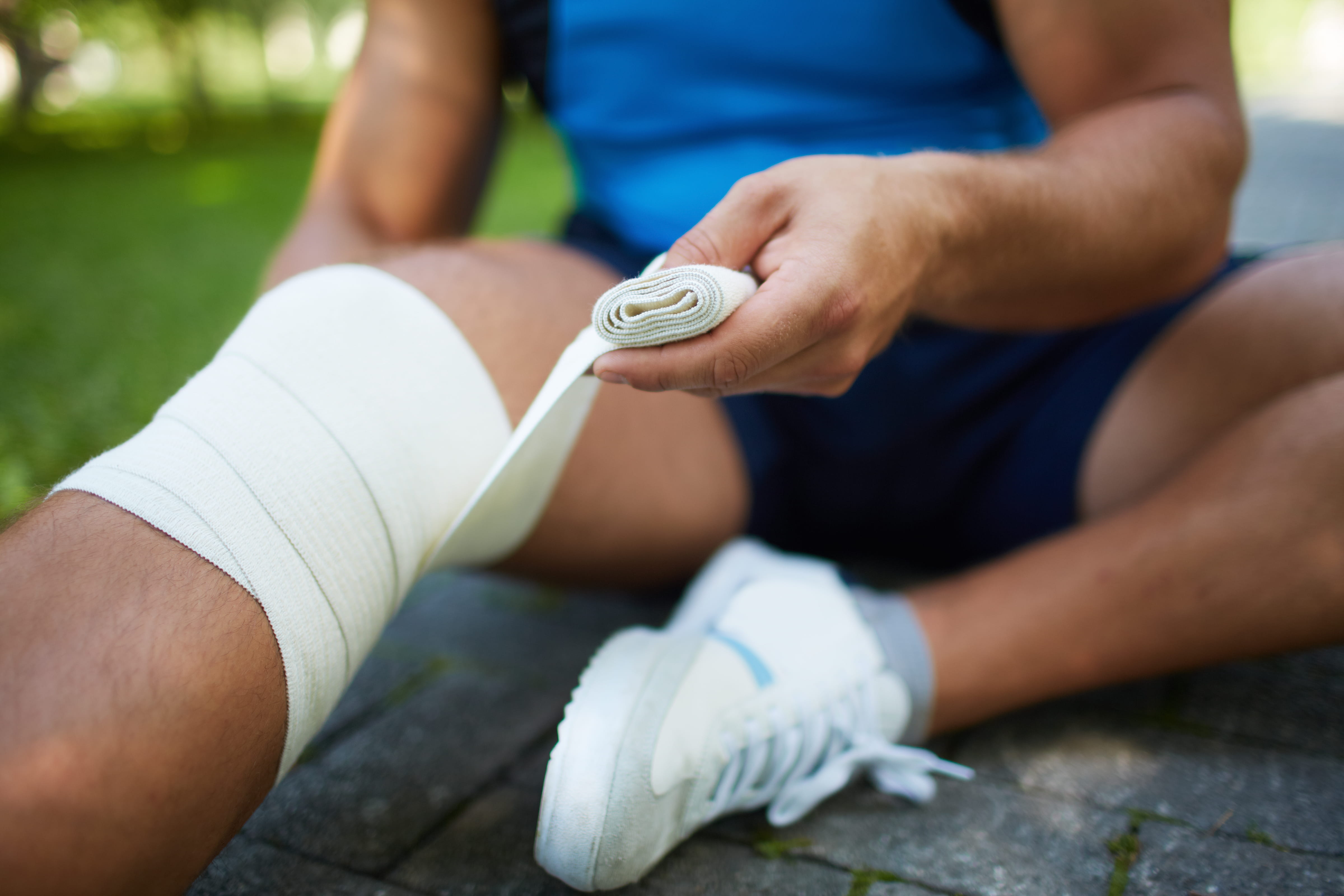
- Compression: A light elastic bandage may help control swelling. A bandage that feels tight may need to be adjusted, and a healthcare professional can advise on this.
- Elevation: Raising the leg above heart level while resting may help.
Gentle movement within comfort is often preferred over complete immobility. If you are unsure how much to do, you may wish to discuss this with your doctor.
Non-surgical management and rehabilitation
Many hyperextended knee injuries may improve with a structured, non-surgical plan. This may include:
- A hinged brace to protect the knee in the early weeks, if your doctor advises it
- Physiotherapy to restore movement and rebuild muscle control
- Activity modification, such as switching temporarily from running to swimming or cycling
- Pain and swelling management as advised by your doctor
When surgery may be recommended
Surgery is not always needed. Your doctor may discuss it if there is:
- A complete ACL or PCL tear with ongoing instability
- A meniscus tear that causes locking or persistent pain
- Multiple ligament injuries
- A knee that keeps giving way despite rehabilitation
Keyhole surgery (arthroscopy) uses a small camera and fine instruments through tiny cuts. Potential benefits may include smaller scars and, for some people, a shorter recovery time than open surgery. As with any procedure, risks apply, and outcomes vary by individual. The decision depends on your knee, your daily demands and your goals, and a healthcare professional can help determine what may be suitable.
Hyperextended Knee Recovery Time
Hyperextended knee recovery time ranges from a few days for a mild strain to several months for ligament tears. Your injury type, age, fitness and rehabilitation all influence the pace.
The estimates below are general only. Your own recovery depends on the specific structures injured, your overall health and how closely you follow your rehabilitation plan.
|
Severity |
Walking Comfortably |
Driving |
Light Exercise |
Return To Sport |
| Mild | A few days to 1 week | Often within days, once you can brake confidently and your doctor agrees | 1 to 2 weeks | Typically around 2 to 4 weeks |
| Moderate | 2 to 4 weeks | Around 2 to 4 weeks, once movement and control allow | 4 to 8 weeks | Typically around 2 to 3 months |
| Severe (ligament tear or combined injury) | Several weeks, sometimes with a brace or crutches | Varies; often several weeks, or longer after surgery | 2 to 3 months | Often around 6 to 12 months or longer, depending on the injury and treatment |
Return-to-sport times after ACL reconstruction commonly fall between about 7 and 12 months, though this varies by individual. Driving also depends on which leg is injured, your doctor’s advice and your insurer’s requirements.
Many people return to desk-based work within days to a couple of weeks. Jobs that involve standing, lifting or climbing may need a longer period of modified duties.
Why a Gradual Return to Activity Matters
Healing takes time, even when the knee feels fine. Pain often settles before ligaments, cartilage and muscle control have fully recovered. Returning to sport before tissues have healed may strain them and may lead to repeat injury. Your doctor’s assessment can help guide when to return to activity.
Exercises and Rehabilitation for a Hyperextended Knee
Rehabilitation may help your knee recover movement, strength and control. Hyperextended knee treatment exercises are usually guided by a physiotherapist and tailored to your injury. The right exercise for one person may be unsuitable for another.
Early Stage
The first phase aims to protect the knee while keeping it moving. Typical goals include:
- Reducing swelling and pain
- Regaining the ability to bend and straighten the knee within a safe range
- Re-activating the thigh muscles, which often “switch off” after injury
- Walking safely, with or without support
Exercises are usually gentle and low in load. Your physiotherapist may discuss what to avoid, such as forcing the knee straight.
Mid Stage
Once swelling settles and movement improves, the focus may turn to strength. Goals include:
- Strengthening the quadriceps (front thigh muscles) and hamstrings (back thigh muscles)
- Training the hip and core muscles that help steady the knee
- Improving balance on one leg
- Practising controlled bending and straightening, which may help limit the knee “snapping” back
Muscles around the knee can act like shock absorbers and guy ropes for the joint. Stronger muscles may reduce knee ligament injuries.
Late Stage
The final stage aims to prepare you for the demands of your own life. Goals include:
- Neuromuscular control (training your nerves and muscles to work together quickly)
- Safe landing and jumping technique
- Running, cutting and change-of-direction drills
- Sport-specific or job-specific movements
Agreed strength and control targets are often reviewed before returning to full sport. Your doctor and physiotherapist can help assess this with you.
Clinical Insights
Even apparently mild hyperextension trauma can involve subtle ligamentous or meniscal injury. A comprehensive clinical evaluation ensures occult multi-ligamentous injuries or meniscal pathology are identified early, helping guide tailored management aligned with personal physical goals.
Protecting Your Knee After a Hyperextension Injury
- Rehabilitation: Stopping when pain eases may leave gaps in strength and control for some people. A physiotherapist or doctor can advise on how long a programme may be needed.
- Neuromuscular training: Balance, landing and hip-strengthening drills may help the knee respond to sudden movements.
- Risk factors: People with flexible joints or past injuries may wish to tell their physiotherapist so the programme can reflect this.
- Knee positioning: Keeping a soft bend in the knees when standing for long periods, rather than locking them back, may reduce strain for some people.
- Staged return to activity: Gradual increases in intensity, and clearance from a healthcare professional before full-contact or high-impact sport, are often discussed as part of recovery. Suitability varies by individual.
When to Seek Professional Help for a Hyperextended Knee
Many mild injuries may settle with rest, though this varies by individual. Some may need a clinical assessment to rule out structural damage.
Seek urgent medical attention if you notice numbness, tingling, or a cold or pale foot after the injury, or if the knee looks deformed or discoloured.
A specialist assessment may also be helpful if you notice:
- Difficulty putting weight on the leg
- Swelling that persists beyond a few days
- A sense that the knee is unstable or giving way
- A popping sound or sensation when the injury happened
- Locking, catching or inability to fully straighten the knee
- Little improvement after a week or so of self-care
Commonly Asked Questions
How do I know if my hyperextended knee is serious?
Signs that an injury may be more significant include:
- Being unable to bear weight
- A feeling of the knee giving way
- Hearing a pop at the time of injury
Rapid swelling and difficulty straightening the knee may also suggest a more significant injury. Mild stiffness with slight swelling and normal walking may be less concerning. Because symptoms do not always match the damage, a clinical assessment can help clarify the situation.
Can a hyperextended knee heal on its own without surgery?
Mild cases often heal with rest, gradual movement and physiotherapy. Surgery is not required for many hyperextension injuries. The picture can change if there is a complete ligament tear, a meniscus tear that locks the knee, or ongoing instability. Your doctor can explain which category your injury falls into.
How long should I rest before returning to sport after a knee hyperextension?
There is no fixed number of weeks. Return to sport depends on injury severity and how well your knee works. Doctors and physiotherapists usually look for:
- Full movement
- Good strength
- No swelling
- Stable control during sport-like movements
They can help determine when you may be ready.
Is knee hyperextension more common in certain sports?
Sports with jumping, sudden stops or contact may carry a higher risk. These include basketball, football and futsal, which are commonly played in Singapore, as well as gymnastics, netball, volleyball and martial arts. Landing technique and supporting muscle strength may help reduce the risk.
Should I wear a knee brace after hyperextending my knee?
It depends on the injury. A brace may protect the knee and limit backwards bending in the early phase of a moderate or severe injury. For a mild strain, a brace may not be needed. Wearing a brace for too long may also leave muscles weaker. Your doctor can advise you based on your own assessment.
Next Steps for Managing Your Hyperextended Knee
Over the next few days, it can be helpful to note how your knee feels, including any swelling, instability or difficulty walking. If rehabilitation has started, completing it even when you begin to feel better is often encouraged. Giving way or ongoing pain may be a reason to consider an assessment with a knee specialist in Singapore, and you may contact the clinic to discuss your symptoms.