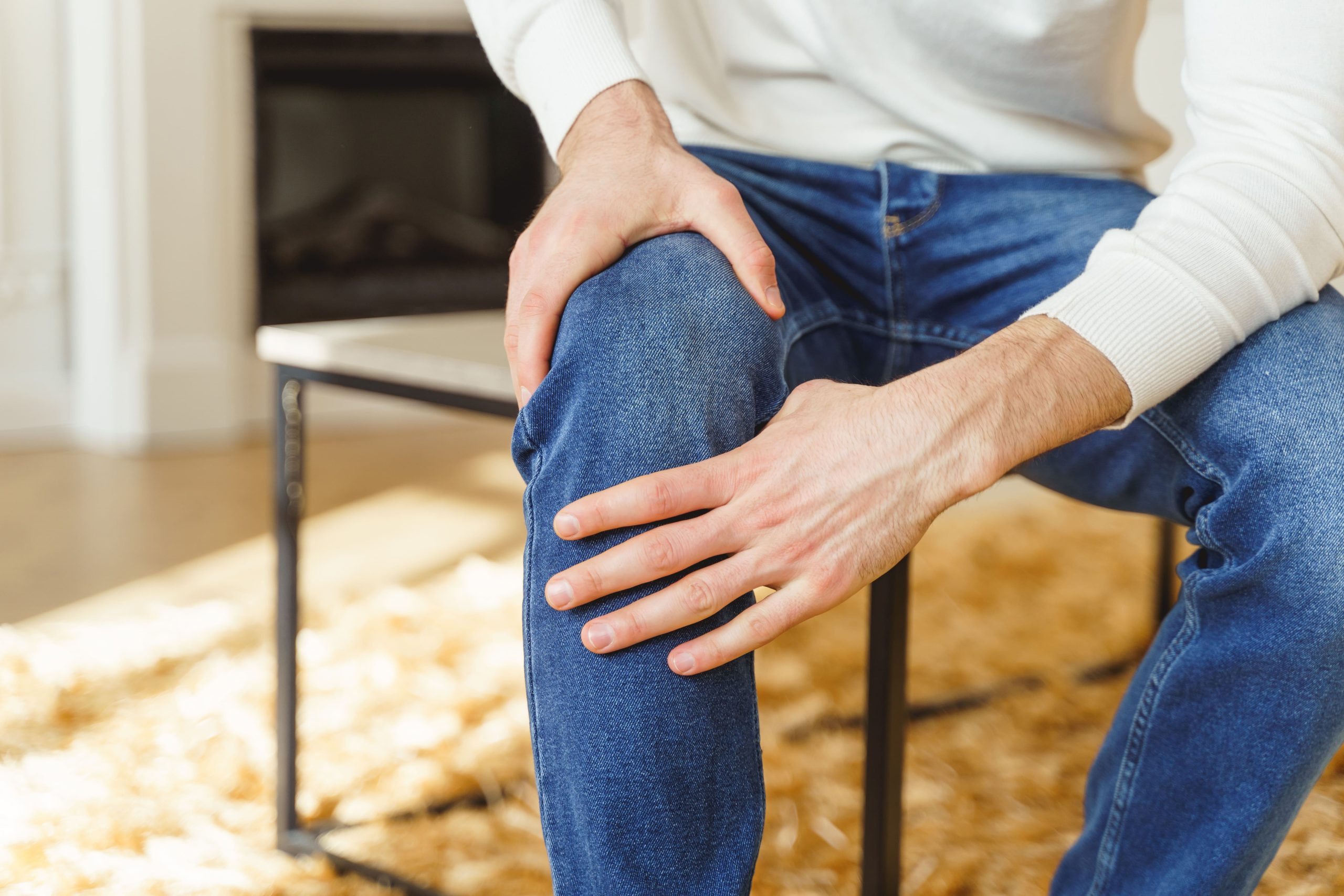
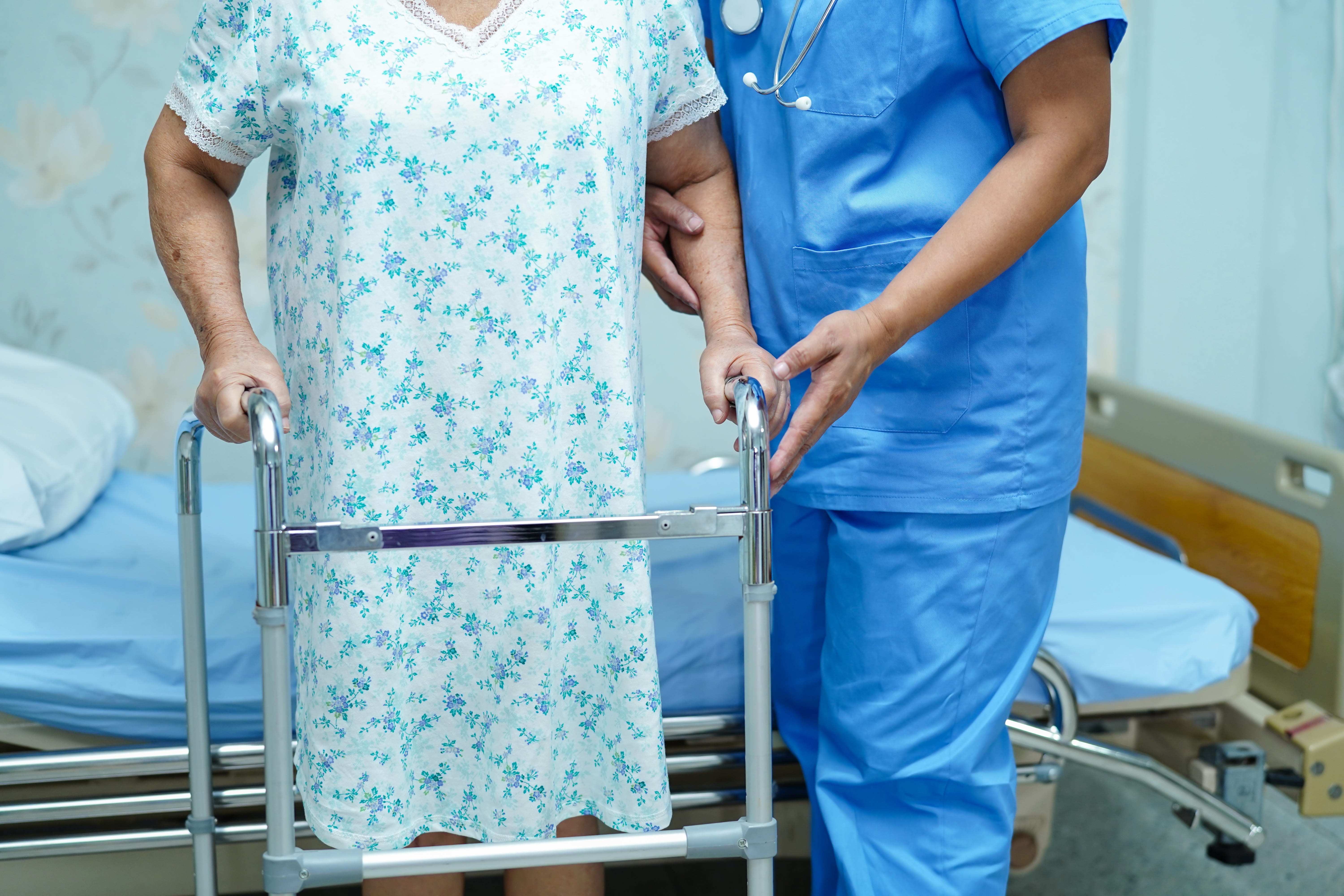
For patients asking how long after ACL surgery you can walk, most people take their first steps with support within 24 to 48 hours. Recovery unfolds in stages, and understanding each phase can help you feel more confident and in control of your rehabilitation journey.
What Happens to Your Knee During ACL Reconstruction
ACL reconstruction is a surgical procedure in which a torn anterior cruciate ligament (the main stabilising ligament inside your knee) is replaced with a new tissue graft. The graft acts as a scaffold for a new ligament to grow along. It is most commonly performed as keyhole surgery (arthroscopy), meaning the surgeon works through small incisions using a tiny camera and instruments, rather than opening the knee fully.
The graft can come from your own body (autograft), a donor (allograft), or a combination of both. Once placed, the graft is fixed to the bone and must go through a biological healing process called ligamentisation, where your body gradually incorporates the graft and transforms it into functional ligament tissue.
This healing process is why your walking recovery follows a structured, phased timeline. Rushing weight-bearing before the graft has adequately integrated increases the risk of graft failure. Your rehabilitation programme is designed to protect the graft in the early weeks while progressively restoring strength, range of motion, and confidence in your knee.
Walking After ACL Surgery Timeline: What to Expect Week by Week
Individual timelines depend on factors such as graft type, surgical technique, the presence of additional injuries (such as a meniscal tear), and how consistently you follow your rehabilitation programme. The table and phases below represent general guidance rather than a fixed schedule.
| Timeframe | Typical Mobility Status | Weight-Bearing Level | Walking Aid |
| Days 1–2 | Minimal movement, bed rest with supervised standing | Non-weight-bearing to toe-touch | Two crutches |
| Weeks 1–2 | Short-distance walking indoors | Toe-touch to partial weight-bearing | Two crutches |
| Weeks 3–6 | Increased walking distance, improving confidence | Gradual progression toward full weight-bearing | One crutch or transitioning off |
| Weeks 6–12 | Walking normally for daily activities | Full weight-bearing | Unaided |
| Weeks 12+ | Resuming errands, light activity, longer distances | Full weight-bearing | Unaided |
Days One to Two After Surgery
In the first 24 to 48 hours after your procedure, the focus is on rest, pain management, and controlling swelling. Your knee will feel stiff and swollen. Most patients are encouraged to stand and take a few steps with two crutches on the first day, but these early movements are brief and supervised. Getting to the bathroom and back is a realistic goal for this phase.
Keeping your leg elevated and applying ice regularly during these initial days may help reduce swelling, which can affect how comfortable early walking feels.
Weeks One to Two: Early Protected Walking
During the first two weeks, you will begin walking short distances indoors with two crutches. Weight-bearing is introduced gradually, meaning you will start by resting some of your weight through your operated leg and increase this as comfort and control allow.
This phase is about managing daily life at home: moving between rooms, preparing simple meals, and getting to physiotherapy appointments. Returning to office-based work may be possible within this window if your commute is manageable and you can keep your leg elevated during the day.
Weeks Three to Six: Transitioning Off Crutches
By weeks three to six, many patients are bearing full weight through the operated leg and beginning the transition from two crutches to one. You typically hold the single crutch on the opposite side of the operated knee to offload pressure and support your gait pattern.
Swelling begins to settle, and walking becomes more natural. You may be able to manage short errands close to home, though longer walks and uneven surfaces still require care.
Weeks Six to Twelve: Walking Normally Post ACL Reconstruction
Many patients reach the milestone of walking normally post ACL reconstruction between six and twelve weeks. By this point, many patients are walking unaided for everyday activities: grocery runs, short commutes, and moving around the workplace.
A mild limp may persist into this phase, particularly when you are tired or have been on your feet for a while. This is common. Your physiotherapist will work with you on gait retraining exercises to help restore a natural walking pattern. Full recovery of strength and function, particularly for return to sport, continues well beyond this point.
How Long to Walk Without Crutches After ACL Surgery
Many patients can walk without crutches between four and six weeks after ACL surgery, though some may manage this transition earlier or later depending on their individual progress. The more important question is not how quickly you can put the crutches down, but whether your knee is ready for unaided walking.
Factors That Influence How Quickly You Can Transition Off Crutches
Several factors affect how long to walk without crutches after ACL surgery:
- Quadriceps strength: Your quadriceps (the large muscle group at the front of your thigh) need to be strong enough to support your knee during walking. If this muscle group is still weak or inhibited, your knee may feel unstable without a crutch.
- Swelling control: Persistent swelling limits range of motion and muscle activation. Keeping swelling well-managed through icing, elevation, and compression may support a smoother transition.
- Range of motion: Sufficient knee flexion (bending) and extension (straightening) are needed to walk with a normal gait. Your physiotherapist will set specific range-of-motion benchmarks before clearing you to walk unaided.
- Surgeon clearance: Your orthopaedic surgeon will assess your progress at follow-up appointments and advise when it is appropriate to reduce or stop crutch use.
- Adherence to rehabilitation: Patients who attend physiotherapy consistently and complete their home exercise programme may reach crutch-free walking sooner.
Needing crutches longer than expected is common and is not a sign that something has gone wrong.
Signs Your Knee May Be Approaching Readiness for Unaided Walking
You may be approaching readiness for unaided walking if:
- You can fully straighten your knee without pain
- You can bear your full body weight through the operated leg without the knee buckling
- Your swelling has significantly reduced
- You can walk with a smooth, even gait rather than a pronounced limp
- Your surgeon or physiotherapist has confirmed you are ready
A healthcare professional should confirm your readiness before you stop using crutches.
Does the Type of ACL Graft Affect How Soon You Can Walk?
Graft selection is a decision made with your surgeon based on your activity level, age, lifestyle goals, and the specific characteristics of your injury. The table below summarises general tendencies for each graft type rather than rigid rules, as individual protocols vary by surgeon and clinical setting.
| Graft Type | Graft Source | Typical Early Weight-Bearing Protocol | General Recovery Consideration |
| Autograft (e.g., hamstring, patellar tendon) | Your own tissue | Gradual weight-bearing from day one, with crutches | Donor site may cause additional soreness initially; commonly used for active patients |
| Allograft | Donor tissue (cadaveric) | Similar early weight-bearing protocol | No donor site pain; healing may take slightly longer as the body incorporates donor tissue |
| Hybrid graft | Combination of autograft and allograft | Protocol varies; generally follows autograft principles | May be used in revision or complex cases; surgeon will advise on specific weight-bearing timeline |
In practical terms, the differences in early walking ability between graft types are modest. The quality of your rehabilitation and how well swelling is managed in the early post-operative period tend to meaningfully influence how quickly you progress with walking.
For a more detailed comparison of graft options available through ACL reconstruction in Singapore, you may wish to discuss your specific circumstances with your orthopaedic surgeon.
Common Setbacks That Can Delay Walking After ACL Surgery
Recovery does not always follow a perfectly linear path. Understanding the most common reasons for slower progress can help you address them early.
- Excess swelling: Swelling that does not settle as expected can limit muscle activation and range of motion, making it harder to progress with walking. Consistent icing, elevation, and compression are important throughout the early weeks.
- Poor quadriceps activation: Sometimes the quadriceps muscle becomes inhibited after surgery due to pain and swelling, a phenomenon called arthrogenic muscle inhibition. Your physiotherapist will use targeted exercises to address this.
- Skipping physiotherapy sessions: Missing sessions may delay the strength and range-of-motion gains needed to progress through each walking phase.
- Returning to activity too early: Attempting to walk longer distances or return to physical activity before your knee is ready can increase swelling and set your recovery back by days or weeks.
- Additional injuries: If your ACL tear was accompanied by a meniscal tear or cartilage damage that was also repaired during surgery, your weight-bearing protocol may be more conservative, which affects the walking timeline.
Each of these setbacks is manageable with the right support from your clinical team.
The Role of Physiotherapy in Getting You Walking Again
Structured physiotherapy plays an important role in achieving your walking milestones. From day one, your physiotherapist guides you through exercises that may help reduce swelling, restore muscle activation, and rebuild your gait. Attending sessions consistently and completing your home exercises gives you a strong foundation for a return to walking and, over time, to the activities you value.
Clinical Insights
With over 18 years of clinical experience in ligament, meniscal, and cartilage procedures, Dr Wang Lushun’s clinical perspective on post-ACL walking recovery centres on a foundational principle: allowing adequate time in the early weeks helps support recovery over the long term.
Following the early protected weight-bearing phase and engaging consistently with physiotherapy from the outset helps support functional recovery as the knee heals. The graft requires time to integrate, and the surrounding knee muscles need time to regain the strength and coordination needed for daily movement.
Dr Wang performs ACL reconstruction using arthroscopic techniques (keyhole surgery), which involve smaller incisions and typically cause less tissue disruption. This approach may be associated with reduced post-operative swelling, though individual comfort during early walking varies. However, the biological healing process of the graft itself depends on individual factors and cannot be accelerated regardless of the surgical method used.
For patients with specific return-to-sport goals, Dr Wang generally advises that walking milestones represent just one phase of a broader rehabilitation process, and that setting realistic expectations early helps support overall recovery management.
Tips to Support Your Walking Recovery After ACL Surgery
Following a structured daily routine after ACL reconstruction can help manage swelling and safely rebuild your mobility.
Preparing Your Home Before Surgery
A few simple adjustments before your surgery date can make the early days at home safer and more comfortable:
- Clear pathways of rugs, cables, and clutter that could cause a trip
- Set up a recovery station on the ground floor if possible, with everything you need within arm’s reach
- Place a chair in the shower or arrange a shower stool so you can bathe safely
- Prepare meals in advance or arrange for help during the first week
- Ensure your bed height allows you to get in and out without straining your knee
Building Walking Endurance Safely
As your walking improves, it is worth building up gradually rather than increasing activity too quickly. Some practical considerations:
- Set small, realistic daily walking goals and build on them gradually, for example, adding a few minutes each day rather than doubling your distance overnight
- Walk on flat, even surfaces before attempting stairs, slopes, or uneven ground
- Rest and elevate your leg after walking sessions to manage any increase in swelling
- Apply an ice pack after activity for 15 to 20 minutes to help keep swelling in check
- Pay attention to how your knee responds: increased pain or swelling after walking may be a signal to reduce your activity level and speak to your physiotherapist.
When to Seek Professional Help
Some discomfort, swelling, and stiffness are expected in the weeks after ACL surgery. However, certain symptoms warrant prompt review by your surgeon or clinical team. Contact your doctor if you notice:
- A sudden increase in pain or swelling that is significantly worse than your usual post-operative discomfort
- An inability to bear weight on the operated leg at a stage when your protocol expects you to be weight-bearing
- Your knee giving way or feeling highly unstable during walking
- Signs of wound infection, including redness spreading around the incision, warmth, discharge, or fever
- A hot, swollen calf, which can be a sign of deep vein thrombosis (DVT, a blood clot in the leg) and requires urgent assessment
- Any new mechanical symptoms such as locking or catching in the knee
Seeking timely review allows your clinical team to identify and address any issues before they affect your longer-term recovery.
Commonly Asked Questions
How soon after ACL surgery can you put weight on your leg?
Most patients are encouraged to put some weight through their operated leg within the first 24 to 48 hours after surgery, with the support of two crutches. The amount of weight increases gradually over the following weeks, guided by your surgeon’s protocol and your physiotherapist’s assessment. Full weight-bearing is typically achieved between weeks two and six, depending on your individual recovery and graft type.
Is it normal to limp for months after ACL reconstruction?
A mild limp in the first few months after ACL reconstruction is common and does not necessarily indicate a problem. It often reflects ongoing muscle weakness, residual swelling, or the body’s natural protective response to the healing knee. With consistent physiotherapy, including gait retraining exercises, many patients see their limp resolve progressively. If a pronounced limp persists beyond three to four months without improvement, it is worth discussing with your surgeon.
Can you walk too much after ACL surgery?
It is possible to exceed your current walking capacity in the early recovery phase. Walking beyond what your knee is ready for can increase swelling, place strain on the healing graft, and delay your progress. Signs that you may have walked too much include a noticeable increase in swelling, increased pain, or a feeling of warmth around the knee after activity. Building your walking duration gradually and following the guidance of your physiotherapy team is advisable. Rest and elevation after walking sessions may help manage any reactive swelling.
When can you drive after ACL surgery in Singapore?
The ability to drive after ACL surgery depends on which leg was operated on and whether you drive an automatic or manual vehicle. For right knee surgery, many surgeons advise waiting until you have adequate strength, reaction time, and pain-free range of motion to operate the pedals safely, typically around 4 to 6 weeks. For left knee surgery in an automatic vehicle, the timeline may be shorter, often around 1 to 2 weeks. You may wish to confirm with your surgeon before returning to driving.
How long before you can return to sport after ACL surgery?
Return to sport after ACL surgery typically takes nine to twelve months, and may be longer for high-demand sports involving cutting, pivoting, and jumping. Walking normally is an early milestone, but it represents one stage of a longer rehabilitation continuum. Your surgeon and physiotherapist will use functional tests and strength assessments to help determine when it may be appropriate to progress to running, sport-specific training, and eventually full competition.
Speak With an Orthopaedic Specialist About Your ACL Recovery
If you would like to discuss your individual recovery expectations, explore your graft options, or understand what a personalised rehabilitation plan might look like for you, you are welcome to reach out to our team. Speaking with a specialist about how long to walk without crutches after ACL surgery and what your return-to-activity goals may involve can be a helpful first step.