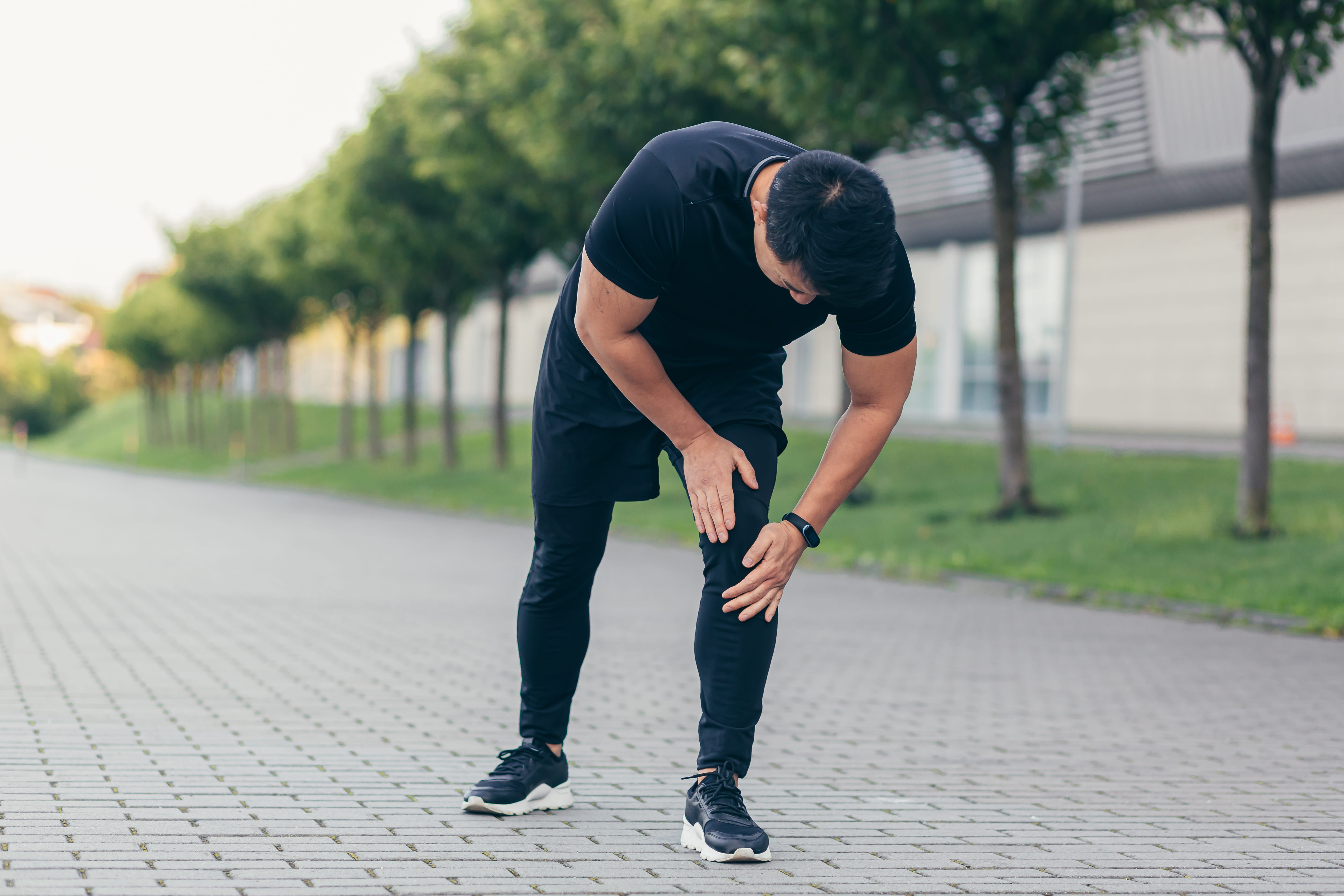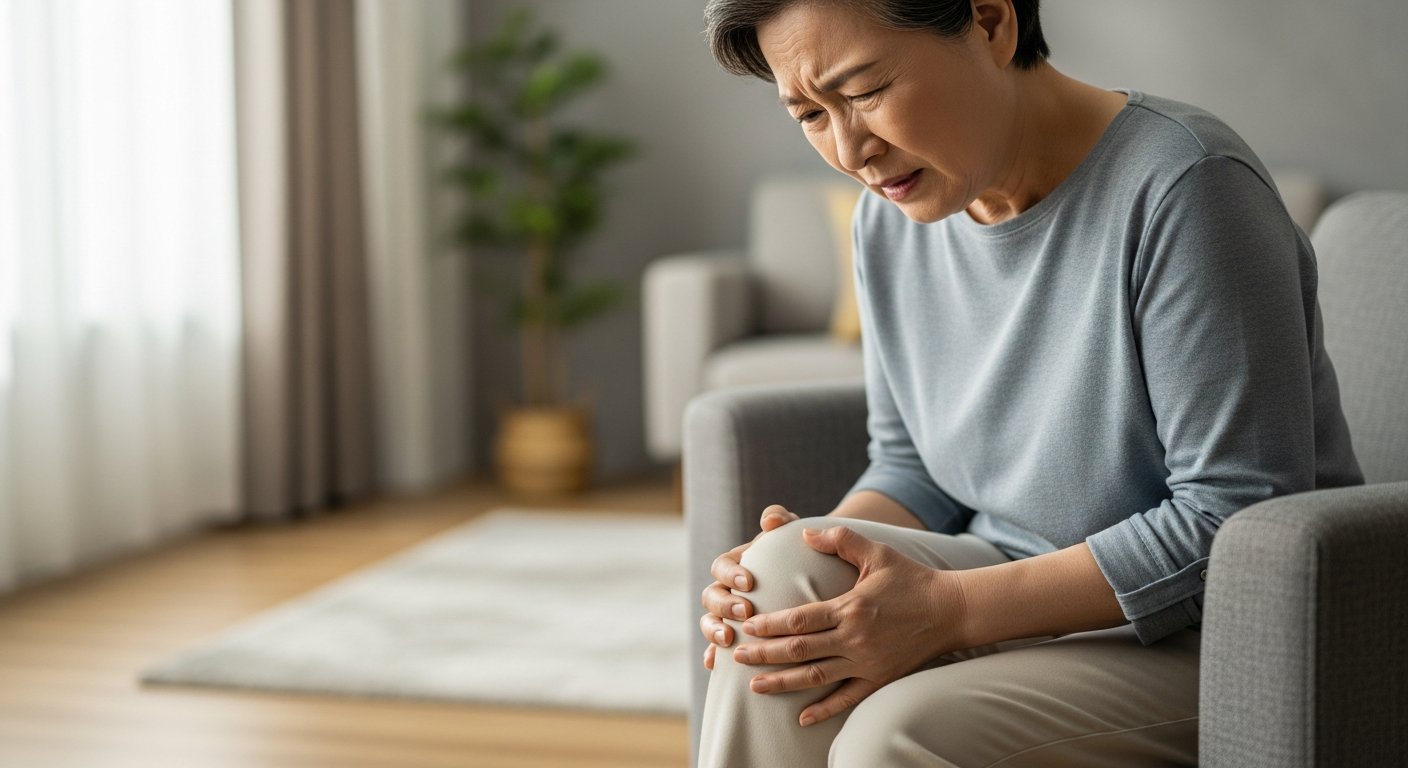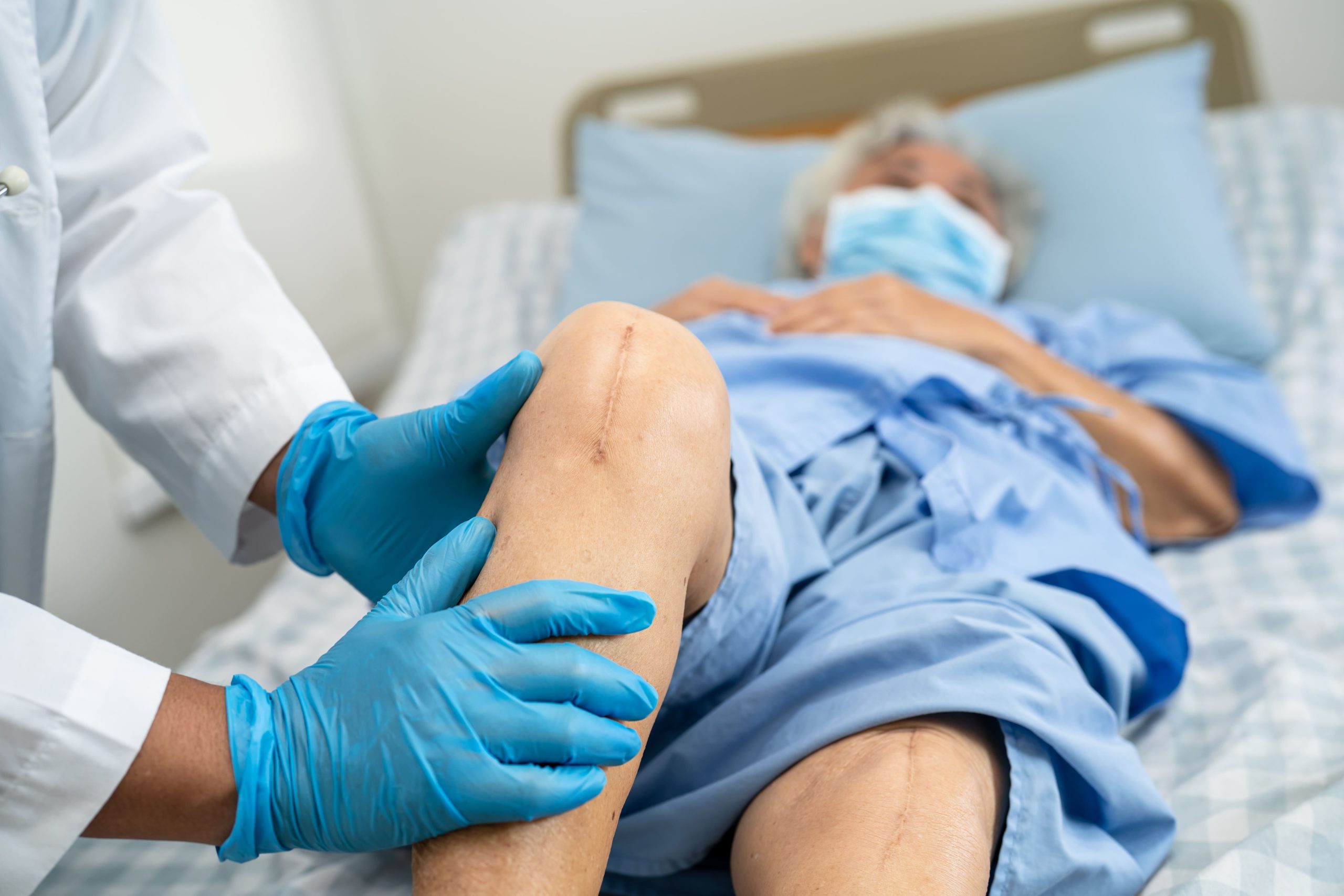
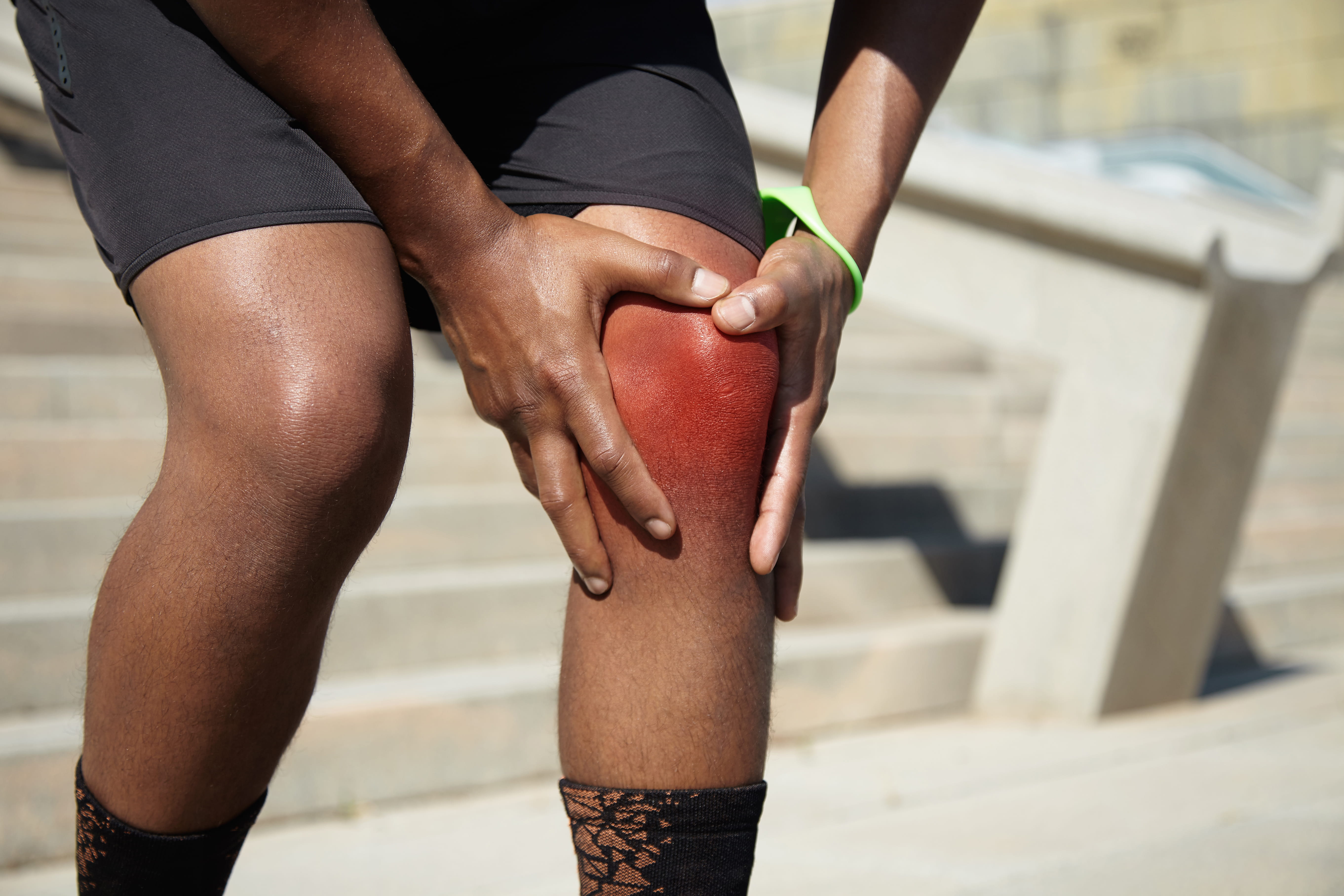
The kneecap doesn’t simply sit still. It glides through a groove in the femur under forces that can reach up to five times your body weight during running, and patellofemoral pain syndrome develops when those forces exceed what the surrounding tissues can tolerate.
This is not a structural damage problem but a mismatch between training load and tissue capacity, which is why runners’ knee treatment in Singapore focuses on building tissue resilience rather than simply resting until pain disappears.
Why Rest Alone Doesn’t Solve Runner’s Knee
Stopping all activity when patellofemoral pain develops seems logical, but creates a problematic cycle. Without loading, the quadriceps, hip muscles, and connective tissues around the knee gradually weaken. When running resumes, these deconditioned structures face the same demands with even less capacity to handle them.
The tissues surrounding your patellofemoral joint respond to progressive loading by becoming stronger and more resilient. Complete rest removes this adaptation stimulus entirely. After several weeks of inactivity, runners typically find their pain returns within days of resuming training, often at lower volumes than before.
Effective runner’s knee treatment emphasises relative rest: reducing aggravating activities to a tolerable level while maintaining enough load to preserve or build tissue capacity. This approach allows healing while simultaneously addressing the factors that created vulnerability in the first place.
Load Management: Finding Your Training Threshold
Every runner with PFPS has a current threshold, a training volume and intensity below which symptoms remain manageable. Identifying this threshold allows continued training while the knee recovers.
Modifying running volume involves reducing weekly mileage to approximately 60-70% of your pre-injury level as a starting point. If pain during runs stays below 3 out of 10 and settles within 24 hours afterwards, you’ve found a sustainable baseline. From here, increase gradually, using no more than roughly 10% weekly as a general guide, and avoid large jumps in the length of any single run, which appears to matter more for injury risk than weekly totals, while monitoring the same pain criteria.
Adjusting running intensity often helps more than cutting distance. The downhill sections of hill training, along with intervals and tempo runs done at higher speeds, place higher patellofemoral loads than easy running; uphill running alone does not significantly add to this load and may even reduce it slightly. Temporarily shifting toward flat, steady-paced runs reduces joint stress while maintaining cardiovascular fitness.
Shortening stride length by 5-10% can reduce patellofemoral joint forces. Most runners achieve this naturally by increasing cadence slightly, adding 5-10 steps per minute to their current rate. Avoid overstriding, where your foot lands well ahead of your centre of mass.
Surface selection influences loading patterns. Softer surfaces like grass or trail provide some shock absorption, though the uneven terrain may challenge an irritable knee. Consistent, flat surfaces often work better during acute phases.
Hip Strengthening: The Foundation of Knee Health
Weakness in the hip abductors and external rotators allows the thigh to rotate inward during running, increasing stress on the patellofemoral joint. This movement pattern, often called dynamic knee valgus, appears in slow-motion video analysis of runners with PFPS more frequently than in pain-free runners.
Lateral band walks target the gluteus medius directly. Place a resistance band around your ankles or just above your knees, assume a quarter-squat position, and step sideways while maintaining tension in the band. Perform 15-20 steps in each direction for 2-3 sets.
Single-leg Romanian deadlifts build hip stability in a functional pattern. Standing on one leg, hinge forward at the hips while extending the opposite leg behind you, keeping your back straight. The standing hip must work constantly to prevent pelvic drop and rotation.
Clamshells with progression isolate the hip external rotators. Lying on your side with knees bent at 45 degrees and heels together, rotate your top knee towards the ceiling while keeping your pelvis stable. Add a resistance band above the knees once bodyweight becomes easy.
Step-downs with control integrate hip and knee function in a manner specific to running.
Standing on a step, slowly lower your opposite foot towards the ground by bending the standing knee, maintaining alignment between your hip, knee, and foot. The descent should take 3-4 seconds.
A 2018 systematic review found that combining hip and knee strengthening produces better pain and function outcomes than knee strengthening alone, which is why runners’ knee treatment plans typically pair hip work with quadriceps exercises rather than relying on either approach in isolation.
Quadriceps Strengthening Without Aggravating Symptoms
The quadriceps muscles control knee extension and absorb landing forces during running. Weakness or delayed activation in the vastus medialis, the inner portion of the quadriceps, appears frequently in runners with PFPS, though the relationship between this finding and symptoms remains debated.
Isometric knee extension provides quadriceps loading without joint movement, making it useful during acute phases. Sitting with your leg straight, push the back of your knee towards the floor while tightening your thigh muscles. Hold for 45 seconds, repeat 5 times, and perform several times daily.
Wall sits load the quadriceps through a sustained contraction. Slide down a wall until your thighs are parallel to the floor (or at a shallower angle if this provokes pain), and hold for 30-60 seconds. The knee angle affects patellofemoral stress; shallower angles (less bent) typically cause less discomfort.
Spanish squats using a resistance band anchored behind the knees shift loading posteriorly, often reducing patellofemoral symptoms while still challenging the quadriceps. The band provides a counterforce that allows more upright posture and reduces forward knee travel.
Terminal knee extensions specifically target the final degrees of knee straightening. Attach a band behind your knee, start with the knee slightly bent, and straighten fully against the resistance. This movement pattern addresses the range where the vastus medialis contributes most significantly.
Did You Know?
The patella acts like a lever within the quadriceps tendon, increasing the muscle’s mechanical advantage by improving the angle of pull on the shin bone. This explains why patellofemoral problems affect activities requiring strong knee extension, such as stair climbing, squatting, and the push-off phase of running.
Running Gait Modifications That Reduce Knee Load
Beyond increasing cadence, several running technique adjustments can decrease patellofemoral stress without dramatically changing your natural form.
Trunk position influences lower limb mechanics. A slight forward lean from the ankles, not the waist, shifts your centre of mass forward, reducing the braking forces that occur with each foot strike. These braking forces contribute to patellofemoral loading.
Foot strike pattern changes aren’t universally beneficial, but some runners with PFPS find relief from transitioning towards a midfoot strike. This adjustment typically happens naturally with shorter stride length and increased cadence. Forcing a forefoot strike often creates calf problems without helping the knee.
Arm swing affects rotational forces through the trunk and pelvis. Excessive crossing of the arms across the midline can promote hip internal rotation and knee valgus. Aim for arms swinging forward and back with minimal crossover.
Pelvic drop control requires conscious attention initially. Your pelvis should remain relatively level when viewed from behind, not dipping on the side of the swing leg. Cueing yourself to “run tall” or imagining a string pulling you up from the crown of your head often helps.
Cross-Training Options That Maintain Fitness
While modifying running volume, strategic cross-training preserves cardiovascular fitness and maintains training consistency without aggravating patellofemoral symptoms.
- Cycling typically causes minimal patellofemoral stress when the seat is positioned correctly, high enough that your knee straightens to about 25-30 degrees of flexion at the bottom of the pedal stroke. Avoid high resistance or standing climbs initially.
- Swimming removes impact and weight-bearing entirely. Focus on freestyle or backstroke; breaststroke’s whip kick can stress the inner knee structures.
- Pool running mimics running mechanics without impact. Using a flotation belt in deep water, maintain an upright posture and simulate your normal running form. Heart rate typically runs lower than land running at equivalent effort.
- Elliptical training provides a running-like motion with reduced patellofemoral loading. Keep resistance moderate and avoid incline settings that increase knee flexion at the bottom of the stride.
Practical Strategies for Training Modification
| Symptom Level | Running Adjustment | Complementary Training |
| Pain 1-3/10 during run, settles quickly | Continue at current volume, focus on technique | Hip strengthening 3x weekly |
| Pain 4-5/10 during run, settles within 24 hours | Reduce volume by 30%, eliminate hills and speed work | Add pool running or cycling |
| Pain 6+/10 during run or persists >24 hours | Stop running temporarily, reassess after 5-7 days | Cross-train daily, intensive rehab exercises |
| Pain with daily activities | Seek professional evaluation | Modified exercises within pain tolerance |
Important Note:
Pain that wakes you at night, significant swelling, or locking/catching sensations suggest pathology beyond typical PFPS and warrant prompt orthopaedic evaluation.
When to Seek Professional Help
- Pain exceeding 5/10 that doesn’t improve with load modification over 2-3 weeks
- Swelling around the kneecap, particularly if warm to touch
- Sensation of the knee giving way during running or daily activities
- Pain that prevents normal walking or stair climbing
- Symptoms that began after a specific traumatic incident
- Clicking or grinding accompanied by pain (painless clicking alone is usually benign)
- Inability to fully straighten or bend the knee
If your symptoms overlap with other conditions, such as ligament or cartilage injuries, it may help to understand how sports-related knee injuries are generally diagnosed and treated before your consultation.
Commonly Asked Questions
Can I run through patellofemoral pain?
Running with mild symptoms (1-3/10) that don’t worsen during the run and settle within 24 hours is generally acceptable and may even promote healing through controlled loading. Pain above this threshold signals that current training exceeds tissue capacity and requires modification.
How long does runner’s knee take to resolve?
Recovery timelines vary considerably based on symptom duration before treatment, training modifications made, and consistency with rehabilitation exercises. Many runners see meaningful improvement within 6-12 weeks of appropriate management, though complete resolution may take longer.
Should I wear a knee brace or strap?
Patellar straps and braces may provide temporary symptom relief during activity for some runners. They work by altering force distribution across the patellofemoral joint. However, they don’t address underlying capacity deficits and shouldn’t replace exercise-based rehabilitation.
Is running on a treadmill better for runner’s knee?
Treadmill running offers a consistent, flat surface and allows precise pace control, making it useful for load management. The cushioned belt may reduce impact slightly. However, the most suitable surface is whichever allows you to run with acceptable symptoms while maintaining good form.
Will I need imaging for my knee pain?
PFPS is typically diagnosed clinically based on symptom patterns and physical examination. Imaging isn’t routinely necessary unless symptoms suggest alternative diagnoses, haven’t responded to appropriate conservative treatment, or trauma was involved.
Next Steps
Reduce running to a volume where pain stays below 3 out of 10 and resolves within 24 hours, then rebuild intensity by no more than roughly 10% weekly. Prioritise hip abductor and quadriceps strengthening three times per week; these two interventions address the primary mechanical drivers of patellofemoral pain. If symptoms do not improve after 2-3 weeks of consistent load modification and exercise, professional evaluation is warranted to identify specific contributing factors.
If you are experiencing pain around or behind the kneecap during running, stair climbing, or prolonged sitting that has not improved with load modification and rehabilitation exercises, a comprehensive physical assessment and movement review by our orthopaedic surgeon can help clarify which conservative management or clinical recovery options are appropriate for your knee condition.