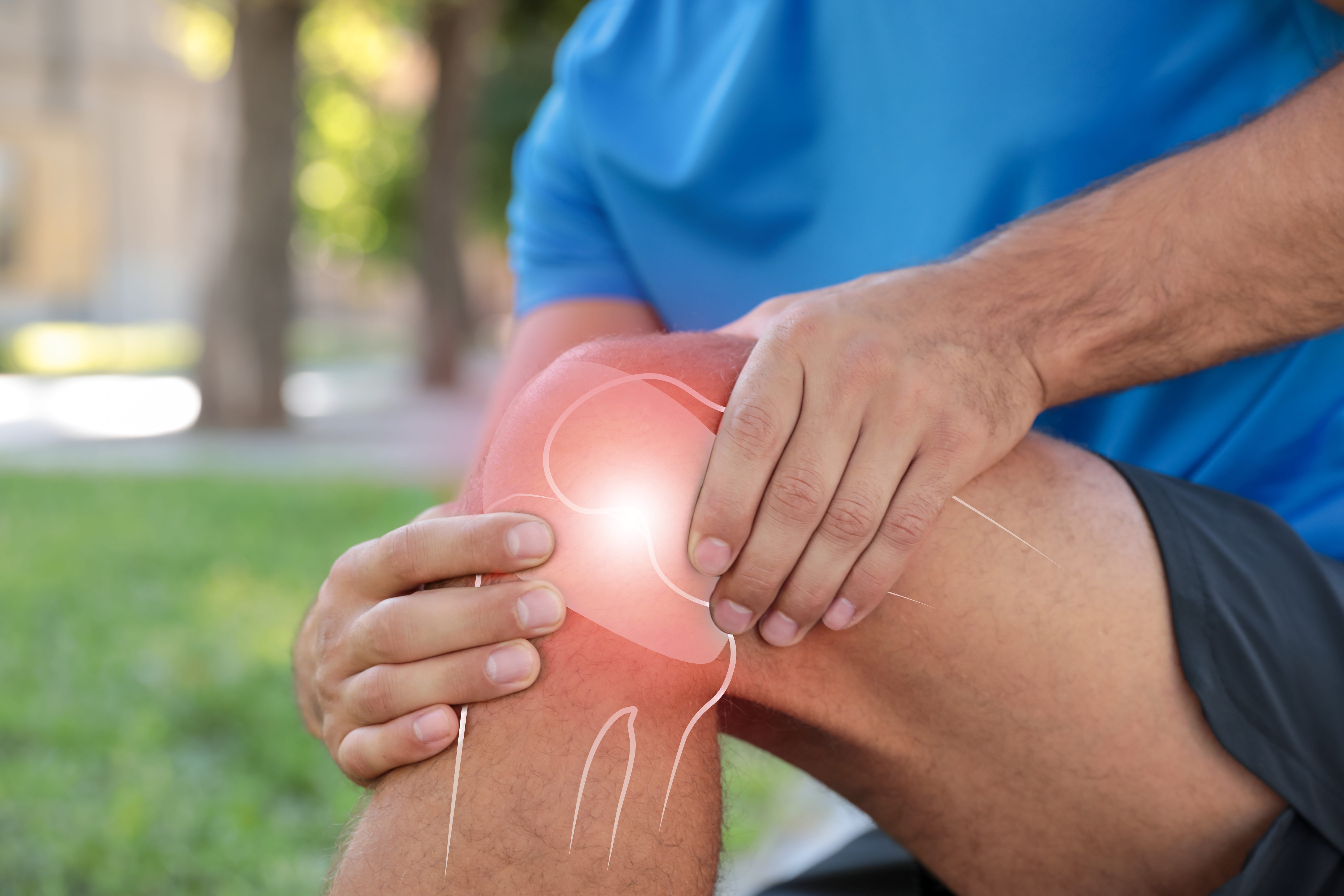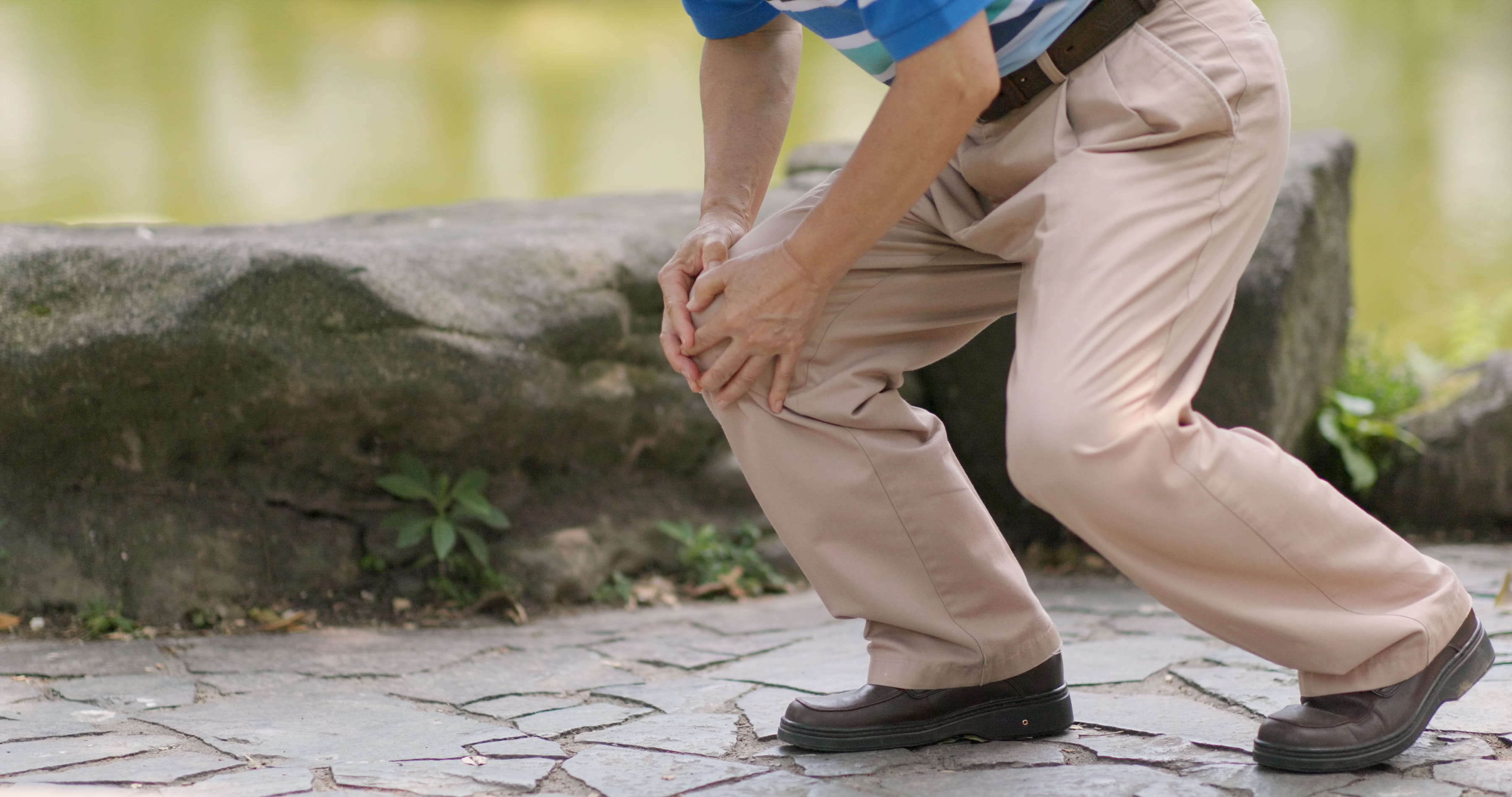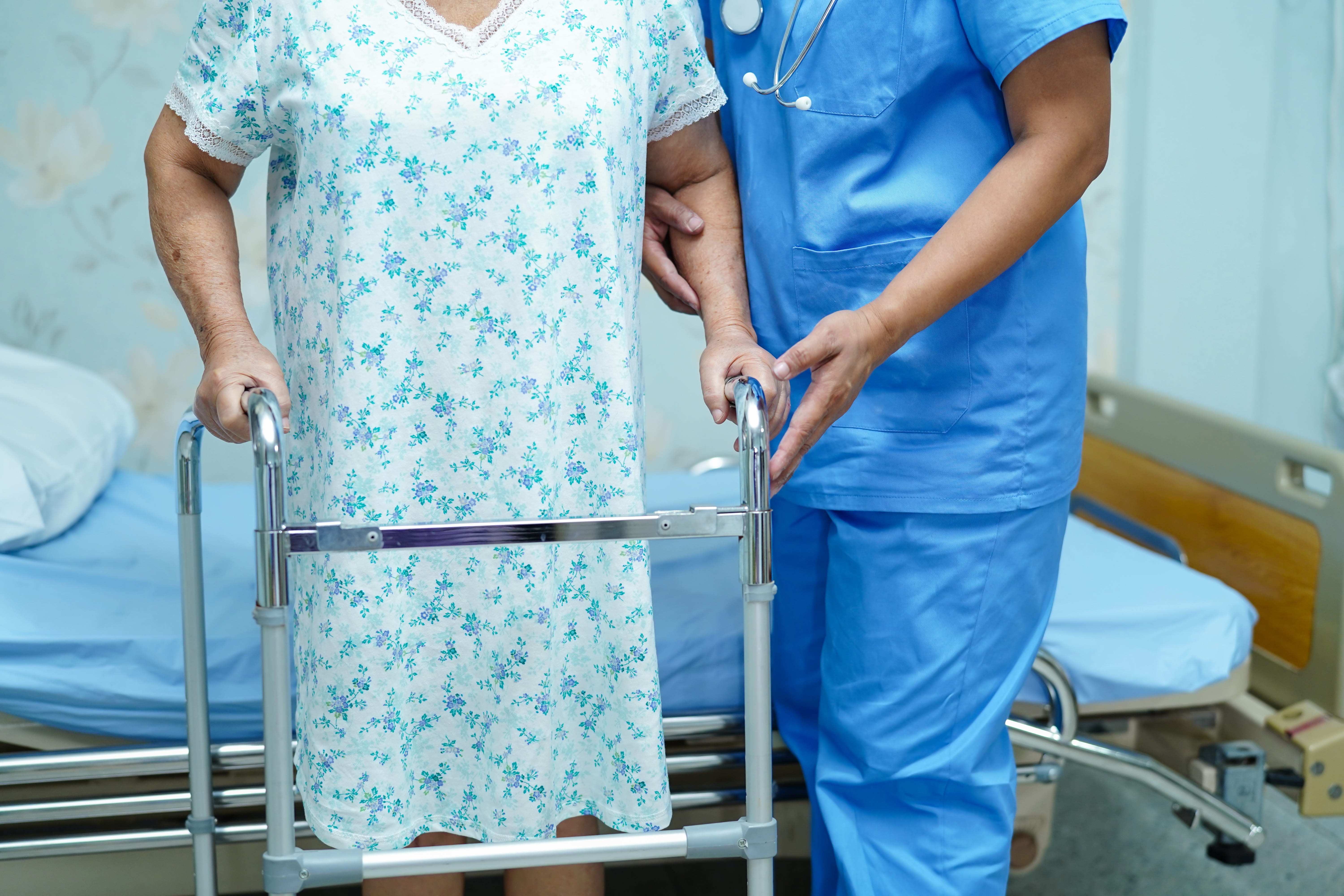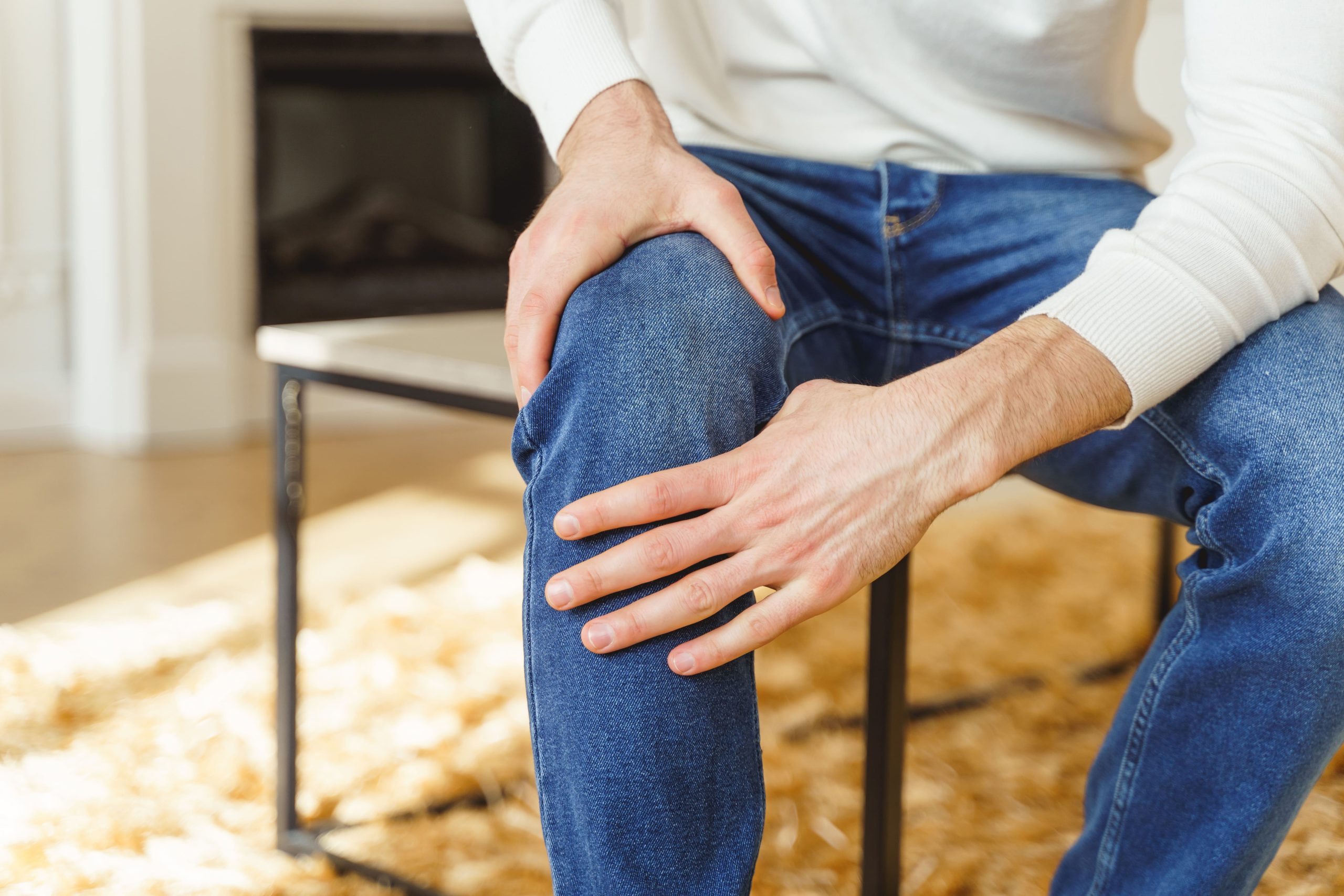

Your knee replacement joint moves differently from your natural knee, so how you sit during recovery can play an important role in protecting the prosthesis and supporting healing. Sitting technique affects blood circulation, wound healing, and swelling, and can influence how well your range of motion recovers over time. Your orthopaedic surgeon may set specific positioning limits based on your implant and surgical approach, so it is worth confirming your own guidelines at your next review.
Foundational Sitting Position for Recovery
The standard recommended sitting position places your operated leg extended forward with a slight bend at the knee, typically between 30 to 60 degrees of flexion during early recovery. This position balances the need to prevent excessive stiffness while avoiding strain on the healing surgical site.
Your foot should rest flat on the floor or on a low footstool, with your thigh fully supported by the chair seat. The chair height matters significantly: your hips should be level with or slightly higher than your knees. When your hips sit lower than your knees, the deep flexion angle places unnecessary stress on the prosthetic components and surrounding tissues.
Armrests provide useful support for standing and sitting transitions, reducing the load through your operated knee during these movements. A firm cushion can raise a low chair seat to the appropriate height, though avoid soft cushions that allow you to sink into positions of excessive flexion.
Chair Selection and Setup
The right chair supports safe positioning throughout recovery, keeping your hips level with or above your knees and your thigh fully supported. A few practical checks can help you choose well:
- Choose firm seating. Dining chairs and firm kitchen chairs typically offer better support than soft sofas or recliners, preventing your hips from dropping below knee level and maintaining a stable base for position changes.
- Check seat depth. Your chair should support at least two-thirds of your thigh length without the front edge pressing into the back of your knee, since pressure at the popliteal area can impair circulation and contribute to swelling.
- Look for lumbar support. A straight-backed chair with lower back support reduces compensatory strain on your back and opposite leg, which helps prevent the back discomfort many patients develop from favouring the operated leg during recovery.
Did You Know? The prosthetic knee joint contains polyethylene (medical-grade plastic) components that articulate against metal surfaces. Proper positioning during early healing allows the surrounding soft tissues to adapt to these new movement patterns.
Position Modifications Throughout the Day
Your ideal sitting position shifts across the day as stiffness, activity, and swelling change.
| Time of Day | Recommended Position | Why |
| Morning | Start with your leg more extended, gradually increasing bend as tissues warm up | Reduces stiffness and avoids forcing movement through a stiff joint |
| Mealtimes | Knee at approximately 90 degrees at a standard dining table, once cleared by your surgeon (usually week 2-3), in shorter alternating periods | Builds tolerance for functional flexion without overloading the joint early on |
| Evening | Leg elevated on a footstool or ottoman, ideally with the entire limb raised above heart level using pillows or a wedge | Aims to help support swelling reduction; any elevation above hip level can assist fluid drainage |
Positions to Avoid
Crossing your legs places rotational stress on the knee joint that the healing tissues cannot safely accommodate. This applies to crossing at the knees or ankles, as both create asymmetric loading through the prosthesis.
Sitting with your knee bent beyond 90 degrees for prolonged periods, such as in low sofas, car seats, or cinema seating, strains the posterior capsule and can contribute to flexion contracture, where the knee loses its ability to straighten fully.
Perching on the edge of chairs without back support encourages forward lean and excessive knee flexion while also creating instability for standing. This position frequently leads to falls during early recovery when balance and strength remain compromised.
Sitting with your operated leg tucked underneath you or in any twisted position risks damaging the prosthesis positioning before the surrounding tissues have fully healed and stabilised the joint.
Transitioning Between Sitting and Standing
Rising from a chair safely involves specific technique that protects your new knee. Slide forward to the front third of the chair seat, position your operated leg slightly forward of your other leg, and use the armrests to push up while your stronger leg does most of the lifting work.
Lowering into a chair reverses this process. Feel for the chair seat behind you, reach back for the armrests, extend your operated leg slightly forward, and lower yourself using arm strength and your unoperated leg.
The temptation to plop down into chairs strains the prosthesis with sudden impact loading. Controlled descent protects both the implant and the healing soft tissues during every sitting transition.
Important Note: Sudden pain, giving way, or clicking sensations during sitting transitions warrant immediate contact with your surgical team, as these may indicate issues requiring assessment.
Sitting for Travel and Transport
Cars and planes bring seat heights and spacing that your usual chair setup doesn’t have to deal with, so a bit of planning helps. Your physiotherapist can advise on cushions or seat adjustments before you travel.
- Set up the passenger seat. Recline the backrest slightly and slide the seat back to maximise leg room, then enter by sitting first and swinging both legs in together, keeping your operated knee relatively straight.
- Break up long car journeys. Stop every 30 to 45 minutes during the first several weeks to stand and walk briefly, which helps prevent blood pooling, swelling, and clot risk.
- Plan for air travel carefully. Get medical clearance beforehand, and choose aisle seats for easier leg extension and movement, or bulkhead seats for extra legroom if under-seat storage isn’t a concern.
Workplace Sitting Adjustments
Returning to desk work often means rethinking your usual setup, since standard office chairs may sit too low or offer too little support. A few adjustments can make a real difference to comfort and recovery.
- Add a footrest. One that allows varied positioning helps you alternate between more extended and more flexed positions through the day.
- Change position often. Shifting every 20 to 30 minutes helps prevent stiffness and supports circulation.
- Consider a standing desk. If available, it reduces total sitting time while still letting you complete seated tasks when needed.
- Check your ergonomic setup. Monitor and keyboard positioning affects your posture, which in turn affects how you position your leg, so an ergonomic assessment may benefit both your knee recovery and general musculoskeletal health.
Clinical Insights
Staying mindful of recommended sitting positions throughout the day may help support range-of-motion progress at follow-up reviews. Post-operative outcomes depend on multiple factors, including rehabilitation adherence, individual healing rates, and pre-operative joint condition, so results vary among individuals. Consistent, appropriate positioning during daily sitting is one factor among several that can support long-term joint function and comfort.
Daily Position Management Techniques
Maintain variety in your positioning by setting reminders to change position every 20 to 30 minutes, alternating between more flexed and more extended positions within your cleared range.
Pair position changes with gentle ankle pumps to promote circulation. Flex and point your foot through its full range several times each time you adjust your sitting position.
Use ice therapy strategically by sitting with your leg appropriately elevated and supported during icing sessions, combining two beneficial interventions simultaneously.
Track your tolerance for different positions and durations in the early weeks, noting which setups allow longer comfortable sitting and which provoke stiffness or swelling.
Prepare your home environment before surgery by identifying which chairs offer appropriate support and positioning assistive devices within reach of your primary sitting locations.
When to Seek Professional Help
- Increased swelling that does not improve with elevation
- New or worsening redness around the surgical incision
- Pain that intensifies rather than gradually improves over time
- Difficulty achieving the flexion range your physiotherapist has targeted
- Numbness or tingling in your foot or lower leg while sitting
- Feeling of instability or the knee giving way during transitions
- Fever or general unwellness combined with knee symptoms
Commonly Asked Questions
How long should I sit with my knee elevated each day?
During the first two weeks, aim for several hours of elevated sitting daily, particularly during afternoon and evening when swelling accumulates. By six weeks, you may only need elevation when you notice increased swelling after activity. Your body’s response guides the duration; elevate until swelling visibly reduces.
Can I sit on the floor after knee replacement?
Floor sitting requires deep knee flexion and significant strength to rise, making it inadvisable during early recovery and potentially long-term depending on your final range of motion. Discuss timeline and technique with your physiotherapist if floor sitting is important for cultural or lifestyle reasons.
When can I sit with my knee bent at 90 degrees?
Most patients can sit at 90 degrees comfortably by two to three weeks post-surgery, though this varies based on individual healing, surgical approach, and pre-operative knee condition. Your physiotherapist will progress your range of motion targets based on your specific recovery trajectory.
Is it normal for my knee to feel stiff after sitting?
Post-sitting stiffness is expected and gradually improves over the first three months. The sensation typically eases after a few minutes of movement. Prolonged sitting in one position increases stiffness, which is why regular position changes throughout the day help manage this common experience.
Should I use a recliner chair during recovery?
Recliners can be useful if they have a firm base, appropriate seat height, and allow you to keep your knee relatively straight while reclined. Avoid recliners that position your hips lower than your knees or require significant effort to exit. Electric lift recliners may assist with standing if lower extremity strength is limited.
Next Steps
Keep your hips level with or above your knees, change position every 20 to 30 minutes, and use controlled technique for every sitting transition. Elevate your leg during extended evening sitting to manage swelling that accumulates throughout the day. If you notice swelling that does not improve with elevation, increasing pain, instability during transitions, or difficulty reaching your physiotherapist’s flexion targets, seek assessment promptly.
If you are experiencing persistent knee stiffness, difficulty with sitting-to-standing transitions, swelling that does not respond to elevation, or concerns about your range of motion after knee replacement, an orthopaedic surgeon can evaluate your condition and advise on appropriate next steps.