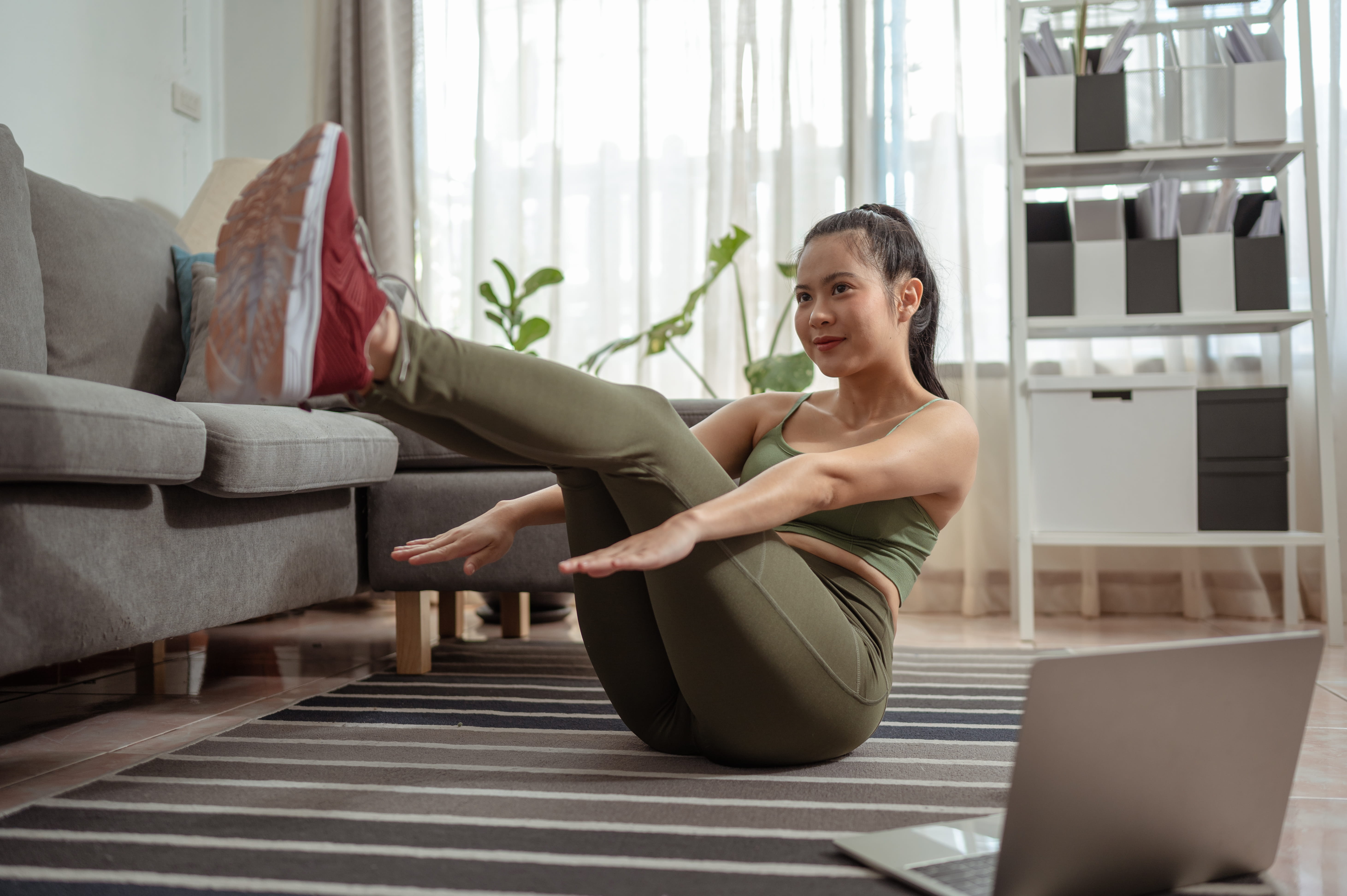

Hip bursitis is a common condition characterized by inflammation of the bursae (fluid-filled sacs that cushion the hip joint). This inflammation can lead to significant pain, stiffness, and reduced mobility, making everyday activities challenging. Although exercise is generally beneficial for joint health, certain movements can worsen bursitis symptoms by placing excessive strain on the affected area.
Recognizing and avoiding these exercises is key to preventing further irritation and supporting the recovery process. This guide outlines activities that are best avoided to help manage hip bursitis effectively.
1. Running or Jogging on Hard Surfaces
Running on hard surfaces such as concrete or pavement subjects the hip joint to repetitive impact. This impact can irritate the bursae, potentially worsening inflammation and pain. Using shock-absorbing footwear or running on softer surfaces, like grass or a treadmill, may reduce strain. Low-impact substitutes like swimming or walking on flat terrain are safer alternatives.
2. Deep Squats
Performing deep squats increases compression within the hip joint, which can aggravate bursitis symptoms. Because poor squatting form to avoid hip pain can also inadvertently strain your knees, consulting a knee doctor Singapore or hip specialist in Singapore is recommended if you feel heightened discomfort in your lower body joints. This compression often leads to heightened discomfort in the inflamed area. Partial squats or isometric holds can reduce strain while still engaging the muscles.
3. Lunges
Lunges place significant weight on the hip joint during movement, stressing the inflamed bursae. This exercise can worsen symptoms and prolong recovery if not performed cautiously. Static lunge variations or other non-weight-bearing exercises may be safer alternatives. Avoid lunges unless performed with professional guidance.
4. High-Impact Cardio or Aerobic Movements
Activities such as burpees or jumping jacks involve sudden, high-impact movements that can irritate the bursae. These movements may exacerbate pain and increase inflammation in the hip joint. Low-impact aerobic exercises, such as cycling or using an elliptical machine, are safer options.
5. Heavy Weightlifting or Resistance Exercises
Weightlifting exercises like leg presses or heavily weighted squats exert additional pressure on the hip joint. This added stress can worsen inflammation and delay recovery. Opt for lighter resistance exercises, resistance bands, or bodyweight exercises to maintain strength without excessive joint strain. Physiotherapy-guided training can help ensure proper form and prevent further irritation.
6. Steep Stair Climbing and Slopes
Repeated stair climbing or walking on steep inclines places strain on the hip joint, potentially worsening bursitis symptoms. This activity can irritate the bursae and increase discomfort over time. Choosing flat walking routes with gentle inclines can minimize strain while supporting mobility.
7. High-Resistance Cycling or Uphill Rides
Cycling with high resistance or riding uphill places additional demand on the hip joint, potentially leading to inflammation. This can aggravate pain and slow recovery. Instead, select flat routes and moderate resistance levels. Using a stationary bike with adjustable settings is a good alternative for maintaining fitness.
8. Twisting and Rotational Movements
Rapid twisting, such as in certain yoga poses or dance routines, places significant strain on the hip joint. These motions often worsen bursitis symptoms by irritating the inflamed bursae. Controlled, low-impact stretches targeting hip stabilizers are safer alternatives. Consult a physiotherapist for guidance on suitable exercises.
Conclusion
Managing hip bursitis effectively requires avoiding exercises that may increase inflammation and discomfort. Recognizing and addressing signs of aggravation, such as increased swelling or sharp pain after activity, helps prevent further irritation. Opt for low-impact or modified movements to reduce strain while staying active. Working with a physiotherapist or orthopaedic specialist ensures personalized advice tailored to your condition.
Consult Dr Wang Lushun for guidance on treating hip bursitis and restoring your mobility.