
The patient’s medical history, symptoms, and specific incidents that might have led to the injury will be reviewed. Physical tests are usually conducted by a hip specialist in Singapore to assess the hip’s range of motion, strength, and stability.
Hip Labral Tears Specialist In Singapore

Dr Wang Lushun
Senior Consultant Orthopaedic Surgeon
MBBS (Singapore)
MRCS (Edin)
MMed (Ortho)
FRCS (Ortho) (Edin)
- Fellowship-trained orthopedic surgeon
- Internationally recognised, more than 1500 surgeries performed

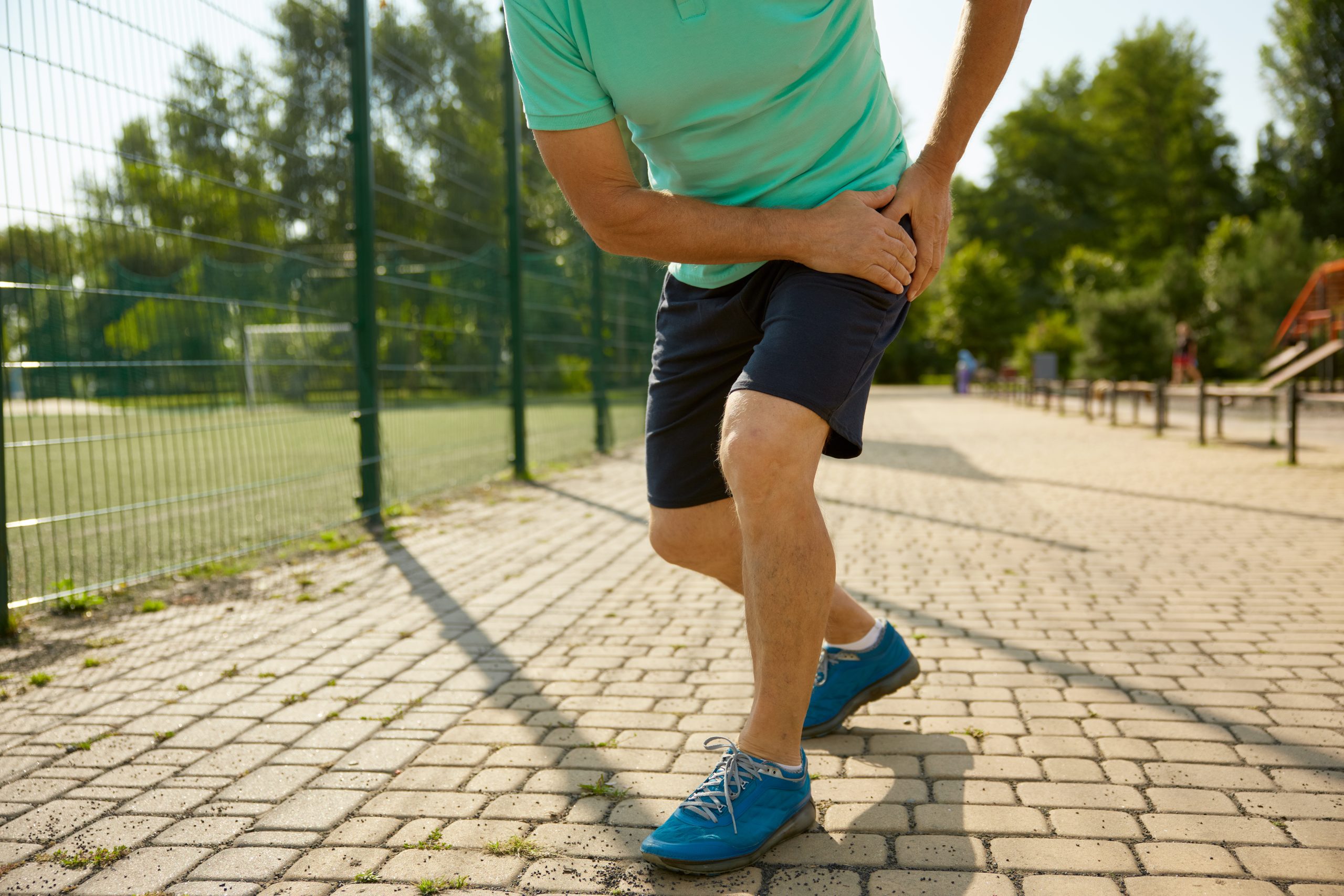
What are Hip Labral Tears?
The hip joint is one of the body’s largest weight-bearing structures, and plays an integral role in various movements, from walking to jumping. The labrum, a cartilage ring surrounding the hip joint socket, is crucial for the joint’s flexibility and strength.
A hip labral tear involves the damage or tearing of this cartilage. This condition can stem from various factors, including physical activity, structural abnormalities, and degenerative processes.
Causes of Hip Labral Tears
The following factors may contribute to hip labral tear development:
- Structural Abnormalities
Some people are born with variations in the structure of their hip joints, such as a condition known as femoroacetabular impingement (FAI). FAI occurs when there is an abnormal shape to the hip joint bones, leading to friction during hip movements that can cause labral tears over time. - Traumatic Injuries
Traumatic events, such as falls or sports-related impacts, can directly cause hip labral tears. Athletes participating in sports that require significant twisting or pivoting movements, such as soccer, football, and golf, are at a higher risk of experiencing these injuries. - Degenerative Changes
With age, the cartilage in the hip joint can wear down and weaken, leading to tears. Underlying conditions like osteoarthritis can also exacerbate this degeneration.
Diagnosis of Hip Labral Tears
The diagnosis of a hip labral tear involves a combination of clinical assessment and imaging studies aimed at confirming the presence of a tear and understanding its extent.
Clinical Examination
Imaging Studies
- X-rays: X-rays can reveal any structural abnormalities of the hip joint that might contribute to a labral tear, such as femoroacetabular impingement (FAI) or dysplasia.
- Magnetic Resonance Imaging (MRI): MRI is more effective in visualising soft tissues, including the labrum. An MRI with contrast dye (arthrogram) is particularly useful, as it enhances the contrast in the images, making the labrum and any tears more visible.
Diagnostic Injection
In some cases, a diagnostic injection of a local anaesthetic into the hip joint can aid in the diagnosis. If the injection relieves the patient’s pain, it suggests that the source of the pain is inside the joint, supporting the diagnosis of a labral tear.
Non-Surgical Treatment
Non-surgical treatments are often the first approach for managing hip labral tears, especially for those with mild symptoms. These treatments include:
Physical Therapy
A tailored physical therapy program can strengthen the muscles around the hip joint, improve flexibility, and decrease stress on the labrum. Techniques may include exercises and stretches to improve joint mechanics.
Medications
Nonsteroidal anti-inflammatory drugs (NSAIDs) can help reduce pain and inflammation associated with hip labral tears. They are typically used for short-term relief.
Injection Therapy
Corticosteroid injections into the hip joint can provide temporary relief from pain and inflammation.
Surgical Treatment
When non-surgical treatments fail to alleviate symptoms, or if the labral tear is severe, the following surgical procedures are commonly recommended.
Arthroscopy
Arthroscopy involves making small incisions through which a camera (arthroscope) and specialised instruments are inserted into the joint. This technique enables the surgeon to assess the damage and precisely perform necessary repairs.
Labral Repair
If the labrum is torn, the preferred approach is to suture the torn portions back together. This process, known as labral repair, aims to restore the natural structure and function of the hip joint, preserving as much of the original tissue as possible.
Labral Debridement
Labral debridement can be performed if the labral tissue is too damaged for repair. It involves carefully trimming away the damaged part of the labrum to alleviate symptoms, although it does not restore the labrum to its original condition.
Recovery and Rehabilitation
Recovery from hip labral tear treatment, whether non-surgical or surgical, involves a rehabilitation program to restore strength and mobility to the hip joint. The recovery duration varies depending on the treatment method and the person’s condition.
Continuing with exercises and precautions learned during rehabilitation can help maintain hip health and prevent future injuries.
Preventing Hip Labral Tears
While not all hip labral tears can be prevented, there are some strategies to reduce the risk of injury. These preventative measures focus on improving hip strength, flexibility, and overall joint health:

Strengthening and Flexibility Exercises
Regular exercises that strengthen the muscles around the hip and improve flexibility can help stabilise the hip joint and reduce the risk of tears.
Proper Technique in Sports and Activities
Proper technique is crucial for athletes engaging in physical activities to prevent hip labral tears. Professional guidance on form and technique can minimise stress on the hip joint.
Avoid Repetitive Stress
Modifying activities that put repetitive stress on the hip joint can help prevent labral tears. This may involve adjusting training routines, incorporating cross-training to reduce the impact on the hip, and taking adequate rest periods to allow for recovery.
Use Supportive Footwear
Wearing shoes that provide proper support can help align the lower body, reducing undue stress on the hip joint during activities.
Are Your Symptoms Affecting Your
Quality Of Life?
Quality Of Life?
Consult our double fellowship-trained orthopaedic surgeon for an accurate diagnosis and personalised treatment plan.

Dr Wang Lushun
Senior Consultant Orthopaedic Surgeon
MBBS (Singapore)
MRCS (Edin)
MMed (Ortho)
FRCS (Ortho) (Edin)
Internationally Recognised & Double Fellowship-Trained Surgeon With Over 18 Years of Experience
- Bachelor of Medicine & Bachelor of Surgery (MBBS),
National University of Singapore - Member of The Royal College of Surgeons (MRCS),
Edinburgh, United Kingdom - Master of Medicine in Orthopaedic Surgery (MMed),
National University of Singapore - Fellow of The Royal College of Surgeons in Orthopaedics and Traumatology (FRCS), Edinburgh, United Kingdom
As a Senior Consultant Orthopaedic Surgeon and former Head of the Hip and Knee Division in Ng Teng Fong Hospital, he has won awards for superior patient outcomes (value driven), service quality and enhanced recovery programmes. His patients include current and former national athletes and sporting professionals.
Why Choose
Dr Wang Lushun?

Trusted
Leadership on Orthopaedic Advisory Boards

Skillful
Double Fellowships at Centres of Excellence

Experienced
Senior Consultant with Over 18 Years of Experience
Can I Use Medisave For My Treatment?
Yes, you can use funds from your Medisave account to offset the cost of your treatment.
Reach out to us today to learn more about payment options.
Patient-Centred Orthopaedic Care
We are dedicated to your recovery and well-being. Every patient deserves the freedom that comes with active living. Whether you're an athlete sidelined by an injury or a weekend hobbyist desperate to return to your passion, our mission is to help you regain your mobility and independence.

Personalised Approach For Positive Outcomes
Our clinic prioritizes time dedicated to understanding each patient’s injuries and needs. Dr Wang strongly believes that personalised care & patient management will lead to better outcomes & positive experiences.

Minimally Invasive Techniques For Faster Recovery
Dr Wang’s extensive experience with minimally invasive procedures allows for less scarring, lower risk of complications and faster recovery compared to traditional surgical methods.

Aftercare Focused On Restoring Mobility & Well-Being
As an avid sportsperson, Dr Wang understands the time and patience required to regain mobility and return to active living. After your procedure is completed, Dr Wang will make sure your recovery is smooth and comfortable.
Insurance






We accept all patients, with or without insurance plans. Additionally, we are on the specialist panels of these Health Networks/Insurance Plans. Please contact us if you have any queries and we will be happy to assist you in checking with your insurance provider.
Our Clinic Locations

3 Mount Elizabeth, #13-14
Mount Elizabeth Medical Centre
Singapore 228510


820 Thomson Road, Mount Alvernia Hospital, #05-51, Medical Centre D, Singapore 574623
Frequently Asked Questions (FAQs)
How long does it take to recover from hip labral tear surgery?

Recovery time can vary significantly depending on the extent of the surgery and the person’s overall health. Generally, a basic guideline is a recovery period of 4 to 6 months before returning to full activities.
What happens if a hip labral tear is left untreated?
If left untreated, a hip labral tear can lead to increased pain and decreased range of motion, potentially contributing to osteoarthritis in the hip joint due to ongoing instability and abnormal wear patterns. Over time, severe joint degeneration may necessitate hip replacement surgery in Singapore to restore function and alleviate chronic pain.
Can hip labral tears heal on their own?
Hip labral tears do not typically heal on their own due to the limited blood supply to the labrum. Non-surgical treatments may alleviate symptoms but not repair the tear itself.