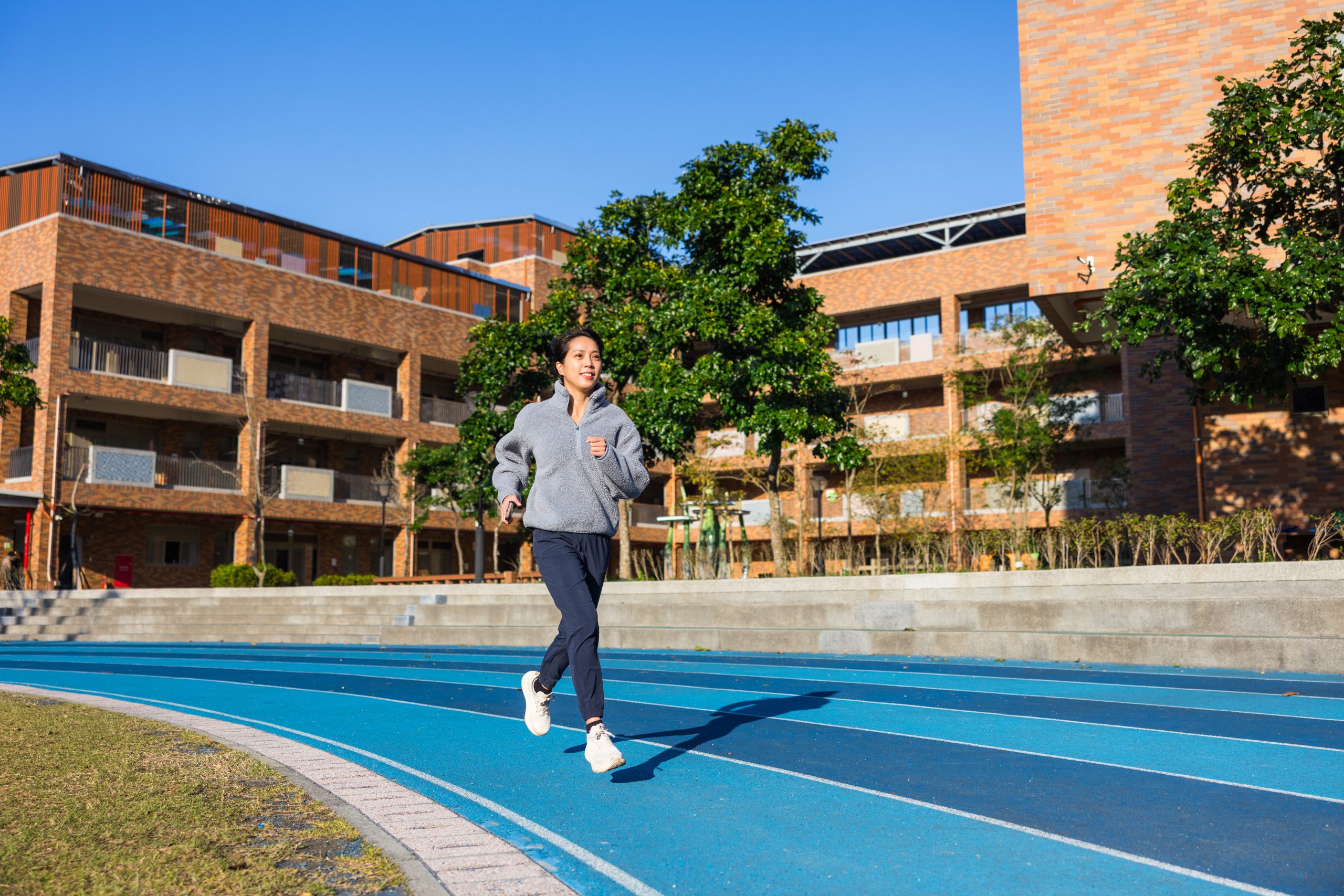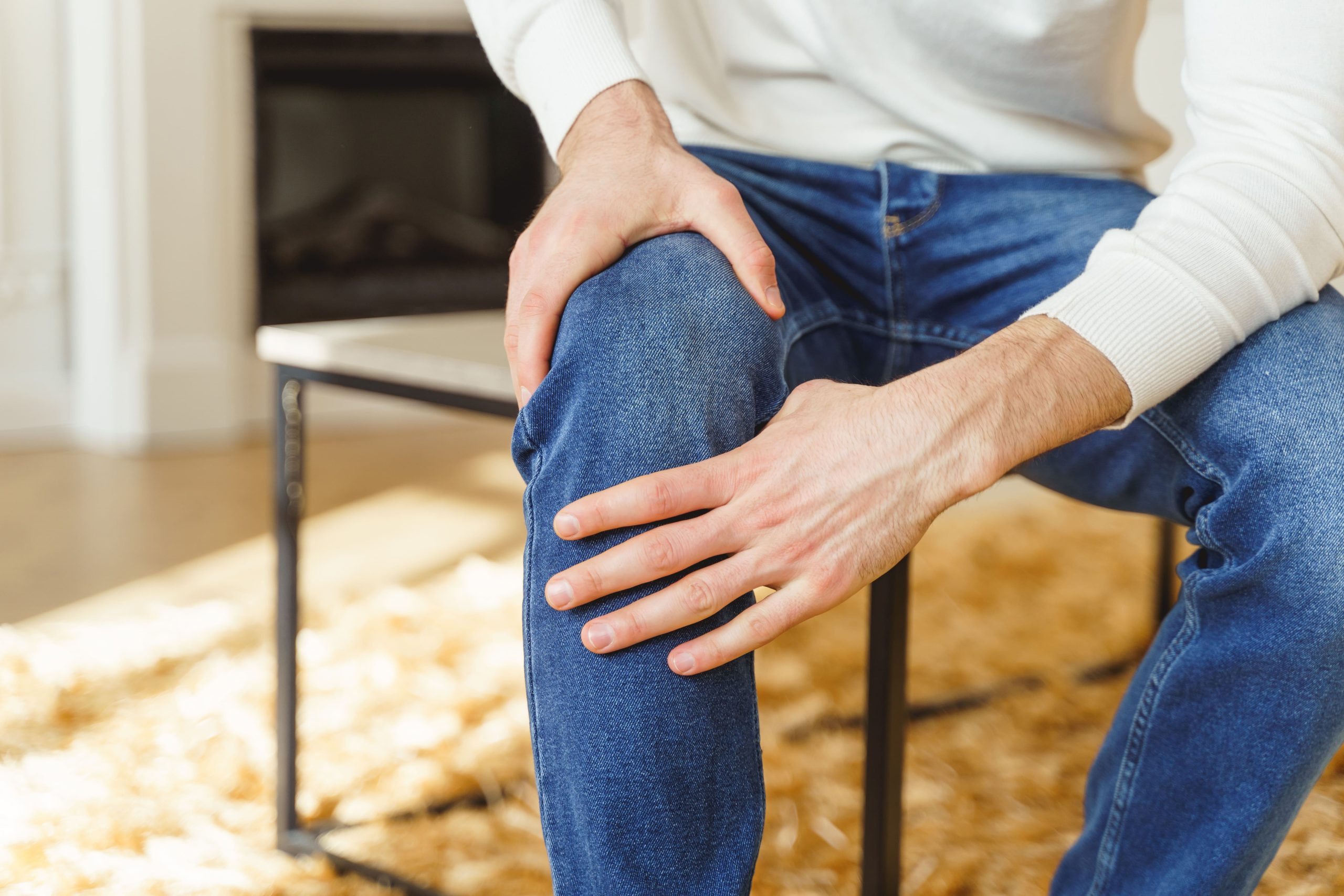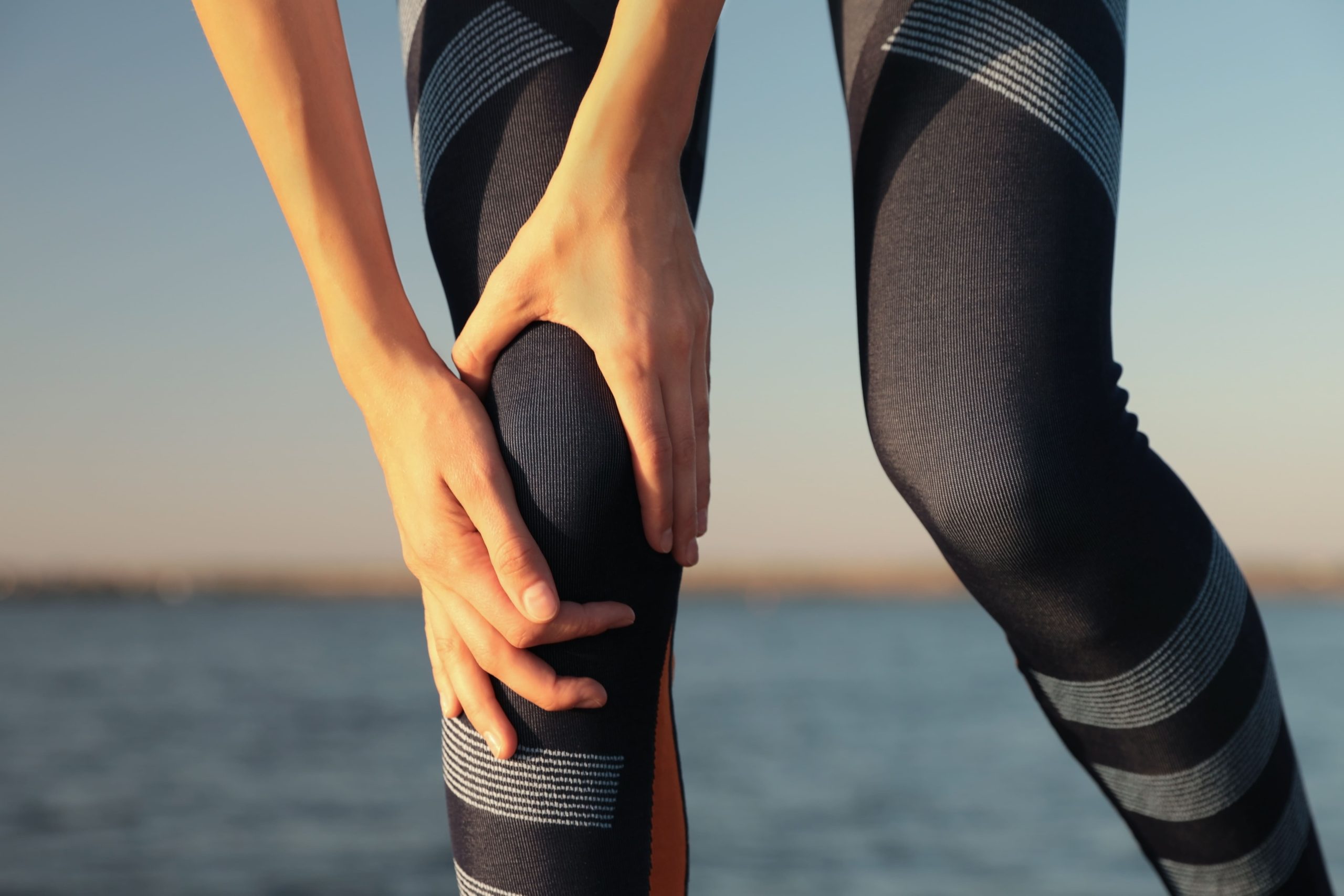

Can you continue running with knee osteoarthritis without accelerating joint damage? Cartilage in osteoarthritic knees (knees affected by osteoarthritis, a condition where the protective cushioning in joints breaks down) responds to loading differently than healthy cartilage. The relationship between impact activity and joint degeneration involves complex biomechanical factors that determine whether running remains viable.
The current understanding recognises that cartilage is a living tissue that requires appropriate mechanical stimulation to maintain its health. Complete rest can actually accelerate degeneration in some cases. Running generates ground reaction forces of several times body weight with each foot strike. Yet the total load experienced by knee cartilage depends on contact time, stride characteristics, and the distribution of forces across the joint surface.
How Running Affects Osteoarthritic Joints
Running generates ground reaction forces of several times body weight with each foot strike. However, the total load experienced by knee cartilage depends on contact time, stride characteristics, and how forces distribute across the joint surface. Runners typically have shorter ground contact times than walkers.
Cartilage nutrition occurs through a pumping mechanism. Compression and release cycles draw synovial fluid (the lubricating liquid inside your joints) into the tissue. Running creates this cyclic loading pattern. The variable is whether the loading exceeds the tissue’s current capacity to adapt and recover.
Inflammation patterns differ between acute exercise-induced responses (short-term reactions to activity) and chronic degenerative inflammation (ongoing inflammation from progressive joint damage). Post-run inflammatory markers in osteoarthritic joints often return to baseline within a reasonable timeframe when loading remains within tolerable limits.
Factors That Determine Running Safety
Joint Alignment and Biomechanics
Knee alignment significantly influences how forces distribute across cartilage surfaces. Varus alignment (bow-legged, where knees angle outward) concentrates loading on the medial compartment (inner side of the knee). Valgus alignment (knock-kneed, where knees angle inward) shifts stress laterally (to the outer side). Running amplifies these distribution patterns.
Runners with neutral alignment and osteoarthritis confined to one compartment often continue running with minimal progression. Those with malalignment affecting the already-damaged compartment face a higher risk of accelerating wear in that specific area.
Osteoarthritis Severity and Location
Mild to moderate osteoarthritis with intact cartilage surfaces presents different considerations than severe disease with bone-on-bone contact (when the protective cartilage has worn away completely, causing bones to rub directly against each other). Cartilage thickness on imaging correlates with remaining shock absorption capacity. However, function matters more than radiographic appearance.
Patellofemoral osteoarthritis (affecting the kneecap joint, where your kneecap meets your thighbone) responds differently to running than tibiofemoral disease (affecting the main weight-bearing joint between your thighbone and shinbone). Patellofemoral loading increases with knee flexion. Level running at comfortable paces may remain tolerable.
Muscle Strength and Neuromuscular Control
Quadriceps strength (the strength of the large muscles at the front of your thigh) directly influences knee joint loading during running. Stronger muscles absorb more shock before it transfers to cartilage and bone. Weakness is common in osteoarthritis due to pain inhibition and disuse.
Hamstring co-contraction (when the muscles at the back of your thigh work together with other leg muscles) and gluteal control (the stability provided by your buttock muscles) affect knee stability throughout the gait cycle. Poor neuromuscular control allows excessive joint motion.
Signs Running May Be Harmful for Your Knees
Pain that escalates during a run and forces you to stop indicates loading beyond current tissue tolerance. This differs from mild discomfort that remains stable or decreases as joints warm up.
Swelling appearing within hours of running and persisting beyond a reasonable recovery period suggests inflammatory responses exceeding normal recovery capacity. Occasional mild puffiness that resolves overnight typically indicates tolerable loading.
Progressive stiffness developing over weeks or months of continued running may signal cumulative damage rather than adaptation.
Mechanical symptoms (such as catching, locking, or giving way) suggest structural problems. These may include meniscal tears (tears in the rubbery cartilage cushions between your thighbone and shinbone) or loose bodies (fragments of bone or cartilage floating in the joint). Running could worsen these conditions. These symptoms warrant evaluation before continuing impact activity.
💡 Did You Know?
Cartilage has no direct blood supply and depends entirely on joint fluid for nutrition. The compression-release cycle during activities like running acts as a pump, drawing nutrients into cartilage tissue. Complete rest eliminates this pumping action, potentially reducing the delivery of nutrients that cartilage needs to repair and maintain itself.
Running Modifications That Protect Arthritic Knees
Surface and Terrain Selection
Softer surfaces reduce peak impact forces compared to concrete or asphalt. Grass, dirt trails, and synthetic tracks provide more cushioning. However, uneven natural surfaces require greater neuromuscular control that may challenge unstable joints.
Flat terrain eliminates the increased patellofemoral loading of hills. Downhill running particularly stresses the kneecap joint. This occurs due to eccentric quadriceps demands (when your thigh muscles lengthen while working to control your descent) and increased flexion angles at footstrike.
Cadence and Stride Adjustments
Increasing step rate by a modest amount from natural cadence shortens stride length. This reduces knee flexion at footstrike. The change decreases loading rate and peak forces through the joint without requiring conscious changes to running form.
Overstriding—landing with the foot far ahead of the body’s centre of mass—creates braking forces that stress the knee. A footstrike closer to the hips allows better shock absorption through the entire kinetic chain.
Volume and Frequency Management
Running with knee arthritis often requires lower weekly distances than pre-diagnosis levels. The specific reduction depends on individual tolerance. Spreading volume across more sessions with adequate recovery between runs typically works better than concentrated high-mileage days.
Recovery time between runs matters more for osteoarthritic joints than healthy ones.
⚠️ Important Note
Pain during running that causes you to alter your gait—limping, shortening stride on one side, or shifting weight away from the affected knee—indicates loading beyond safe limits. Compensatory patterns (changes in your movement to avoid pain) create abnormal stresses on other joints and accelerate wear patterns.
Complementary Exercises for Running Longevity
Quadriceps Strengthening
Strengthening exercises like wall sits (holding a seated position against a wall), leg press (pushing weight away with your legs on a machine), and terminal knee extensions (straightening your knee against resistance in the final degrees of motion) build quadriceps strength without requiring high knee flexion angles that may irritate patellofemoral arthritis. Progressive resistance over time restores the shock-absorbing capacity that protects cartilage during impact.
Single-leg exercises, including step-ups and single-leg press, address limb asymmetries. The arthritic knee often develops compensatory weakness. Only unilateral training can identify and correct this weakness.
Hip and Core Stability
Gluteal weakness allows excessive hip adduction (inward movement of your thigh) and internal rotation (inward twisting of your thigh) during running. This creates knee-valgus stress that loads the cartilage unevenly. Hip abductor and external rotator strengthening exercises like clamshells (opening and closing your knees while lying on your side), side-lying leg raises, and banded walks (walking with resistance bands around your legs) improve lower-limb alignment.
Core stability maintains the pelvis position during single-leg stance phases of running. Plank variations (holding your body in a straight line supported by forearms and toes), dead bugs (alternating arm and leg movements while lying on your back), and bird dogs (extending opposite arm and leg while on hands and knees) develop the trunk control that keeps the knee in alignment through the gait cycle.
Flexibility and Mobility Work
Iliotibial band tightness (tightness in the thick band of tissue running down the outside of your thigh) pulls the patella laterally. This alters tracking and joint surface contact patterns. Foam rolling and stretching the lateral thigh structures may reduce lateral patellar stress.
Hip flexor tightness (tightness in the muscles at the front of your hip) restricts hip extension. This forces compensatory knee mechanics to maintain stride length. Regular hip flexor stretching maintains the mobility needed for efficient running biomechanics.
Alternative Activities During Flare-Ups
Aquatic exercise provides cardiovascular conditioning without impact loading. Pool running with a flotation belt maintains running-specific neuromuscular patterns while eliminating ground reaction forces.
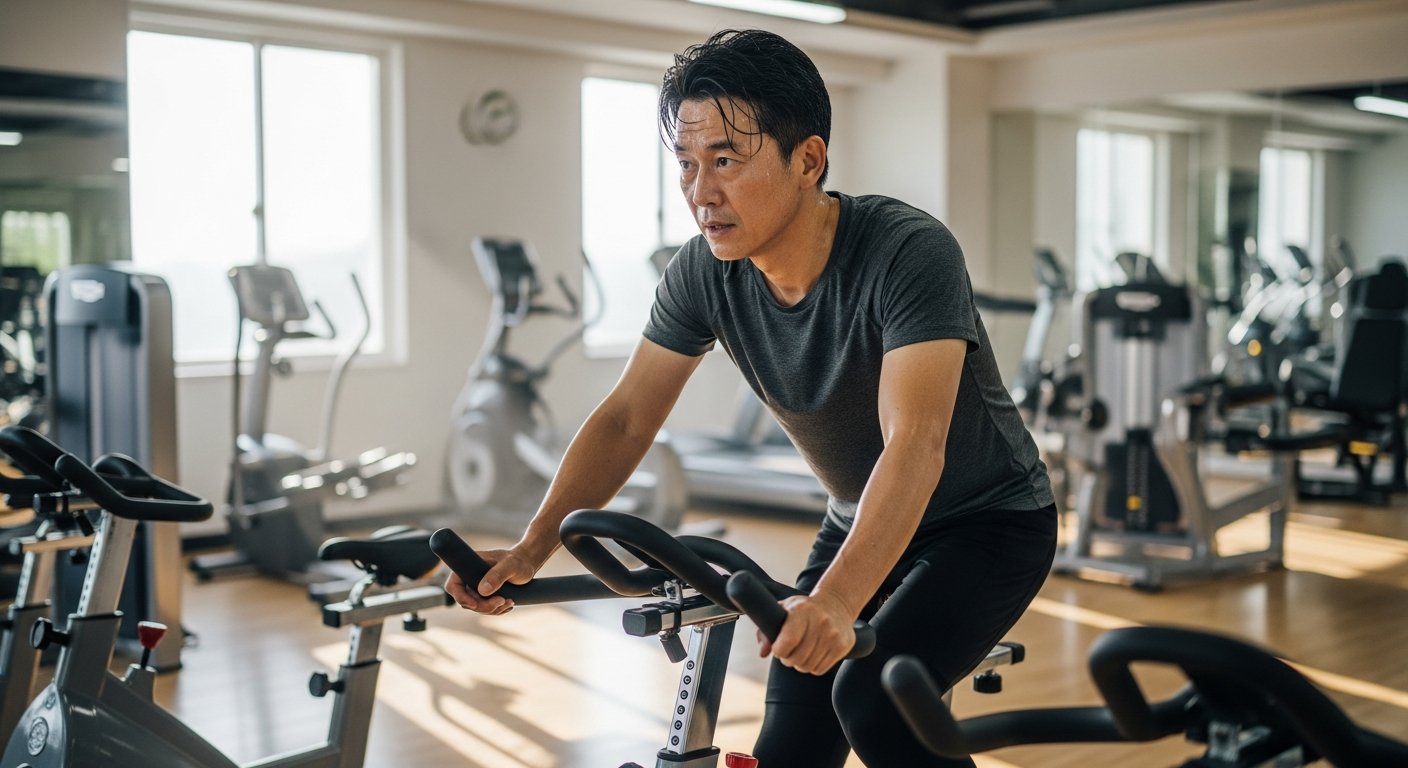
Cycling creates low compressive loads through the knee in ranges of motion that typically spare damaged compartments. The circular pedalling motion also promotes synovial fluid circulation without impact stress.
Elliptical trainers provide weight-bearing exercise with substantially reduced impact compared to running. The fixed movement path eliminates some balance challenges. However, it may not suit all patterns of osteoarthritis.
✅ Quick Tip
Track your running with a simple symptom log. Record distance, pace, surface, and next-day pain and stiffness levels. Patterns often emerge showing which specific combinations your knee tolerates versus those that trigger flare-ups.
When to Seek Professional Help
- Pain that persists beyond a reasonable timeframe after running despite rest and ice
- Swelling that doesn’t resolve between running sessions
- Mechanical symptoms such as catching, locking, or the knee giving way
- Progressive worsening of pain over several weeks despite reducing running volume
- New onset of night pain or pain at rest that wasn’t previously present
- Difficulty with daily activities like stair climbing or rising from chairs
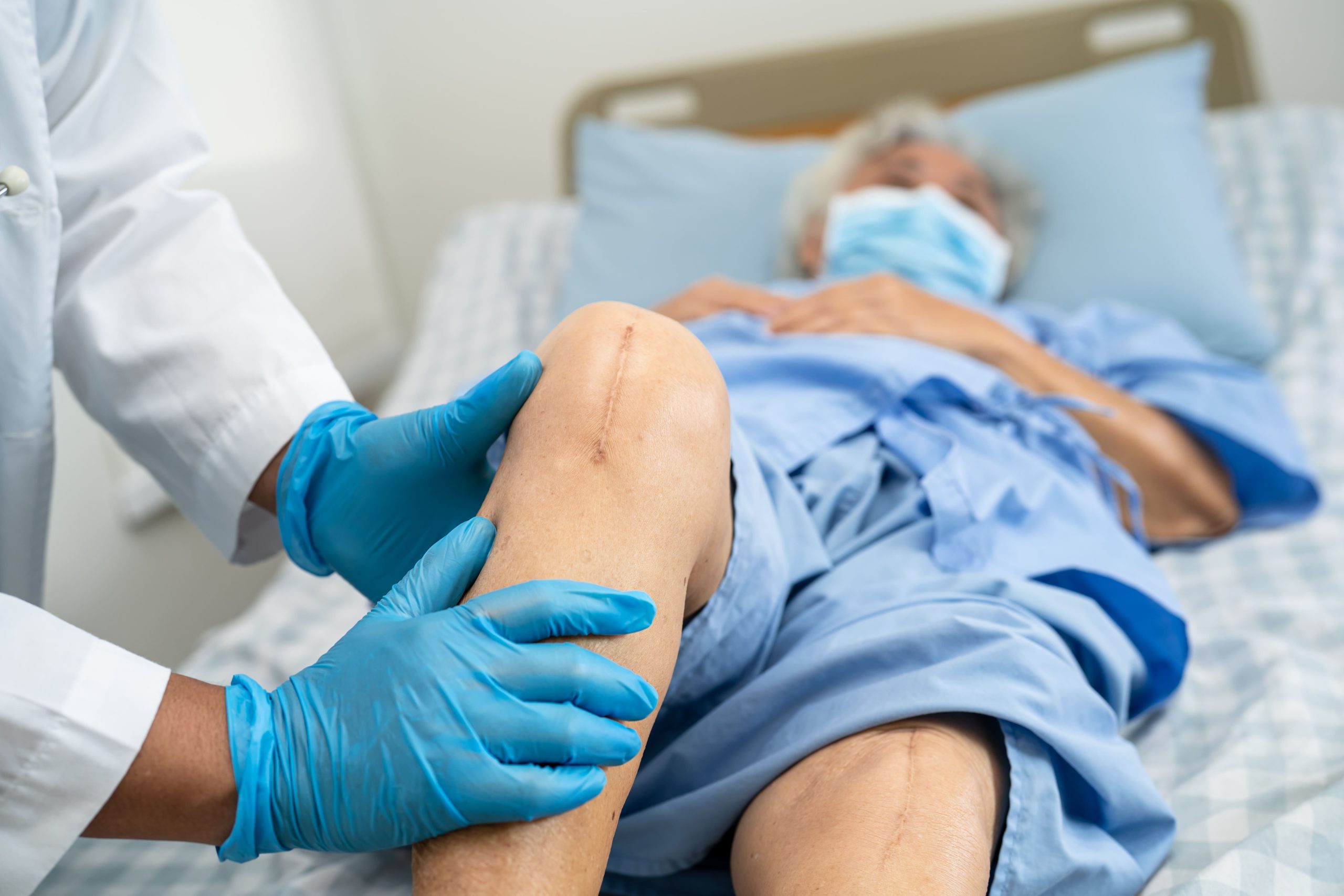
Based on the specialist’s diagnosis, your treatment could range from a personalized care plan to a knee replacement surgery in Singapore.
Commonly Asked Questions
Will running make my knee osteoarthritis worse?
Running doesn’t automatically accelerate osteoarthritis. The outcome depends on your specific joint alignment, cartilage condition, muscle strength, and how you modify your running. Some runners with mild to moderate osteoarthritis continue for years without progression when they manage volume, surface, and recovery appropriately. Others find that even modified running exceeds their joints’ tolerance.
How much running is safe with knee osteoarthritis?
No universal distance limit applies to all osteoarthritic knees. Safe volume depends on your current cartilage status, biomechanics, and conditioning level. The practical approach involves finding your symptom threshold through gradual exposure—the distance and frequency where you can run without next-day pain escalation or persistent swelling—then staying below that threshold consistently.
Should I use a knee brace for running with arthritis?
Unloader braces (specialised braces designed to shift weight away from damaged areas) can redistribute forces away from damaged compartments in unicompartmental osteoarthritis (arthritis affecting only one section of the knee). This potentially allows continued running. Simple compression sleeves provide warmth and proprioceptive feedback (enhanced awareness of your knee position) but don’t change loading mechanics. Whether bracing helps depends on your specific arthritis pattern and the type of brace.
Can running actually help knee osteoarthritis?
Running’s cyclic loading promotes cartilage nutrition and maintains the muscle strength that protects joints. Appropriate running may support rather than damage joint health. The distinction lies in appropriate loading—enough to stimulate adaptation without exceeding tissue tolerance.
When should I stop running completely?
Consider stopping when modified running consistently causes pain escalation, swelling, or functional decline despite adequate recovery periods. Bone-on-bone contact, significant malalignment, or progressive symptoms despite conservative measures may indicate that impact activity no longer suits your knee. This decision should involve consultation with a healthcare professional rather than self-determination.
Important Disclaimer
Individual recovery experiences and running tolerance will vary due to personal health factors, joint condition severity, and biomechanical variations. The information provided here is educational and should not replace consultation with qualified healthcare professionals for tailored advice specific to your individual circumstances.
Next Steps
Running with knee osteoarthritis requires finding your joint’s specific tolerance threshold. Reduce volume, choose softer surfaces, strengthen quadriceps and hip stabilisers, and systematically track symptom patterns. Success depends on staying within the loading capacity your cartilage can handle while maintaining the muscle strength that protects your joint.
If you’re experiencing persistent knee pain during running, swelling that doesn’t resolve between sessions, or mechanical symptoms like catching or giving way, consult an orthopaedic surgeon to evaluate your joint condition and determine whether continued running is appropriate for your specific osteoarthritis pattern.