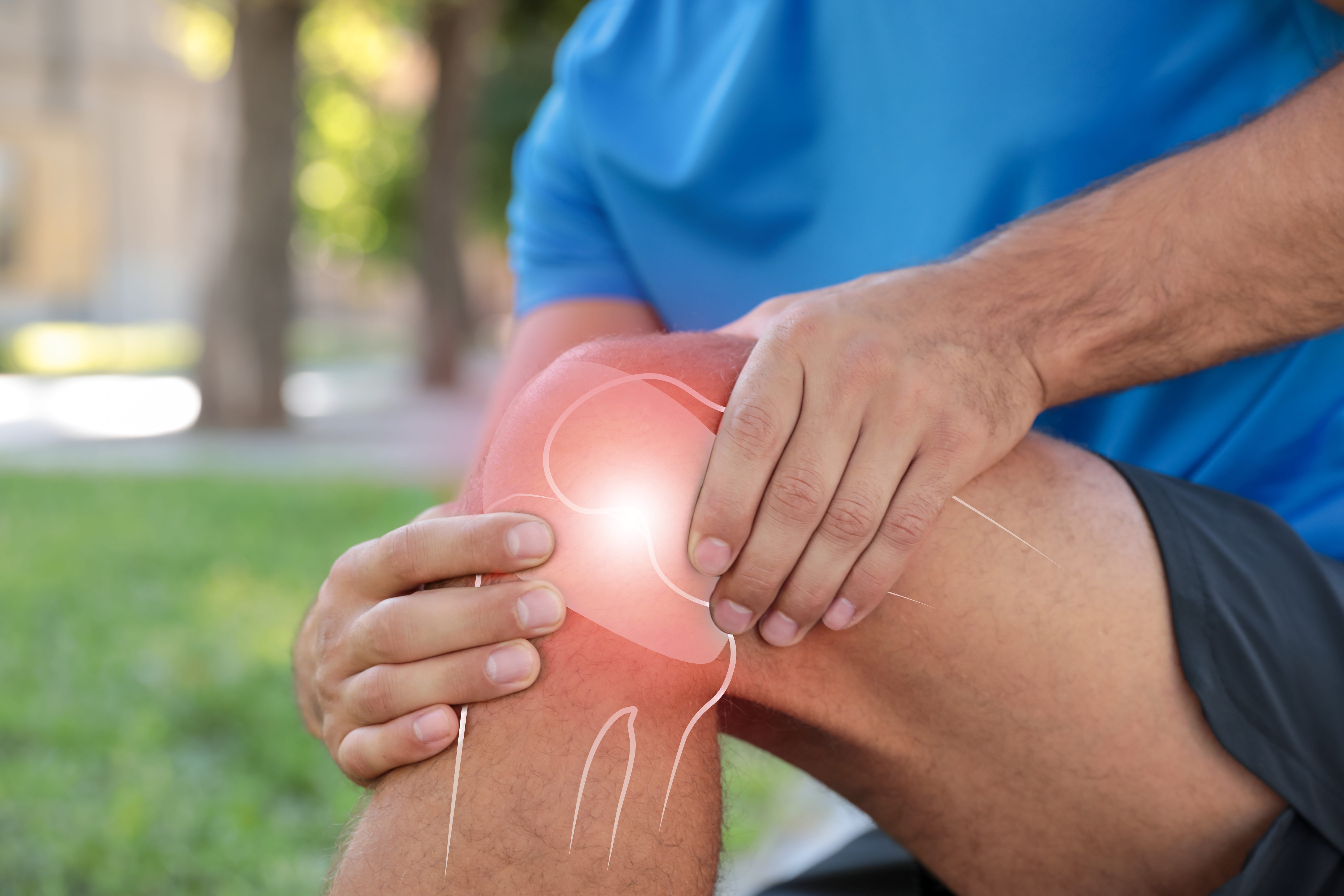

The meniscus is a C-shaped cartilage that cushions the knee joint, acting as a shock absorber between the thigh bone (femur) and shin bone (tibia). Meniscus tears are common knee injuries that can occur during sports, daily activities, or as a result of age-related degeneration. Each knee has two menisci—the medial meniscus on the inner side and the lateral meniscus on the outer side. The outer third has a good blood supply (red zone), while the inner two-thirds lack blood vessels (white zone), which affects healing capacity after injury.
This guide explains the various types of meniscus tears and their symptoms to help readers better understand this condition.
Classification of Meniscus Tears by Type
Meniscus tears are categorised based on their pattern and appearance. Each type presents different symptoms and may require specific treatment approaches.
Horizontal Tears
These tears split the meniscus into upper and lower sections along a horizontal plane. Horizontal tears typically result from degenerative changes in older adults and create a flap within the meniscus tissue. They commonly cause catching sensations and pain during knee movements.
Vertical Tears
These tears run vertically through the meniscus from its top surface to the bottom. Vertical tears often occur in younger, active individuals due to acute trauma during sports activities. They can present as either stable or unstable, influencing treatment decisions.
Radial Tears
Starting from the inner edge of the meniscus and extending outward, radial tears disrupt the circumferential fibres that give the meniscus its strength. This compromises the load-bearing function of the meniscus and can accelerate cartilage wear if left untreated.
Complex Tears
These involve multiple tear patterns combined, creating a more complicated injury. Complex tears typically occur in advanced degenerative cases or after severe trauma. They often produce a variety of symptoms, including locking, catching, and persistent pain. In some instances, the extensive damage to the meniscus and cartilage may progress to severe arthritis, leading some patients to eventually consider knee replacement surgery in Singapore to restore joint function.
Classification by Location and Severity
The location and extent of a meniscus tear significantly impact both healing potential and treatment options.
Peripheral Tears
Occurring in the outer third (red zone) of the meniscus, where blood supply is present, these tears have better healing potential. Peripheral tears may be suitable candidates for repair rather than removal, helping preserve meniscus function and prevent future knee issues.
Central Tears
These tears occur in the inner two-thirds (white zone) of the meniscus, where the blood supply is minimal. Due to limited healing capacity, central tears often require partial meniscectomy (removal of the torn portion) rather than repair procedures.
Complete Tears
These tears fully separate a portion of the meniscus, creating a mobile fragment that can cause mechanical symptoms like locking or catching. Complete tears frequently require surgical intervention to remove or repair the detached fragment.
Incomplete Tears
These partial-thickness tears affect only a portion of the meniscus width. Depending on symptoms and location, incomplete tears might be managed conservatively if they don’t cause mechanical symptoms or significant pain.
Signs and Symptoms
Recognising the symptoms of a meniscus tear helps in seeking appropriate medical attention.
Pain
Most patients experience localised pain along the joint line, typically on the inner (medial) or outer (lateral) side of the knee, depending on which meniscus is affected. The pain may worsen with specific movements or positions like squatting or twisting.
Mechanical Symptoms
Many patients report sensations of the knee catching, locking, or giving way. These mechanical symptoms occur when the torn fragment interferes with normal joint movement. A locked knee that cannot fully extend requires prompt medical attention.
Swelling
Effusion (swelling) typically develops gradually over 24-36 hours following the injury, unlike ACL tears, which often cause immediate swelling. The swelling results from the inflammatory response to the tear and can range from mild to severe.
Limited Motion
Patients may experience restricted range of motion, particularly difficulty fully extending or flexing the knee. This limitation results from either pain inhibition or mechanical blocking from the displaced, torn fragment.
Prevention Strategies
While not all meniscus tears can be prevented, certain measures may reduce the risk.
Strengthening Exercises
Regular exercises targeting the quadriceps, hamstrings, and core muscles improve knee stability and may reduce injury risk. These muscle groups help control knee alignment during movement and absorb forces that would otherwise stress the meniscus. A balanced strengthening programme should include both open and closed chain exercises to develop functional strength.
Proper Technique
Learning and maintaining proper body mechanics during sports and daily activities helps distribute forces more evenly across the knee joint. This includes correct landing techniques from jumps with knees slightly bent, maintaining knee alignment during pivoting movements, and using proper form during squatting and lifting activities to reduce rotational forces on the meniscus.
Appropriate Footwear
Wearing suitable footwear with good support and cushioning helps absorb impact forces that might otherwise stress the knee structures. Sport-specific shoes are designed to provide stability for the movements typical of that activity. Worn-out shoes lose their shock-absorbing capacity and should be replaced regularly to maintain protection.
Activity Modification
As age-related degeneration occurs, adapting activities to reduce high-impact and high-torsion movements can help preserve meniscus integrity. This may include cross-training with lower-impact activities like swimming or cycling, or modifying technique in sports to reduce sharp pivoting movements that place the meniscus at risk.
Conclusion
Meniscus tears represent a spectrum of injuries with varying patterns, causes, and treatment approaches. Identifying the type and location of a tear helps determine the most appropriate management strategy. The classification of tears, whether by pattern or by location, provides valuable information about healing potential and likely outcomes. By recognising the signs and symptoms of meniscus tears and implementing preventive strategies, individuals can reduce their risk of injury and maintain knee health over time.
Schedule a consultation with Dr Wang Lushun to receive personalised advice about your knee condition and discuss the most suitable treatment options.