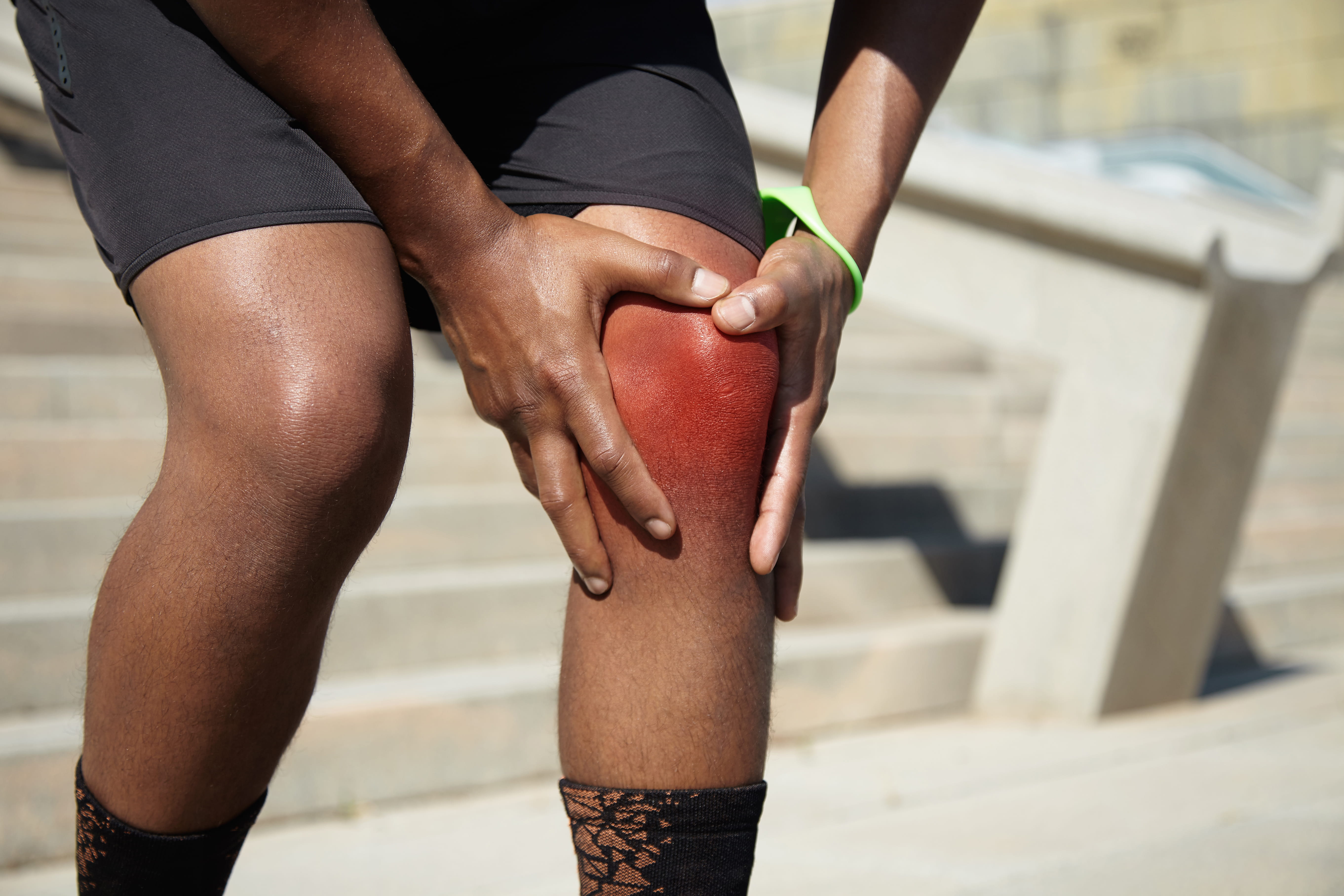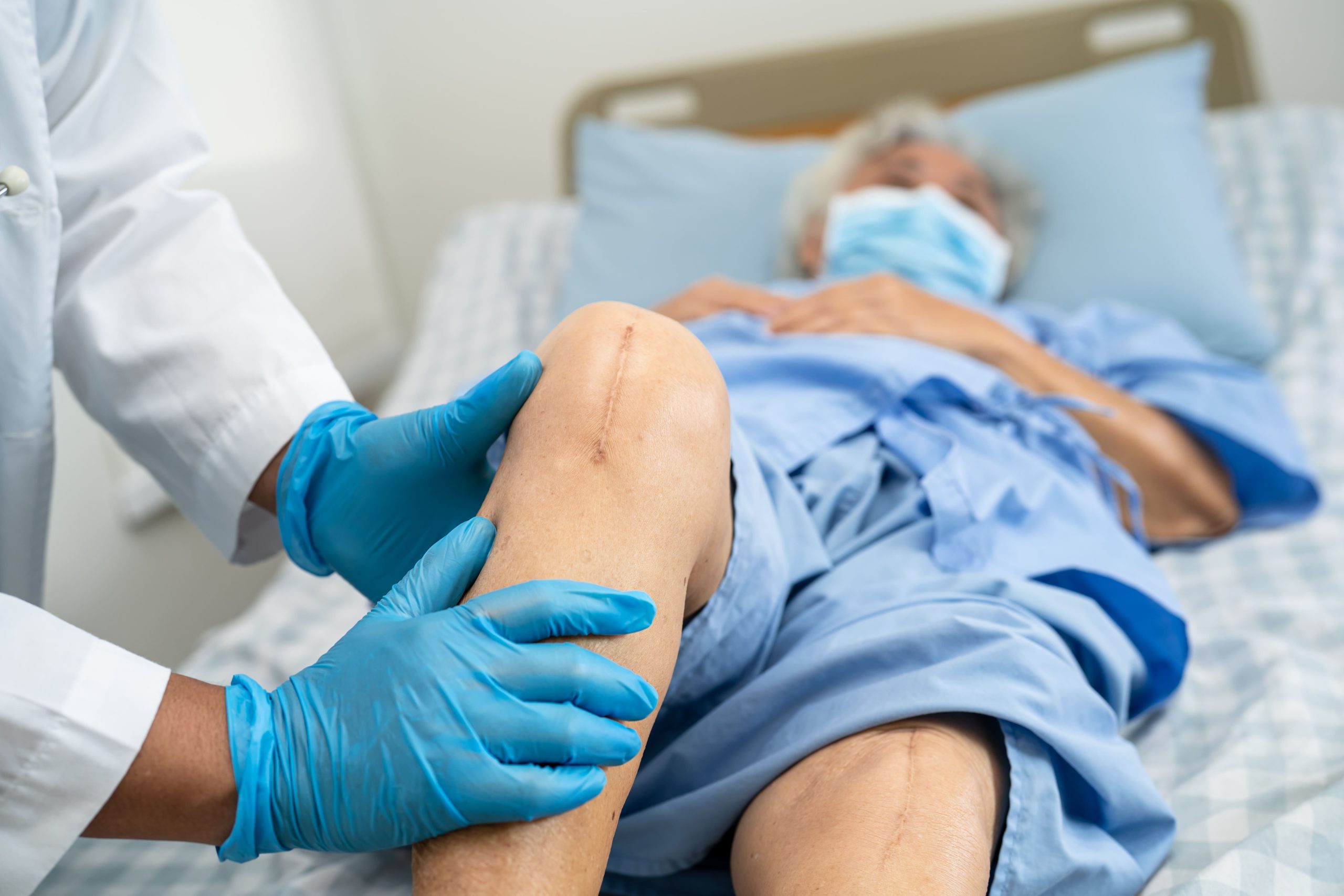

Which knee replacement procedure preserves the most natural bone while effectively treating your arthritis? Partial knee replacement preserves healthy bone and cartilage by resurfacing only the damaged compartment of your knee, while total knee replacement addresses widespread deterioration across the entire joint. The choice between these procedures depends on where arthritis has developed in your knee, the integrity of your ligaments, and specific anatomical factors. Your orthopaedic surgeon (a doctor who specialises in bone and joint conditions) evaluates these factors during consultation.
Your knee contains three compartments: the medial (inner), lateral (outer), and patellofemoral (behind the kneecap). Arthritis confined to one compartment makes you a potential candidate for partial knee replacement. When damage extends across multiple compartments or involves ligament instability, total knee replacement becomes the appropriate intervention.
Anatomy of Knee Arthritis and Compartmental Damage
The knee functions as three separate joints working in coordination. The medial compartment bears weight when your legs are together. The lateral compartment engages during activities requiring wider stances. The patellofemoral compartment handles forces generated during knee bending and straightening.
Osteoarthritis (wear-and-tear arthritis that breaks down joint cartilage) typically begins in one compartment, often the medial side, due to natural weight distribution patterns during walking. Some patients maintain healthy cartilage in unaffected compartments for years. Others experience progression to multiple areas.
X-rays (imaging tests that show bone structure), MRI scans (detailed imaging that shows soft tissues like cartilage and ligaments), and physical examination findings together reveal which compartments have deteriorated. Your surgeon assesses cartilage thickness, bone spur formation, joint space narrowing, and alignment changes to map the extent of damage.
Ligament Integrity Assessment
The anterior cruciate ligament (ACL)—one of the major stabilising ligaments inside your knee—plays a determining role in surgical planning. Partial knee replacement requires an intact, functional ACL to maintain joint stability after surgery. Previous ACL tears or chronic ACL deficiency typically lead to treatment with total knee replacement.
Your surgeon tests ligament function through specific examination manoeuvres (gentle movements and pressure applied to your knee to check stability). They may use MRI to visualise ligament structure when clinical findings need confirmation.
How Partial Knee Replacement Works
Partial knee replacement, also called unicompartmental knee arthroplasty, involves resurfacing only the damaged compartment while preserving the healthy portions of your knee. During the procedure, the surgeon removes damaged cartilage and a thin layer of underlying bone from the affected compartment. They then cap these surfaces with metal and plastic components.
The surgical incision is smaller than the incision for a total knee replacement. Surgeons work around existing healthy structures rather than removing them. This preserves both cruciate ligaments (the stabilising ligaments inside your knee) and the undamaged compartments.
Component fixation uses either cement or press-fit techniques, depending on bone quality and surgeon preference. The plastic bearing surface sits between metal components. This recreates smooth joint motion in the treated compartment. For a quick summary, see key things to know about partial knee replacement.
Medial vs Lateral Partial Replacement
Medial partial knee replacement addresses inner compartment arthritis. The procedure is suitable for patients with bow-legged (varus) alignment and isolated medial wear.
Lateral partial knee replacement treats outer compartment damage, often associated with knock-kneed (valgus) alignment.
Patellofemoral replacement addresses arthritis behind the kneecap while preserving the main weight-bearing surfaces. This option is suitable for patients with isolated anterior knee pain and patellofemoral cartilage loss.
How Total Knee Replacement Works
Total knee replacement resurfaces all three compartments, regardless of the condition of any individual compartment. During the procedure, the surgeon removes cartilage and bone from the entire surface of the lower femur (thighbone) and the upper tibia (shinbone). They replace these with metal components. A plastic spacer fits between the metal pieces to provide smooth articulation.
Surgeons remove the ACL during total knee replacement—the prosthetic design provides stability that the natural ligament previously supplied. The posterior cruciate ligament (another stabilising ligament in your knee) may be retained or removed depending on the implant system used.
Total knee replacement addresses arthritis of any distribution pattern. It accommodates ligament deficiency, significant deformity, and inflammatory arthritis conditions (such as rheumatoid arthritis or psoriatic arthritis) that partial replacement cannot manage.
Comparing Surgical Outcomes
Recovery timelines differ between procedures. Patients undergoing partial knee replacement typically achieve functional independence faster. Many return to normal daily activities within several weeks. Total knee replacement recovery extends longer. Full functional improvement continues for several months.
💡 Did You Know?
The preserved ligaments and bone stock in partial knee replacement allow your knee to retain more natural movement patterns. Patients often describe the joint as feeling more “like their own knee” compared to total replacement recipients.
Range-of-motion outcomes favour partial knee replacement on average. Outcomes differ among patients based on pre-operative stiffness and rehabilitation compliance. Patients who undergo partial replacement more commonly achieve deep flexion, suitable for activities like kneeling or squatting.
Pain Relief Comparison
Both procedures can effectively eliminate arthritis pain from treated compartments. Total knee replacement addresses pain from all sources simultaneously. Partial knee replacement eliminates pain from the treated compartment but cannot prevent future arthritis development in preserved compartments.
Postoperative discomfort following partial knee replacement typically resolves more quickly than after total knee replacement. This reflects the less extensive surgical dissection involved.
Candidacy Criteria for Partial Knee Replacement
Suitable candidates for partial knee replacement share specific characteristics. Your surgeon evaluates these factors through clinical examination, imaging studies (such as X-rays and MRIs), and discussion of your symptoms and goals.
Anatomical requirements:
- Arthritis confined to a single compartment
- Intact anterior cruciate ligament
- Correctable deformity (alignment that can be restored)
- Adequate range of motion before surgery
- Stable knee without significant ligament laxity
Patient factors favouring partial replacement:
- Body mass index is within an acceptable range for the procedure
- Activity goals compatible with partial replacement durability
- Willingness to accept potential future surgery if arthritis progresses
- Absence of inflammatory arthritis conditions
A healthcare professional can provide personalised recommendations based on your individual needs and circumstances. These include your age, activity level, knee anatomy, overall health, and long-term functional goals.
Conditions Requiring Total Knee Replacement
Specific findings direct treatment toward total replacement regardless of patient preference:
- Multi-compartment arthritis
- ACL deficiency or rupture
- Inflammatory arthritis (rheumatoid arthritis, psoriatic arthritis)
- Severe fixed deformity
- Significant ligament instability
- Previous high tibial osteotomy with complications
⚠️ Important Note
Partial knee replacement in patients with inflammatory arthritis (conditions where the immune system attacks joint tissues) leads to rapid disease progression in preserved compartments. Total knee replacement remains the established treatment for these conditions.
Long-Term Durability and Revision Considerations
Partial knee replacement implants demonstrate durability when correctly indicated and technically executed. However, the preserved compartments remain susceptible to future arthritis development. This may potentially require conversion to total knee replacement.
Revision from partial to total knee replacement, when necessary, typically achieves outcomes comparable to primary total knee replacement. The preserved bone stock from the original partial procedure facilitates this conversion.
Total knee replacement revision surgery, by contrast, involves more complex reconstruction due to bone loss. It may require specialised implants.
Factors Affecting Implant Longevity
Activity level influences wear patterns in both procedure types. High-impact activities (such as running, jumping, or contact sports) accelerate polyethene wear regardless of implant design. Patient weight affects load transmission through the prosthetic components.
Component positioning accuracy correlates with long-term success. Modern surgical techniques, including computer navigation and robotic assistance, improve positioning precision for both partial and total knee replacement. To see how partial replacement techniques and implants have progressed, read about advances in partial knee replacement surgery.
What Our Orthopaedic Surgeon Says
The decision between partial and total knee replacement involves balancing multiple factors unique to each patient. Imaging findings guide but don’t solely determine the recommendation. Your activity goals, occupation, general health, and preferences all contribute to surgical planning.
Some patients with borderline findings benefit from diagnostic arthroscopy (a minimally invasive procedure in which a small camera is inserted into the knee joint) to directly visualise the condition of the cartilage before committing to a specific replacement procedure. This approach resolves uncertainty when imaging and clinical findings don’t clearly indicate one procedure over another.
Preparing for Your Knee Replacement Consultation
Gather relevant medical information. Bring previous knee X-rays or MRI scans, operative reports from prior knee surgeries, and a list of current medications. This documentation helps your surgeon understand your knee’s history.
Document your symptoms specifically. Note which activities cause pain, where in the knee you feel discomfort, and whether symptoms occur at rest or only with movement. Also, note what treatments you’ve already tried.
Consider your activity goals. Think about what activities matter most to you and what functional level you hope to achieve after surgery. This information helps tailor recommendations to your lifestyle.
Prepare questions about both procedures. Understanding the differences allows you to participate in the decision-making process with your surgeon.
Assess your support system. Both procedures require assistance during initial recovery. Understanding your post-operative support helps with surgical timing and planning.
When to Seek Professional Help
- Knee pain that persists despite several months of conservative treatment, including physiotherapy and anti-inflammatory medications
- Night pain that disrupts sleep
- Walking distance is limited by knee pain
- Difficulty with stairs, rising from chairs, or getting in and out of vehicles.
- Knee stiffness that affects daily activities
- Pain requiring regular medication use
- Giving way or instability sensations in the knee
- Progressive deformity is visible when standing
Commonly Asked Questions
Can a partial knee replacement be converted to a total knee replacement later?
Conversion surgery is technically feasible and commonly performed when needed. The preserved bone from partial replacement facilitates the revision procedure. Outcomes after conversion generally match those of primary total knee replacement. The surgery involves slightly more complexity than a first-time total replacement.
How do I know if my arthritis is confined to one compartment?
Standing X-rays showing joint space narrowing in one area while other compartments maintain normal spacing suggest single-compartment disease. MRI provides additional detail about the arthritic condition. Physical examination findings—particularly the location of tenderness and pain with specific movements—help confirm compartment-specific involvement.
What activities can I do after partial versus total knee replacement?
Both procedures permit low-impact activities, including walking, swimming, cycling, and golf. Partial knee replacement may allow higher flexion activities to be performed more comfortably. High-impact activities like running or jumping accelerate wear in both prosthesis types. These activities are generally discouraged.
Is partial knee replacement less painful than total knee replacement?
The smaller incision and preservation of more natural structures typically result in less post-operative discomfort and faster pain resolution. Response times vary depending on your specific condition. Adequate pain management protocols make both procedures tolerable for most patients.
What happens if arthritis develops in other compartments after partial knee replacement?
Progressive arthritis in preserved compartments may eventually require conversion to total knee replacement. The timeline varies considerably. Some patients maintain function indefinitely. Others develop progression requiring revision within years. Your surgeon discusses this possibility during pre-operative counselling.
Next Steps
Partial knee replacement offers faster recovery and a more natural knee feel when single-compartment arthritis exists with intact ligaments. Total knee replacement addresses multi-compartment disease and complex deformities. Consultation with an orthopaedic surgeon who performs both procedures provides an objective assessment of your specific anatomical pattern and functional requirements.
If you’re experiencing persistent knee pain, limited mobility, or difficulty with stairs and daily activities, consult an orthopaedic surgeon to determine whether partial or total knee replacement is appropriate.