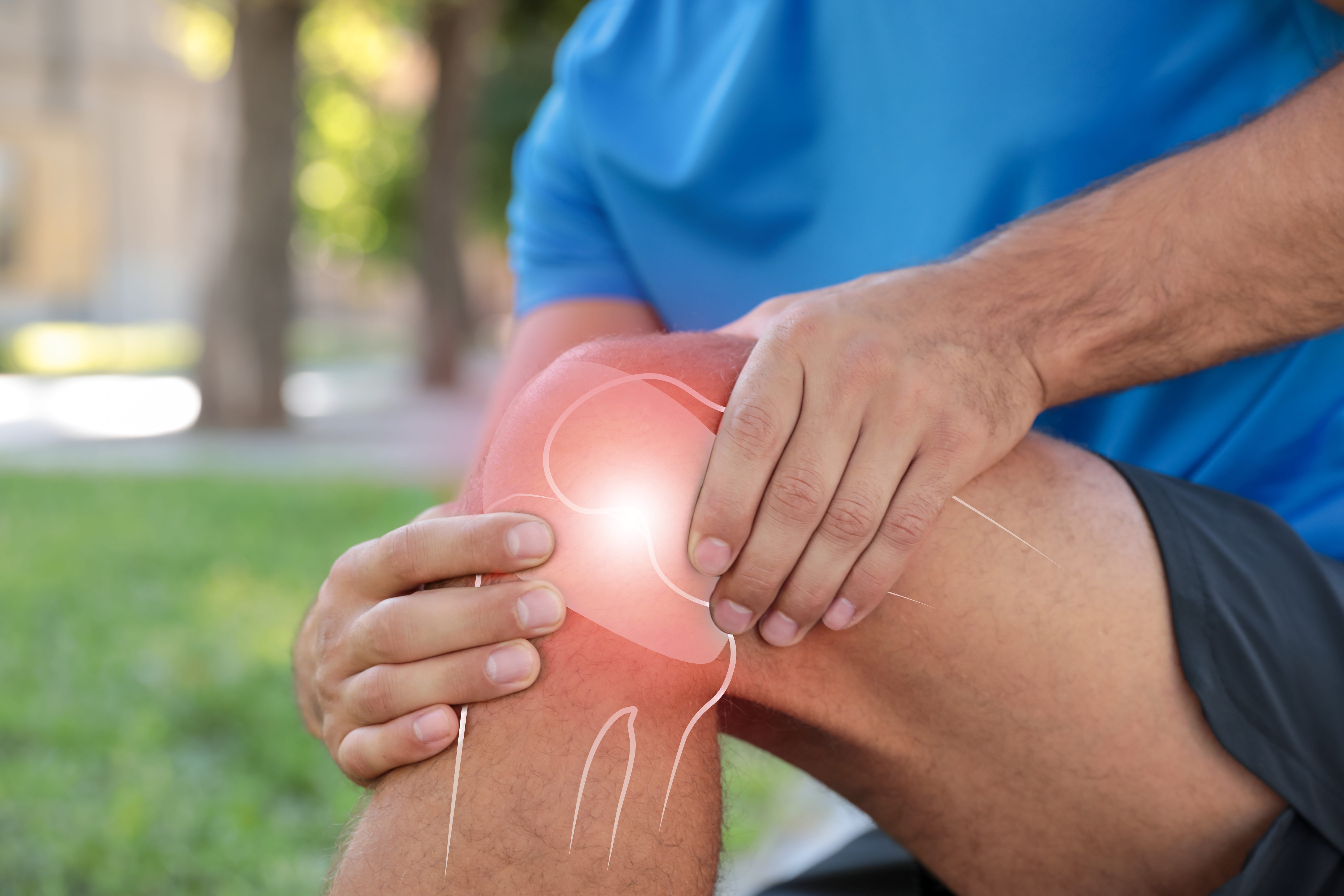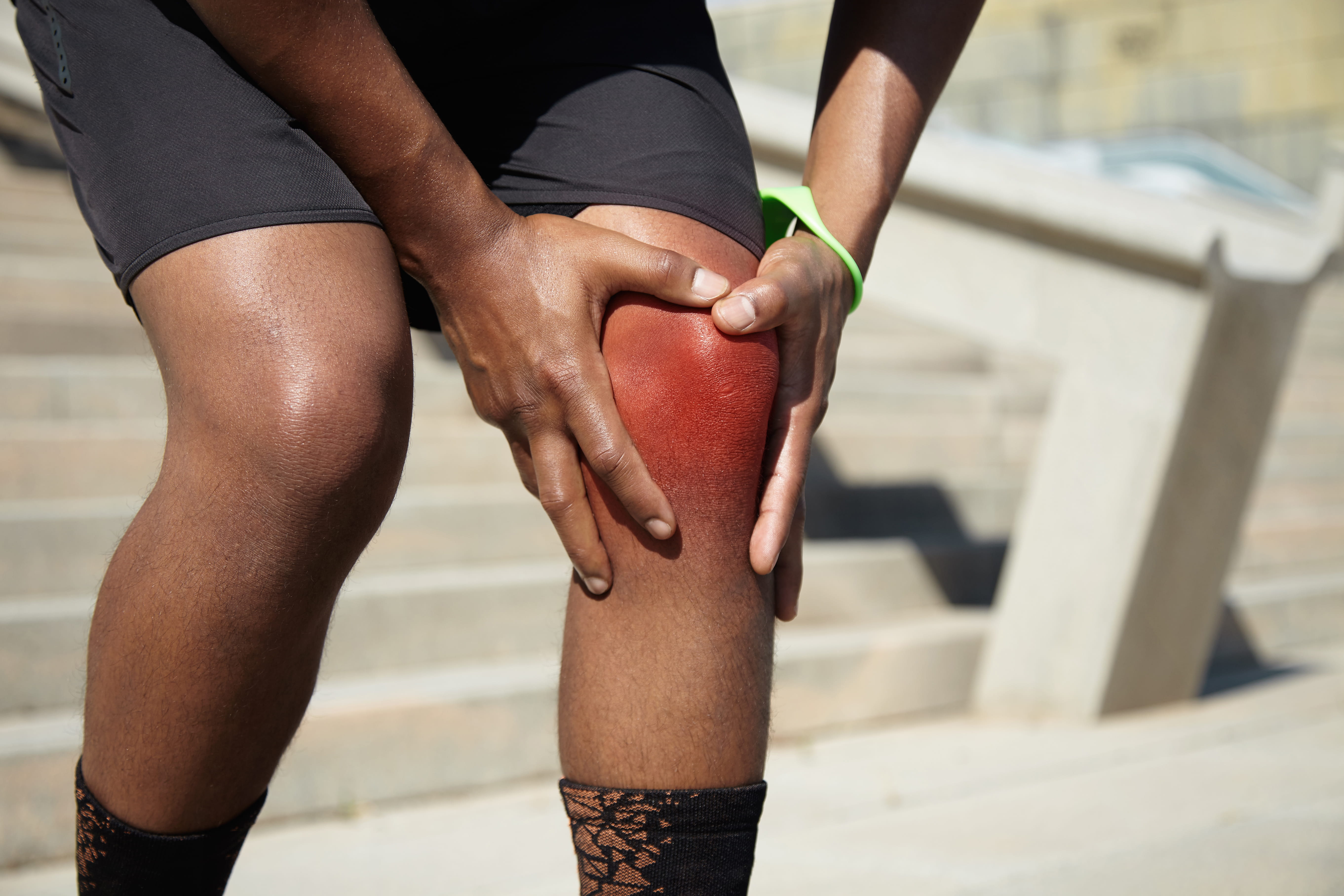

Can damaged knee cartilage regenerate on its own? Unlike bone, which heals through natural cellular activity, cartilage lacks a blood supply and remains permanently compromised without surgical treatment. Three primary techniques, microfracture, AMIC (Autologous Matrix-Induced Chondrogenesis), and OATS (Osteochondral Autograft Transfer System), offer distinct approaches to addressing cartilage defects. Each has specific indications based on lesion size, location, and patient characteristics. To determine which method is right for you, consulting a knee specialist in Singapore has to offer is the first step in creating a tailored recovery plan.
The choice between these procedures depends on several factors. These include defect diameter, cartilage thickness loss, involvement of underlying bone, and functional demands. Microfracture stimulates the body’s healing response by recruiting bone marrow cells. AMIC enhances this process with a collagen scaffold (a protein-based framework that supports tissue growth). OATS transplants intact cartilage-bone units from non-weight-bearing areas.
How Cartilage Damage Progresses
Articular cartilage damage typically begins with surface softening (Grade I). It progresses to partial-thickness fissuring (Grade II). It progresses to deep cracks that reach the subchondral bone (the layer of bone just beneath the cartilage) (Grade III). It culminates in full-thickness loss exposing bone (Grade IV). This grading system, known as the Outerbridge classification, guides treatment selection.
Grade I and II lesions may respond to conservative management. This includes activity modification, physiotherapy, and viscosupplementation (injections of lubricating fluid into the joint). Grade III lesions present a treatment decision point where surgical intervention can help prevent progression. Grade IV defects generally require cartilage restoration to help prevent bone-on-bone articulation and subsequent arthritis development.
Lesion location significantly influences symptoms and treatment urgency. Weight-bearing surfaces of the femoral condyles (the rounded ends of the thighbone) experience higher mechanical stress than patellofemoral surfaces (the area where the kneecap meets the thighbone). Medial compartment defects often progress more rapidly due to typical load-distribution patterns during gait. Furthermore, these injuries are frequently seen alongside ligament tears that may require acl surgery in Singapore to fully restore joint stability. Kissing lesions—opposing defects on both femur and tibia—present particular challenges. These require staged or combined procedures.
Microfracture: The Foundation Technique
Microfracture creates small perforations through the subchondral bone plate. This allows bone marrow elements to migrate into the cartilage defect. These elements contain mesenchymal stem cells (cells capable of developing into different tissue types). They differentiate into chondrocyte-like cells (cells that produce cartilage), producing fibrocartilage (a tough, scar-like repair tissue) that fills the defect.
Surgical Technique
The procedure begins with arthroscopic debridement (removing damaged cartilage using a small camera and instruments inserted through tiny incisions) down to stable margins. Surgeons create a contained lesion with vertical walls to retain the blood clot that forms post-operatively. Using an arthroscopic awl (a pointed surgical instrument), they create holes several millimetres apart and several millimetres deep. They penetrate the subchondral plate until marrow bleeding is observed. The resulting “super clot” contains growth factors (proteins that promote healing) and progenitor cells (early-stage cells that can develop into specialised tissue) that initiate the healing cascade.
Ideal Candidates
Microfracture works well for smaller lesions on the femoral condyles. Patients with single, contained defects and normal joint alignment can achieve favourable outcomes. The technique is less predictable for patellar lesions due to shear forces (sliding forces that occur when surfaces move past each other) during knee flexion.
Recovery Timeline
Protected weight-bearing with crutches continues for several weeks whilst the fibrocartilage matures. Continuous passive motion machines (devices that gently bend and straighten your knee without you using your muscles) maintain joint mobility without loading the repair. Return to low-impact activities occurs after several months.
High-impact sports are delayed until later. The regenerated fibrocartilage differs structurally from native hyaline cartilage (the smooth, glassy cartilage that originally covered your joint). It contains more Type I collagen than the Type II collagen found in healthy cartilage.
AMIC: Enhanced Marrow Stimulation
AMIC builds upon microfracture principles by adding a bilayer collagen membrane (a two-layered protein sheet). This stabilises the blood clot and provides a scaffold for cell differentiation. This enhancement addresses a primary limitation of microfracture—clot instability and variable fill of larger defects.
Clinical Characteristics
The AMIC procedure is a recognised surgical option for managing mid-sized cartilage defects. The primary feature of this technique is the use of a collagen-based matrix.
Clot Stabilisation: The membrane is used to cover the microfracture site, protecting the initial blood clot from joint fluid and mechanical forces.
Scaffold Function: The matrix provides a structured environment for mesenchymal stem cells.
Tissue Maturity: While microfracture alone typically results in fibrocartilage, the addition of a scaffold in AMIC is intended to encourage a more organised tissue response.
Extended Indications
AMIC effectively treats larger defects. This significantly expands the range of treatable cases beyond standard microfracture limitations. The technique suits patients with failed previous microfracture who retain healthy surrounding cartilage margins. Combined procedures addressing multiple defects in a single surgery become feasible with AMIC scaffolding.
💡 Did You Know?
The collagen membrane used in AMIC procedures mimics the natural extracellular matrix of cartilage (the supportive structure surrounding cartilage cells). It provides chemical signals that encourage transplanted cells to behave more like native chondrocytes rather than scar-forming fibroblasts (cells that produce scar tissue).
Rehabilitation Differences
Post-operative protocols mirror microfracture with several weeks of protected weight-bearing. The scaffold permits slightly earlier range-of-motion exercises as the risk of clot displacement decreases. Full activity return typically occurs within several months. The regenerated tissue continues maturing for an extended period post-operatively.
OATS: Transplanting Native Cartilage
OATS transfers cylindrical plugs of healthy cartilage and underlying bone from non-weight-bearing areas to damaged regions. Unlike microfracture and AMIC, which generate fibrocartilage, OATS provides true hyaline cartilage immediately. This is the same tissue type initially present.
OATS Procedure and Donor Considerations
The OATS technique is unique because it involves a “press-fit” transplantation of native hyaline cartilage. However, patients need to understand that this requires “harvesting” healthy tissue from another part of their own knee.
Immediate Surface Restoration: The transplanted plug provides a smooth articular surface immediately upon placement.
Donor Site Awareness: Surgeons carefully select harvest sites from low-weight-bearing areas. However, there is a recognised risk of localised pain or symptoms at these donor sites post-operatively.
Immediate Structural Restoration
OATS provides immediate restoration of joint surface congruity (smoothness and alignment). The transplanted hyaline cartilage possesses native biomechanical properties (the natural ability to withstand and distribute forces) from day one. This differs from the gradually maturing fibrocartilage of microfracture. This immediate structural benefit is particularly suitable for patients with high functional demands or who have previously failed marrow stimulation procedures.
⚠️ Important Note
Donor site morbidity (problems or pain in the area where tissue was removed) limits OATS applicability for larger defects. Harvesting too many plugs or using grafts from weight-bearing areas can create new symptomatic lesions. This requires careful surgical planning.
Graft Integration
Bone-to-bone healing occurs within several weeks as the osseous portion of the graft (the bone part of the transplanted plug) incorporates into the surrounding host bone. The cartilage cap does not integrate laterally with adjacent cartilage but remains mechanically stable through bony anchoring. Gaps between plugs fill with fibrocartilage over several months.
Recovery permits earlier weight-bearing than marrow stimulation techniques. This often involves partial weight-bearing for a few weeks,s advancing to full weight-bearing within several weeks. Return to sport occurs at several months for compliant patients with single, well-healed grafts.
Comparing Outcomes by Lesion Characteristics
Small Defects
AMIC is an enhanced marrow stimulation procedure using a scaffold after marrow stimulation techniques (example microfracture). AMIC plus procedures further add bone marrow cells to the scaffold with bone marrow aspiration/concentration techniques.
Medium Defects
AMIC has been shown to provide benefits over microfracture in this size range. It shows improved defect fill and more durable outcomes at mid-term follow-up. OATS remains viable but requires multiple plugs, increasing donor site burden: patient age and activity level influence technique selection. OATS favours younger, high-demand individuals. AMIC suits broader patient populations. Your doctor can provide personalised advice on treatment goals based on your specific risk factors, activity requirements, and overall knee health.
Larger Defects
AMIC remains applicable with appropriate technique modifications. OATS becomes less attractive due to the limited availability of donor cartilage. Alternative techniques, including autologous chondrocyte implantation (ACI, a procedure in which your own cartilage cells are grown in a lab and then implanted) or fresh osteochondral allografts (tissue grafts from donors), are under consideration for larger defects. Combined procedures using AMIC for the primary defect with microfracture for satellite lesions can help optimise outcomes.
Patient Selection Factors
Age Considerations
Marrow stimulation techniques depend on adequate numbers of mesenchymal stem cells—these decline with age. AMIC partially compensates via scaffold-enhanced cell retention, yet still demonstrates age-related outcome decline. OATS outcomes remain more consistent across age groups since it transplants mature tissue rather than relying on regeneration. Your healthcare provider can offer personalised recommendations that consider your age alongside other factors when determining an appropriate approach tailored to your individual situation.
Body Mass Index
Elevated BMI (body mass index, a measure of body weight relative to height) increases joint contact pressures. This accelerates the wear of regenerated fibrocartilage. OATS hyaline cartilage better withstands elevated mechanical stress but cannot indefinitely compensate for chronic overloading. Weight optimisation before cartilage restoration in Singapore procedures can improve outcomes regardless of the technique selected.
Joint Alignment
Malalignment (abnormal positioning of bones) concentrates forces on specific compartments. This predisposes any cartilage repair to failure. Varus (bow-legged) alignment overloads medial compartment repairs. Valgus (knock-kneed) alignment stresses lateral compartment procedures. Concurrent osteotomy (a procedure where bone is cut and repositioned) to correct alignment may be recommended alongside cartilage restoration. This redistributes mechanical loads appropriately.
✅ Quick Tip
Request standing X-rays that show both legs from hip to ankle. This full-length view reveals alignment abnormalities invisible on standard knee films. It helps determine if concurrent osteotomy might benefit your cartilage procedure.
Rehabilitation Principles Across Techniques
Early Phase (initial weeks)
- Protected weight-bearing helps prevent disruption of healing tissue
- Continuous passive motion maintains the range of motion without loading the repair surface
- Early quadriceps activation (gentle muscle contractions in your thigh muscles) through isometric exercises (muscle contractions without joint movement) helps prevent muscle atrophy (muscle wasting) whilst avoiding joint stress
- Pool-based exercises begin once wounds heal, using water buoyancy to permit movement without full weight-bearing
Intermediate Phase (several weeks)
- Progressive weight-bearing advances based on healing assessment
- Stationary cycling introduces controlled knee flexion (bending) under minimal load
- Closed-chain strengthening exercises (movements where your foot remains in contact with the ground, such as squats) build supporting musculature
- Gait retraining eliminates compensatory patterns (abnormal walking habits) developed during the protected phase
Return to Activity (several months)
- Running progression follows structured protocols with gradual increases in distance and intensity.
- Sport-specific training addresses movement patterns relevant to individual activities.
- Functional testing confirms adequate strength, stability, and confidence before return to competition.
- Standard protocols require quadriceps strength within a high percentage of the uninvolved leg before clearing high-level activity.
Long-Term Durability Considerations
Response to microfracture fibrocartilage varies considerably among patients. Some patients maintain function for many years. Others experience deterioration within several years. Younger patients and smaller lesions correlate with prolonged benefit. Failed microfracture can be revised to OATS or AMIC.
AMIC shows promising mid-term durability. However, long-term data beyond a few years remain limited given the technique’s relative novelty. The scaffold appears to produce more organised, durable repair tissue than microfracture alone.
OATS can provide predictable long-term function when appropriately indicated. Transplanted hyaline cartilage maintains its properties over decades if protected from ongoing trauma and supported by standard joint mechanics. However, donor site symptoms can emerge years post-operatively in some patients.
When to Seek Professional Help
- Knee pain persists beyond several weeks after an injury or strain
- Clicking, catching, or locking sensations within the joint
- Swelling that recurs with activity or fails to resolve with rest
- Difficulty with stairs, squatting, or kneeling
- Pain limits participation in desired activities
- Previous cartilage procedure with returning or worsening symptoms
- Knee giving way or feeling unstable during daily activities
Commonly Asked Questions
Can damaged knee cartilage heal without surgery?
Articular cartilage lacks a blood supply and cannot regenerate spontaneously. Small, superficial defects may remain stable indefinitely with appropriate activity modification and strengthening. Full-thickness defects generally progress without intervention, though the rate of progression differs among patients. Conservative measures manage symptoms but do not restore cartilage tissue.
How do surgeons choose between these three techniques?
Decision factors include defect size and location, patient age and activity level, body weight, joint alignment, and previous surgical history. Your surgeon can provide personalised recommendations based on your individual circumstances and discuss which approach suits your specific needs. Surgeons often determine the final technique after arthroscopic inspection reveals the actual characteristics of the defect. Pre-operative imaging (scans such as MRI) guides planning, but direct visualisation confirms the approach.
What happens if a cartilage restoration procedure fails?
Failed procedures can often be revised using alternative techniques. Failed microfracture may be converted to AMIC or OATS. Failed OATS may undergo repeat grafting or alternative approaches. Multiple failed procedures may eventually require partial or total joint replacement, though this represents a minority of outcomes.
How long do the results from cartilage restoration procedures in Singapore last?
Results depend on technique, lesion characteristics, and post-operative compliance. Many patients maintain improved function for many years or longer. Some require revision procedures. Ongoing joint preservation through appropriate activity selection, weight management, and muscle conditioning can help extend the duration of benefit.
Next Steps
Defect size, location, and patient characteristics determine the optimal technique. Microfracture is suitable for smaller lesions in younger patients. AMIC extends treatment range to larger defects with enhanced tissue quality. OATS provides immediate hyaline cartilage restoration for high-demand individuals. Early intervention before defects enlarge or secondary arthritis develops can help optimise outcomes across all techniques.
If you’re experiencing persistent knee pain, clicking, catching, locking, or swelling, which suggests cartilage damage, consult with an orthopaedic specialist in Singapore. Clinical examination and imaging can identify defect characteristics and guide treatment selection specific to your situation.