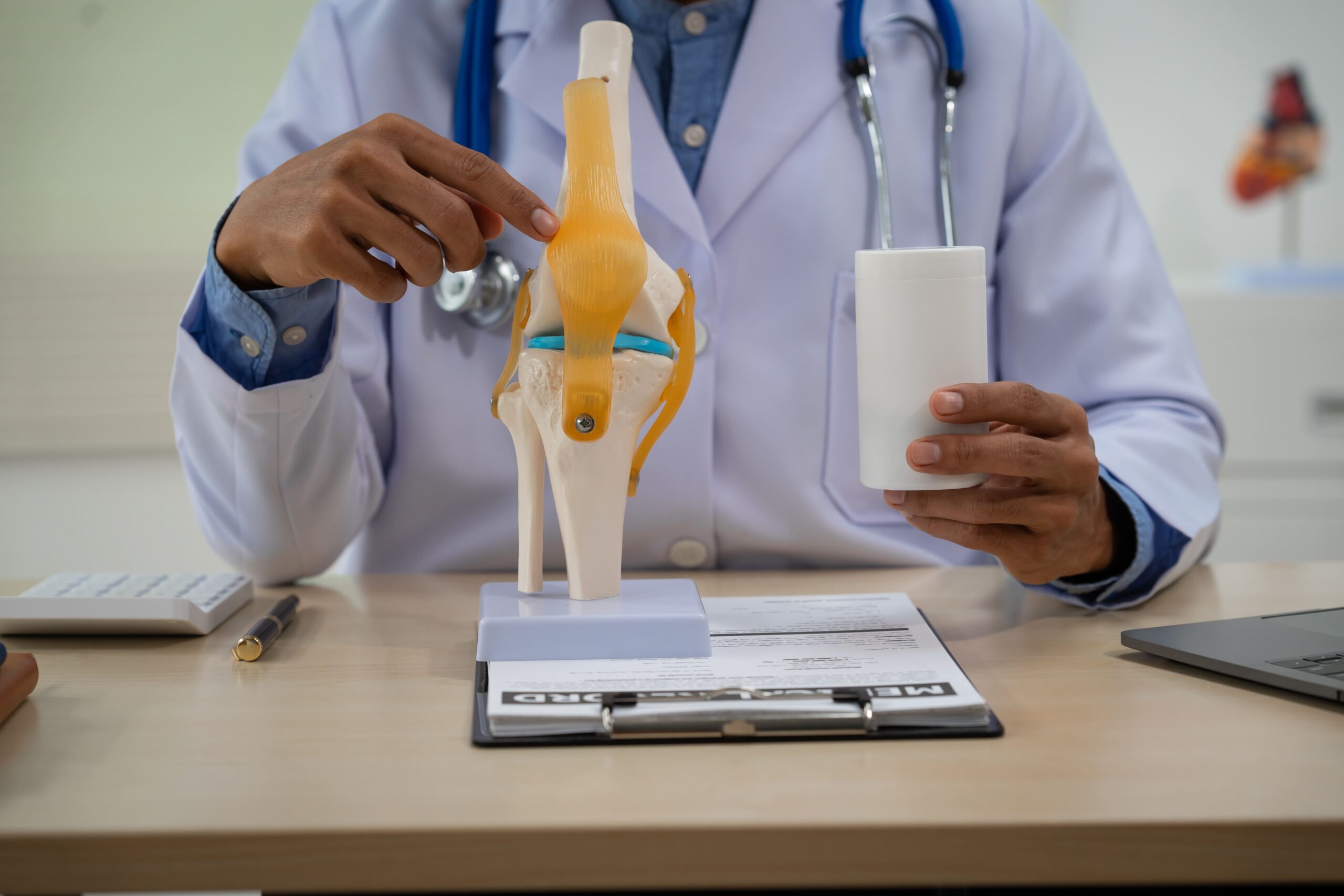
Knee cartilage regeneration refers to a group of surgical and biological treatments aimed at repairing, restoring, or stimulating the growth of new cartilage tissue in the knee joint. Articular cartilage, the smooth, white tissue covering the ends of bones where they meet to form a joint, has limited natural healing ability due to its lack of blood supply. When damaged, it rarely repairs itself adequately, often leading to progressive joint deterioration.
These regenerative procedures work through several mechanisms:
- Transplanting healthy cartilage cells
- Stimulating the body’s own repair mechanisms
- Using biological scaffolds (structural support materials) to encourage new tissue growth
The goal is to create durable, functional cartilage that restores smooth joint movement and protects the underlying bone.
Knee cartilage regeneration treatment addresses various conditions:
- Focal cartilage defects (isolated areas of damage)
- Osteochondritis dissecans (a condition where cartilage and underlying bone separate from the joint surface)
- Traumatic cartilage injuries from sports or accidents
Unlike joint replacement surgery, these procedures aim to preserve the natural knee structure, making them particularly relevant for younger, active patients.
The effectiveness of cartilage regeneration depends on several factors, including defect size, location, patient age, and overall joint health. Your doctor can provide personalised recommendations based on your specific condition and circumstances. When performed on appropriate candidates, these treatments may provide lasting improvement in knee function and pain relief.