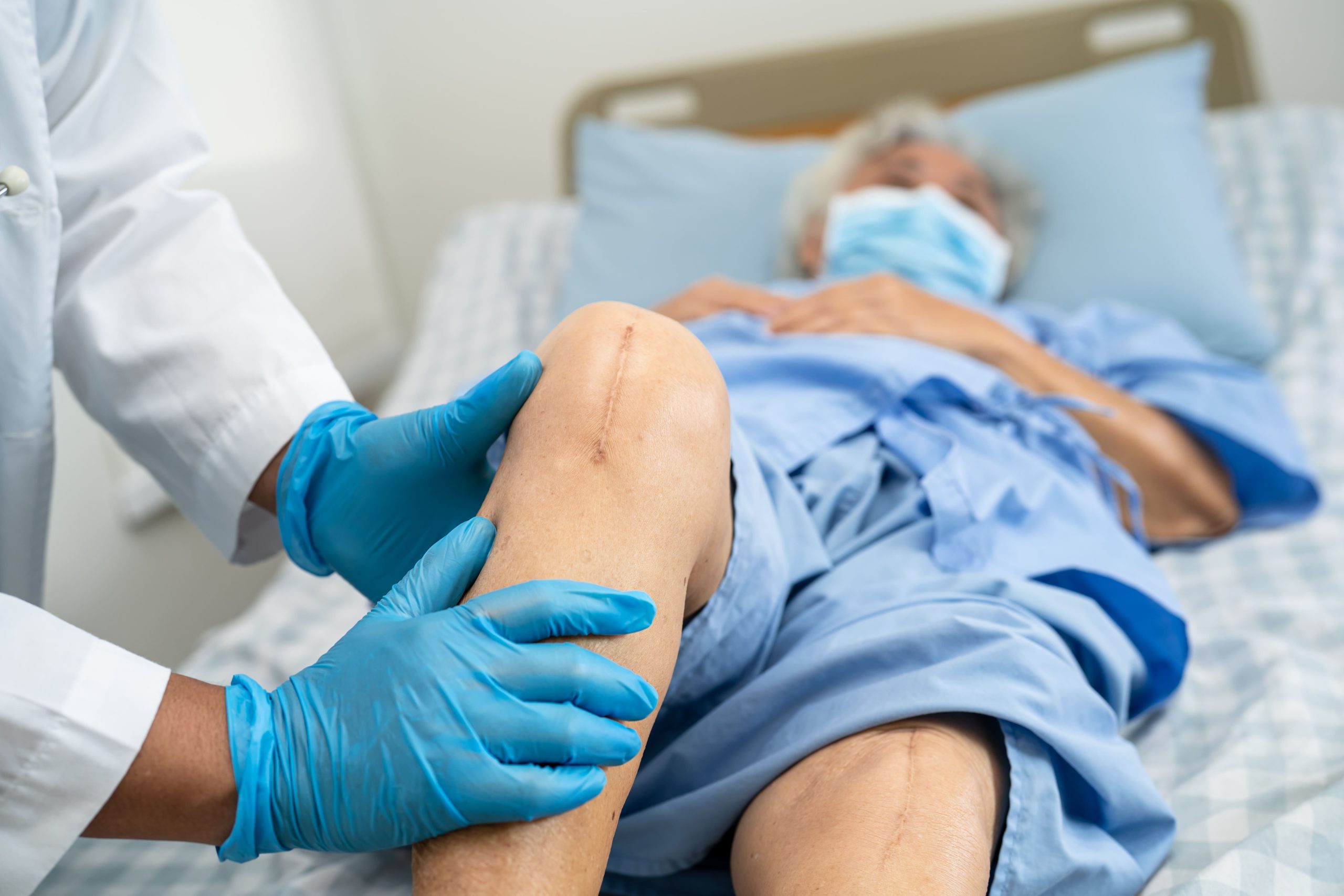

An ACL (anterior cruciate ligament) or MCL (medial collateral ligament) tear can significantly affect knee function, often leading to pain and limited mobility. While many individuals assume these two injuries are similar, they involve different ligaments and have distinct roles, causes, and symptoms. Recognising these differences is necessary for timely diagnosis and treatment, which can prevent long-term complications and improve recovery outcomes.
Anatomy and Function of the ACL and MCL
Both the ACL and MCL are necessary for knee stability.
Anterior Cruciate Ligament (ACL): Located in the centre of the knee, the ACL controls forward motion and rotational stability.
Medial Collateral Ligament (MCL): Positioned on the inner side of the knee, the MCL prevents the knee from bending inward and maintains side-to-side stability.
Injuries to the knee can damage the ACL, MCL, or both, leading to knee pain, swelling, and instability, making everyday activities such as walking, turning, or bearing weight difficult.
Causes and Mechanisms of Injury
ACL Tears: Often occur during activities that involve sudden stops, direction changes, or awkward landings, such as basketball, soccer, and skiing.
MCL Tears: This commonly results from a direct impact to the outer knee, pushing it inward, often during contact sports like football or rugby.
Key Differences in Symptoms of ACL vs MCL Tears
Recognising the symptoms of ACL and MCL tears is necessary for accurate diagnosis and treatment by a knee specialist in Singapore. Here are the primary distinctions:
Instability
An untreated ACL tear often results in a feeling of instability, where the knee may “give out” during pivoting or twisting movements. In contrast, an MCL tear typically causes discomfort during side-to-side movements but does not usually lead to knee buckling.
Swelling
ACL injuries cause rapid and significant swelling due to internal bleeding in the knee joint. MCL tears, however, result in more localised and gradual swelling on the inner side of the knee.
Location of Pain
Pain from an ACL tear is generally more widespread and severe, whereas MCL tear pain is localised to the inner knee and may be accompanied by tenderness.
Sound at the Time of Injury
A loud “pop” is a classical symptom of an ACL tear and is less commonly associated with MCL injuries.
Stiffness and Range of Motion
Both ACL and MCL injuries can lead to difficulty bending the knee with stiffness.
Treatment Options for ACL and MCL Tears
Non-Surgical Approaches
Both ACL and MCL tears can often be treated without surgery, particularly if the injury is mild. The primary approach includes:
R.I.C.E. Treatment Method
The R.I.C.E. method is a first-line treatment for both ACL and MCL tears to help reduce swelling and manage pain. Rest prevents further injury and allows healing to begin. Ice should be applied for 15-20 minutes every few hours to minimise inflammation. Compression controls swelling with a bandage, and elevation keeps the knee raised above heart level to reduce fluid build-up and improve blood flow.
Physiotherapy
Physiotherapy aids in regaining knee strength, flexibility, and stability. For ACL tears, it focuses on restoring rotational stability. For MCL injuries, it emphasises side-to-side stability. Tailored exercises support recovery and reduce the risk of future injuries.
Surgical Options for ACL and MCL Tears
In more severe cases, surgical intervention, such as ligament repair or reconstruction, may be necessary, especially for athletes or active individuals.
ACL Tear Surgery
ACL tears which are complete or high grade with instability or with other associated injuries often require surgical treatment, particularly in active individuals or athletes. The damaged ligament is replaced with a graft, which can be taken from the patient’s own tissue (e.g., hamstring or patellar tendon) or from a donor. The goal is to restore knee stability and function, with rehabilitation typically lasting several months to fully regain strength.
MCL Tear Surgery
Surgery for MCL tears is less common and usually reserved for severe injuries or cases involving complete tears or with additional damage. The procedure may involve reattaching the torn ligament or reconstructing it with a graft. Many MCL tears, however, can heal with non-surgical treatment. Post-surgery recovery usually includes physiotherapy to restore side-to-side stability and prevent stiffness.
Conclusion
ACL and MCL tears impact knee stability differently, with ACL injuries often requiring surgical reconstruction and isolated MCL injuries frequently responding well to non-surgical care. Recognising the differences in symptoms and treatment options is necessary for a successful recovery and avoiding long-term complications. Timely and appropriate intervention can make a significant difference in restoring knee function. In cases where chronic instability leads to severe arthritis over time, some patients may eventually require knee replacement surgery in Singapore to restore mobility. If you are experiencing knee pain or instability, consult Dr Wang Lushun to discuss your treatment options.
If you are experiencing knee pain or instability, consult Dr Wang Lushun to discuss your treatment options.