
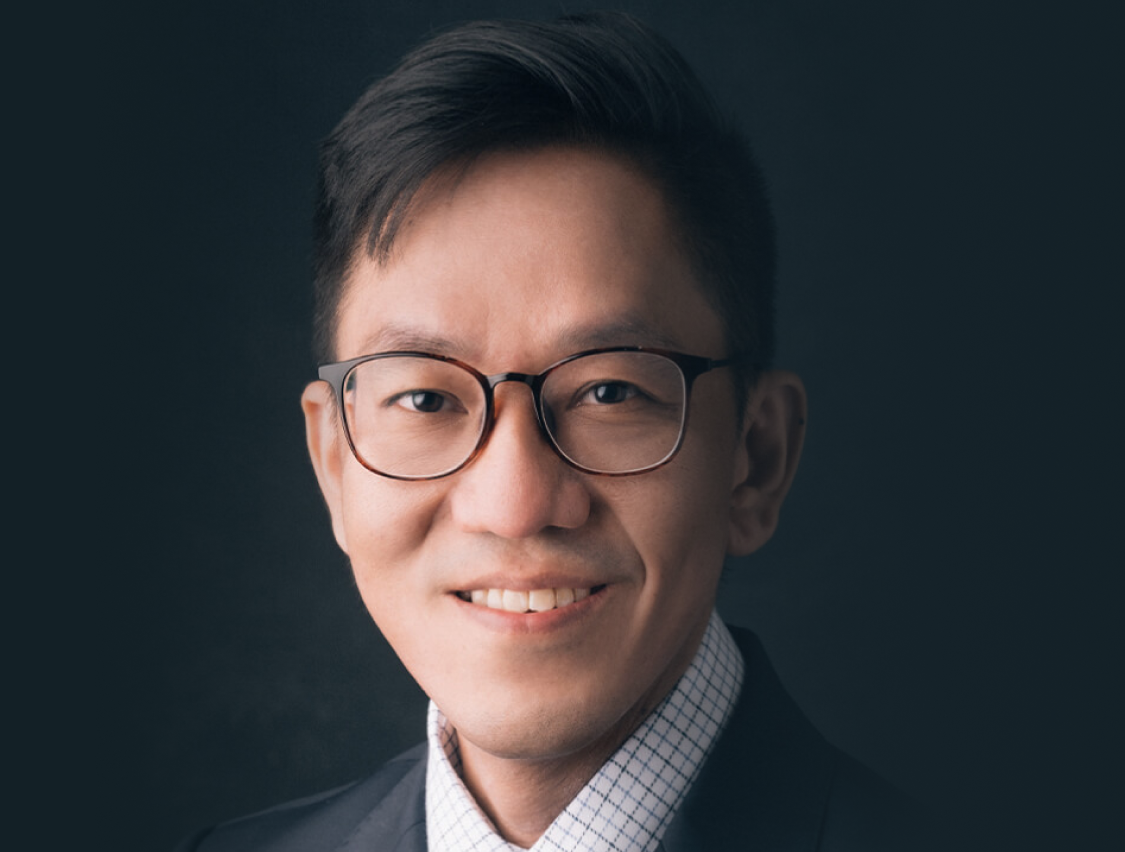
Pes Anserine Bursitis Specialist In Singapore

Dr. Wang Lushun - LS Wang Orthopaedics Clinic

Dr Wang Lushun

Senior Consultant Orthopaedic Surgeon

MBBS (Singapore)

MRCS (Edin)

MMed (Ortho)

FRCS (Ortho) (Edin)

  • Fellowship-trained orthopedic surgeon
  • Internationally recognised, more than 1500 surgeries performed

Dr. Wang Lushun - LS Wang Orthopaedics Clinic
fitness-knee-pain-and-man-hands-in-forest-with-cy-2023-11-27-05-34-25-utc fitness-knee-pain-and-man-hands-in-forest-with-cy-2023-11-27-05-34-25-utc

What Is Pes Anserine Bursitis?

Pes anserine bursitis is an inflammatory condition affecting the inner side of the knee, where the pes anserine bursa is located. 


The condition is characterised by pain, swelling, and tenderness in the affected area, which can impair mobility and impact daily activities. It is commonly observed in athletes, particularly those involved in activities that put repetitive stress on the knees, such as running and cycling.

Anatomy of the Pes Anserine Area

The pes anserine area has three tendons: the sartorius, gracilis, and semitendinosus muscles.

  • Sartorius Muscle
    Starts at the hip and crosses the thigh to the knee, helping to bend the knee and hip.
  • Gracilis Muscle
    Runs from the pelvis to the inner knee, assisting in knee bending and hip adduction.
  • Semitendinosus Muscle
    Extending from the pelvis to the inner knee aids in bending the knee and extending the hip.


Beneath these tendons lies the pes anserine bursa, a small fluid-filled sac that reduces friction between the tendons and the shinbone, ensuring smooth knee movements.

Causes and Risk Factors

The following factors can contribute to pes anserine bursitis:

  • Overuse and Repetitive Stress
    Activities that involve frequent bending and straightening of the knee, such as running, cycling, and hiking, can irritate the bursa.
  • Direct Trauma
    A direct blow to the inner knee can cause inflammation of the bursa.
  • Improper Exercise Techniques
    Incorrect form during exercise or sports can put extra stress on the knee, leading to bursitis.
  • Obesity
    Excess weight increases stress on the knee joint, including the pes anserine area.
  • Osteoarthritis
    Knee osteoarthritis can alter the mechanics of the knee, increasing the risk of bursitis.
  • Tight Hamstring Muscles
    Tightness in the hamstring muscles can pull on the pes anserine area and irritate.

Symptoms

The primary symptoms of pes anserine bursitis include:

Pain on the Inner Side of the Knee

Initially, the pain may be mild and become noticeable only during specific activities such as running or climbing stairs. It typically intensifies with continued activity and might become more apparent at night.

Tenderness and Swelling

The area just below the knee joint, on the inner side, may become tender to the touch, indicating inflammation of the bursa. This can limit the range of motion or make certain movements painful.

Stiffness

Morning stiffness or stiffness after periods of inactivity is common. This stiffness can result from the body’s attempt to protect the inflamed area, reducing flexibility.

Diagnosis

Diagnosing pes anserine bursitis involves a combination of clinical evaluation and, if necessary, imaging tests. Here’s how the process typically unfolds:

  • Clinical Examination
    A detailed discussion will be about the patient’s symptoms, activity levels, and knee problems or injury history. A physical examination will then identify pain, swelling, and tenderness in the pes anserine area.
  • Other Tests
    In some cases, if the diagnosis remains uncertain or there’s a need to rule out infection, the doctor may recommend extracting fluid from the bursa for laboratory analysis.
  • Imaging Tests
    X-rays:Although X-rays cannot show soft tissues like the bursa, an orthopaedic surgeon can use them to help rule out other bone-related causes of knee pain, such as fractures or osteoarthritis.
    Ultrasound: This test can visualise soft tissue structures and is useful for confirming inflammation of the bursa
    Magnetic Resonance Imaging (MRI): An MRI provides detailed images of soft tissues and is helpful if the diagnosis is unclear or if treatment hasn’t led to improvement. MRI can also identify other potential sources of knee pain.

Are Your Symptoms Affecting Your
Quality Of Life?

Consult our double fellowship-trained orthopaedic surgeon for an accurate diagnosis and personalised treatment plan.

Treatment Options

The following are the primary treatment options for pes anserine bursitis:

  • Rest and Activity Modification
    Reducing or temporarily stopping activities that aggravate the knee, such as running or climbing stairs, to allow the inflamed bursa to heal.Incorporating low-impact exercises, like swimming, puts less stress on the knees.
  • Medications
    Non-steroidal anti-inflammatory drugs (NSAIDs), such as ibuprofen or naproxen, can help reduce pain and inflammation.For those unable to take NSAIDs, acetaminophen may be recommended for pain relief.
  • Ice Therapy Applying ice packs to the affected area for 15-20 minutes several times daily can help reduce swelling and relieve pain.
  • Physical Therapy A physical therapist can design a personalised programme to strengthen the muscles around the knee and improve flexibility, which can help relieve stress on the bursa.
  • Corticosteroid Injections If symptoms are severe or do not improve with initial treatments, a trusted knee specialist may consider administering a corticosteroid injection into the bursa to reduce inflammation quickly.
  • Use of Orthotic Devices Knee braces or arch supports for shoes may be recommended to improve alignment and distribute forces more evenly across the knee joint.

Prevention Strategies

Preventing pes anserine bursitis involves addressing the risk factors and implementing lifestyle changes to reduce stress on the knee. Key strategies include:

Maintain a Healthy Weight

Excess body weight increases stress on the knees. Maintaining a healthy weight can reduce this stress and decrease the risk of bursitis.

Strengthen and Stretch Muscles

Exercises that strengthen the muscles around the knee can help stabilise the knee joint, and flexibility exercises help to ensure muscles are not overly tight.

Proper Exercise Technique

Ensuring correct form and technique during exercise and sports can prevent excessive knee stress.

Use Appropriate Equipment

Wearing shoes that provide adequate support and fit well can help maintain proper leg alignment and balance.

Ergonomic and Postural Adjustments

Using knee pads or making ergonomic adjustments can reduce knee stress for people whose work involves prolonged kneeling or squatting.
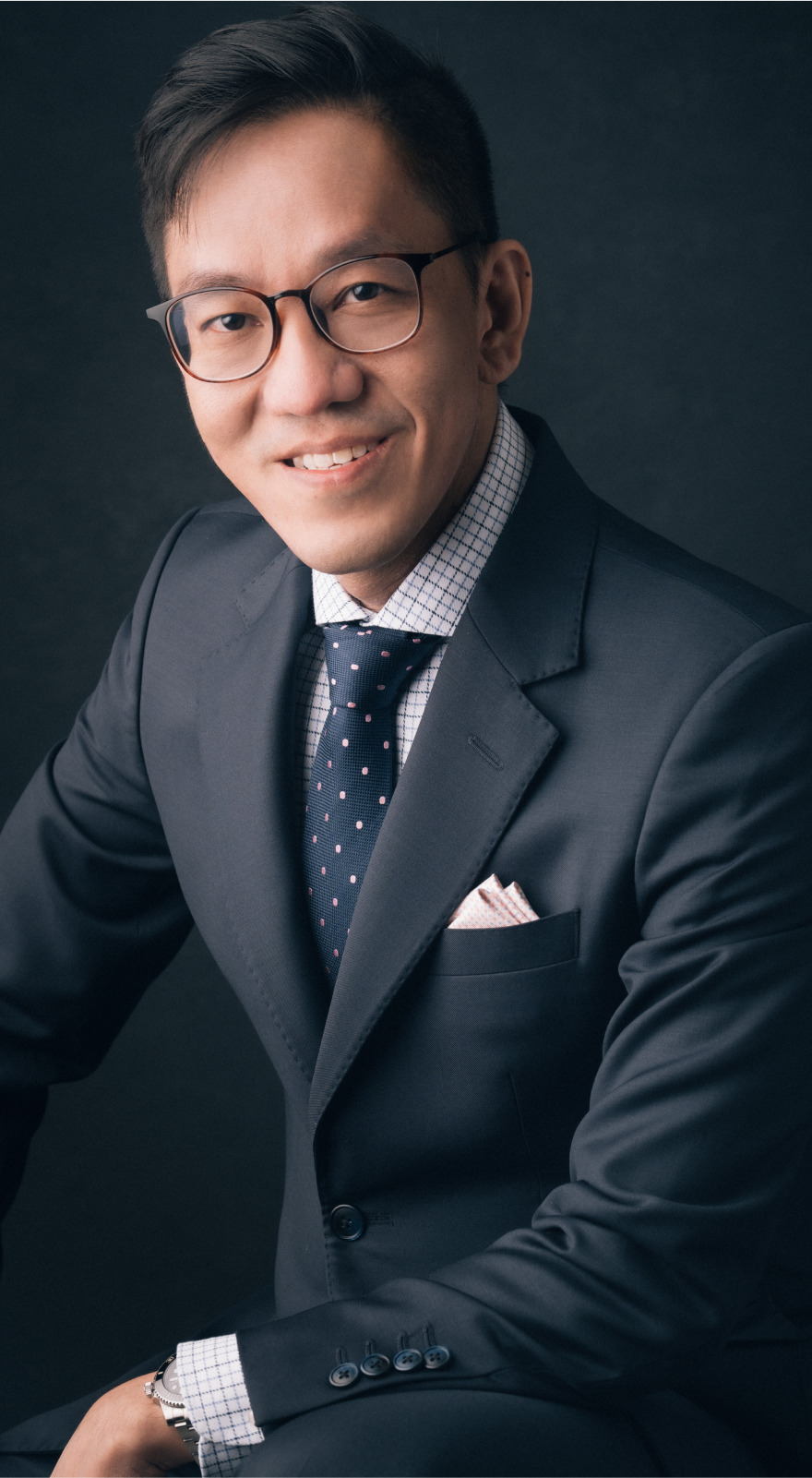
Dr. Wang Lushun - LS Wang Orthopaedics Clinic

Dr Wang Lushun

Senior Consultant Orthopaedic Surgeon

MBBS (Singapore)

MRCS (Edin)

MMed (Ortho)

FRCS (Ortho) (Edin)

Internationally Recognised & Double Fellowship-Trained Surgeon With Over 18 Years of Experience

  • Bachelor of Medicine & Bachelor of Surgery (MBBS),
    National University of Singapore
  • Member of The Royal College of Surgeons (MRCS),
    Edinburgh, United Kingdom
  • Master of Medicine in Orthopaedic Surgery (MMed),
    National University of Singapore
  • Fellow of The Royal College of Surgeons in Orthopaedics and Traumatology (FRCS), Edinburgh, United Kingdom

As a Senior Consultant Orthopaedic Surgeon and former Head of the Hip and Knee Division in Ng Teng Fong Hospital, he has won awards for superior patient outcomes (value driven), service quality and enhanced recovery programmes. His patients include current and former national athletes and sporting professionals.

Why Choose

Dr Wang Lushun?

Trusted orthopaedic surgeon

Trusted

Leadership on Orthopaedic Advisory Boards

Skilful orthopaedic surgeon

Skilful

Double Fellowships at Centres of Excellence

Experienced consultant with over 18 years in orthopaedics

Experienced

Senior Consultant with Over 18 Years of Experience

Can I Use Medisave For My Treatment?

Yes, you can use funds from your Medisave account to offset the cost of your treatment.
Reach out to us today to learn more about payment options.

Patient-Centred Orthopaedic Care

We are dedicated to your recovery and well-being. Every patient deserves the freedom that comes with active living. Whether you're an athlete sidelined by an injury or a weekend hobbyist desperate to return to your passion, our mission is to help you regain your mobility and independence.

Patient-Centred Orthopaedic Care
Personalised Approach For Positive Outcomes

Our clinic prioritizes time dedicated to understanding each patient’s injuries and needs. Dr Wang strongly believes that personalised care & patient management will lead to better outcomes & positive experiences.

Patient-Centred Orthopaedic Care
Minimally Invasive Techniques For Faster Recovery

Dr Wang’s extensive experience with minimally invasive procedures allows for less scarring, lower risk of complications and faster recovery compared to traditional surgical methods.

Patient-Centred Orthopaedic Care
Aftercare Focused On Restoring Mobility & Well-Being

As an avid sportsperson, Dr Wang understands the time and patience required to regain mobility and return to active living. After your procedure is completed, Dr Wang will make sure your recovery is smooth and comfortable.

Insurance

Great Eastern Insurance Aviva Insurance Prudential Insurance AXA Insurance AIA Insurance NTUC Income insurance

We accept all patients, with or without insurance plans. Additionally, we are on the specialist panels of these Health Networks/Insurance Plans. Please contact us if you have any queries and we will be happy to assist you in checking with your insurance provider.

Our Clinic Locations

lswang-homepage-desktop-contact-icon1-1
3 Mount Elizabeth, #13-14
Mount Elizabeth Medical Centre
Singapore 228510
lswang-homepage-desktop-contact-icon1-1
820 Thomson Road, Mount Alvernia Hospital, #05-51, Medical Centre D, Singapore 574623

    Full Name*

    Condition

    Your Message*

    For Faster Response, WhatsApp Us!

    8772‎ 6928


    Frequently Asked Questions (FAQs)

    Can Pes Anserine Bursitis heal on its own?

    With proper rest and care, pes anserine bursitis can improve without aggressive medical intervention. Following recommended lifestyle and activity modifications plays a key role in recovery.

    How long does it take to recover from Pes Anserine Bursitis?

    Recovery time varies depending on the severity of the condition and adherence to treatment plans. Generally, improvement is observed within a few weeks, but complete recovery may take several months.

    Is Pes Anserine Bursitis a sign of arthritis?

    While pes anserine bursitis is not arthritis, people with knee osteoarthritis may be more prone to developing this condition due to altered knee mechanics.

    Do I need surgery for Pes Anserine Bursitis?

    Surgery is rarely required for pes anserine bursitis. Most cases respond well to conservative treatments such as rest, medication, and physical therapy.