Patellar Tendon Injury Treatment in Singapore: A Comprehensive Guide

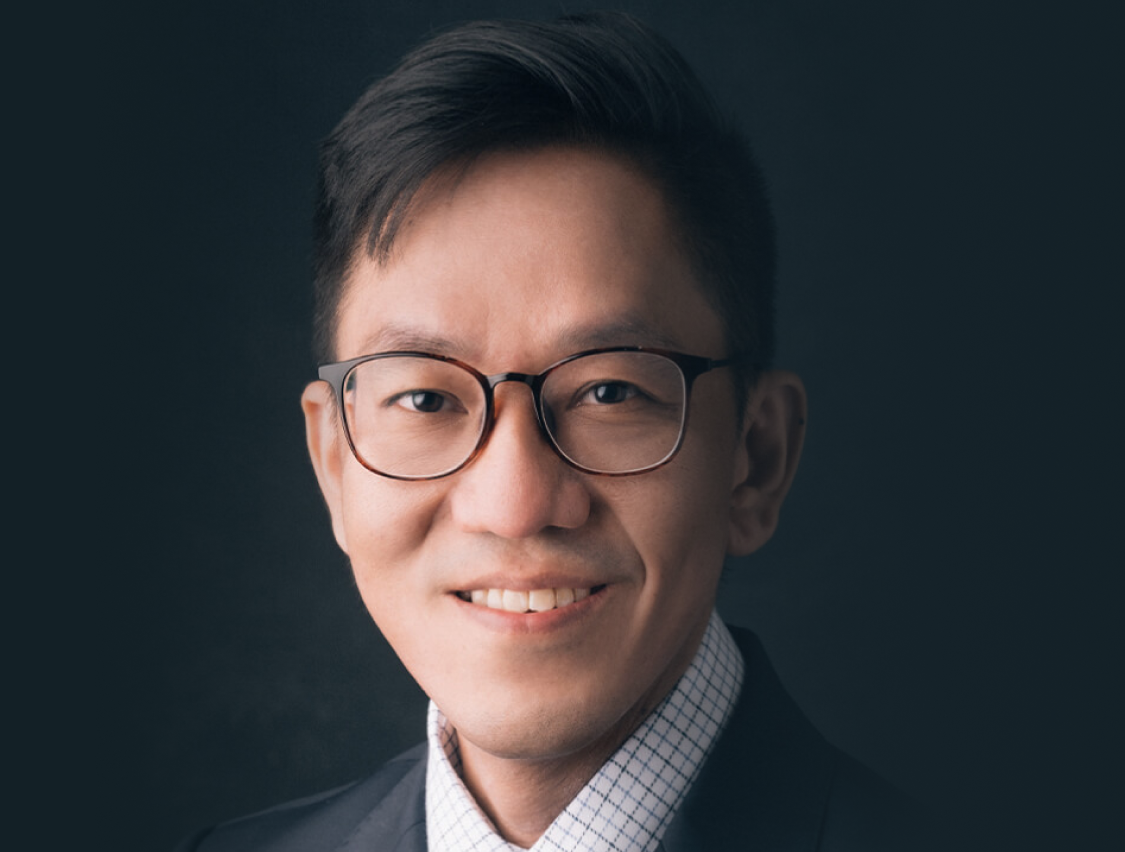
Dr. Wang Lushun - LS Wang Orthopaedics Clinic

Dr Wang Lushun

Senior Consultant Orthopaedic Surgeon

MBBS (Singapore)

MRCS (Edin)

MMed (Ortho)

FRCS (Ortho) (Edin)

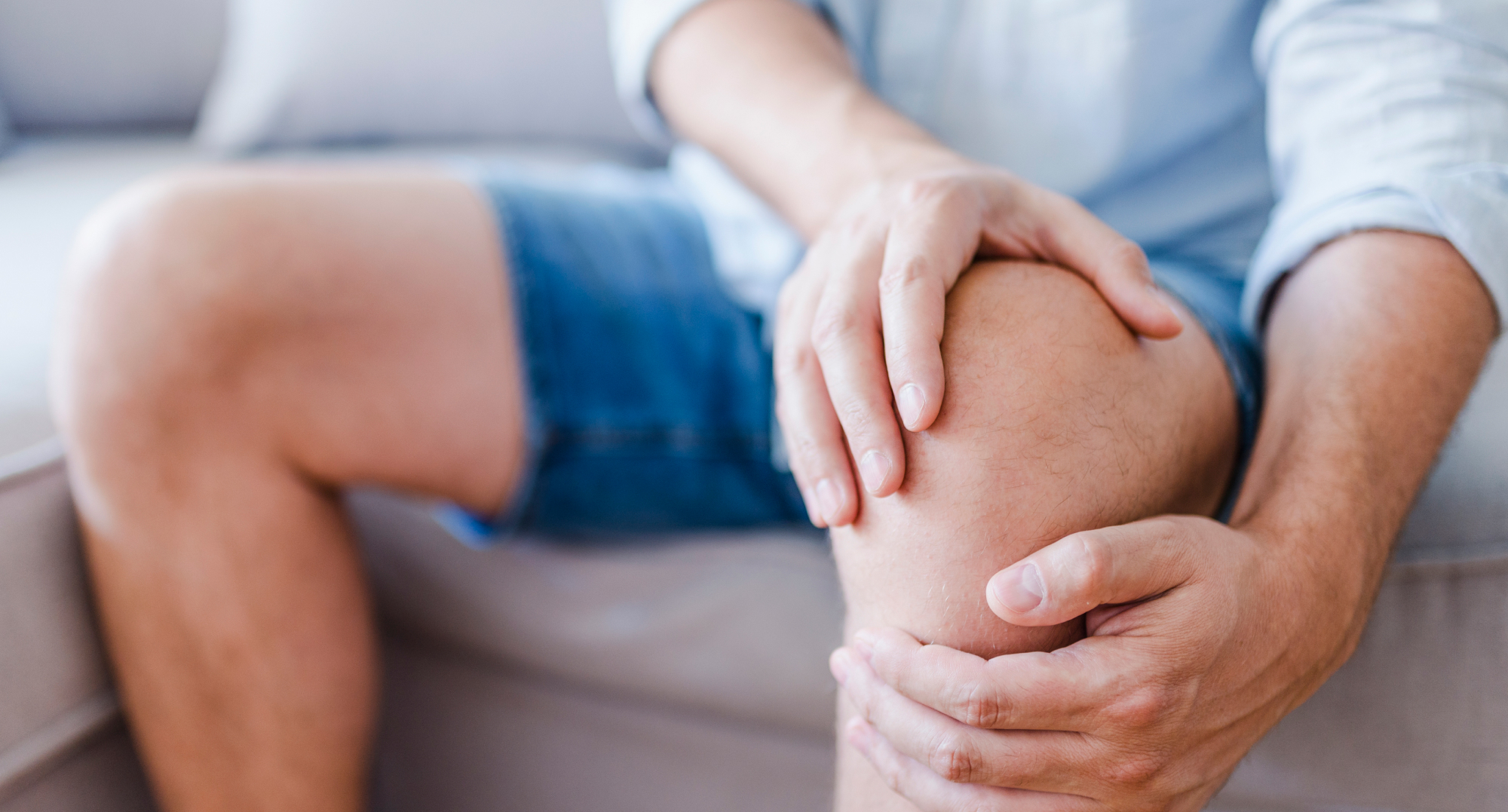
Persistent pain or weakness below the kneecap can signal a patellar tendon injury, a condition that significantly impairs mobility for athletes and active individuals alike. Whether you are dealing with mild irritation or a complete rupture, understanding the severity of the damage is the first step toward effective recovery. This guide explores the diagnosis and treatment options available in Singapore to help you restore knee function and return to your daily activities.

Dr. Wang Lushun - LS Wang Orthopaedics Clinic
a-doctor-uses-a-knee-joint-model-to-demonstrate-an-2026-01-09-00-42-02-utc a-doctor-uses-a-knee-joint-model-to-demonstrate-an-2026-01-09-00-42-02-utc

What is a Patellar Tendon Injury?

The patellar tendon connects your kneecap to your shinbone. However, if you experience sudden, tearing pain just above the kneecap after a fall or jump, you may have suffered a quadriceps tendon tear, which also severely impairs your ability to straighten your leg. Every time you walk, climb stairs, jump, or kick, your patellar tendon is actively engaged.


Patellar tendon injuries exist on a spectrum of severity. At one end, patellar tendinopathy (commonly called “jumper’s knee”) involves chronic degeneration and micro-tears within the tendon, causing persistent pain and stiffness. At the other end, a complete patellar tendon rupture represents a serious injury where the tendon tears entirely, resulting in immediate loss of knee extension ability.

These injuries typically occur through two mechanisms:

  • Acute ruptures often happen during sudden, forceful contractions of the quadriceps muscle—such as when landing from a jump or attempting to prevent a fall.
  • Chronic tendinopathy develops gradually from repetitive stress and overuse, common in sports involving jumping, running, or quick direction changes.


Patellar tendon injury treatment in Singapore encompasses both conservative and surgical approaches, depending on the severity of your condition. Early diagnosis and individualised intervention can support recovery and help manage long-term complications. Outcomes differ among patients based on individual health factors.

Ideal Candidates for Treatment

Not everyone with knee pain has a patellar tendon injury. Proper assessment is essential to determine the appropriate treatment approach. You may be a suitable candidate for patellar tendon injury treatment if you:

  • Experience pain, tenderness, or swelling directly over the patellar tendon (the band of tissue connecting your kneecap to your shinbone, located below the kneecap)
  • Have difficulty straightening your knee against resistance
  • Notice weakness when climbing stairs, running, or jumping
  • Felt a sudden “pop” or tearing sensation during physical activity
  • Have been diagnosed with patellar tendinopathy (a condition where the tendon becomes irritated and damaged from overuse) that hasn’t responded to rest
  • Are you an athlete involved in jumping sports (such as basketball, volleyball, or high jump)
  • Have sustained a direct trauma to the front of the knee
  • Experience pain that worsens with prolonged sitting or after physical activity

Candidates for surgical intervention typically include those with:

  • Complete tendon ruptures (where the tendon tears completely apart)
  • Partial tears affecting a substantial portion of the tendon width
  • Chronic tendinopathy that has not improved with several months of conservative treatment

Contraindications

Certain factors may affect your treatment options or require special consideration:

  • Active infection in or around the knee joint
  • Severe peripheral vascular disease (a circulation condition that reduces blood flow to the legs and feet) affects the blood supply to the leg
  • Uncontrolled diabetes that may impair wound healing
  • Current use of fluoroquinolone antibiotics (a type of antibiotic associated with tendon damage)
  • Systemic inflammatory conditions (diseases that cause inflammation throughout the body) require immunosuppressive therapy (medication that reduces immune system activity)
  • Significant skin conditions over the surgical site
  • Medical conditions that make anaesthesia high-risk
  • Unrealistic expectations about recovery timeline or outcomes

A thorough evaluation by an orthopaedic surgeon is essential to determine whether you’re a suitable candidate and which treatment approach may be best for your specific situation. This assessment typically includes a physical examination (where the doctor examines your knee through movement and touch), imaging studies (such as X-rays, ultrasound, or MRI scans), and a review of your medical history and activity goals.

Treatment Techniques & Approaches

Patellar tendon injury treatment varies significantly based on the type and severity of your injury. Your orthopaedic surgeon can recommend an approach tailored to your specific condition, activity level, and treatment goals.

Conservative (Non-Surgical) Treatment

For partial tears affecting a smaller portion of the tendon, or for patellar tendinopathy (ongoing pain and inflammation in the tendon), conservative management is often the first-line approach. This includes:

  • Activity Modification and Rest: Reducing or temporarily stopping activities that aggravate the tendon allows healing to occur. This doesn’t mean complete immobilisation, but avoiding high-impact activities such as jumping, running, or heavy squatting.
  • Physiotherapy: A structured rehabilitation programme focuses on eccentric strengthening exercises—movements where muscles lengthen under load, such as slowly lowering from a squat. Progressive loading may help stimulate tendon healing and remodelling.
  • Bracing and Support: A patellar tendon strap or knee brace can offload stress on the injured tendon during daily activities and gradual return to sport.
Surgical Repair for Complete Ruptures

Complete patellar tendon ruptures typically require surgical intervention to restore knee function. Surgery is typically performed within the first few weeks of injury.

  • Primary Repair Technique: The surgeon reattaches the torn tendon to the kneecap by threading strong sutures through small drill holes in the patella. The repair is often reinforced with additional sutures in a specific pattern that distributes forces across the repair site.
  • Augmentation Procedures: In cases where the tendon tissue is of poor quality or the repair is under significant tension, your surgeon may reinforce the repair using autograft tissue (tissue taken from another part of your own body), allograft tissue (donor tissue from another person), or synthetic augmentation materials.
Technology and Equipment Used

Surgical treatment employs established techniques and equipment:

  • High-strength, non-absorbable suture materials designed for tendon repair
  • Suture anchors that provide secure fixation points within bone
  • Protective bracing systems that allow a controlled range of motion during healing
  • Fluoroscopic imaging (real-time X-ray that allows the surgeon to see inside your knee during the procedure) to verify proper tunnel placement when needed

Wondering which approach may be right for you?

Consult with our orthopaedic surgeon to evaluate your specific injury, activity goals, and overall health to determine a suitable treatment technique for your patellar tendon injury.

The Treatment Process

Understanding what to expect before, during, and after your treatment can help you prepare mentally and physically for your journey to recovery.

Pre-Treatment Preparation

Your treatment journey begins with a comprehensive evaluation. Your orthopaedic surgeon will conduct a thorough physical examination, assessing your knee’s range of motion, strength, and stability. You’ll likely undergo imaging studies, including X-rays to evaluate bone alignment and rule out fractures, and MRI scans (detailed images that show soft tissues like tendons) to assess the extent of tendon damage.

If surgery is recommended, you’ll receive specific pre-operative instructions:

  • Blood tests and medical clearance from your general practitioner
  • Medication adjustments (you may need to stop certain medications temporarily)
  • Fasting instructions (typically nothing to eat or drink from midnight before surgery)
  • Arrangement for transport home and assistance during early recovery
  • Pre-operative physiotherapy to strengthen muscles and learn post-operative exercises

On the day of surgery, arrive at the hospital as instructed. You’ll meet with your anaesthetist to discuss anaesthesia options and address any concerns.

During the Procedure

Surgical repair of a patellar tendon injury is typically performed under general anaesthesia (medication that puts you to sleep) or regional anaesthesia (spinal or epidural block, which numbs the lower body while you remain awake). The choice depends on your health status and preferences.

The procedure generally follows these steps:

  • Incision: The surgeon makes a vertical cut over the front of the knee to access the damaged tendon.
  • Tendon Preparation: The surgeon identifies and prepares the torn tendon ends, carefully removing any damaged or deteriorated tissue.
  • Reattachment: The surgeon weaves strong sutures (medical stitches) through the tendon, passes these sutures through small tunnels drilled in the kneecap (or through the remaining tendon in mid-section tears), then secures the tendon back in its normal position.
  • Augmentation: If needed, the surgeon adds reinforcement using additional tissue or synthetic material to strengthen the repair.
  • Closure: The surgeon closes the surgical site in layers and applies a sterile dressing.

The procedure typically takes between one and one and a half hours. You’ll then be transferred to the recovery area for monitoring as the anaesthesia wears off.

Immediate Post-Treatment

Following surgery, you’ll spend time in the recovery room where qualified healthcare professionals will monitor your vital signs (such as heart rate, blood pressure, and breathing) and pain levels. Most patients experience some discomfort, which the staff manages with appropriate pain medication.

Before discharge (typically the same day or the following morning), you’ll receive:

  • A knee brace or immobiliser locked in extension (held in a straight position) to protect the repair
  • Crutches and instruction on non-weight-bearing or partial weight-bearing walking
  • Wound care instructions and information about signs of complications (such as increased redness, swelling, or discharge that may indicate infection or other issues)
  • Pain medication prescriptions
  • Follow-up appointment scheduling (typically within one to two weeks)

You’ll be advised to keep your leg elevated when resting and apply ice packs to help manage swelling during the first few days.

Recovery and Aftercare

Recovery from patellar tendon injury treatment requires patience and commitment to your rehabilitation programme. The timeline varies based on injury severity and whether you underwent surgical or conservative treatment.

First 24-48 Hours

The immediate post-treatment period focuses on managing pain, swelling, and protecting the healing tissues:

  • Keep your leg elevated above heart level when lying down
  • Apply ice packs for approximately 20 minutes every few hours while awake
  • Take prescribed pain medications as directed
  • Wear your knee brace at all times, including during sleep
  • Perform gentle ankle pumps (moving your foot up and down) and quadriceps setting exercises (tightening the muscle at the front of your thigh) as instructed

Watch for warning signs that may indicate the need for immediate medical attention: excessive swelling, severe pain not controlled by medication, fever, wound drainage (fluid leaking from the surgical site), or numbness and tingling in your foot.

First Week

During this initial healing phase:

  • Attend your first post-operative appointment for a wound check and suture care
  • Continue using crutches and following weight-bearing restrictions
  • Begin a gentle range of motion exercises (controlled movements to bend and straighten your knee) as prescribed by your physiotherapist
  • Keep the wound clean and dry until cleared for showering
  • Gradually reduce pain medication as comfort improves

Your physiotherapist will guide you through early rehabilitation exercises, typically focusing on maintaining quadriceps muscle activation (keeping the thigh muscle engaged) without stressing the repair, gentle passive knee flexion (bending), and maintaining hip and ankle strength.

Long-term Recovery

The complete recovery timeline for patellar tendon repair spans several months. Your healthcare provider will adjust this timeline based on your specific injury severity, healing progress, and activity goals:

  • Weeks 2-6: Progressive range of motion is introduced, typically starting with protected flexion to a moderate degree. You may transition to partial weight-bearing with crutches. The brace may be unlocked for controlled exercises.
  • Weeks 6-12: Weight-bearing progresses as tolerated. The range of motion goals approach full flexion. Strengthening exercises advance to include resistance training (exercises using weights or resistance bands). Stationary cycling and pool exercises may be introduced.
  • Months 3-6: Functional strengthening intensifies. Running progression may begin around the mid-recovery period for appropriate candidates. Sport-specific training is introduced gradually.
  • Months 6-9: Return to full activities, and sports may be achieved in the later stages of recovery, depending on the sport demands and individual healing. Healing times vary among patients based on individual factors. Your healthcare team will help you progress safely.

Throughout recovery, adherence to your physiotherapy programme can support recovery. Returning to activities too early may increase re-injury risk or affect function.

Your orthopaedic surgeon can provide post-procedure support to help monitor your recovery from patellar tendon injury.

Schedule a consultation with a qualified orthopaedic surgeon to learn more about what to expect throughout your treatment journey.

Benefits of Patellar Tendon Injury Treatment

Outcomes differ among patients based on injury severity, overall health, and rehabilitation compliance. Many patients who complete their treatment and rehabilitation programme may experience meaningful improvement in function and satisfaction. Your healthcare provider can discuss expected outcomes based on your specific injury and circumstances. Appropriate treatment for patellar tendon injuries may offer benefits for your function and quality of life:

Checkmark Icon
Restored Knee Function

Surgical repair aims to restore the extensor mechanism (the system that allows you to straighten your knee), which can help you straighten your knee against resistance, important for walking, climbing stairs, and standing from seated positions.

Checkmark Icon
Return to Activities

Many patients may return to their pre-injury activity levels following complete rehabilitation, including sports participation.

Checkmark Icon
Pain Relief

Treatment addresses the underlying injury and may provide relief from the pain and discomfort that may have limited your activities.

Checkmark Icon
Management of Further Damage

Untreated complete ruptures can lead to chronic weakness and potential damage to surrounding structures. Timely treatment aims to help manage these complications.

Checkmark Icon
Improved Mobility

Regaining normal knee function can mean independence in daily activities without relying on walking aids or movement modifications.

Checkmark Icon
Long-term Joint Health

Proper biomechanics following treatment may help protect other knee structures from compensatory damage.

Checkmark Icon
Quality of Life

Freedom from pain and limitations can allow participation in work, recreation, and family activities without restriction.

Common Side Effects

As with any medical treatment, patellar tendon repair carries certain risks. Understanding these helps you make an informed decision and recognise any issues early.

These temporary effects are expected parts of the healing process:

  • Swelling and Bruising: Normal after surgery, typically resolving over several weeks with elevation and ice application.
  • Stiffness: Initial restriction in knee movement is expected. Progressive physiotherapy (guided exercises with a specialist) can support the restoration of flexibility over time.
  • Discomfort: Surgical site tenderness is normal during healing. Pain medication and gradual exercise can help manage this.
  • Quadriceps Weakness: Temporary weakness is common and may improve with dedicated strengthening exercises.
  • Numbness Around Incision: Small sensory nerves may be affected during surgery. Sensation often returns over months, though some patients have persistent altered sensation.

Rare Complications

Less common but more serious complications include:

  • Infection: Surgical site infections can occur. Signs include increasing redness, warmth, swelling, or drainage from the wound. Prompt antibiotic treatment is usually effective.
  • Re-rupture: Recurrent tendon tear can occur, particularly if return to activities happens too quickly. Following rehabilitation guidelines and activity restrictions can help minimise this risk.
  • Stiffness/Arthrofibrosis: Some patients develop excessive scar tissue, limiting knee motion. Arthrofibrosis (formation of thick scar tissue that restricts movement) may require additional procedures or intensive physiotherapy.
  • Blood Clots: Deep vein thrombosis (blood clots in leg veins) can occur after lower limb surgery. Preventive measures include early mobilisation, compression stockings, and, sometimes, medication.
  • Hardware Issues: Suture anchors (small devices used to attach the tendon to bone) or other fixation devices may occasionally cause irritation and require removal.

Your orthopaedic surgeon uses careful surgical technique, individualised patient selection, and post-operative protocols to minimise these risks. Open communication with your medical team helps ensure any concerns receive prompt attention.

doctor-presenting-report-of-diagnosis-symptom-of-2026-01-11-08-42-46-utc doctor-presenting-report-of-diagnosis-symptom-of-2026-01-11-08-42-46-utc

Cost Considerations

The cost of patellar tendon injury treatment in Singapore varies based on several factors:

Injury Severity: Complete ruptures requiring surgical repair involve higher costs than conservative treatment for tendinopathy, a condition where the tendon becomes painful and weakened without a full tear.

  • Surgical Complexity: Primary repairs, where the torn tendon ends are stitched back together, are generally less costly than procedures requiring augmentation with grafts, where additional tissue is used to strengthen the repair.
  • Facility and Hospital Stay: Day surgery versus overnight admission affects overall costs.
  • Rehabilitation Requirements: Post-operative physiotherapy sessions contribute to total treatment expenses. These sessions help restore movement and strength.
  • Imaging and Investigations: Pre-operative MRI, X-rays, and other tests are part of the overall treatment cost. MRI provides detailed scans that show soft tissue damage. X-rays check for bone injuries.
  • Implants and Materials: Suture anchors, surgical sutures, and any augmentation materials add to surgical costs. Suture anchors are small devices that hold stitches in place. Surgical sutures are threads used during the procedure.

A treatment package typically includes surgical fees, anaesthesia, operating theatre charges, hospital stay, medications, and initial follow-up consultations. Physiotherapy is often billed separately.

During your consultation, discuss payment options early in your treatment planning to receive a detailed cost estimate based on your specific treatment plan.

Frequently Asked Questions

How do I know if I've ruptured my patellar tendon or just strained it?
Accordion Arrow Icon

Complete patellar tendon ruptures typically present with immediate symptoms: a popping sensation at the time of injury, sudden inability to straighten your knee or bear weight, significant swelling, and a visible gap or indentation below your kneecap. In contrast, strains or tendinopathy (ongoing inflammation and small tears in the tendon) cause gradual onset pain, tenderness over the tendon, and stiffness that worsens with activity but doesn’t cause complete loss of function. If you experience sudden knee weakness or inability to straighten your leg after an injury, seek prompt evaluation from an orthopaedic surgeon. Timely treatment can support recovery and may help reduce the risk of long-term complications.

How long before I can return to sports after patellar tendon repair surgery?
Accordion Arrow Icon

Return to sports following patellar tendon repair is a gradual process, typically spanning several months. The timeline depends on the specific sport, your position or role, and your individual healing progress. Your doctor and physiotherapist will set targets based on your specific recovery and the demands of your sport. Low-impact activities like swimming may resume earlier. Jumping sports (basketball, volleyball) require longer rehabilitation. Your orthopaedic surgeon and physiotherapist will guide your progression based on objective criteria, including strength testing, functional assessments, and tissue healing. Returning too soon can significantly increase re-injury risk. Patience with rehabilitation can support recovery.

Will I need physiotherapy, and for how long?
Accordion Arrow Icon

Physiotherapy plays a vital role in supporting recovery from patellar tendon injury. For surgical repairs, formal physiotherapy typically continues for several months, with sessions becoming less frequent as you progress. Initially, sessions may occur multiple times weekly, then transition to weekly and then periodic check-ins.

For conservative treatment of tendinopathy, a structured physiotherapy programme is often recommended, typically spanning several months and focusing on eccentric exercises (movements where you slowly lengthen the muscle whilst it’s under tension).

What if I delay treatment for a patellar tendon rupture?
Accordion Arrow Icon

Delayed treatment of complete patellar tendon ruptures becomes progressively more challenging. Within the first few weeks, primary repair is usually straightforward. As time passes, the tendon retracts (pulls upward), scar tissue forms, and the quadriceps muscle shortens, making repair more complex.

Can patellar tendinopathy (jumper's knee) be managed without surgery?
Accordion Arrow Icon

Yes, many patellar tendinopathy cases may respond to conservative treatment. The cornerstone is a structured eccentric exercise programme where you gradually load the tendon in a controlled manner to stimulate healing and adaptation. This approach, combined with activity modification, may help manage symptoms over several months.

How painful is recovery from patellar tendon surgery?
Accordion Arrow Icon

Healthcare providers can help manage pain following patellar tendon repair with appropriate medication and care.

By the end of the first week, most patients transition to over-the-counter pain relief as needed. Physiotherapy exercises may cause some discomfort as you work to restore motion and strength, but they should be tolerable. Severe or worsening pain beyond the first week warrants discussion with your surgeon to help ensure no complications are developing.

Are there any activities I should avoid permanently after patellar tendon repair?
Accordion Arrow Icon

Most patients may return to their full range of activities after completing rehabilitation from patellar tendon repair. There are typically no permanent restrictions once healing is complete and strength is restored. Some patients choose to modify very high-risk activities based on personal preference, typically a choice rather than a medical necessity.

What's the difference between patellar tendon and ACL injuries?
Accordion Arrow Icon

While both affect knee function, these are distinct injuries. The patellar tendon connects your kneecap to your shinbone and is responsible for straightening your knee. Patellar tendon injuries cause:

  • Weakness in knee extension (straightening your leg)
  • Difficulty climbing stairs
  • A distinct location of pain below the kneecap

The ACL (anterior cruciate ligament) is a strong band of tissue inside the knee joint that provides rotational stability (keeps your knee stable when you twist or pivot). ACL injuries cause giving way or instability with pivoting movements. The injury mechanisms typically differ. Both conditions require evaluation by an orthopaedic surgeon, but treatment approaches differ significantly.

Conclusion

Patellar tendon injuries — including acute ruptures (sudden tears) and chronic tendinopathy (long-term wear and damage) can significantly impact mobility and quality of life. With appropriate diagnosis and treatment, many patients may achieve functional outcomes and return to their desired activities.

Early evaluation is important, as the treatment approach depends on injury type and severity. Complete ruptures may benefit from timely surgical repair to reconnect the torn tendon ends, while tendinopathy may respond well to structured conservative management, including physical therapy and activity modification. Whether you are an athlete aiming to return to competition or seeking to resume daily activities comfortably, established treatment protocols and dedicated rehabilitation may help you work towards your goals.

Ready to Take the Next Step?

If you're experiencing knee pain, weakness, or have sustained an injury affecting your patellar tendon, Dr Wang Lushun can help you understand your condition and recommend a suitable treatment approach tailored to your specific needs.
Dr. Wang Lushun - LS Wang Orthopaedics Clinic

Dr Wang Lushun

Senior Consultant Orthopaedic Surgeon

MBBS (Singapore)

MRCS (Edin)

MMed (Ortho)

FRCS (Ortho) (Edin)

Internationally Recognised & Double Fellowship-Trained Surgeon With Over 18 Years of Experience

  • Bachelor of Medicine & Bachelor of Surgery (MBBS),
    National University of Singapore
  • Member of The Royal College of Surgeons (MRCS),
    Edinburgh, United Kingdom
  • Master of Medicine in Orthopaedic Surgery (MMed),
    National University of Singapore
  • Fellow of The Royal College of Surgeons in Orthopaedics and Traumatology (FRCS), Edinburgh, United Kingdom

As a Senior Consultant Orthopaedic Surgeon and former Head of the Hip and Knee Division in Ng Teng Fong Hospital, he has won awards for superior patient outcomes (value driven), service quality and enhanced recovery programmes. His patients include current and former national athletes and sporting professionals.

Why Choose

Dr Wang Lushun?

Trusted orthopaedic surgeon

Trusted

Leadership on Orthopaedic Advisory Boards

Skilful orthopaedic surgeon

Skilful

Double Fellowships at Centres of Excellence

Experienced consultant with over 18 years in orthopaedics

Experienced

Senior Consultant with Over 18 Years of Experience

Patient-Centred Orthopaedic Care

We are dedicated to your recovery and well-being. Every patient deserves the freedom that comes with active living. Whether you're an athlete sidelined by an injury or a weekend hobbyist desperate to return to your passion, our mission is to help you regain your mobility and independence.

Patient-Centred Orthopaedic Care
Personalised Approach For Positive Outcomes

Our clinic prioritizes time dedicated to understanding each patient’s injuries and needs. Dr Wang strongly believes that personalised care & patient management will lead to better outcomes & positive experiences.

Patient-Centred Orthopaedic Care
Minimally Invasive Techniques For Faster Recovery

Dr Wang’s extensive experience with minimally invasive procedures allows for less scarring, lower risk of complications and faster recovery compared to traditional surgical methods.

Patient-Centred Orthopaedic Care
Aftercare Focused On Restoring Mobility & Well-Being

As an avid sportsperson, Dr Wang understands the time and patience required to regain mobility and return to active living. After your procedure is completed, Dr Wang will make sure your recovery is smooth and comfortable.

Insurance

Great Eastern Insurance Aviva Insurance Prudential Insurance AXA Insurance AIA Insurance NTUC Income insurance

We accept all patients, with or without insurance plans. Additionally, we are on the specialist panels of these Health Networks/Insurance Plans. Please contact us if you have any queries and we will be happy to assist you in checking with your insurance provider.

Our Clinic Locations

lswang-homepage-desktop-contact-icon1-1
3 Mount Elizabeth, #13-14
Mount Elizabeth Medical Centre
Singapore 228510
lswang-homepage-desktop-contact-icon1-1
820 Thomson Road, Mount Alvernia Hospital, #05-51, Medical Centre D, Singapore 574623

    Full Name*

    Condition

    Your Message*

    For Faster Response, WhatsApp Us!

    8772‎ 6928