

Understanding Biceps Tendon Shoulder Injury Treatment in Singapore

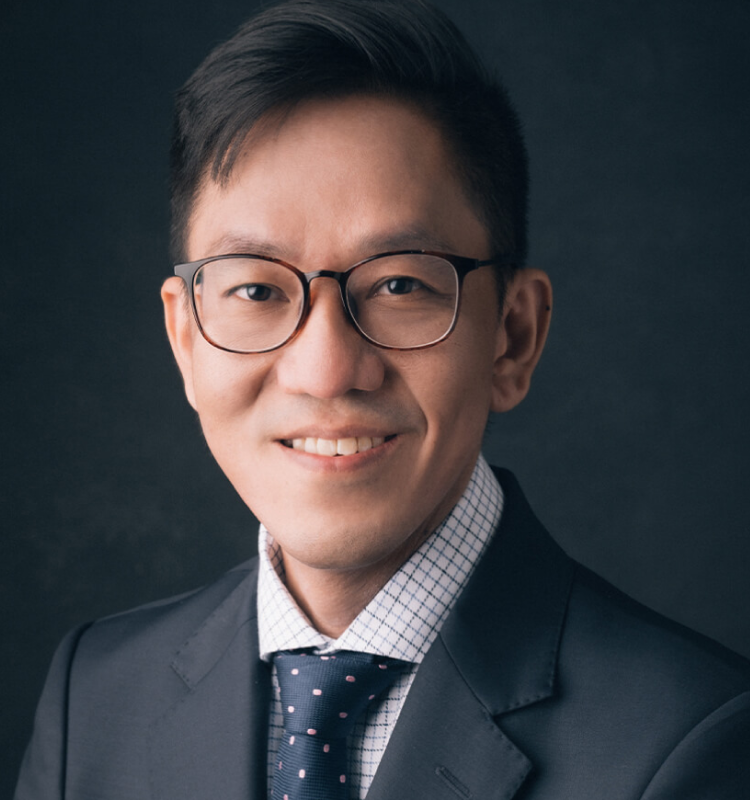
Dr. Wang Lushun - LS Wang Orthopaedics Clinic

Dr Wang Lushun

Senior Consultant Orthopaedic Surgeon

MBBS (Singapore)

MRCS (Edin)

MMed (Ortho)

FRCS (Ortho) (Edin)

Shoulder pain that worsens during lifting or rotation often indicates a biceps tendon injury, ranging from mild inflammation to a complete tear. These injuries typically manifest as a sudden pop or persistent aching at the front of the shoulder, affecting both athletes and those with sedentary lifestyles. This guide explores the diverse treatment pathways available in Singapore, from conservative physiotherapy to surgical repair, to help you restore shoulder function.

Dr. Wang Lushun - LS Wang Orthopaedics Clinic
Whisk_0672164b7f1e04dbd14429bfb43b3617dr Whisk_0672164b7f1e04dbd14429bfb43b3617dr

What is a Biceps Tendon Injury?

A biceps tendon injury refers to damage affecting the tendons that attach your biceps muscle to the shoulder or elbow. The biceps muscle has two tendons at the shoulder—the long head and short head—with the long head being frequently injured. This tendon runs through the shoulder joint and attaches to the top of the shoulder socket (glenoid, the curved part of your shoulder blade that forms the socket). This position makes it vulnerable to wear and injury.


Biceps tendon injuries exist on a spectrum. Tendinitis involves inflammation and irritation of the tendon, often from repetitive overhead movements. Tendinosis describes chronic degeneration where the tendon develops microscopic tears and weakens over time. Partial tears involve damage to some tendon fibres whilst maintaining overall continuity. Complete tears, also called ruptures, occur when the tendon separates entirely from the bone.


These injuries commonly occur alongside other shoulder conditions, such as rotator cuff tears (damage to the group of muscles and tendons that stabilise your shoulder) and shoulder impingement (a condition where tendons become compressed during shoulder movement). The biceps tendon often becomes damaged as a secondary issue when other shoulder structures fail to function properly. Activities involving repetitive overhead motions increase injury risk, including swimming, tennis, and certain occupations. Age-related degeneration also plays a significant role.


Treatment for biceps tendon shoulder injury in Singapore can address both the immediate damage and any underlying conditions contributing to the problem.

Patients Who May Benefit

Patients who may benefit from biceps tendon injury treatment typically present with:

  • Persistent anterior shoulder pain (pain at the front of the shoulder) lasting more than several weeks despite rest
  • Pain that worsens with overhead activities or lifting
  • Noticeable weakness when bending the elbow or rotating the forearm
  • A visible or palpable “Popeye” deformity (a bulge in the upper arm caused by the muscle bunching up), indicating complete tendon rupture
  • Clicking or snapping sensations in the shoulder during movement
  • Night pain that disrupts sleep
  • Athletes or workers requiring shoulder function for their activities
  • Patients with confirmed tendon damage on MRI or ultrasound imaging (diagnostic imaging tests that create detailed pictures of the soft tissues inside your shoulder)
  • Individuals who have not responded adequately to initial conservative measures (non-surgical treatments such as rest, ice, and physiotherapy)

Younger, active patients with acute tears (recent injuries) may benefit from earlier intervention, as prompt treatment can support tissue healing and functional recovery. Older patients with chronic conditions (long-lasting injuries) may also experience improvement with appropriate treatment selection.

Contraindications

Certain factors may affect treatment suitability or require modified approaches:

  • Active infection in or around the shoulder joint
  • Uncontrolled diabetes affects wound healing
  • Severe osteoporosis (a condition where bones become weak and fragile), compromising bone quality for tendon fixation
  • Significant medical conditions increase surgical risks
  • Unrealistic expectations about outcomes or inability to comply with rehabilitation (the structured exercise and recovery programme following treatment)
  • Advanced arthritis (joint damage causing pain and stiffness) requires different treatment approaches
  • Current use of blood thinners requires careful perioperative management (special care before, during, and after surgery)

A thorough assessment by a qualified orthopaedic surgeon (a doctor who specialises in treating bones, joints, and related tissues) determines an appropriate treatment pathway, considering your specific injury pattern, overall health, activity demands, and personal goals for recovery.

Treatment Techniques & Approaches

Conservative (Non-Surgical) Management

Many biceps tendon injuries, particularly tendinitis and partial tears, may respond to non-surgical treatment. This approach typically serves as the first line of management.

Activity modification forms the foundation of conservative care. Avoiding movements that aggravate symptoms allows the tendon to heal. Your orthopaedic surgeon may recommend avoiding overhead reaching, heavy lifting, and repetitive arm movements for several weeks.

Anti-inflammatory medications may help reduce pain and swelling during the acute phase. Physiotherapy plays a role—targeted exercises can strengthen the rotator cuff and scapular muscles (the muscles around your shoulder blade) to reduce stress on the biceps tendon. Corticosteroid injections may provide temporary relief for persistent inflammation, used judiciously due to potential tendon-weakening effects.


Biceps Tenodesis

Biceps tenodesis involves detaching the damaged portion of the biceps tendon from its original attachment and reattaching it to a new location on the humerus (upper arm bone). This procedure eliminates the damaged tendon segment whilst aiming to preserve biceps function and cosmetic appearance.

Surgeons perform tenodesis using either arthroscopic (keyhole) or open techniques. The tendon can be fixed using various methods, including:

  • Interference screws
  • Suture anchors (small devices that hold tissue to bone)
  • Bone tunnels

The procedure may be considered for:

  • Active patients
  • Those concerned about cosmetic deformity
  • Individuals with concurrent shoulder conditions requiring surgical attention
Biceps Tenotomy

Biceps tenotomy involves releasing the damaged biceps tendon from its attachment without reattaching it elsewhere. The tendon retracts down the arm, and the short head of the biceps compensates for the released long head.

This procedure may offer a quicker recovery with fewer restrictions compared to tenodesis. It may suit older, less active patients who prioritise rapid return to function over maximum strength and cosmetic appearance. Tenotomy may result in a visible “Popeye” deformity (a bulge in the lower part of the upper arm) and mild strength reduction in forearm rotation.

Technology & Equipment Used

Biceps tendon surgery often utilises arthroscopic technology, allowing surgeons to visualise and treat injuries through small incisions. High-definition cameras and specialised instruments enable precise tendon work with minimal tissue disruption.

Fixation devices provide secure tendon attachment during healing. Interference screws and suture anchors are commonly used for this purpose. Some surgeons employ ultrasound guidance for diagnostic and therapeutic injections, aiming for accurate placement.

Wondering which treatment approach may suit your biceps tendon injury?

Our orthopaedic surgeon can evaluate your specific condition and discuss appropriate options based on your injury pattern, activity level, and goals.

The Treatment Process

Pre-Treatment Preparation

Your treatment journey begins with a thorough evaluation. Your orthopaedic surgeon will take a detailed history of your symptoms, including when they started, what makes them better or worse, and how they affect your daily activities.

Physical examination assesses shoulder range of motion, strength, and specific tests that stress the biceps tendon. The Speed’s test and Yergason’s test help identify biceps tendon problems. Other movements evaluate the rotator cuff and other shoulder structures.

Imaging studies confirm the diagnosis and reveal the extent of injury:

  • X-rays rule out bone abnormalities and arthritis
  • MRI scanning provides detailed images of the biceps tendon, showing inflammation, partial tears, or complete ruptures
  • Ultrasound offers assessment of the tendon during movement

If surgery is recommended, pre-operative preparation may include blood tests and possibly cardiac evaluation for older patients. You’ll receive instructions about fasting, medication adjustments, and what to bring on surgery day. Arranging help at home for the initial recovery period can assist in your recovery.

During the Procedure

Surgical treatment typically occurs as a day surgery procedure. You’ll receive either general anaesthesia (medication that puts you fully asleep) or regional anaesthesia with an interscalene nerve block (an injection that numbs the shoulder and arm whilst you remain sedated but breathing independently).

For arthroscopic procedures (minimally invasive surgery using a small camera), the surgeon creates several small incisions around the shoulder. A camera inserted through one opening displays images on a monitor. Instruments through other openings perform the repair. The surgeon first addresses any concurrent problems, such as rotator cuff tears or labral damage (tears in the cartilage rim of the shoulder socket).

For tenodesis, the surgeon releases the long head of the biceps tendon from its attachment. The frayed portion is removed, and the healthy tendon is secured to the humerus (upper arm bone) using the chosen fixation method. For tenotomy, the surgeon releases the tendon. Procedure duration varies depending on the complexity.

Immediate Post-Treatment

Following surgery, you’ll spend time in the recovery area as the anaesthesia wears off. The nerve block typically provides pain control for an initial period. You’ll receive prescriptions for pain medication and instructions for managing discomfort once the block resolves.

Your arm will be placed in a sling for protection and comfort. The surgical team will review wound care instructions, signs of complications to watch for, and activity restrictions. Most patients return home the same day once they’re comfortable, alert, and have passed basic recovery criteria.

Initial follow-up appointments check wound healing and begin the rehabilitation process. Clear communication lines are established, should any concerns arise during your early recovery.

Recovery & Aftercare

First 24-48 Hours

The immediate post-operative period focuses on comfort and protection. Keep your arm in the sling as instructed, typically at all times except for specific exercises. Apply ice to the shoulder for 15-20 minutes several times daily to reduce swelling.

Pain management involves taking prescribed medications on schedule rather than waiting for severe pain. A nerve block (a type of anaesthetic that temporarily numbs the area) will wear off gradually—this is normal and expected. Elevating your hand above your heart can help minimise swelling.

Watch for warning signs requiring immediate attention

  • Fever above 38°C (100.4°F)
  • Increasing redness or drainage from incisions
  • Severe pain uncontrolled by medication
  • Numbness or weakness beyond what’s expected from the nerve block

Begin gentle finger, wrist, and elbow movements to maintain circulation and prevent stiffness. Avoid lifting anything heavier than a cup of coffee with the affected arm.

First Week

The first week establishes your recovery foundation. Sling use continues as directed—typically for 4-6 weeks, depending on the procedure performed and surgeon preference. Change wound dressings according to instructions, keeping incisions clean and dry.

Your initial physiotherapy appointments begin, focusing on passive range of motion exercises (the therapist moves your arm for you whilst you keep your muscles relaxed). This approach aims to prevent stiffness without stressing the repair. Pendulum exercises—letting your arm hang and swing gently—typically start early.

Sleep may be challenging. Many patients find reclining in a chair or using pillows to prop themselves semi-upright more comfortable than lying flat. Continue ice application to manage swelling.

Follow-up with your surgeon around 7-10 days post-operatively allows wound assessment and suture removal if non-dissolvable sutures were used.

Long-term Recovery

Recovery timelines vary based on the procedure performed and individual factors. Your surgeon will set specific milestones based on your procedure, healing progress, and personal health factors. General milestones include:

Weeks 2-6:

  • Gradual progression of passive and assisted range of motion exercises
  • Sling weaning typically occurs during this phase
  • Light daily activities (such as typing, light meal preparation, or personal grooming) resume progressively

Weeks 6-12:

  • Active range of motion exercises (where you move your arm yourself) begin once healing confirms the repair is secure
  • Strengthening exercises start gradually
  • Driving typically resumes when comfortable and safe

Months 3-6:

  • Progressive strengthening continues with increasing resistance
  • Return to desk work usually occurs within this timeframe
  • Light recreational activities may resume with guidance

Beyond 6 months: Your surgeon determines return to sports and heavy manual work individually based on strength, function, and the demands of specific activities

Physiotherapy remains important throughout recovery. Your rehabilitation programme progresses through phases designed to restore motion, rebuild strength, and return you to function. Adherence to your exercise programme can support recovery, though results vary among patients based on individual health factors.

Consult with our orthopaedic surgeon to discuss post-procedure monitoring and support options for biceps tendon treatment recovery.

Benefits of Biceps Tendon Injury Treatment

Outcomes differ among patients based on individual health factors, particularly when appropriate surgical candidates proceed with repair and comply with rehabilitation protocols. Addressing biceps tendon injuries may offer advantages for patients:

Checkmark Icon
Pain relief

Treatment may reduce or eliminate the pain at the front of the shoulder that is characteristic of biceps tendon injuries.

Checkmark Icon
Restored function

Patients may regain the ability to perform overhead activities, lifting, and daily tasks without discomfort.

Checkmark Icon
Improved strength

Surgical repair may help preserve biceps power for activities requiring elbow bending and forearm rotation.

Checkmark Icon
Improved sleep

Resolving night pain may improve sleep quality and overall well-being.

Checkmark Icon
Return to activities

Athletes and active individuals may resume sports and exercise following recovery.

Checkmark Icon
Cosmetic preservation

Tenodesis, a surgical procedure that reattaches the tendon to the bone, may help maintain normal arm contour, avoiding the "Popeye" deformity, a visible bulge in the upper arm.

Checkmark Icon
Treatment of concurrent conditions

Surgical intervention allows simultaneous addressing of rotator cuff tears, damage to the muscles and tendons that stabilise the shoulder, or other shoulder problems.

Checkmark Icon
Prevention of progression

Early treatment may help prevent further tendon damage and potential rupture, which is complete tearing.

Checkmark Icon
Long-term joint health

Addressing biceps problems may help reduce abnormal shoulder movement patterns that could contribute to arthritis development.

Common Side Effects

All surgical procedures carry some inherent effects during the recovery period. These typically resolve with time and proper care:

  • Swelling and bruising around the shoulder and upper arm may last several weeks.
  • Stiffness can occur during the immobilisation and early rehabilitation phases (the period when your arm is kept still,l and you begin movement exercises).
  • Mild numbness around incision sites (the areas where the surgeon made cuts) may develop from small skin nerve irritation.
  • Temporary weakness can appear as the tendon heals and muscles recover from surgery.
  • Mild aching or discomfort may occur with weather changes or heavy use, particularly in the first year.

These effects are expected parts of recovery and gradually improve with healing and rehabilitation.

Rare Complications

Less common but more significant complications can occur:

  • Infection: May occur in some cases. Healthcare providers treat it with antibiotics. It rarely requires further surgery.
  • Nerve injury: Temporary or permanent numbness or weakness may develop from nerve irritation during surgery. Most cases resolve spontaneously.
  • Fixation failure: The tendon may pull away from the bone if you stress it before healing. This occurs more commonly with early aggressive activity.
  • Continued pain: Some patients experience persistent discomfort despite technically successful surgery.
  • Stiffness: Prolonged immobilisation or inadequate physiotherapy may result in restricted motion (reduced ability to move your shoulder normally).
  • Blood clots: Deep vein thrombosis (when a blood clot forms in a vein, usually in the leg) is rare but possible. Early mobilisation (getting moving soon after surgery) may help reduce risk.

Choose a qualified healthcare professional specialising in orthopaedic surgery. Follow post-operative instructions carefully. Complete your rehabilitation programme to help minimise complication risks. Maintain open communication with your surgical team about any concerns to allow prompt identification and management of any issues that arise.

Whisk_8913f52849db222945a47b99b4a8d7f6dr Whisk_8913f52849db222945a47b99b4a8d7f6dr

Cost Considerations

Several factors influence the cost of biceps tendon injury treatment in Singapore:

  • Treatment type: Conservative management (non-surgical treatments such as rest, medication, and physiotherapy) costs less than surgical intervention. Tenotomy (where the damaged tendon is released) is typically less expensive than tenodesis (where the tendon is reattached to bone).
  • Surgical technique: Arthroscopic procedures (minimally invasive surgery using small incisions and a camera) may have different costs than open surgery (traditional surgery with larger incisions).
  • Implants and fixation devices: The type and number of screws, anchors, or other hardware affect costs.
  • Concurrent procedures: Addressing rotator cuff tears or other conditions simultaneously adds to surgical time and implant costs.
  • Facility type: Public hospital subsidised rates differ from private hospital or ambulatory surgery centre pricing.
  • Anaesthesia requirements: Regional anaesthesia (numbing a specific area) versus general anaesthesia (putting you to sleep) have different associated costs.
  • Rehabilitation needs: Post-operative physiotherapy requirements differ among patients.

Treatment typically includes surgeon’s fees, facility charges, anaesthesia fees, implant costs, and post-operative care. A detailed quotation following your consultation provides clarity on expected expenses for your specific situation.

Your orthopaedic surgeon (a qualified healthcare professional who specialises in bones, joints, and muscles) can discuss the various treatment options and their relative costs, helping you make decisions aligned with both your medical needs and practical considerations.

Frequently Asked Questions

How do I know if my biceps tendon is torn or just inflamed?
Accordion Arrow Icon

Distinguishing between tendinitis (inflammation of the tendon), partial tears, and complete ruptures requires professional evaluation. Complete ruptures often present with a sudden “pop” during activity, immediate pain followed by relief, bruising down the arm, and a visible “Popeye” deformity (where the biceps muscle bunches up). Tendinitis and partial tears cause more gradual onset pain, tenderness at the front of the shoulder, and pain with overhead activities. Physical examination combined with MRI or ultrasound imaging (which creates detailed pictures of the tendon) confirms the diagnosis and guides treatment decisions. Treatment differs significantly based on injury type and severity, making an accurate diagnosis essential.

Can a biceps tendon injury heal without surgery?
Accordion Arrow Icon

Many biceps tendon injuries may heal without surgery, particularly tendinitis and some partial tears. Conservative treatment (non-surgical approaches) with activity modification, anti-inflammatory medication, and physiotherapy can be effective for numerous patients. Complete tears rarely heal on their own due to the tendon’s poor blood supply and the muscle’s tendency to retract the torn end. The decision between surgical and non-surgical treatment depends on your injury type, activity level, age, and functional demands. Your doctor can recommend an appropriate approach based on your specific situation and goals. Some patients with complete tears function adequately without repair, whilst others—particularly younger, active individuals—may benefit from surgical intervention.

What is the difference between tenodesis and tenotomy?
Accordion Arrow Icon

Both procedures address a damaged biceps tendon but differ in approach and outcomes. Tenodesis involves detaching the tendon, removing the damaged portion, and reattaching the healthy tendon to the humerus (upper arm bone). This aims to preserve biceps function and maintain normal arm contour. Tenotomy releases the tendon without reattachment, offering faster recovery and fewer restrictions, but may result in some strength loss and a cosmetic “Popeye” deformity. Your surgeon can recommend an appropriate procedure based on your age, activity level, cosmetic concerns, and functional needs.

How long will I need to wear a sling after biceps tendon surgery?
Accordion Arrow Icon

Sling requirements vary based on the procedure performed and your surgeon’s protocol. For tenotomy, sling use is typically brief—often just for comfort during the first week or two. Tenodesis requires longer protection, usually several weeks, to allow the tendon to heal securely to the bone. During this time, you’ll remove the sling for specific exercises as guided by your physiotherapist. Premature discontinuation of sling use may stress the repair before adequate healing occurs. Follow your surgeon’s specific instructions, as protocols may vary based on fixation technique and individual factors.

When can I return to sports after biceps tendon surgery?
Accordion Arrow Icon

Return to sports follows a graduated timeline based on healing and functional recovery. Low-impact activities (such as walking and stationary cycling) typically resume within the first few weeks. Swimming and light gym work may begin after several months. Sports involving throwing, racquet use, or heavy overhead activities require several months of recovery. Contact sports and heavy weight training may require an extended recovery period. Your specific timeline depends on the procedure performed, your sport’s demands, and your progress through rehabilitation milestones, including range of motion, strength, and sport-specific function. Your surgeon and physiotherapist guide your return based on objective criteria rather than arbitrary timeframes.

Will I have a scar after biceps tendon surgery?
Accordion Arrow Icon

Surgical scars depend on the technique used. Arthroscopic procedures (where the surgeon uses a small camera and instruments inserted through tiny incisions) create several small scars around the shoulder. Open surgery results in a longer incision located on the front of the shoulder or upper arm, depending on the specific procedure. Scars typically fade significantly over time. Your surgeon uses techniques to minimise scarring, and proper wound care during healing can support optimal cosmetic outcomes. For most patients, final scars are well-concealed and of minimal cosmetic concern.

Is biceps tendon surgery painful?
Accordion Arrow Icon

Pain management techniques can make biceps tendon surgery manageable for many patients. Interscalene nerve blocks (where medication is injected near nerves to temporarily block pain signals) can provide pain control for the first day following surgery. Once the block wears off, oral pain medications can help control discomfort for most patients. The first few days are typically the most uncomfortable, with pain progressively decreasing thereafter. Most patients report that post-operative pain is less severe than they anticipated. Ice application, proper arm positioning, and staying ahead of pain with scheduled medication all help manage discomfort.

What happens if I don't treat a biceps tendon injury?
Accordion Arrow Icon

Untreated biceps tendon injuries have variable consequences. Tendinitis may resolve with rest, persist indefinitely, or progress to tendon tearing. Partial tears may remain stable, worsen over time, or progress to complete rupture. Complete tears in the long head of the biceps may result in some permanent strength loss and potential cosmetic deformity. Many patients—particularly older, less active individuals—function adequately despite the tear. Ongoing biceps tendon problems can contribute to shoulder dysfunction, altered mechanics, and potentially accelerate other shoulder conditions. Professional evaluation helps you understand your specific injury’s natural history and weigh treatment options accordingly. Consult your doctor to understand the risks and benefits of different approaches based on your individual circumstances.

Conclusion

Biceps tendon shoulder injury treatment in Singapore offers options for patients experiencing pain and dysfunction from this common condition. Whether your injury requires conservative management (non-surgical approaches such as rest, physiotherapy, and medications) or surgical intervention, treatment techniques can provide pathways to recovery and return to function.

Understanding your specific injury pattern, treatment options, and expected recovery timeline can help you make informed decisions about your care. The combination of accurate diagnosis, appropriate treatment selection, and rehabilitation can support recovery for patients with biceps tendon injuries.

If you're experiencing shoulder pain that may indicate a biceps tendon problem, seek a professional evaluation for timely diagnosis and treatment initiation. Early intervention may help prevent injury progression and support recovery.

Ready to Take the Next Step?

If you're experiencing shoulder pain from a suspected biceps tendon injury, consult Dr Wang Lushun to understand the cause and discuss appropriate treatment options.
Dr. Wang Lushun - LS Wang Orthopaedics Clinic

Dr Wang Lushun

Senior Consultant Orthopaedic Surgeon

MBBS (Singapore)

MRCS (Edin)

MMed (Ortho)

FRCS (Ortho) (Edin)

Internationally Recognised & Double Fellowship-Trained Surgeon With Over 18 Years of Experience

  • Bachelor of Medicine & Bachelor of Surgery (MBBS),
    National University of Singapore
  • Member of The Royal College of Surgeons (MRCS),
    Edinburgh, United Kingdom
  • Master of Medicine in Orthopaedic Surgery (MMed),
    National University of Singapore
  • Fellow of The Royal College of Surgeons in Orthopaedics and Traumatology (FRCS), Edinburgh, United Kingdom

As a Senior Consultant Orthopaedic Surgeon and former Head of the Hip and Knee Division in Ng Teng Fong Hospital, he has won awards for superior patient outcomes (value driven), service quality and enhanced recovery programmes. His patients include current and former national athletes and sporting professionals.

Why Choose

Dr Wang Lushun?

Trusted orthopaedic surgeon

Trusted

Leadership on Orthopaedic Advisory Boards

Skilful orthopaedic surgeon

Skilful

Double Fellowships at Centres of Excellence

Experienced consultant with over 18 years in orthopaedics

Experienced

Senior Consultant with Over 18 Years of Experience

Patient-Centred Orthopaedic Care

We are dedicated to your recovery and well-being. Every patient deserves the freedom that comes with active living. Whether you're an athlete sidelined by an injury or a weekend hobbyist desperate to return to your passion, our mission is to help you regain your mobility and independence.

Patient-Centred Orthopaedic Care
Personalised Approach For Positive Outcomes

Our clinic prioritizes time dedicated to understanding each patient’s injuries and needs. Dr Wang strongly believes that personalised care & patient management will lead to better outcomes & positive experiences.

Patient-Centred Orthopaedic Care
Minimally Invasive Techniques For Faster Recovery

Dr Wang’s extensive experience with minimally invasive procedures allows for less scarring, lower risk of complications and faster recovery compared to traditional surgical methods.

Patient-Centred Orthopaedic Care
Aftercare Focused On Restoring Mobility & Well-Being

As an avid sportsperson, Dr Wang understands the time and patience required to regain mobility and return to active living. After your procedure is completed, Dr Wang will make sure your recovery is smooth and comfortable.

Insurance

Great Eastern Insurance Aviva Insurance Prudential Insurance AXA Insurance AIA Insurance NTUC Income insurance

We accept all patients, with or without insurance plans. Additionally, we are on the specialist panels of these Health Networks/Insurance Plans. Please contact us if you have any queries and we will be happy to assist you in checking with your insurance provider.

Our Clinic Locations

lswang-homepage-desktop-contact-icon1-1
3 Mount Elizabeth, #13-14
Mount Elizabeth Medical Centre
Singapore 228510
lswang-homepage-desktop-contact-icon1-1
820 Thomson Road, Mount Alvernia Hospital, #05-51, Medical Centre D, Singapore 574623

    Full Name*

    Condition

    Your Message*

    For Faster Response, WhatsApp Us!

    8772‎ 6928