
Shoulder Arthritis Treatment in Singapore: A Complete Guide

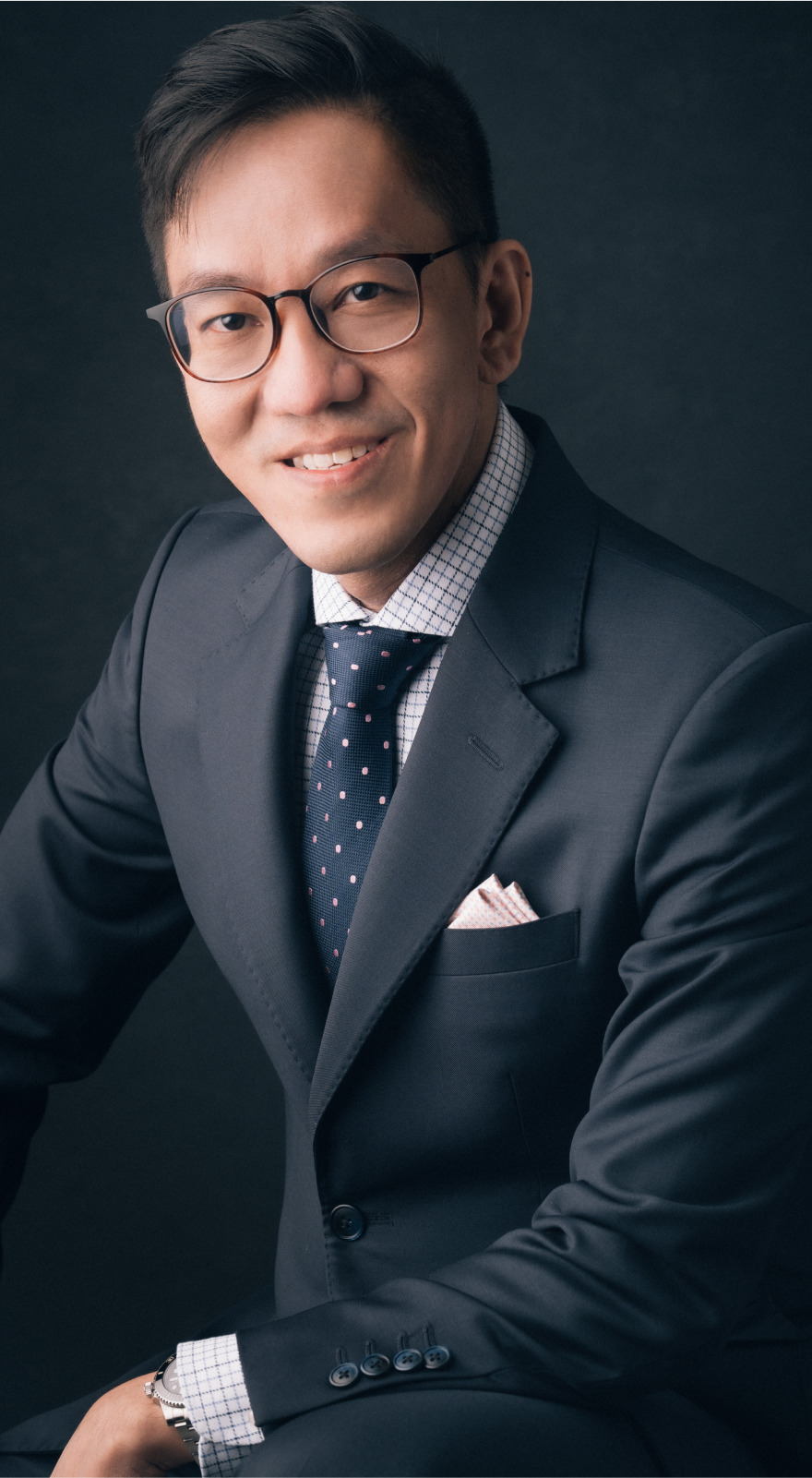
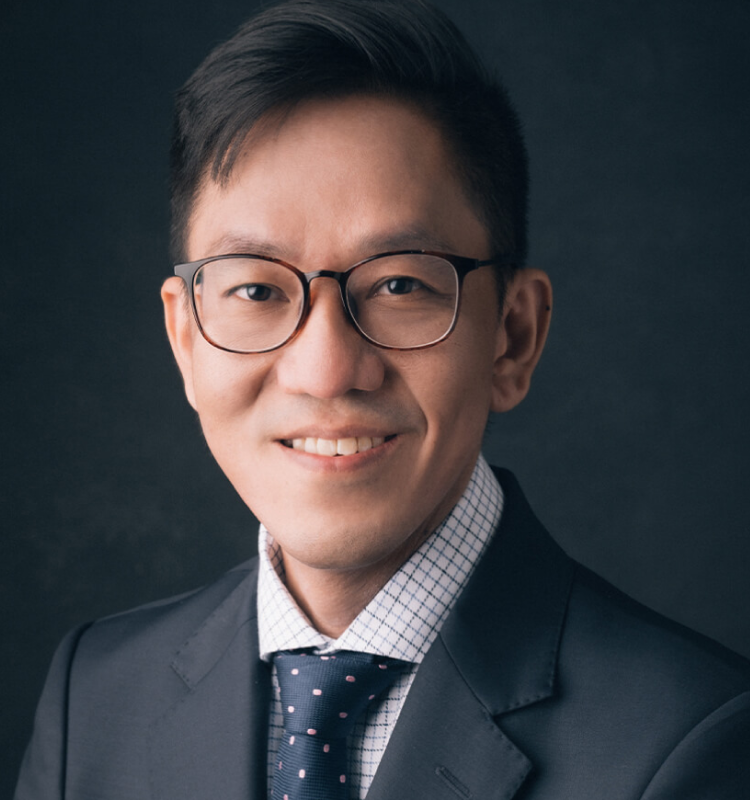
Dr. Wang Lushun - LS Wang Orthopaedics Clinic

Dr Wang Lushun

Senior Consultant Orthopaedic Surgeon

MBBS (Singapore)

MRCS (Edin)

MMed (Ortho)

FRCS (Ortho) (Edin)

Shoulder pain that worsens during lifting or rotation often indicates a biceps tendon injury, ranging from mild inflammation to a complete tear. These injuries typically manifest as a sudden pop or persistent aching at the front of the shoulder, affecting both athletes and those with sedentary lifestyles. This guide explores the diverse treatment pathways available in Singapore, from conservative physiotherapy to surgical repair, to help you restore shoulder function.

Dr. Wang Lushun - LS Wang Orthopaedics Clinic
Whisk_18e458edb4da2aa94554d79586cd9b7fdr Whisk_18e458edb4da2aa94554d79586cd9b7fdr

What is Shoulder Arthritis?

Shoulder arthritis refers to the progressive deterioration of cartilage within the shoulder joint, leading to pain, stiffness, and reduced mobility. The shoulder is a ball-and-socket joint. The head of the upper arm bone (humerus) fits into a shallow socket in the shoulder blade (scapula). This joint is lined with smooth cartilage that cushions bones and allows them to glide easily.

When arthritis develops, this cartilage gradually breaks down. As the protective cushioning wears away, the bones begin to contact each other directly. This causes inflammation, pain, and the formation of bone spurs (small, bony growths that develop along the edges of bones). Over time, this process can limit shoulder function.


There are several types of shoulder arthritis:

  • Osteoarthritis: Resulting from wear and tear over time
  • Rheumatoid arthritis: An autoimmune condition (where the body’s immune system mistakenly attacks its own tissues), causing joint inflammation
  • Post-traumatic arthritis: Developing after a shoulder injury or fracture
  • Rotator cuff tear arthropathy: Occurring when a large, long-standing rotator cuff tear (a rip in the group of muscles and tendons that stabilise the shoulder) leads to arthritis
  • Avascular necrosis: Resulting from an interrupted blood supply to the humeral head (the top of the upper arm bone), which causes bone tissue to die

Early diagnosis and appropriate treatment can help manage symptoms and maintain shoulder function.

Ideal Candidates

Treatment for shoulder arthritis may be appropriate if you experience:

  • Persistent shoulder pain lasting more than three months
  • Morning stiffness that improves with movement
  • Grinding or clicking sensations during shoulder movement
  • Decreased range of motion affecting daily activities
  • Pain that worsens with activity and improves with rest
  • Difficulty sleeping due to shoulder discomfort
  • Pain that has not responded to basic home remedies

Candidates who may respond well to treatment include:

  • Adults with degenerative changes
  • Individuals with confirmed arthritis on imaging studies, such as X-rays or MRI scans
  • Patients with realistic expectations about treatment outcomes
  • Those committed to participating in rehabilitation programmes
  • People whose quality of life is significantly affected by symptoms

Contraindications

Certain factors may affect treatment suitability or require modified approaches:

  • Active infection in or around the shoulder joint
  • Uncontrolled diabetes or other metabolic conditions, such as thyroid disorders or kidney disease
  • Severe osteoporosis (a condition where bones become weak and brittle) affects bone quality
  • Certain autoimmune conditions, such as rheumatoid arthritis or lupus, require stabilisation first
  • Significant cardiac or respiratory conditions, such as heart disease or chronic lung conditions, affect surgical candidacy
  • Current use of blood-thinning medications (temporary adjustment may be needed)
  • Unrealistic expectations about treatment outcomes

A thorough assessment by an orthopaedic surgeon (a doctor who specialises in treating bone, joint, and muscle conditions) is essential to determine an appropriate treatment pathway. This evaluation may include:

  • A physical examination
  • A review of your medical history
  • Imaging studies, such as X-rays or MRI scans, which create detailed pictures of the inside of your shoulder to help identify the extent of arthritis

Treatment Techniques & Approaches

Shoulder arthritis treatment in Singapore encompasses both non-surgical and surgical options. The appropriate approach depends on the severity of your condition, your activity level, and your treatment goals.

Non-surgical Management

For early to moderate shoulder arthritis, conservative treatment can often provide symptom relief:

  • Medications: Anti-inflammatory medications (drugs that reduce swelling and pain) can help reduce pain and swelling. Your doctor may recommend oral medications or topical applications, depending on your overall health and other medications you take.
  • Physiotherapy: A structured rehabilitation programme helps maintain the range of motion, strengthen supporting muscles, and improve joint stability. Physiotherapists (healthcare professionals who specialise in movement and physical function) use various techniques, including stretching exercises, strengthening routines, and manual therapy (hands-on techniques to improve joint and muscle function).
  • Activity Modification: Adjusting how you perform daily tasks can reduce stress on the affected joint. An occupational therapist can provide guidance on ergonomic modifications (changes to how you perform activities to reduce strain on your joints).
  • Injection Therapies: Corticosteroid injections (steroid medications injected directly into the joint) can provide temporary relief from inflammation and pain. Hyaluronic acid injections (a gel-like substance that acts as a lubricant) may help lubricate the joint and reduce friction.
Surgical Treatment Options

When conservative measures no longer provide adequate relief, surgical intervention may be considered. Your orthopaedic surgeon will determine the appropriate procedure based on your individual condition, age, activity level, and overall health:

  • Arthroscopic Debridement: This minimally invasive procedure (surgery performed through small incisions using a camera) involves removing loose cartilage fragments, bone spurs (extra bone growths), and inflamed tissue. Whilst it doesn’t reverse arthritis, it can provide temporary symptom relief for select patients.
  • Shoulder Replacement Surgery: For more severe arthritis, joint replacement may be considered. Options include:
  • Total shoulder replacement: Replacing both the ball and socket with prosthetic components (artificial parts).
  • Partial shoulder replacement (hemiarthroplasty): Replacing only the humeral head (the ball portion of the shoulder joint).
  • Reverse total shoulder replacement: A specialised design for patients with rotator cuff damage (torn or damaged muscles and tendons around the shoulder) alongside arthritis.
Technology & Equipment Used

Shoulder arthritis treatment utilises modern surgical technologies:

  • Arthroscopic cameras and instruments for minimally invasive procedures
  • Various prosthetic implant designs (artificial joint components) are suited to different patient needs
  • Computer-assisted planning for precise implant positioning
  • Implant materials, including metal alloys and medical-grade plastic

Wondering which approach is right for you?

An orthopaedic surgeon can evaluate your specific condition, discuss your goals, and recommend a suitable treatment technique tailored to your situation.

The Treatment Process

Pre-Treatment Preparation

Before beginning treatment, your orthopaedic surgeon will conduct a comprehensive evaluation:

Diagnostic Assessment:

  • Detailed medical history review
  • Physical examination assessing range of motion, strength, and pain patterns
  • X-rays to visualise joint space narrowing and bone changes
  • MRI scan (magnetic resonance imaging, which uses magnets to create detailed pictures of soft tissues) if soft tissue evaluation is needed
  • Blood tests to rule out inflammatory arthritis (conditions where the immune system attacks the joints) or infection

Pre-Surgical Preparation (if surgery is planned):

  • Cardiac and respiratory assessment to confirm you’re healthy enough for surgery
  • Dental clearance to minimise infection risk
  • Medication review and adjustments (particularly blood thinners)
  • Pre-operative physiotherapy to optimise shoulder function
  • Planning for post-operative support at home

Day Before Surgery:

  • Fasting instructions (typically no food or drink from midnight)
  • Skin preparation with an antiseptic wash
  • Confirmation of transport and home support arrangements
During the Procedure
  • For Arthroscopic Procedures (minimally invasive surgery using a small camera): The surgery typically takes 1 to 2 hours. Your surgeon makes small incisions around your shoulder. They insert a tiny camera and instruments through these openings. They then remove damaged tissue and smooth rough surfaces. Patients typically undergo general anaesthesia (medication that makes you unconscious during surgery), though regional anaesthesia (a nerve block that numbs only the shoulder area) may be used.
  • For Shoulder Replacement Surgery: The procedure takes approximately 2 to 3 hours. Your surgeon makes an incision at the front of your shoulder. They carefully remove the damaged cartilage and bone. They replace them with artificial components (prosthetic parts). They secure the implants either with bone cement or through press-fit techniques that allow bone to grow into the implant surface.

Throughout surgery, healthcare professionals continuously monitor your vital signs. Pain management begins during the procedure with local anaesthetic and nerve blocks to support comfort upon waking.

Immediate Post-Treatment

Recovery Room: Healthcare professionals will monitor you closely as anaesthesia wears off. They will assess your pain levels and provide medication as needed. The surgical team will check circulation, sensation, and movement in your arm.

Hospital Stay:

  • Arthroscopic procedures: Often same-day discharge or overnight observation
  • Shoulder replacement: Typically 1 to 2 days
  • Early mobilisation (gentle movement) begins within hours of surgery
  • Physiotherapy instruction on initial exercises

Discharge Requirements:

  • Pain is adequately controlled with oral medications
  • Able to perform basic self-care with one arm
  • Understanding of wound care and activity restrictions
  • Follow-up appointment scheduled

Recovery & Aftercare

Recovery from shoulder arthritis treatment requires patience and commitment to your rehabilitation programme. The timeline varies depending on the treatment type.

First 24-48 Hours

Pain Management: Some discomfort is normal and expected. Take prescribed pain medications (medicines that reduce pain and inflammation) as directed. Apply ice wrapped in cloth (not directly on skin) for short periods several times daily to reduce swelling.

Wound Care: Keep surgical dressings clean and dry. Do not remove dressings unless instructed. Watch for warning signs that may require immediate attention:

  • Fever above a certain threshold
  • Increasing redness
  • Unusual drainage (such as pus or excessive fluid from the wound)
  • Severe pain not relieved by medication

Activity Restrictions: Your arm will be in a sling for support and protection. Gentle finger, wrist, and elbow movements are encouraged to maintain circulation. Avoid lifting anything with the affected arm.

First Week

Daily Care Routine:

  • Continue wearing the sling as directed (typically for several weeks for replacement surgery)
  • Begin prescribed pendulum exercises (gentle swinging movements of the arm) to prevent stiffness
  • Attend first follow-up appointment (usually within the first couple of weeks post-surgery)
  • Wound check and possible suture removal

Physical Therapy Initiation:
Formal physiotherapy typically begins within the first week. Initial sessions focus on:

  • Passive range of motion exercises (your therapist gently moves your arm for you)
  • Gentle stretching to prevent adhesions (scar tissue that can limit movement)
  • Education on movement precautions

Healing Progress: Swelling and bruising are normal and will gradually subside. Sleep may be disrupted. Sleeping in a reclined position often helps. Driving is not permitted whilst wearing a sling or taking strong pain medications.

Long-term Recovery

Weeks 2-6:

  • Gradual transition from passive to active-assisted exercises (where you help move your arm with support)
  • Progressive strengthening begins around the early weeks
  • Sling use decreases as comfort and stability improve

Months 2-3:

  • Active range of motion exercises (where you move your arm independently)
  • Progressive resistance training
  • Return to light daily activities

Months 3-6:

  • Continued strengthening and conditioning
  • Gradual return to recreational activities
  • Patients may experience improvement during this period

Full Recovery: For shoulder replacement surgery, improvement typically occurs over several months to a year. Your doctor will set specific recovery goals tailored to your individual circumstances, age, overall health, and the extent of your arthritis. Long-term care includes:

  • Maintaining regular exercise to support joint health
  • Annual follow-up appointments with your surgeon
  • Activity modifications to protect the joint (avoiding high-impact sports)
  • Promptly reporting any new symptoms (such as increased pain, swelling, or difficulty moving your shoulder)

An orthopaedic surgeon can provide post-procedure support to monitor your recovery progress.

If you have questions about what to expect during recovery, schedule a consultation with your healthcare provider to discuss your individual treatment journey.

Benefits of Shoulder Arthritis Treatment

Response times vary depending on your specific condition. Your orthopaedic surgeon can discuss realistic expectations based on your specific condition and treatment plan. Appropriate treatment for shoulder arthritis can offer improvements in daily life:

Checkmark Icon
Pain Reduction

Patients may experience decreased shoulder pain, allowing for more comfortable daily activities and improved sleep.

Checkmark Icon
Improved Range of Motion

Treatment can help restore shoulder mobility, making it easier to reach, lift, and perform overhead tasks.

Checkmark Icon
Enhanced Function

Activities like dressing, grooming, cooking, and driving may become easier with reduced pain and improved movement.

Checkmark Icon
Better Sleep Quality

Reduced night pain can lead to more restful sleep and improved overall well-being.

Checkmark Icon
Increased Activity Levels

Patients may be able to return to recreational activities such as swimming, golf, and gardening.

Checkmark Icon
Reduced Medication Dependence

Treatment can decrease the need for pain medications.

Checkmark Icon
Improved Quality of Life

The combination of reduced pain and improved function can support better overall life satisfaction.

Common Side Effects

Understanding potential risks helps you make an informed decision and recognise any problems early. These temporary effects are expected and typically resolve with time:

  • Pain and Discomfort: Post-treatment pain is normal and managed with medications. It typically decreases within the first few weeks.
  • Swelling and Bruising: Common around the shoulder and may extend down the arm. This usually resolves within a few weeks.
  • Stiffness: Initial stiffness is expected and can improve with physiotherapy (physical therapy exercises that help restore movement and strength). Regular exercise is important for recovery.
  • Fatigue: General tiredness is common during the healing process. Your body is using energy to repair tissue.

Rare Complications

Whilst uncommon, more serious complications can occur:

  • Infection: Can occur in shoulder replacements. Preventive antibiotics and sterile technique help minimise this risk.
  • Blood Clots: Deep vein thrombosis (a blood clot that forms in a deep vein, usually in the leg) is possible, though less common in upper limb surgery. Early mobilisation helps prevent this.
  • Nerve Injury: Temporary numbness around the incision is common. Significant nerve damage is rare.
  • Implant Issues (for replacement surgery): Loosening, wear, or dislocation (when the artificial joint moves out of its normal position) may occur over time, potentially requiring revision surgery (a second operation to repair or replace the implant).
  • Stiffness (Frozen Shoulder): Excessive scar tissue can limit movement if rehabilitation is not followed properly.
  • Fracture: Bone around implants can fracture, though this is uncommon.

Your surgeon works to minimise the risk of complications through careful patient selection, meticulous surgical technique, appropriate infection prevention measures, and adherence to rehabilitation protocols. They will discuss your individual risk factors during your consultation.

Whisk_206eac9926d54ef913d4b7c6023ebb1cdr Whisk_206eac9926d54ef913d4b7c6023ebb1cdr

Cost Considerations

Several factors influence the cost of shoulder arthritis treatment in Singapore:

  • Type of Treatment: Non-surgical management costs differ from surgical procedures. Arthroscopic surgery (a minimally invasive procedure using a small camera and instruments inserted through tiny incisions) is generally less expensive than joint replacement.
  • Hospital Setting: Costs vary between public and private healthcare facilities.
  • Implant Selection: Different prosthetic designs (artificial joint components) and materials have varying costs.
  • Length of Hospital Stay: Shorter stays reduce overall costs.
  • Anaesthesia Requirements: The type and duration of anaesthesia (medication that prevents pain during surgery) affect costs.
  • Rehabilitation Needs: Post-operative physiotherapy sessions (guided exercises to restore movement and strength after surgery) contribute to the total treatment cost.
  • Diagnostic Tests: Pre-operative investigations such as X-rays, MRI (magnetic resonance imaging, which creates detailed images of soft tissues), and blood tests.

A typical treatment package may include:

  • Surgeon’s fees
  • Anaesthetist’s fees (charges from the doctor who administers anaesthesia)
  • Hospital charges (room, operating theatre, medications)
  • Implant costs (for surgical procedures)
  • Initial physiotherapy sessions
  • During your consultation, the medical team can provide a detailed cost estimate based on your specific treatment plan. Patients are encouraged to discuss financial considerations openly to plan appropriately.

Frequently Asked Questions

How do I know if my shoulder pain is caused by arthritis?
Accordion Arrow Icon

Shoulder arthritis typically presents with gradually worsening pain, stiffness (especially in the morning), grinding or clicking sensations during movement, and decreased range of motion. The pain often worsens with activity and improves with rest. Various conditions can cause shoulder pain, including rotator cuff problems (issues with the muscles and tendons that stabilise your shoulder), frozen shoulder, and tendinitis (inflammation of the tendons). An accurate diagnosis requires a physical examination and imaging studies such as X-rays (pictures of the inside of your shoulder). These can show characteristic signs of arthritis, including joint space narrowing and bone spur formation (extra bone growth at the edges of joints). If you’re experiencing persistent shoulder symptoms, consult an orthopaedic surgeon for proper evaluation.

Can shoulder arthritis be reversed?
Accordion Arrow Icon

Arthritis involves structural changes to the joint that cannot be reversed. Treatment aims to manage symptoms and maintain function. Non-surgical approaches can help patients live comfortably with arthritis. When conservative treatment is no longer sufficient, surgical options,s including shoulder replacement,nt can provide pain relief and functional improvement. Whilst not a reversal of the condition, these treatments can help patients return to activities they enjoy. Your healthcare provider will work with you to establish treatment goals based on your individual circumstances. These goals focus on minimising pain, maximising function, and maintaining quality of life.

How long does recovery take after shoulder replacement surgery?
Accordion Arrow Icon

Recovery occurs in stages and varies among patients based on individual health factors. Patients may notice pain improvement within the first few weeks after surgery. You typically wear the sling for several weeks. Return to light daily activities usually occurs around several weeks, though you should avoid lifting anything heavy during this time. Driving is generally possible once you’re off strong pain medications and can safely control a vehicle (usually within several weeks). Improvement typically occurs over several months to a year after surgery. Commitment to your physiotherapy programme can influence your recovery timeline and outcome.

Will I need to modify my activities after shoulder arthritis treatment?
Accordion Arrow Icon

Activity modification is an important aspect of managing shoulder arthritis, regardless of treatment approach. After conservative treatment, you may need to adjust how you perform certain tasks to reduce joint stress. Following shoulder replacement surgery, patients can often return to low-impact activities such as swimming, golf, and cycling. High-impact activities and heavy lifting are generally discouraged to protect the joint replacement and prolong its lifespan. Your surgeon and physiotherapist can provide specific guidance tailored to your treatment and individual circumstances.

What is the difference between total shoulder replacement and reverse shoulder replacement?
Accordion Arrow Icon

In a standard total shoulder replacement, healthcare professionals replace the ball-shaped top of your upper arm bone with a metal ball. They resurface the socket (the cup-shaped part of your shoulder blade) with a plastic component. This design relies on intact rotator cuff muscles (the muscles and tendons that stabilise your shoulder) to function properly. A reverse shoulder replacement reverses this configuration—healthcare professionals attach a metal ball to the socket and place a plastic cup on your upper arm bone. This design allows the deltoid muscle (the large muscle covering the top of your shoulder) to compensate for damaged or missing rotator cuff muscles. Reverse replacement is typically considered for patients who have both arthritis and significant rotator cuff damage.

How long do shoulder replacements last?
Accordion Arrow Icon

Modern shoulder replacements can function well over time, though outcomes differ among patients based on individual health factors. Factors that influence implant longevity include patient age, activity level, bone quality, and adherence to activity guidelines. Younger, more active patients may experience wear over time and could potentially require revision surgery (a procedure to replace worn components) in the future. Your surgeon can discuss realistic expectations based on your individual circumstances.

Is shoulder arthritis treatment painful?
Accordion Arrow Icon

Non-surgical treatments such as physiotherapy and injections involve minimal discomfort. For surgical procedures, modern pain management techniques help keep patients comfortable. Regional anaesthesia (nerve blocks that temporarily numb the nerves around your shoulder) can provide pain relief for an extended period after surgery. Healthcare professionals prescribe pain medications for the post-operative period. Patients typically find their discomfort manageable and steadily improving. Patients may report that post-surgical pain is less than the chronic pain they experienced before treatment. Your medical team prioritises your comfort throughout the treatment process.

When should I consider surgery for shoulder arthritis?
Accordion Arrow Icon

Healthcare professionals typically consider surgery when conservative treatments (non-surgical approaches such as medication, physiotherapy, and injections) no longer provide adequate relief. Indicators that surgery may be appropriate include:

– Persistent pain despite several months of non-surgical treatment
– Significant limitation in daily activities
– Difficulty sleeping due to shoulder pain
– X-ray findings showing moderate to severe joint damage

You and your surgeon make the decision for surgery collaboratively. This takes into account your symptoms, imaging findings, overall health, and personal goals. There is no specific “right time”—it depends on how much your symptoms affect your quality of life.

Conclusion

Shoulder arthritis can significantly impact your daily activities and quality of life, but treatment options are available. Conservative approaches include physiotherapy, where you work with a specialist to strengthen muscles and improve movement, as well as injections. Surgical solutions include shoulder replacement. These pathways can help reduce pain and restore function.

Understanding your condition, exploring appropriate treatment options, and working with healthcare professionals are key steps towards managing shoulder arthritis. With proper treatment and commitment to rehabilitation, patients may experience improvement in their symptoms. They may be able to return to activities they enjoy.

An important step is obtaining an accurate diagnosis and a personalised treatment plan from an orthopaedic surgeon. They can guide you through your options and support you throughout your treatment journey.

Ready to Take the Next Step?

If you're experiencing shoulder pain such as aching, stiffness, or difficulty moving your arm, that may be related to arthritis, consult Dr Wang Lushun to discuss your symptoms and explore appropriate treatment options.
Dr. Wang Lushun - LS Wang Orthopaedics Clinic

Dr Wang Lushun

Senior Consultant Orthopaedic Surgeon

MBBS (Singapore)

MRCS (Edin)

MMed (Ortho)

FRCS (Ortho) (Edin)

Internationally Recognised & Double Fellowship-Trained Surgeon With Over 18 Years of Experience

  • Bachelor of Medicine & Bachelor of Surgery (MBBS),
    National University of Singapore
  • Member of The Royal College of Surgeons (MRCS),
    Edinburgh, United Kingdom
  • Master of Medicine in Orthopaedic Surgery (MMed),
    National University of Singapore
  • Fellow of The Royal College of Surgeons in Orthopaedics and Traumatology (FRCS), Edinburgh, United Kingdom

As a Senior Consultant Orthopaedic Surgeon and former Head of the Hip and Knee Division in Ng Teng Fong Hospital, he has won awards for superior patient outcomes (value driven), service quality and enhanced recovery programmes. His patients include current and former national athletes and sporting professionals.

Why Choose

Dr Wang Lushun?

Trusted orthopaedic surgeon

Trusted

Leadership on Orthopaedic Advisory Boards

Skilful orthopaedic surgeon

Skilful

Double Fellowships at Centres of Excellence

Experienced consultant with over 18 years in orthopaedics

Experienced

Senior Consultant with Over 18 Years of Experience

Patient-Centred Orthopaedic Care

We are dedicated to your recovery and well-being. Every patient deserves the freedom that comes with active living. Whether you're an athlete sidelined by an injury or a weekend hobbyist desperate to return to your passion, our mission is to help you regain your mobility and independence.

Patient-Centred Orthopaedic Care
Personalised Approach For Positive Outcomes

Our clinic prioritizes time dedicated to understanding each patient’s injuries and needs. Dr Wang strongly believes that personalised care & patient management will lead to better outcomes & positive experiences.

Patient-Centred Orthopaedic Care
Minimally Invasive Techniques For Faster Recovery

Dr Wang’s extensive experience with minimally invasive procedures allows for less scarring, lower risk of complications and faster recovery compared to traditional surgical methods.

Patient-Centred Orthopaedic Care
Aftercare Focused On Restoring Mobility & Well-Being

As an avid sportsperson, Dr Wang understands the time and patience required to regain mobility and return to active living. After your procedure is completed, Dr Wang will make sure your recovery is smooth and comfortable.

Insurance

Great Eastern Insurance Aviva Insurance Prudential Insurance AXA Insurance AIA Insurance NTUC Income insurance

We accept all patients, with or without insurance plans. Additionally, we are on the specialist panels of these Health Networks/Insurance Plans. Please contact us if you have any queries and we will be happy to assist you in checking with your insurance provider.

Our Clinic Locations

lswang-homepage-desktop-contact-icon1-1
3 Mount Elizabeth, #13-14
Mount Elizabeth Medical Centre
Singapore 228510
lswang-homepage-desktop-contact-icon1-1
820 Thomson Road, Mount Alvernia Hospital, #05-51, Medical Centre D, Singapore 574623

    Full Name*

    Condition

    Your Message*

    For Faster Response, WhatsApp Us!

    8772‎ 6928