Shoulder Tendinitis Treatment in Singapore: A Guide

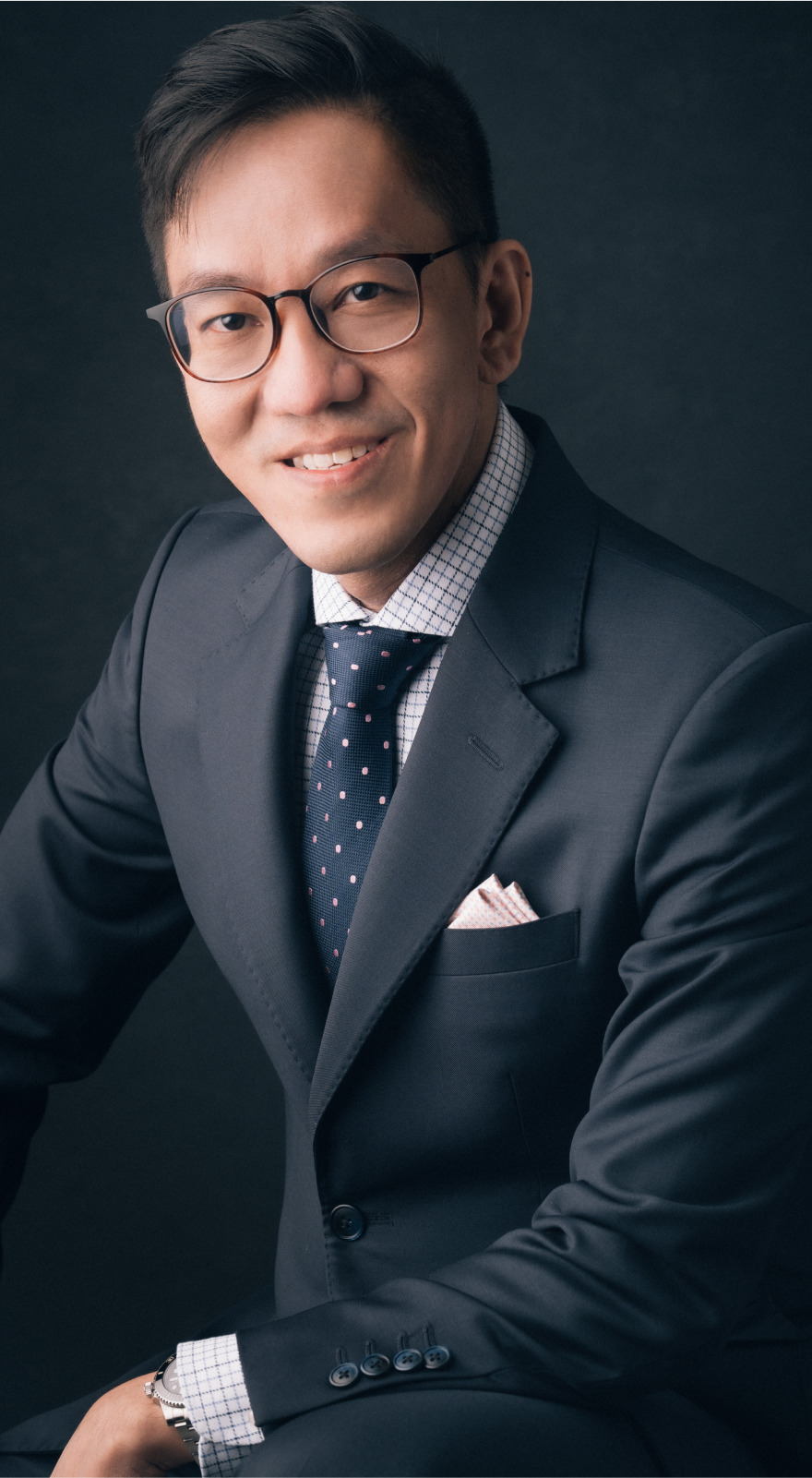
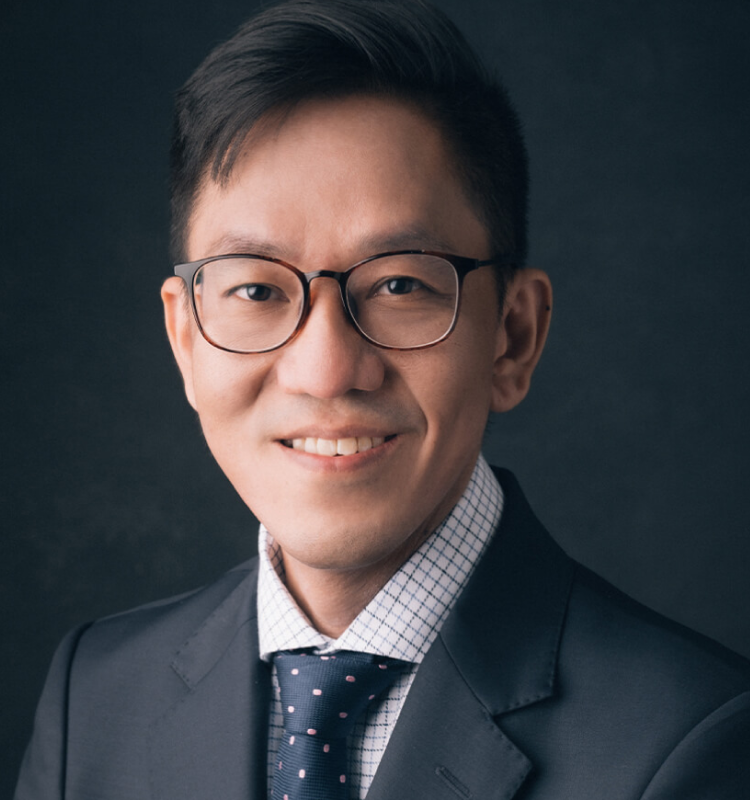
Dr. Wang Lushun - LS Wang Orthopaedics Clinic

Dr Wang Lushun

Senior Consultant Orthopaedic Surgeon

MBBS (Singapore)

MRCS (Edin)

MMed (Ortho)

FRCS (Ortho) (Edin)

Persistent shoulder pain during overhead reaching or while sleeping is often a sign of shoulder tendinitis, a condition in which the shoulder tendons become inflamed and painful. Common among active Singaporeans and those with physically demanding jobs, this inflammation can turn simple tasks like dressing or grooming into significant challenges. This guide explores the various treatments in Singapore to help you restore function and return to your daily routine.

Dr. Wang Lushun - LS Wang Orthopaedics Clinic
Whisk_6fb71b12fb5fa7dab1b49ded752b20b9dr Whisk_6fb71b12fb5fa7dab1b49ded752b20b9dr

What is Shoulder Tendinitis?

Shoulder tendinitis is inflammation affecting the tendons, the tough, cord-like tissues connecting your shoulder muscles to bone. The tendons, particularly those of the rotator cuff, can become irritated and swollen due to repetitive overhead movements, age-related changes, or injury. The condition causes pain, weakness, and restricted movement in the affected shoulder.


The rotator cuff comprises four muscles and their tendons that work together to stabilise the shoulder joint and enable arm movement. When these tendons become inflamed, the resulting condition is often called rotator cuff tendinitis or impingement syndrome, a condition where the tendon gets compressed under the shoulder bone. The supraspinatus tendon, located at the top of the shoulder, is frequently affected.


Shoulder tendinitis develops gradually in most cases. Repeated overhead activities—painting ceilings, swimming, or playing tennis- cause microscopic tears in the tendon fibres. These tears trigger an inflammatory response, the body’s natural healing process. Over time, this inflammation can lead to tendon thickening and further impingement under the bony roof of the shoulder (the acromion). Without treatment, the condition may progress to partial or complete tendon tears.


In Singapore, shoulder tendinitis commonly affects:

  • Office workers who maintain poor posture
  • Athletes involved in swimming, tennis, or badminton
  • Individuals whose occupations require repetitive overhead work


Early intervention may support recovery. Patients may respond to conservative treatment approaches, such as rest, physiotherapy, and medication.

Ideal Candidates

Patients who may benefit from shoulder tendinitis treatment typically present with:

  • Pain localised to the front or side of the shoulder that worsens with overhead activities
  • Symptoms present for more than two weeks without improvement from rest
  • Difficulty sleeping due to shoulder discomfort, especially when lying on the affected side
  • Weakness when lifting or rotating the arm
  • Previous episodes of shoulder pain that resolved but have returned
  • Willingness to participate actively in rehabilitation exercises
  • No significant structural damage visible on imaging studies (such as X-rays or MRIs)
  • Overall health that may support healing and recovery

Contraindications

Certain factors may influence treatment approach or require additional considerations:

  • Complete rotator cuff tears (full-thickness tears through the tendon) typically require surgical evaluation rather than conservative management alone
  • Active infection in or around the shoulder joint
  • Uncontrolled diabetes, which may impair healing and increase injection-related risks
  • Bleeding disorders or anticoagulant medication use (relevant for injection therapies)
  • Severe osteoporosis (a condition where bones become weak and brittle) affecting the shoulder bones
  • Referred pain from cervical spine conditions (neck problems causing shoulder pain) mimicking shoulder tendinitis
  • Frozen shoulder, also known as adhesive capsulitis (a condition where the shoulder becomes stiff and painful), presents with similar symptoms but requires different treatment
  • Allergies to medications commonly used in treatment

A thorough evaluation by qualified healthcare professionals is important for confirming the diagnosis and ruling out other conditions. Your specialist will assess your symptoms, examine your shoulder, and may order imaging studies to determine an appropriate treatment pathway tailored to your specific situation. Speak with your doctor about setting treatment targets based on your individual needs.

Treatment Techniques & Approaches

Conservative Management

Conservative management forms the foundation of care and typically includes a combination of approaches tailored to your specific needs.

  • Rest and Activity Modification: Reducing or eliminating activities that aggravate symptoms may allow the inflamed tendons to heal. This doesn’t mean complete immobilisation, which can lead to stiffness. Rather, it means avoiding overhead movements and heavy lifting during the acute phase (the initial period when symptoms are most severe).
  • Physiotherapy: Structured rehabilitation is central to shoulder tendinitis treatment in Singapore. A physiotherapist will guide you through exercises designed to restore range of motion, strengthen the rotator cuff muscles, and improve shoulder blade stability. Treatment typically progresses from gentle stretching to resistance exercises as symptoms improve.
  • Anti-inflammatory Medications: Non-steroidal anti-inflammatory drugs (NSAIDs—medications that reduce pain and swelling, such as ibuprofen) may help reduce pain and inflammation. These may be taken orally or applied topically. Your doctor will advise on appropriate use, considering your medical history and other medications.
Injection Therapies

When conservative measures provide insufficient relief, injection therapies offer additional treatment options.

  • Corticosteroid Injections: These deliver anti-inflammatory medication directly to the affected area. During the procedure, the doctor uses ultrasound imaging to guide a needle to the precise location and injects the medication. Whilst these can provide pain relief, repeated steroid injections are limited due to potential tendon weakening.
  • Platelet-Rich Plasma (PRP) Therapy: This treatment uses concentrated platelets from your own blood, which contain growth factors (proteins that may support tissue healing). The doctor draws a small blood sample, processes it to concentrate the platelets, and then injects this into the affected tendon under ultrasound guidance. It may be considered for patients who haven’t responded to other conservative treatments.
Surgical Intervention

Surgery may be considered when conservative treatment fails to provide adequate relief after several months or when imaging reveals significant structural damage.

  • Arthroscopic Surgery: This approach uses small incisions and a camera to visualise and treat the shoulder. The surgeon can remove inflamed tissue, create more space for the tendons by shaving bone (a procedure called subacromial decompression), and repair any tendon damage. Arthroscopic techniques generally result in less post-operative pain and faster recovery compared to open surgery.
  • Open Surgery: In complex cases or when extensive repair is needed, traditional open surgery may be recommended. This approach involves a larger incision that provides direct visualisation of the shoulder structures and may be necessary for large tendon tears.

Wondering which approach is right for you?

Our Orthopaedic Surgeon will evaluate your specific needs and recommend a suitable technique based on your individual circumstances.

The Treatment Process

Pre-Treatment Preparation

Your journey begins with an evaluation by an orthopaedic specialist. During your consultation, expect:

  • Diagnostic Assessment: Your doctor will take a detailed history of your symptoms, including onset, duration, aggravating factors, and previous treatments. A physical examination assesses shoulder range of motion, strength, and specific tests that help identify tendinitis and rule out other conditions.
  • Imaging Studies: Your doctor may order X-rays to evaluate bone structure and rule out arthritis or bone spurs. Ultrasound or MRI provides detailed images of the soft tissues, allowing your doctor to see the condition of your tendons and identify any tears.
  • Treatment Planning: Based on your evaluation, your specialist will discuss treatment options and create a personalised management plan tailored to your specific symptoms, lifestyle needs, and overall health.

If your doctor recommends surgery, pre-operative preparation includes:

  • Blood tests and medical clearance
  • Review of current medications (some may need to be stopped temporarily)
  • Fasting instructions for the day of surgery
  • Arranging post-operative support and transportation
During the Procedure
  • For Conservative Treatment: Physiotherapy sessions typically last less than an hour and occur several times weekly initially. Injection procedures take a brief period, including preparation and ultrasound guidance.
  • For Arthroscopic Surgery: Your surgeon performs the procedure under general anaesthesia (you’re asleep) or regional nerve block (the area is numbed). They make small incisions (approximately 5mm each) around the shoulder. The arthroscope (a small camera) provides magnified images of the interior on a screen. Your surgeon inserts surgical instruments through separate incisions to repair damaged tissue. Surgery duration varies depending on the complexity of repairs needed.
Immediate Post-Treatment
  • After Physiotherapy: You may experience temporary muscle soreness following exercises. Ice application and gentle movement may help manage any discomfort.
  • After Injections: The injection site may be sore for a brief period. You should avoid strenuous shoulder activity for a few days. Pain relief may become noticeable within days to weeks, depending on your individual response.
  • After Surgery: Healthcare staff will monitor you in the recovery area for several hours. Pain management includes medication and ice therapy. Surgeons commonly perform arthroscopic procedures as day surgery, with patients returning home the same day. Your arm will be in a sling for comfort and protection. Discharge instructions cover wound care, medication schedules, and warning signs to watch for.

Recovery & Aftercare

Recovery Period What to Expect:
First 24-48 Hours Immediately following treatment, focus on rest and pain management. For surgical patients:

  • Keep the surgical dressing clean and dry
  • Apply ice packs wrapped in cloth for a brief period several times daily to reduce swelling
  • Take prescribed pain medication as directed
  • Sleep in a semi-reclined position or on your back to protect your shoulder
  • Begin gentle finger, wrist, and elbow movements to maintain circulation


Contact your doctor if you experience severe pain not relieved by medication, fever, excessive swelling, or signs of wound infection (such as increased redness, warmth, or discharge from the surgical site).

First Week During the initial week of recovery:

  • Attend your scheduled follow-up appointment for a wound check and dressing change
  • Continue wearing the sling as instructed (typically for a few weeks, depending on the procedure)
  • Begin prescribed gentle pendulum exercises (slow, controlled circular movements of your arm) under physiotherapy guidance
  • Avoid lifting heavy objects with the affected arm
  • Manage pain with medication and ice as needed
  • Keep the incision sites dry until your doctor clears you


For non-surgical patients, maintain your physiotherapy programme and activity modifications. Patients may notice gradual improvement in symptoms during this period.

Long-term Recovery Recovery timelines vary based on treatment type and individual factors. Your doctor will establish specific goals and timelines based on your particular procedure, age, overall health, and lifestyle needs:


Conservative Treatment: Improvement may occur within several weeks to several months of consistent physiotherapy. Full recovery may take several months.

Post-Surgical Recovery:

  • Initial weeks: Protected healing phase with a gentle range of motion exercises
  • Following weeks: Progressive strengthening begins
  • Several months: Return to normal daily activities and light recreational activities
  • Extended period: Recovery, including return to sports and demanding physical activities


Consistent participation in your rehabilitation programme may support recovery. Your physiotherapist will progress your exercises as healing allows, building strength and restoring shoulder function.

To learn more about what to expect during your recovery, schedule a consultation with our orthopaedic surgeon

Benefits of Shoulder Tendinitis Treatment

Appropriate treatment for shoulder tendinitis may offer advantages:

Checkmark Icon
Pain Relief

Reduction in shoulder pain may improve daily comfort and quality of life

Checkmark Icon
Restored Function

Shoulder movement and strength may return for daily activities

Checkmark Icon
Improved Sleep

Resolution of night pain may allow restful, uninterrupted sleep

Checkmark Icon
Prevention of Progression

Early treatment may help prevent worsening to tendon tears or chronic damage

Checkmark Icon
Return to Activities

Resume work, sports, and recreational activities

Checkmark Icon
Avoiding Surgery

Patients may achieve outcomes through conservative treatment alone

Checkmark Icon
Enhanced Quality of Life

Freedom from persistent pain may improve mood and overall well-being

Checkmark Icon
Long-term Joint Health

Treatment and rehabilitation may help protect the shoulder from future problems. Patients who follow their treatment plan and complete rehabilitation may experience improvement. The combination of medical care and home exercise compliance may support recovery.

Common Side Effects

As with any medical treatment, shoulder tendinitis management carries some risks:

  • Physiotherapy: Temporary muscle soreness following exercises is normal and typically resolves within a day or two. Proper warm-up and gradual progression may help minimise discomfort.
  • Corticosteroid Injections: Temporary pain flare in the first day or two may occur in some patients. Skin discolouration or dimpling at the injection site may occur. These effects are generally temporary.
  • Surgery: Post-operative pain, swelling, and bruising are expected and managed with medication. Temporary shoulder stiffness during early recovery is normal and may improve with physiotherapy.

Rare Complications

Less common but potential risks include:

  • Infection at injection or surgical sites (risk minimised through sterile technique)
  • Nerve injury causing temporary numbness or weakness
  • Tendon weakening from repeated steroid injections
  • Incomplete symptom relief requiring additional treatment
  • Frozen shoulder development post-surgery (reduced through early mobilisation)
  • Blood clots (rare, and preventive measures are taken.
  • Allergic reactions to medications or anaesthesia

Choosing a qualified orthopaedic surgeon may minimise these risks. Following post-treatment instructions carefully may also help reduce risk. Your specialist will discuss specific risks relevant to your treatment plan during your consultation.

Whisk_a3d7ea449cb040382834fa3018606ec4dr Whisk_a3d7ea449cb040382834fa3018606ec4dr

Cost Considerations

Several factors influence the cost of shoulder tendinitis treatment in Singapore:

  • Type of treatment: Conservative management is generally less costly than surgical intervention
  • Diagnostic imaging requirements: MRI and ultrasound studies add to the overall costs
  • Number of physiotherapy sessions: Treatment typically requires multiple sessions for rehabilitation
  • Type of injections: PRP therapy typically costs more than corticosteroid injections
  • Surgical complexity: The extent of repairs needed affects operative time and costs
  • Choice of facility: Hospital versus clinic-based treatment
  • Anaesthesia requirements: General anaesthesia for surgical procedures

Treatment costs typically include consultation fees, diagnostic investigations, the procedure itself, post-treatment medications, and follow-up appointments. Physiotherapy sessions are usually charged separately per session.

For an accurate estimate tailored to your specific situation, schedule a consultation with a qualified healthcare provider. They can provide treatment recommendations and associated costs based on your individual assessment and health profile.

Frequently Asked Questions

How long does shoulder tendinitis take to heal?
Accordion Arrow Icon

Recovery time varies depending on the severity of your condition and chosen treatment approach. Mild cases treated conservatively may improve within several weeks. More significant tendinitis typically requires several months of consistent treatment and rehabilitation. Surgical cases generally need an extended period for recovery. Factors affecting healing include your age, overall health, compliance with physiotherapy, and whether you continue activities that aggravate the condition. Early treatment may support recovery.

Can I continue working during treatment?
Accordion Arrow Icon

Patients may continue working with modifications during conservative treatment. If your job involves heavy lifting or overhead work, you may need temporary duties during recovery. Desk-based workers typically continue with minor adjustments to workstation ergonomics. Following surgery, time off work varies from a short period for sedentary jobs to a longer period for physically demanding occupations. Your doctor can provide specific guidance based on your occupation, treatment plan, and individual recovery progress.

Is surgery always necessary for shoulder tendinitis?
Accordion Arrow Icon

No. Shoulder tendinitis cases may respond to conservative treatment, including physiotherapy, medication, and activity modification. Surgery is typically recommended only when conservative measures fail to provide relief after an appropriate trial period, or when imaging reveals significant structural damage such as large tendon tears. Your orthopaedic specialist will explore non-surgical options before recommending surgery.

How can I prevent shoulder tendinitis from recurring?
Accordion Arrow Icon

Prevention strategies include:

  • Maintaining posture, particularly if you work at a desk
  • Performing regular stretching and strengthening exercises for the rotator cuff and shoulder blade muscles
  • Avoiding repetitive overhead activities or taking frequent breaks if they’re unavoidable
  • Warming up properly before sports or physical activity
    Using correct technique during exercise and sports
  • Addressing any shoulder discomfort early before it worsens
What is the difference between tendinitis and a rotator cuff tear?
Accordion Arrow Icon

Tendinitis refers to inflammation of the tendon without structural damage to the tendon fibres. A rotator cuff tear involves actual tearing of the tendon, which can be partial (some fibres torn) or complete (all fibres torn through). Tendinitis may be a precursor to tears if left untreated. Symptoms can be similar, making imaging studies (such as ultrasound or MRI scans) important for accurate diagnosis. Treatment approaches differ, with tears more likely to require surgical repair, especially if complete. Your orthopaedic specialist can determine the nature of your condition through examination and imaging.

Are steroid injections safe for shoulder tendinitis?
Accordion Arrow Icon

Corticosteroid injections are generally safe when used appropriately. They may provide pain relief and help you participate more fully in physiotherapy. Repeated injections may weaken tendons over time. Injections are typically used as part of a treatment plan, not as a standalone therapy. Your doctor can discuss the benefits and limitations of injection therapy for your specific situation and monitor your response to treatment.

Will I regain full shoulder strength after treatment?
Accordion Arrow Icon

Patients may regain shoulder strength following treatment and rehabilitation. Recovery depends on consistent participation in your physiotherapy programme. Strengthening exercises progressively rebuild the rotator cuff muscles and restore shoulder stability. Complete recovery of strength typically takes an extended period for conservative treatment and a longer period following surgery. Your physiotherapist can guide you through each phase of rehabilitation based on your individual progress and recovery goals.

How do I know if my shoulder pain is tendinitis or something else?
Accordion Arrow Icon

Shoulder pain has potential causes, including tendinitis, bursitis (inflammation of fluid-filled cushions in the joint), frozen shoulders, such as stiffness and restricted movement, arthritis (joint inflammation and deterioration), and referred pain from the neck. Tendinitis typically causes pain with overhead activities, weakness when lifting, and discomfort when lying on the affected side. Accurate diagnosis requires professional evaluation. Your orthopaedic specialist will perform specific physical examination tests and may order imaging studies to determine the cause of your symptoms and recommend treatment.

Conclusion

Shoulder tendinitis is a common and treatable condition that need not limit your daily activities or quality of life. With proper diagnosis and appropriate treatment from a qualified orthopaedic specialist, patients may experience improvement in their symptoms—whether through conservative management, injection therapy, or surgical intervention when necessary.

Early intervention may support recovery. If you've been experiencing persistent shoulder pain, seeking professional evaluation allows you to understand your condition and begin appropriate treatment. An approach combining medical treatment with dedicated rehabilitation may offer the pathway to recovery and return to normal activities.

Taking action today may help prevent the progression of your condition and support you in regaining comfortable shoulder function.

Ready to Take the Next Step?

If you're considering treatment for shoulder tendinitis, Dr Wang Lushun can help you understand if it's a suitable choice for your needs. We provide personalised care throughout your journey from diagnosis to recovery.
Dr. Wang Lushun - LS Wang Orthopaedics Clinic

Dr Wang Lushun

Senior Consultant Orthopaedic Surgeon

MBBS (Singapore)

MRCS (Edin)

MMed (Ortho)

FRCS (Ortho) (Edin)

Internationally Recognised & Double Fellowship-Trained Surgeon With Over 18 Years of Experience

  • Bachelor of Medicine & Bachelor of Surgery (MBBS),
    National University of Singapore
  • Member of The Royal College of Surgeons (MRCS),
    Edinburgh, United Kingdom
  • Master of Medicine in Orthopaedic Surgery (MMed),
    National University of Singapore
  • Fellow of The Royal College of Surgeons in Orthopaedics and Traumatology (FRCS), Edinburgh, United Kingdom

As a Senior Consultant Orthopaedic Surgeon and former Head of the Hip and Knee Division in Ng Teng Fong Hospital, he has won awards for superior patient outcomes (value driven), service quality and enhanced recovery programmes. His patients include current and former national athletes and sporting professionals.

Why Choose

Dr Wang Lushun?

Trusted orthopaedic surgeon

Trusted

Leadership on Orthopaedic Advisory Boards

Skilful orthopaedic surgeon

Skilful

Double Fellowships at Centres of Excellence

Experienced consultant with over 18 years in orthopaedics

Experienced

Senior Consultant with Over 18 Years of Experience

Patient-Centred Orthopaedic Care

We are dedicated to your recovery and well-being. Every patient deserves the freedom that comes with active living. Whether you're an athlete sidelined by an injury or a weekend hobbyist desperate to return to your passion, our mission is to help you regain your mobility and independence.

Patient-Centred Orthopaedic Care
Personalised Approach For Positive Outcomes

Our clinic prioritizes time dedicated to understanding each patient’s injuries and needs. Dr Wang strongly believes that personalised care & patient management will lead to better outcomes & positive experiences.

Patient-Centred Orthopaedic Care
Minimally Invasive Techniques For Faster Recovery

Dr Wang’s extensive experience with minimally invasive procedures allows for less scarring, lower risk of complications and faster recovery compared to traditional surgical methods.

Patient-Centred Orthopaedic Care
Aftercare Focused On Restoring Mobility & Well-Being

As an avid sportsperson, Dr Wang understands the time and patience required to regain mobility and return to active living. After your procedure is completed, Dr Wang will make sure your recovery is smooth and comfortable.

Insurance

Great Eastern Insurance Aviva Insurance Prudential Insurance AXA Insurance AIA Insurance NTUC Income insurance

We accept all patients, with or without insurance plans. Additionally, we are on the specialist panels of these Health Networks/Insurance Plans. Please contact us if you have any queries and we will be happy to assist you in checking with your insurance provider.

Our Clinic Locations

lswang-homepage-desktop-contact-icon1-1
3 Mount Elizabeth, #13-14
Mount Elizabeth Medical Centre
Singapore 228510
lswang-homepage-desktop-contact-icon1-1
820 Thomson Road, Mount Alvernia Hospital, #05-51, Medical Centre D, Singapore 574623

    Full Name*

    Condition

    Your Message*

    For Faster Response, WhatsApp Us!

    8772‎ 6928