
Quadriceps Tendon Tears Specialist In Singapore

Dr. Wang Lushun - LS Wang Orthopaedics Clinic

Dr Wang Lushun

Senior Consultant Orthopaedic Surgeon

MBBS (Singapore)

MRCS (Edin)

MMed (Ortho)

FRCS (Ortho) (Edin)

  • Fellowship-trained orthopedic surgeon
  • Internationally recognised, more than 1500 surgeries performed

Dr. Wang Lushun - LS Wang Orthopaedics Clinic
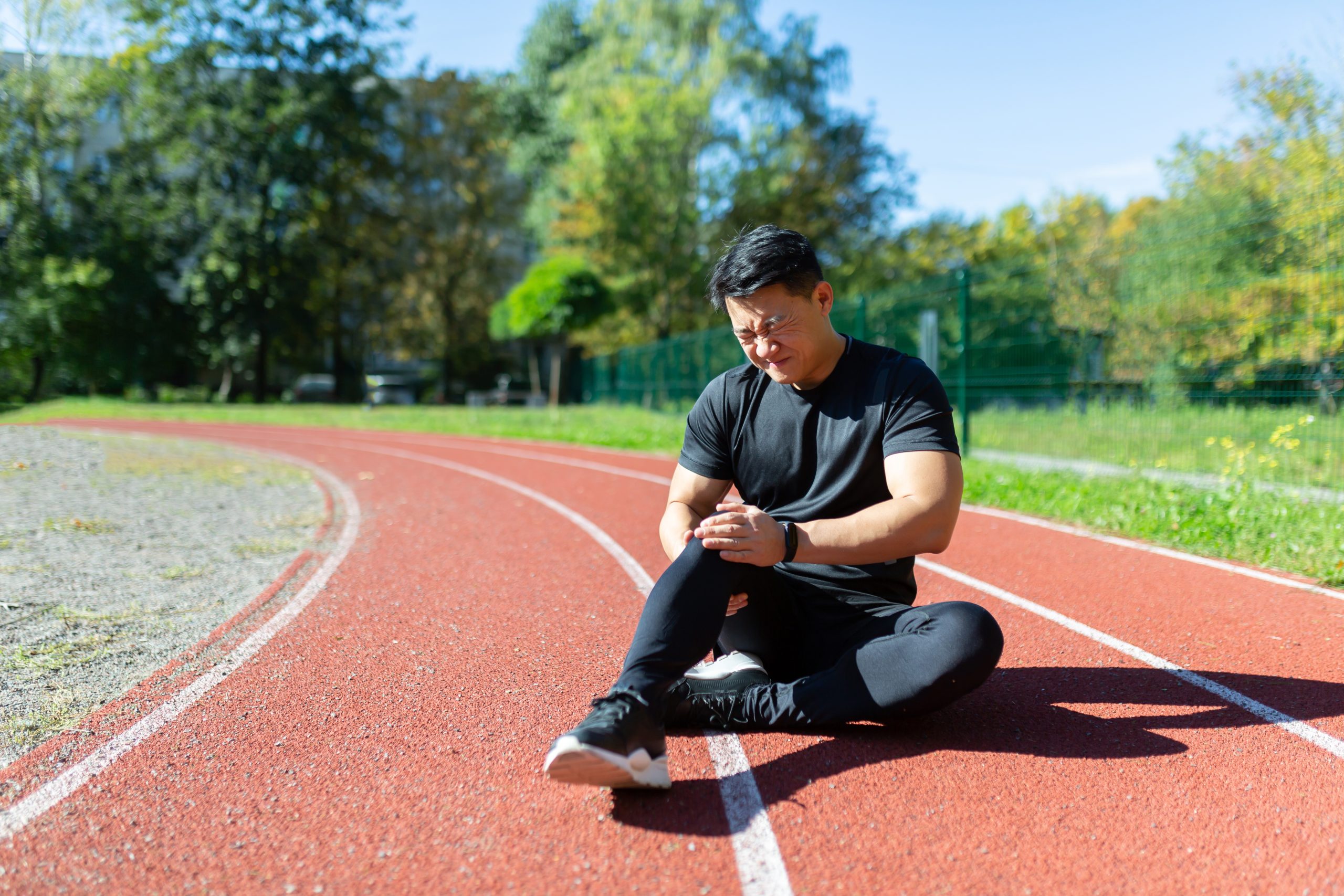
Sports injury at the stadium. A young Asian man is sitting on a treadm, holding his leg and knee Sports injury at the stadium. A young Asian man is sitting on a treadm, holding his leg and knee

What is Quadriceps Tendon Tears?

Quadriceps tendon tears are injuries in the tendon connecting the quadriceps muscle to the kneecap. This tendon enables walking, running, and jumping, and tears can significantly affect a person’s ability to straighten the knee and bear weight on the affected leg.


The severity of a quadriceps tendon tear can vary, with partial tears causing pain but allowing some knee function. In contrast, complete tears may result in a full loss of knee extension ability.

Anatomy of the Quadriceps Tendon

The quadriceps tendon connects the quadriceps muscle to the kneecap, and this muscle group includes four muscles at the front of the thigh, responsible for straightening the knee. 

The tendon is a strong, fibrous tissue that extends from these muscles over the kneecap and attaches to the shinbone. Despite its strength, the quadriceps tendon can be injured, especially with excessive force or wear over time.

Causes

Quadriceps tendon tears typically result from a combination of factors that put excessive stress on the tendon, such as:

Sudden, Forceful Impact

A direct blow to the knee or a forceful contraction of the quadriceps muscle can cause a tear.

Degenerative Changes

Over time, repetitive stress on the tendon can lead to wear and tear, making it more susceptible to injury. This is more common in middle-aged and older people.

Pre-Existing Conditions

Conditions such as tendinitis or systemic diseases like diabetes and rheumatoid arthritis, can weaken the tendon and increase the risk of a tear.

Physical Activity

Athletes and those engaged in sports that involve jumping or sudden changes in direction are at a higher risk due to the increased demand placed on the quadriceps tendon.

Symptoms

Checkmark Icon
Pain and Swelling

Immediate pain at the time of injury, often accompanied by swelling above the kneecap.

Checkmark Icon
Difficulty Straightening the Knee

A partial tear may result in pain when trying to straighten the knee, whereas a complete tear can make it impossible.

Checkmark Icon
A Tearing or Popping Sensation

Many people report feeling or hearing a tearing or popping sensation during injury.

Checkmark Icon
Visible Indentation

In cases of complete tears, there may be a noticeable gap at the top of the kneecap where the tendon has ruptured.

Checkmark Icon
Difficulty Walking

The inability to fully extend the knee can make walking difficult or impossible, especially in cases of a complete tear.

Are Your Symptoms Affecting Your
Quality Of Life?

Consult our double fellowship-trained orthopaedic surgeon for an accurate diagnosis and personalised treatment plan.

Diagnosis

Clinical Examination

The examination will focus on identifying swelling, bruising, and gaps in the tendon, along with assessing the knee’s range of motion and strength.

Imaging Tests
  • X-rays: Although X-rays do not show soft tissues like tendons, they can help rule out other issues, such as fractures.
  • Ultrasound: This imaging technique can visualise soft tissue structures and help identify tears in the quadriceps tendon.
  • MRI (Magnetic Resonance Imaging): MRI is the most detailed imaging test for diagnosing quadriceps tendon tears. It provides clear images of both soft tissue and bone, making it easier to determine the tear’s extent and precise location.

Non-Surgical Treatment

For patients with partial tears, non-surgical treatments focus on allowing the tendon to heal naturally while managing symptoms:

  • Rest: Avoid activities that strain the knee to prevent further injury.
  • Ice: Apply ice packs to the injured area several times daily to reduce swelling and pain.
  • Compression: Using an elastic compression bandage around the knee minimises swelling and provides support.
  • Elevation: Keep the injured leg above heart level when possible to decrease swelling.
  • Physical Therapy: Strengthening the muscles around the knee, restoring range of motion, and reducing the risk of future injuries.

Surgical Treatment

Surgical intervention is recommended for complete tears or when non-surgical treatments do not lead to improvement. 

  • Surgical Techniques: The procedure involves an incision above the knee to access the torn tendon. The torn ends of the tendon are then stitched back together and reattached to the patella.
  • Post-Surgical Care: After surgery, the knee is usually immobilised with a brace or cast to ensure proper tendon healing.

Rehabilitation Process

  • Physical Therapy
    Initially, therapy focuses on gentle range-of-motion exercises to prevent stiffness. Over time, the exercises become more rigorous and include strength and flexibility training.
  • Strength Training
    Exercises target the quadriceps and surrounding muscles, supporting knee stability and function.
  • Flexibility Exercises include stretching exercises
    To maintain muscle flexibility and joint mobility.
  • Gradual Return to Activity
    The timeline for returning to regular activities or sports varies.

Can I Use Medisave For My Treatment?

Yes, you can use funds from your Medisave account to offset the cost of your treatment.
Reach out to us today to learn more about payment options.

Factors Influencing Recovery

  • Severity of the Tear
    Complete tears, or those requiring surgery may have a longer recovery period.
  • Patient’s Age and Health
    Younger, healthier people may recover quicker than older adults or those with underlying health conditions.
  • Adherence to Rehabilitation Program
    Consistently following a rehabilitation program significantly impacts the recovery’s success.
Dr. Wang Lushun - LS Wang Orthopaedics Clinic

Dr Wang Lushun

Senior Consultant Orthopaedic Surgeon

MBBS (Singapore)

MRCS (Edin)

MMed (Ortho)

FRCS (Ortho) (Edin)

Internationally Recognised & Double Fellowship-Trained Surgeon With Over 18 Years of Experience

  • Bachelor of Medicine & Bachelor of Surgery (MBBS),
    National University of Singapore
  • Member of The Royal College of Surgeons (MRCS),
    Edinburgh, United Kingdom
  • Master of Medicine in Orthopaedic Surgery (MMed),
    National University of Singapore
  • Fellow of The Royal College of Surgeons in Orthopaedics and Traumatology (FRCS), Edinburgh, United Kingdom

As a Senior Consultant Orthopaedic Surgeon and former Head of the Hip and Knee Division in Ng Teng Fong Hospital, he has won awards for superior patient outcomes (value driven), service quality and enhanced recovery programmes. His patients include current and former national athletes and sporting professionals.

Why Choose

Dr Wang Lushun?

Trusted orthopaedic surgeon

Trusted

Leadership on Orthopaedic Advisory Boards

Skilful orthopaedic surgeon

Skilful

Double Fellowships at Centres of Excellence

Experienced consultant with over 18 years in orthopaedics

Experienced

Senior Consultant with Over 18 Years of Experience

Patient-Centred Orthopaedic Care

We are dedicated to your recovery and well-being. Every patient deserves the freedom that comes with active living. Whether you're an athlete sidelined by an injury or a weekend hobbyist desperate to return to your passion, our mission is to help you regain your mobility and independence.

Patient-Centred Orthopaedic Care
Personalised Approach For Positive Outcomes

Our clinic prioritizes time dedicated to understanding each patient’s injuries and needs. Dr Wang strongly believes that personalised care & patient management will lead to better outcomes & positive experiences.

Patient-Centred Orthopaedic Care
Minimally Invasive Techniques For Faster Recovery

Dr Wang’s extensive experience with minimally invasive procedures allows for less scarring, lower risk of complications and faster recovery compared to traditional surgical methods.

Patient-Centred Orthopaedic Care
Aftercare Focused On Restoring Mobility & Well-Being

As an avid sportsperson, Dr Wang understands the time and patience required to regain mobility and return to active living. After your procedure is completed, Dr Wang will make sure your recovery is smooth and comfortable.

Insurance

Great Eastern Insurance Aviva Insurance Prudential Insurance AXA Insurance AIA Insurance NTUC Income insurance

We accept all patients, with or without insurance plans. Additionally, we are on the specialist panels of these Health Networks/Insurance Plans. Please contact us if you have any queries and we will be happy to assist you in checking with your insurance provider.

Our Clinic Locations

lswang-homepage-desktop-contact-icon1-1
3 Mount Elizabeth, #13-14
Mount Elizabeth Medical Centre
Singapore 228510
lswang-homepage-desktop-contact-icon1-1
820 Thomson Road, Mount Alvernia Hospital, #05-51, Medical Centre D, Singapore 574623

    Full Name*

    Condition

    Your Message*

    For Faster Response, WhatsApp Us!

    8772‎ 6928


    Frequently Asked Questions (FAQs)

    Is it possible to fully recover from a quadriceps tendon tear?
    Accordion Arrow Icon

    With proper treatment and adherence to a rehabilitation program, most people can expect to regain the majority, if not all, of their knee function.

    How long does it typically take to recover from a quadriceps tendon tear?
    Accordion Arrow Icon

    Recovery time can vary widely, from a few months for minor or partial tears treated non-surgically to over a year for complete tears requiring surgery and extensive rehabilitation.

    Can quadriceps tendon tears recur?
    Accordion Arrow Icon

    People who have experienced a quadriceps tendon tear are at a slightly increased risk of re-injury, particularly if they return to high-impact activities without proper strength and flexibility.

    Are there any risks associated with surgery for quadriceps tendon tears?
    Accordion Arrow Icon

    As with any surgery, risks include infection, bleeding, and reactions to anaesthesia. Specific to quadriceps tendon repair, there’s also a risk of not regaining full knee function or stiffness. These risks are generally low, and surgery is often successful in restoring knee function.