
Managing different types of arthritis and synovitis by removing inflamed tissue or debris.
Knee Arthroscopy Specialist In Singapore

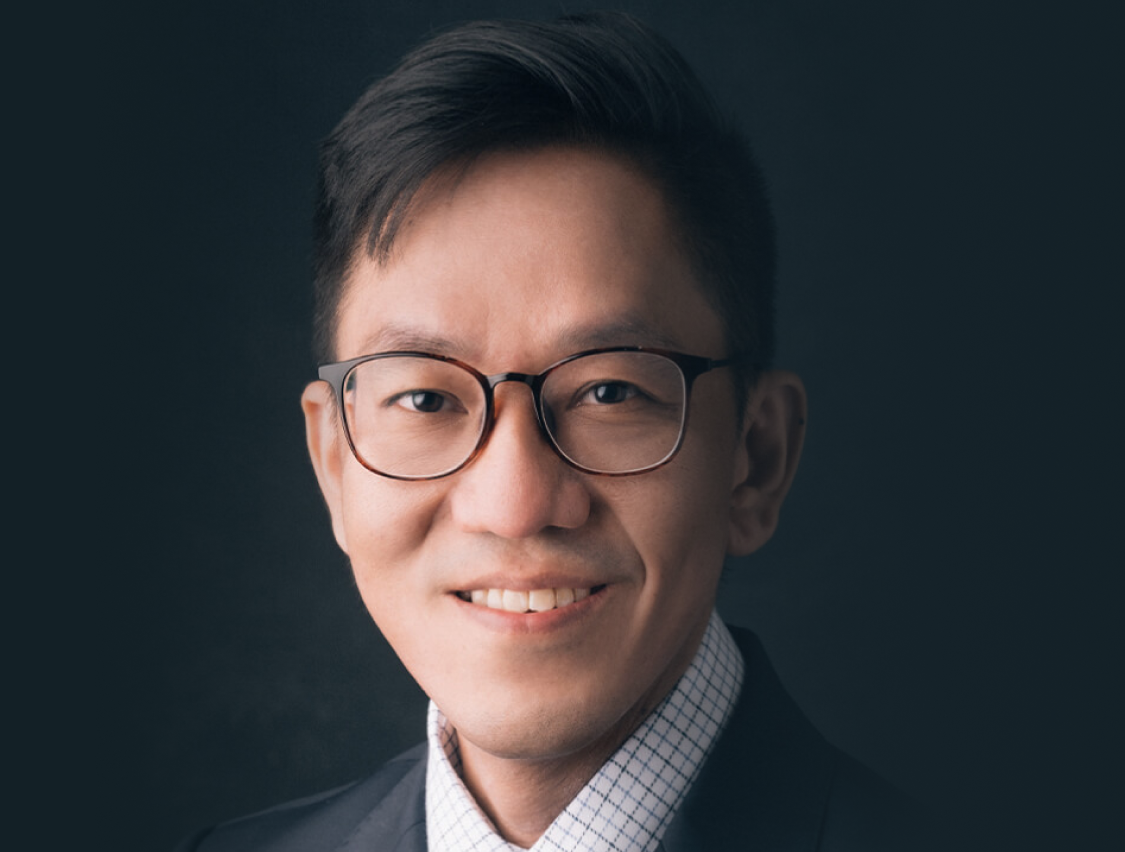
Dr Wang Lushun
Senior Consultant Orthopaedic Surgeon
MBBS (Singapore)
MRCS (Edin)
MMed (Ortho)
FRCS (Ortho) (Edin)
- Fellowship-trained orthopedic surgeon
- Internationally recognised, more than 1500 surgeries performed
What Is Knee Arthroscopy?
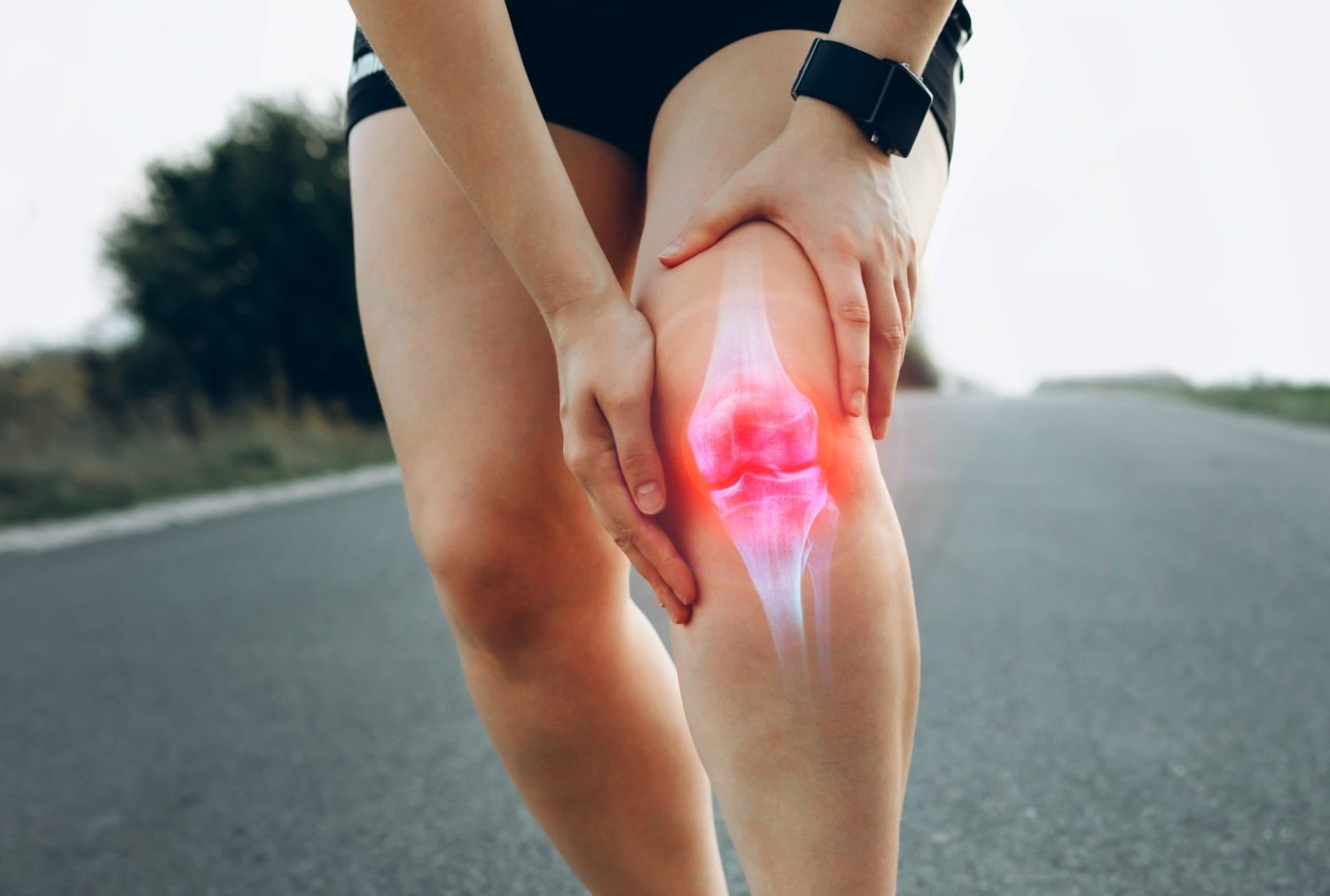
Knee arthroscopy is a surgical technique that enables orthopaedic surgeons to view the knee joint by making small incisions in the skin and other soft tissues.
It is performed with the aid of an arthroscope, a small instrument equipped with a lens and lighting system to illuminate and magnify the internal structures of the joint. The arthroscope and surgical instruments are inserted through small incisions, allowing the surgeon to examine the knee and, if necessary, correct the underlying issue.
Indications for Knee Arthroscopy
Knee arthroscopy is recommended for diagnosing and treating several knee joint conditions. Common indications for the procedure include:
Inflammatory conditions
Traumatic injuries
- Repairing or removing torn meniscal cartilage.
- Reconstructing torn anterior or posterior cruciate ligaments (ACL or PCL).
Degenerative conditions
Management of knee joint osteoarthritis following the ineffectiveness of minimally invasive interventions.
Other conditions
- Removal of loose bodies (fragments of bone or cartilage) within the knee joint.
- Treatment of kneecap problems such as malalignment.
- Evaluation and treatment of joint infections.
The Knee Arthroscopy Procedure
- Preparation
Before the surgery, the patient’s knee is cleaned and sterilised, and the area around the knee is covered with a sterile drape. A tourniquet might be applied to the upper portion of the leg to control bleeding during the procedure. - Making the Incisions
The surgeon makes small incisions around the knee joint and inserts the arthroscope through one of the incisions. Saline solution is often used to expand the joint area and create a clearer view for the surgeon. - Examination and Treatment
The surgeon examines the knee joint by viewing the images sent by the arthroscope to a monitor. If surgical treatment is needed, small instruments, such as scissors or lasers, are inserted through other incisions to repair or remove damaged tissue. - Closure
Once the examination and treatment are complete, the saline solution is drained from the knee, and the incisions are closed with stitches or small bandages.
The duration of the entire procedure is typically less than an hour and varies based on the specific findings and treatments. Recovery times can vary, with many patients able to return home on the same day.
Recovery and Rehabilitation
Since knee arthroscopy is minimally invasive, the recovery time is generally shorter than open knee surgery. The key recovery phases include:
Immediate Postoperative Care
- Pain management: Patients may experience mild to moderate pain and discomfort, which can be managed with prescribed or over-the-counter pain relief medications.
- Swelling reduction: Applying ice packs and elevating the leg can help reduce swelling and discomfort.
- Knee support: The knee may be immobilised with a brace or bandage to facilitate healing.
Early Rehabilitation
- Physical therapy: A rehabilitation program typically starts within a few days after surgery, and it includes exercises to improve knee mobility, strength, and flexibility.
- Gradual weight-bearing: Patients are often encouraged to use crutches or a walker to minimise knee stress.
Advanced Rehabilitation and Return to Activities
- Progressive exercises: As recovery progresses, exercises become more strenuous to further strengthen the knee and restore full function.
- Return to daily activities: Most patients can resume normal daily activities within a few weeks, though this can vary.
- Return to sports: Depending on the surgery’s extent and the sport’s physical demands, returning to sports may take several months.
Risks and Complications
Patients considering knee arthroscopy should be aware of these possible risks:
- Infection: Though rare, there is a risk of infection at the incision sites or within the knee joint.
- Blood clots: Surgery and immobility may increase the risk of developing blood clots in the veins of the leg, known as deep vein thrombosis.
- Damage to nerves or blood vessels: Instruments used during arthroscopy may inadvertently damage nearby nerves or blood vessels.
- Knee pain: Some patients may experience persistent knee pain after the procedure.
- Problems with knee function: In some cases, the knee may not recover its full range of motion, or there may be lingering issues with knee stability.
Are Your Symptoms Affecting Your
Quality Of Life?
Quality Of Life?
Consult our double fellowship-trained orthopaedic surgeon for an accurate diagnosis and personalised treatment plan.
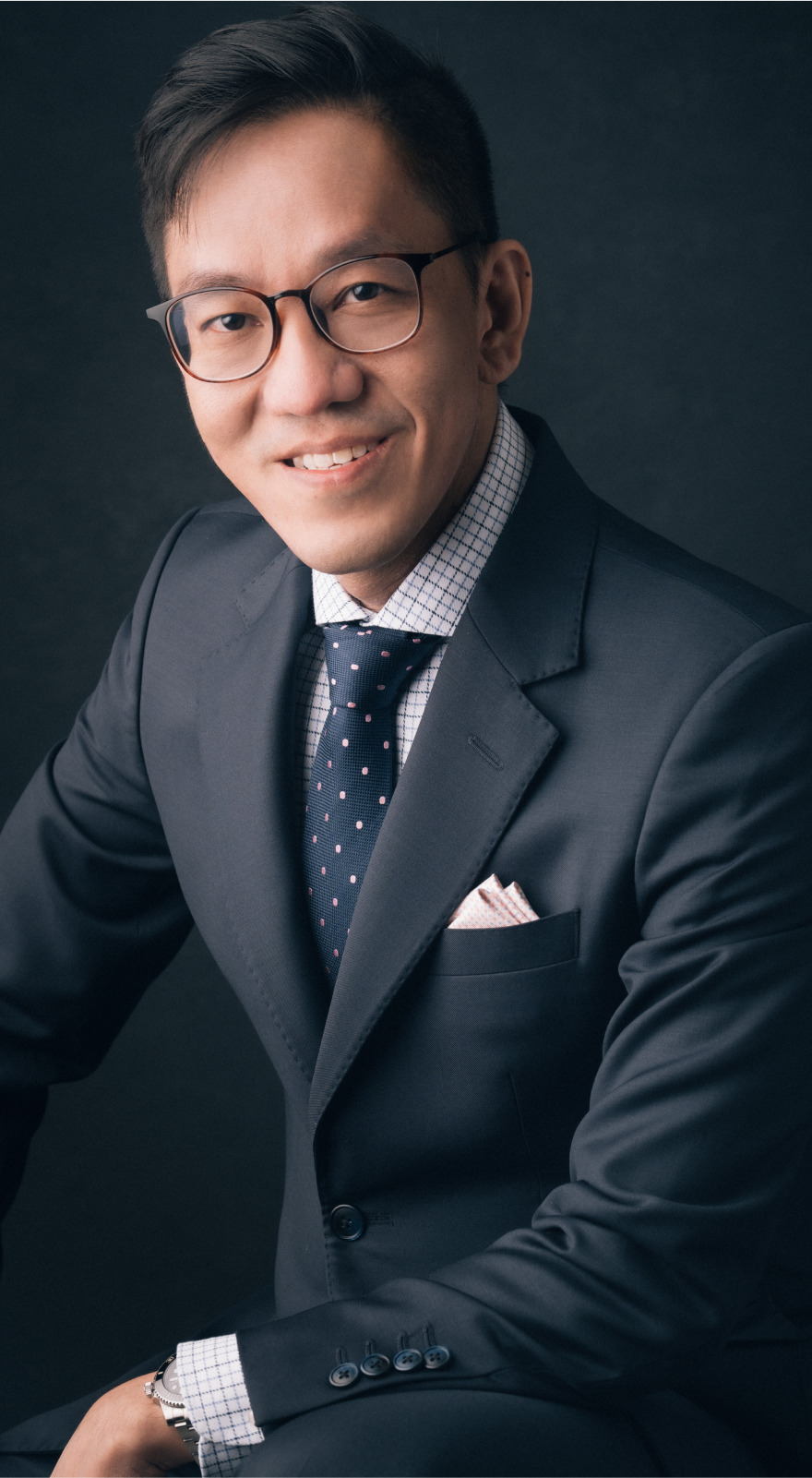
Dr Wang Lushun
Senior Consultant Orthopaedic Surgeon
MBBS (Singapore)
MRCS (Edin)
MMed (Ortho)
FRCS (Ortho) (Edin)
Internationally Recognised & Double Fellowship-Trained Surgeon With Over 18 Years of Experience
- Bachelor of Medicine & Bachelor of Surgery (MBBS),
National University of Singapore - Member of The Royal College of Surgeons (MRCS),
Edinburgh, United Kingdom - Master of Medicine in Orthopaedic Surgery (MMed),
National University of Singapore - Fellow of The Royal College of Surgeons in Orthopaedics and Traumatology (FRCS), Edinburgh, United Kingdom
As a Senior Consultant Orthopaedic Surgeon and former Head of the Hip and Knee Division in Ng Teng Fong Hospital, he has won awards for superior patient outcomes (value driven), service quality and enhanced recovery programmes. His patients include current and former national athletes and sporting professionals.
Why Choose
Dr Wang Lushun?

Trusted
Leadership on Orthopaedic Advisory Boards

Skillful
Double Fellowships at Centres of Excellence

Experienced
Senior Consultant with Over 18 Years of Experience
Can I Use Medisave For My Treatment?
Yes, you can use funds from your Medisave account to offset the cost of your treatment.
Reach out to us today to learn more about payment options.
Patient-Centred Orthopaedic Care
We are dedicated to your recovery and well-being. Every patient deserves the freedom that comes with active living. Whether you're an athlete sidelined by an injury or a weekend hobbyist desperate to return to your passion, our mission is to help you regain your mobility and independence.

Personalised Approach For Positive Outcomes
Our clinic prioritizes time dedicated to understanding each patient’s injuries and needs. Dr Wang strongly believes that personalised care & patient management will lead to better outcomes & positive experiences.

Minimally Invasive Techniques For Faster Recovery
Dr Wang’s extensive experience with minimally invasive procedures allows for less scarring, lower risk of complications and faster recovery compared to traditional surgical methods.

Aftercare Focused On Restoring Mobility & Well-Being
As an avid sportsperson, Dr Wang understands the time and patience required to regain mobility and return to active living. After your procedure is completed, Dr Wang will make sure your recovery is smooth and comfortable.
Insurance






We accept all patients, with or without insurance plans. Additionally, we are on the specialist panels of these Health Networks/Insurance Plans. Please contact us if you have any queries and we will be happy to assist you in checking with your insurance provider.
Our Clinic Locations

3 Mount Elizabeth, #13-14
Mount Elizabeth Medical Centre
Singapore 228510


820 Thomson Road, Mount Alvernia Hospital, #05-51, Medical Centre D, Singapore 574623
Frequently Asked Questions (FAQs)
Can I walk after knee arthroscopy?

Most patients can walk shortly after knee arthroscopy. Using crutches or a walker may be recommended for a few days or weeks to reduce the load on the knee during the initial recovery phase.
When can I drive after knee arthroscopy?
Patients can usually resume driving when they can bend their knee sufficiently to sit comfortably in a car, have adequate control of their leg for braking and accelerating, and are no longer taking narcotic pain medications. Depending on the person’s recovery, this can be as soon as 1-2 weeks after the procedure.
Can knee arthroscopy cure osteoarthritis?
Knee arthroscopy can alleviate symptoms associated with osteoarthritis, such as pain and stiffness, but it does not cure the condition. The procedure may be used to clean out loose bodies or trim damaged cartilage to improve joint function.
Is knee arthroscopy considered a permanent solution?
Knee arthroscopy can relieve certain knee problems, but it is not a permanent solution for all conditions. The durability of the outcomes depends on the underlying issue treated, the patient’s activities, and overall joint health.