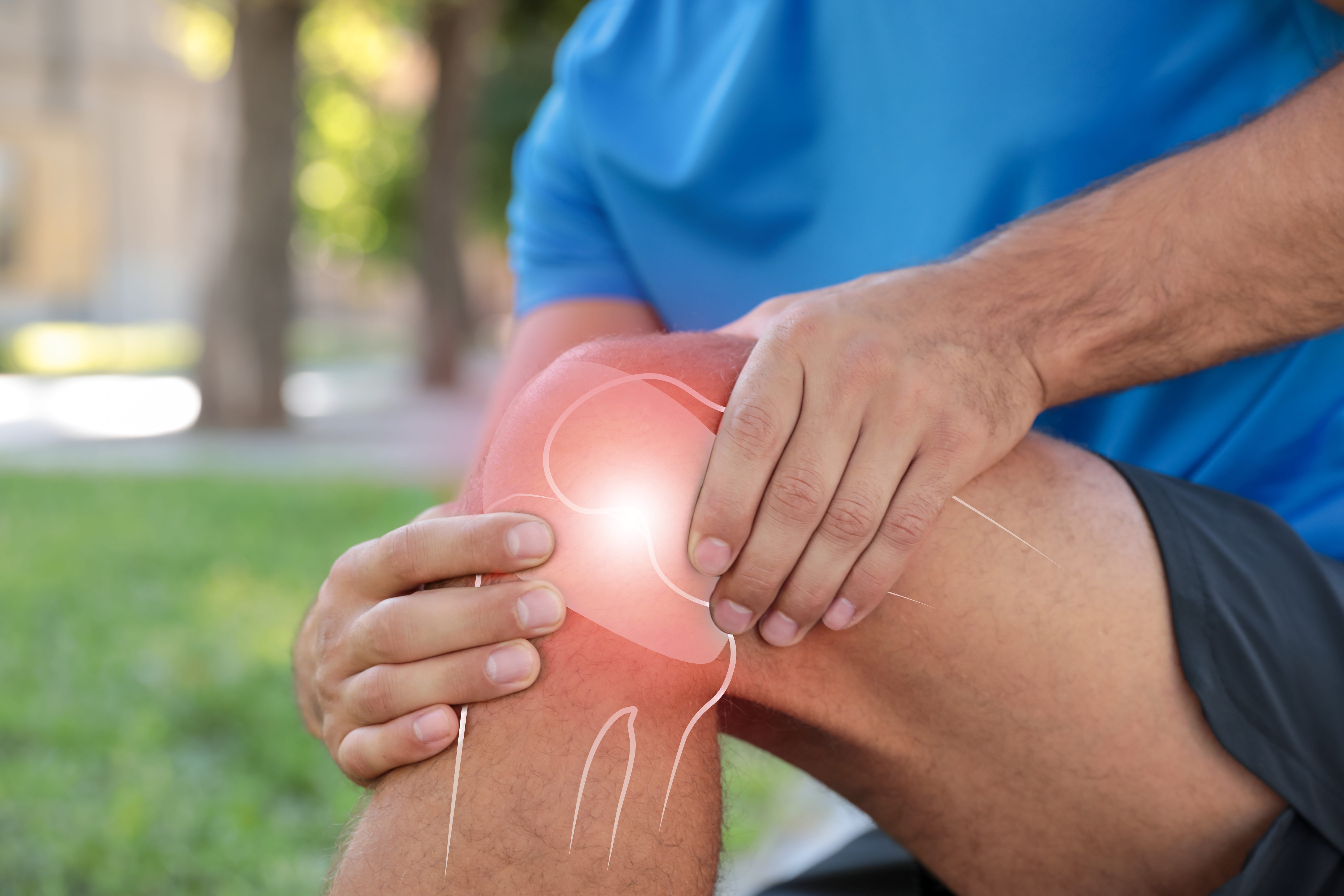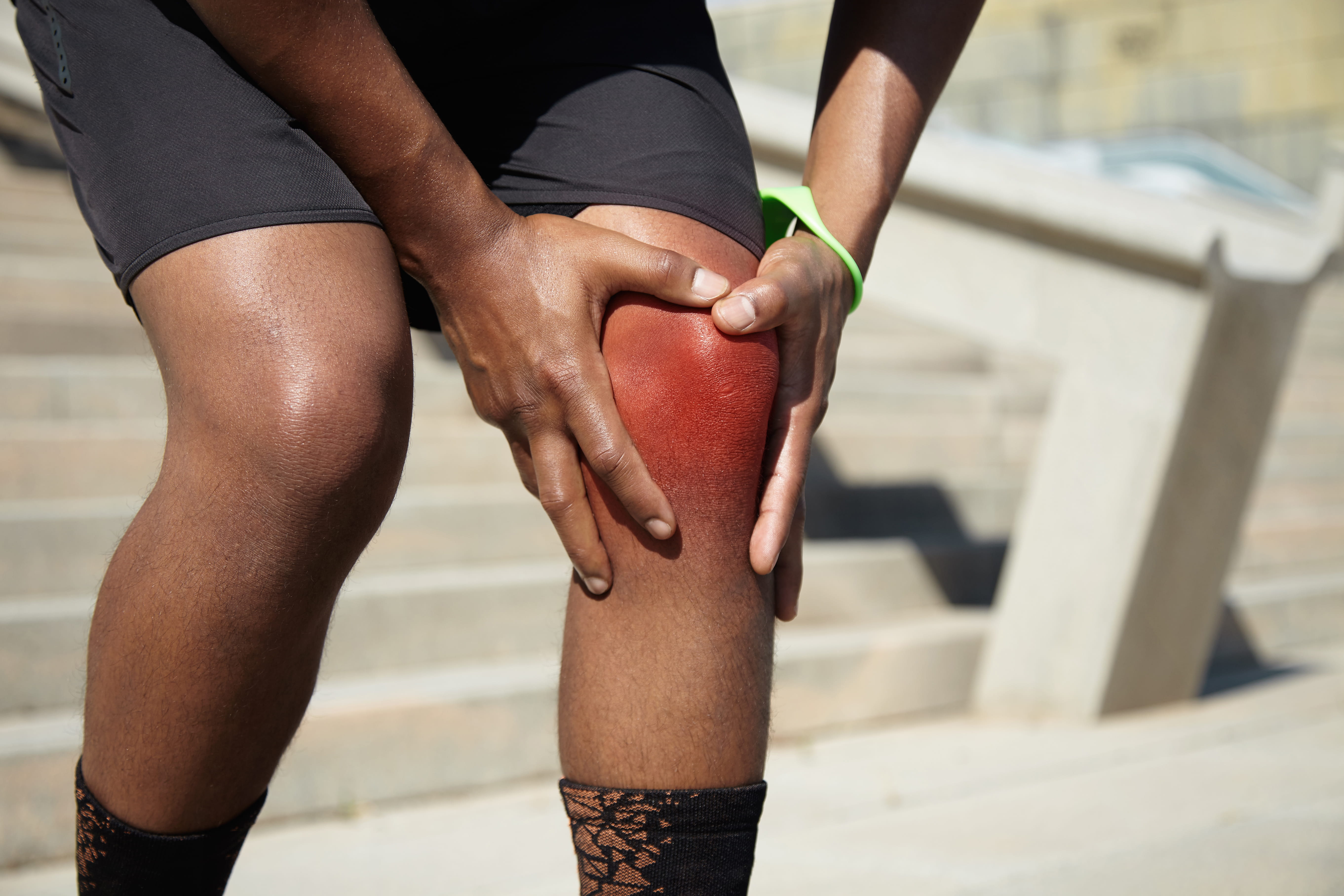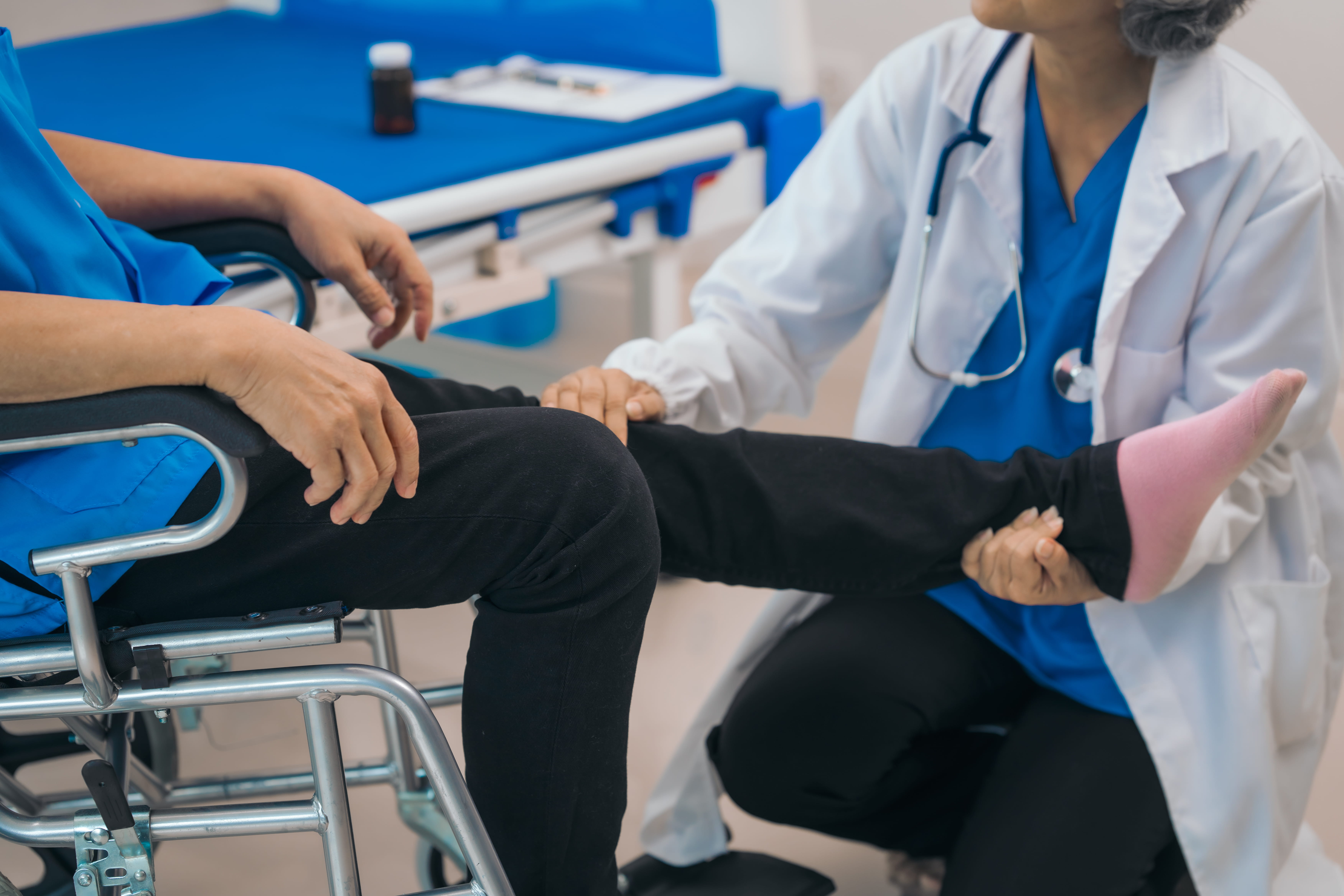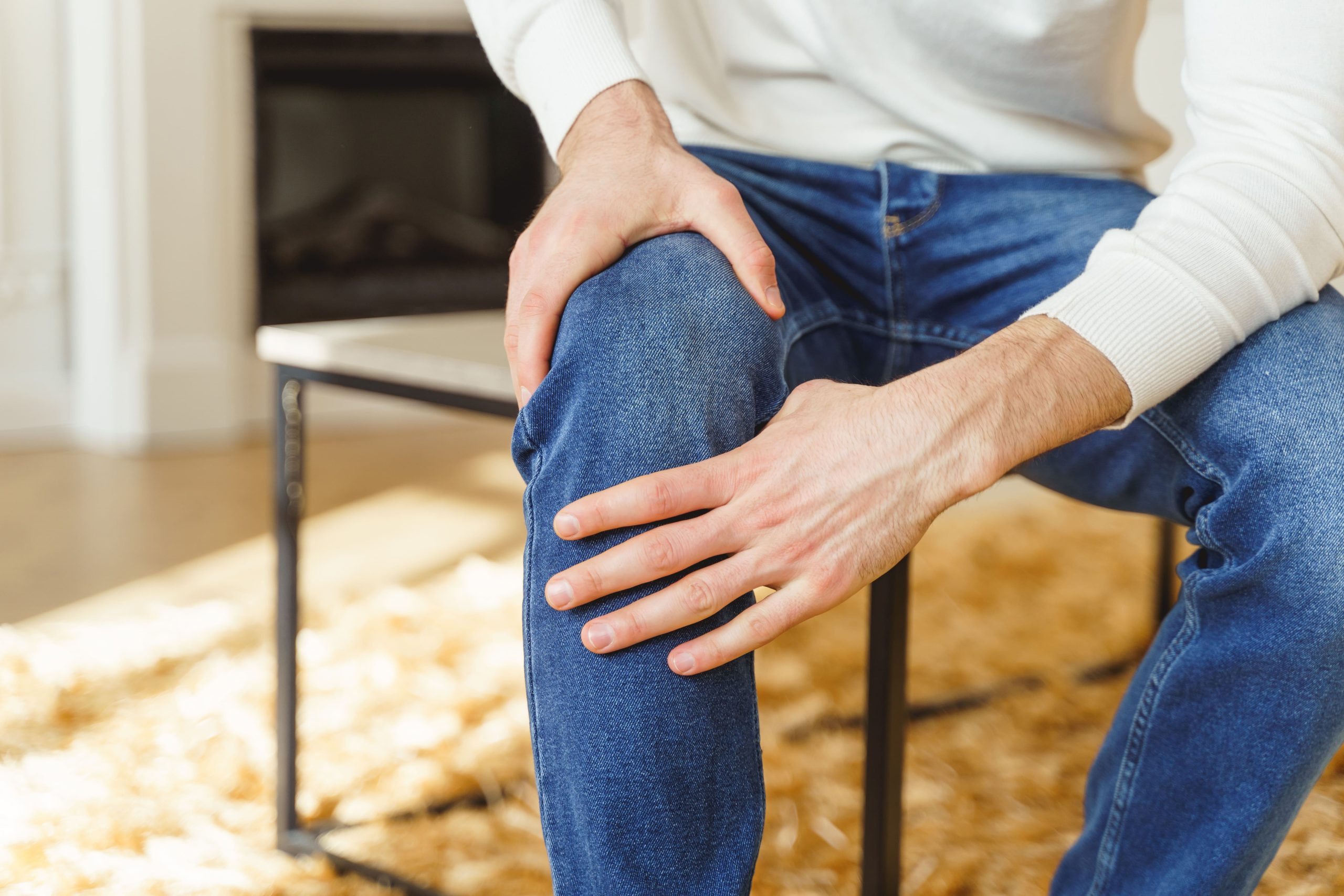
The anterior cruciate ligament withstands considerable forces during pivoting movements that student athletes generate repeatedly during training and competition. ACL injuries can sideline young athletes for 9-12 months of rehabilitation and often occur during non-contact situations such as landing from a jump or changing direction. Structured neuromuscular training programmes may help reduce injury rates when performed consistently over training seasons.
Student athletes face particular vulnerability during growth spurts when muscle strength may lag behind skeletal development. Female athletes tend to experience higher injury rates, attributed to a combination of anatomical factors, including increased Q-angle and smaller ACL size, greater ligament laxity, hormonal influences, and neuromuscular control differences. Social and structural training factors may also contribute.
Anatomy and Injury Mechanisms
The ACL connects the femur to the tibia, helping limit forward translation of the shinbone and supporting rotational stability. This ligament contains mechanoreceptors that provide proprioceptive feedback, which is the brain’s awareness of knee position during movement.
Many ACL injuries occur without contact from another player. The typical mechanism involves:
- Landing from a jump with the knee nearly straight
- Sudden deceleration whilst running
- Pivoting with the foot planted
- Lateral movements with the knee collapsing inward (valgus position)
Biomechanical research indicates that ACL injuries are estimated to occur within approximately 17 to 50 milliseconds of initial ground contact, a window too brief for conscious muscle activation. This timing underscores why prevention programmes focus on automatic, trained movement patterns rather than conscious correction during play.
The Valgus Collapse Problem
When the knee buckles inward during landing or cutting, ACL strain increases substantially. This “valgus collapse” pattern appears more frequently in athletes with weak hip abductors, tight hip flexors, or limited ankle mobility. Single-leg activities may reveal this pattern; watch for the knee moving towards the midline during single-leg squats or landing from a hop.
Risk Factors in Student Athletes
Several modifiable and non-modifiable factors influence ACL injury risk. Identifying individual risk profiles helps prioritise prevention efforts.
Neuromuscular factors include quadriceps dominance (over-reliance on thigh muscles relative to hamstrings), ligament dominance (using passive structures rather than active muscle control), and trunk dominance (reduced core stability affecting lower limb positioning).
Physical factors encompass hamstring-to-quadriceps strength ratios, hip external rotator strength, ankle dorsiflexion range, and overall lower limb flexibility.
Training factors involve sport specialisation before age 14, year-round single-sport participation, rapid increases in training volume, and inadequate recovery between sessions. Research indicates that athletes who specialised in a single sport before age 14 were more likely to report a history of injuries compared with those who did not specialise early.
Student athletes who specialise early in cutting sports such as netball, basketball, or football face cumulative exposure without the protective cross-training that multi-sport participation may provide.
Neuromuscular Training Programmes
Structured ACL injury prevention programmes typically include six components performed 2-3 times weekly during pre-season and 1-2 times weekly during competition periods. Sessions generally require 15-20 minutes and may replace traditional warm-up activities.
Plyometric Training
Jumping and landing exercises aim to develop proper mechanics under controlled conditions before progressing to sport-specific movements:
Box drops begin with stepping off a low box (15-20cm) and landing softly with knees tracking over toes. Height may be progressed gradually over weeks as landing quality improves.
Single-leg hops in multiple directions challenge stability and support single-leg landing techniques. Starting with forward hops, then lateral, then diagonal patterns is a commonly recommended progression.
Depth jumps involve stepping off a box, landing briefly, then immediately jumping vertically. This aims to develop rapid force absorption and production, which reflects the demands of sport.
Focus on quiet landings. Loud impacts may indicate inadequate eccentric muscle control and higher joint loading.
Strengthening Exercises
Hamstring emphasis addresses natural quadriceps dominance. Nordic hamstring curls, Romanian deadlifts, and bridge variations target the hamstrings’ role in protecting the ACL during deceleration.
Hip strengthening aims to address the proximal control of knee position. Side-lying hip abduction, clamshells with resistance bands, and single-leg Romanian deadlifts may build the gluteus medius strength that supports reduced valgus collapse.
Quadriceps training remains important but should emphasise control through full range rather than maximal strength in limited ranges. Single-leg squats to a bench, split squats, and step-downs challenge quadriceps whilst incorporating balance demands.
💡 Did You Know? The hamstrings attach behind the knee and pull the tibia backwards during contraction, directly supporting the ACL’s primary function. Strong hamstrings act as dynamic reinforcement during high-risk movements.
Balance and Proprioception
The ACL’s sensory receptors contribute to joint position awareness. Training proprioception may improve the speed and accuracy of protective muscle responses.
Single-leg stance progressions begin on stable surfaces with eyes open, progress to eyes closed, then to unstable surfaces such as foam pads or wobble boards. Sport-specific additions include catching and throwing a ball whilst balancing.
Perturbation training involves partner-applied pushes during single-leg stance, requiring rapid stabilisation responses. This aims to develop the reactive muscle patterns needed during unexpected game situations.
Dynamic balance challenges include single-leg reaching tasks, where the athlete reaches in multiple directions with the non-stance leg whilst maintaining knee alignment over the stance foot.
⚠️ Important Note: Balance training should challenge the athlete without causing repeated failures or compensation patterns. Difficulty may be progressed gradually, ensuring quality movement at each level before advancing.
Movement Pattern Correction
Identifying and correcting movement patterns requires systematic assessment and cueing strategies.
Landing Mechanics
Appropriate landing mechanics aim to distribute forces across joints and muscles:
- Initial contact through the forefoot, not the heel
- Knees flexing to approximately 30-60 degrees on initial contact
- Knees tracking over the second toe, not collapsing inward
- Trunk slightly forward, not upright
- Soft, quiet landing rather than loud impact
Video recording during training allows athletes to observe their patterns and understand corrections. External feedback cues, such as “land like you’re sneaking up on someone,” may work better than internal focus cues like “bend your knees more.”
Cutting and Pivoting
Direction changes are generally performed more safely with:
- Wider base of support
- Lower centre of gravity
- Pushing off the outside leg rather than planting and twisting
- Trunk and head orientation towards the new direction before the cut
Practising cuts at submaximal speeds initially, building to full-speed execution after movement quality is consistent, may support better pattern development.
Programme Implementation
Effective ACL injury prevention strategies require consistent implementation over time. Benefits may accumulate with regular adherence, whereas inconsistent participation can limit the overall effectiveness of training adaptations.
Pre-season phase (6-8 weeks before competition) aims to build strength and establish movement patterns. Higher volume, lower intensity sessions allow skill acquisition without excessive fatigue.
In-season phase maintains adaptations with reduced volume. Two sessions weekly, 15-20 minutes each, may help preserve the neuromuscular benefits developed during pre-season.
Integration with training tends to support compliance better than standalone sessions. Incorporating prevention exercises into regular warm-ups may increase participation compared with separate prevention workouts.
Coach and Parent Roles
Coaches control training structure and can encourage prevention programme participation. Understanding the time investment required, typically 15-20 minutes two to three times weekly, helps coaches plan sessions appropriately.
Parents may reinforce the technique outside organised training. Observing landing patterns during recreational play and providing appropriate cues can extend learning opportunities beyond structured sessions.
✅ Quick Tip: Film your athlete landing from jumps and performing single-leg squats from the front. Look for knees moving inward. This valgus pattern may identify athletes who would benefit from additional hip and core strengthening work.
Sport-Specific Considerations
Different sports create distinct ACL injury patterns, allowing targeted prevention focus.
Basketball and netball involve repetitive jumping and landing, often whilst fatigued late in games or training. Prevention may usefully emphasise landing mechanics and fatigue-resistant movement patterns.
Football (soccer) injuries often occur during cutting or tackling. Lateral movement training and anticipation of contact situations address these mechanisms.
Badminton and tennis require rapid direction changes and lunging. Hip strength and eccentric control during deceleration may help support these movement demands.
When to Seek Professional Help
Certain situations warrant orthopaedic evaluation before or during prevention programme participation:
- Previous knee injury or surgery
- Persistent knee pain during training
- Visible knee swelling after activity
- Sensation of knee instability or “giving way”
- Family history of ACL injuries
- Significant leg length differences
- Hypermobility affecting multiple joints
Screening assessments can identify individual risk factors and guide personalised prevention approaches. Movement analysis may reveal specific patterns that would benefit from correction.
Commonly Asked Questions
At what age should ACL prevention training begin?
Neuromuscular training can begin when children start organised sport, typically around age 7-8. Younger athletes generally focus on fundamental movement skills, including landing, jumping, and changing direction, whilst older athletes may progress to sport-specific applications and higher-intensity exercises.
How long before prevention programmes may show benefit?
Initial neuromuscular adaptations may begin within 2-4 weeks of consistent training. Meaningful injury-risk reduction typically develops over a full pre-season training block and with ongoing participation throughout the season. Stopping the programme may reduce accumulated protective adaptations over time.
Can prevention programmes completely eliminate ACL injury risk?
No intervention eliminates risk entirely. However, research indicates that properly implemented programmes may help reduce ACL injury rates. The combination of strength, balance, and movement quality training provides a comprehensive approach to injury risk management.
Should male athletes follow the same programmes as female athletes?
Core programme components are generally applicable regardless of sex. Female athletes may benefit from additional emphasis on hip strengthening, landing mechanics, and fatigue management, given their higher baseline risk.
What equipment is needed for ACL prevention training?
Many exercises require no equipment. Resistance bands, small boxes or steps, and unstable surfaces such as foam pads or wobble boards allow progression but are not essential for beginning a programme.
Next Steps
Neuromuscular training should be performed consistently, typically 2-3 times weekly during pre-season and maintained throughout competition, to potentially provide meaningful risk reduction. Landing mechanics, hip and hamstring strengthening, and balance training are common core components of structured prevention programmes. Athletes in cutting sports such as netball, basketball, and football may carry a higher risk and should consider prioritising early pre-season implementation. Sporadic participation is less likely to provide meaningful protective benefit.
If you are experiencing knee instability, a sensation of “giving way,” persistent knee pain during training, or have a history of previous knee injury, consult an orthopaedic surgeon for a formal assessment of your ACL injury risk and suitability for a structured prevention programme.