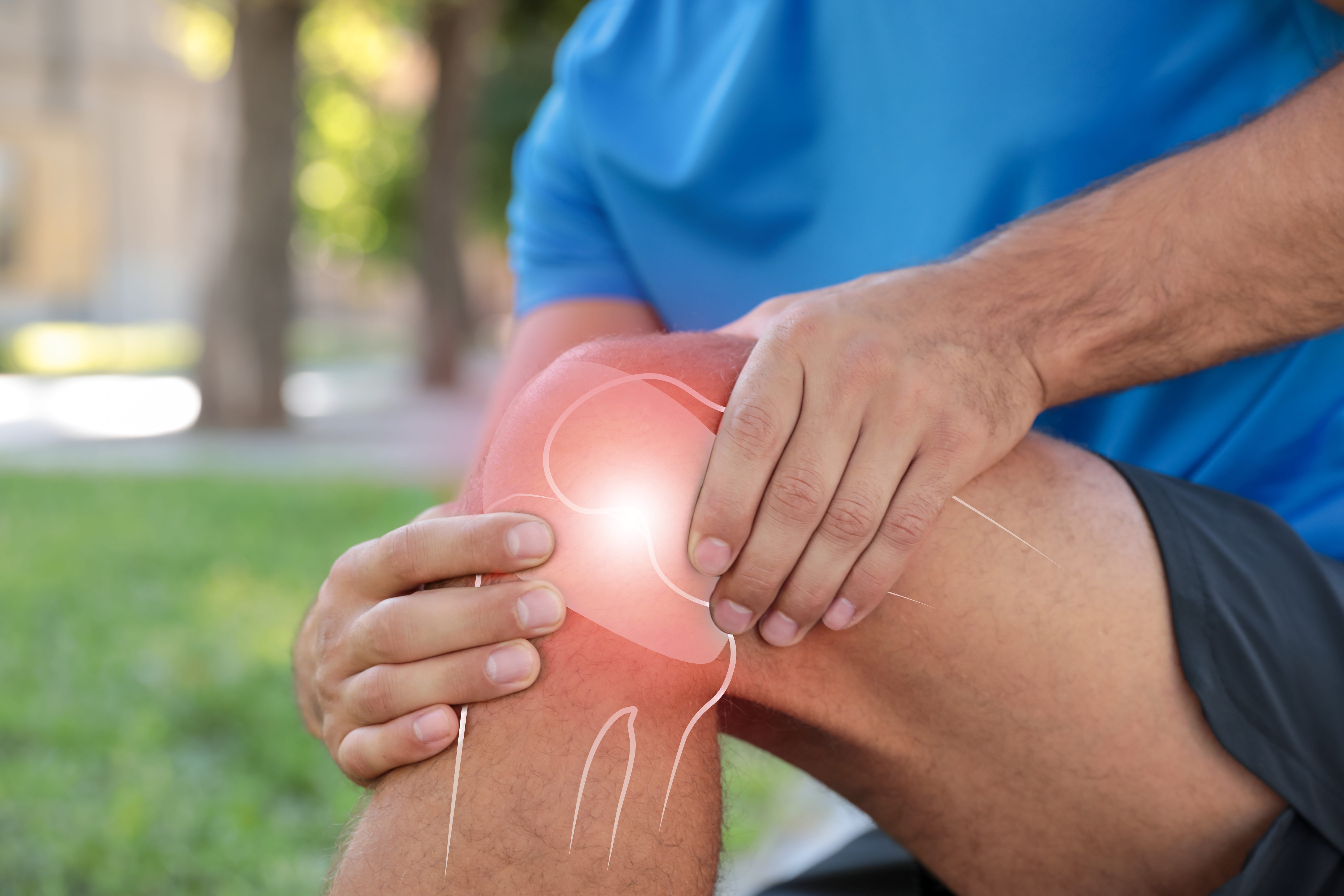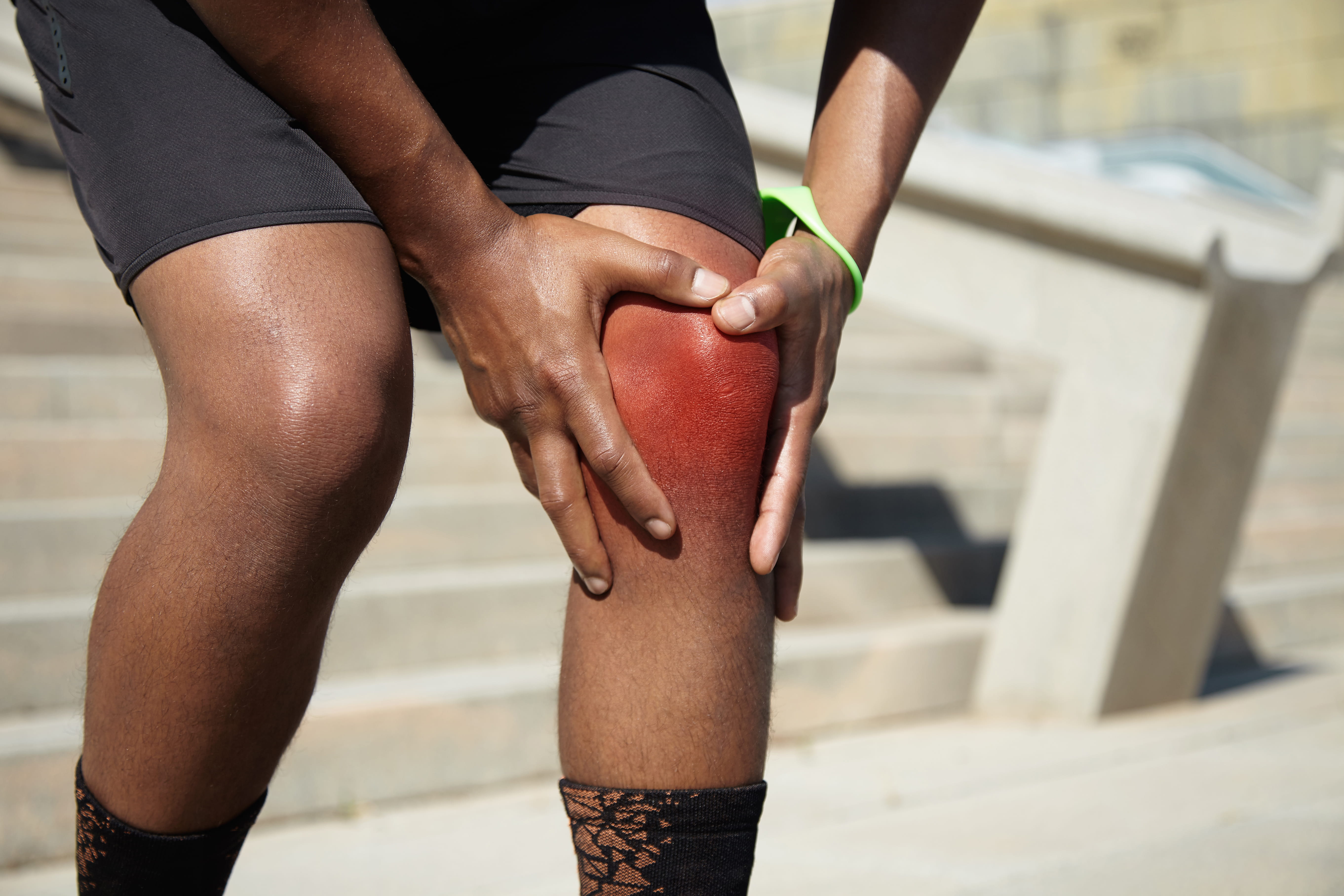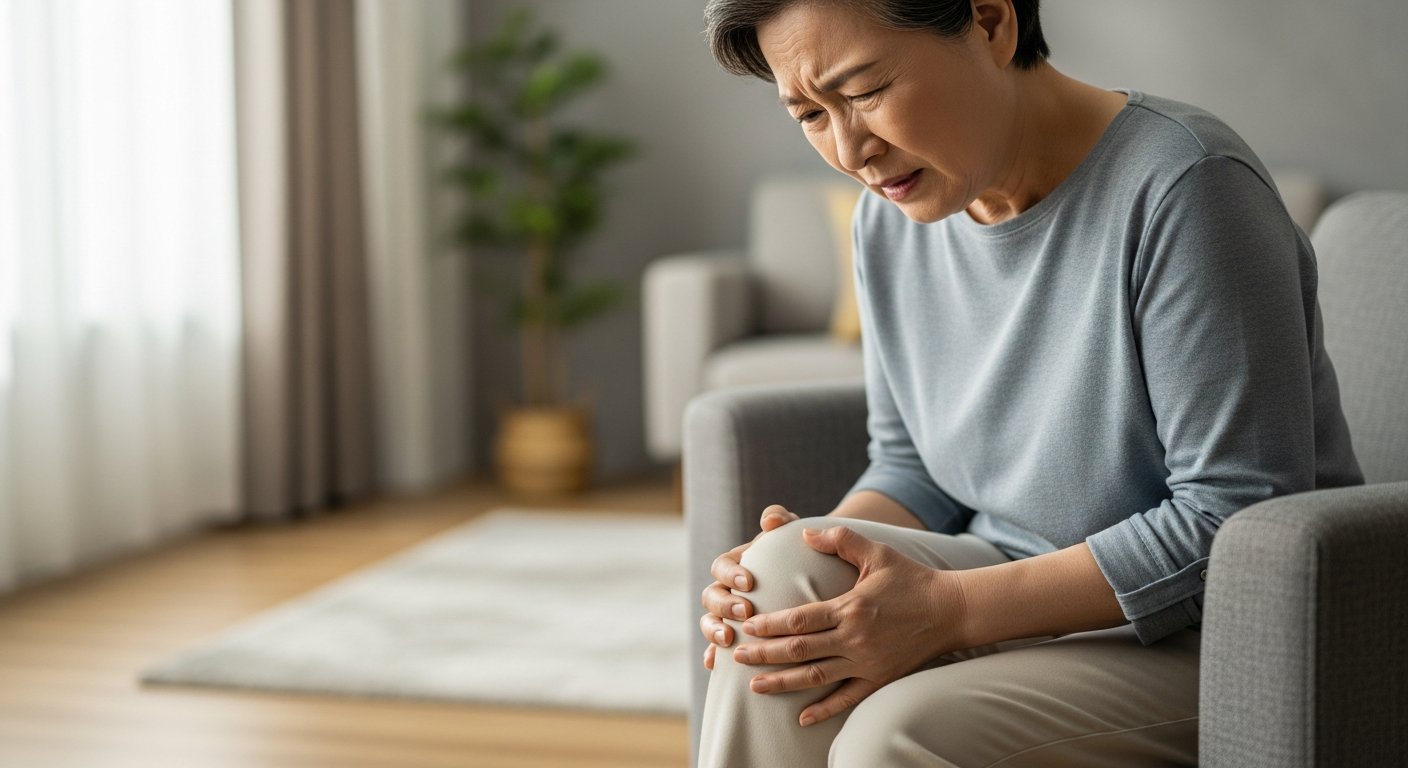
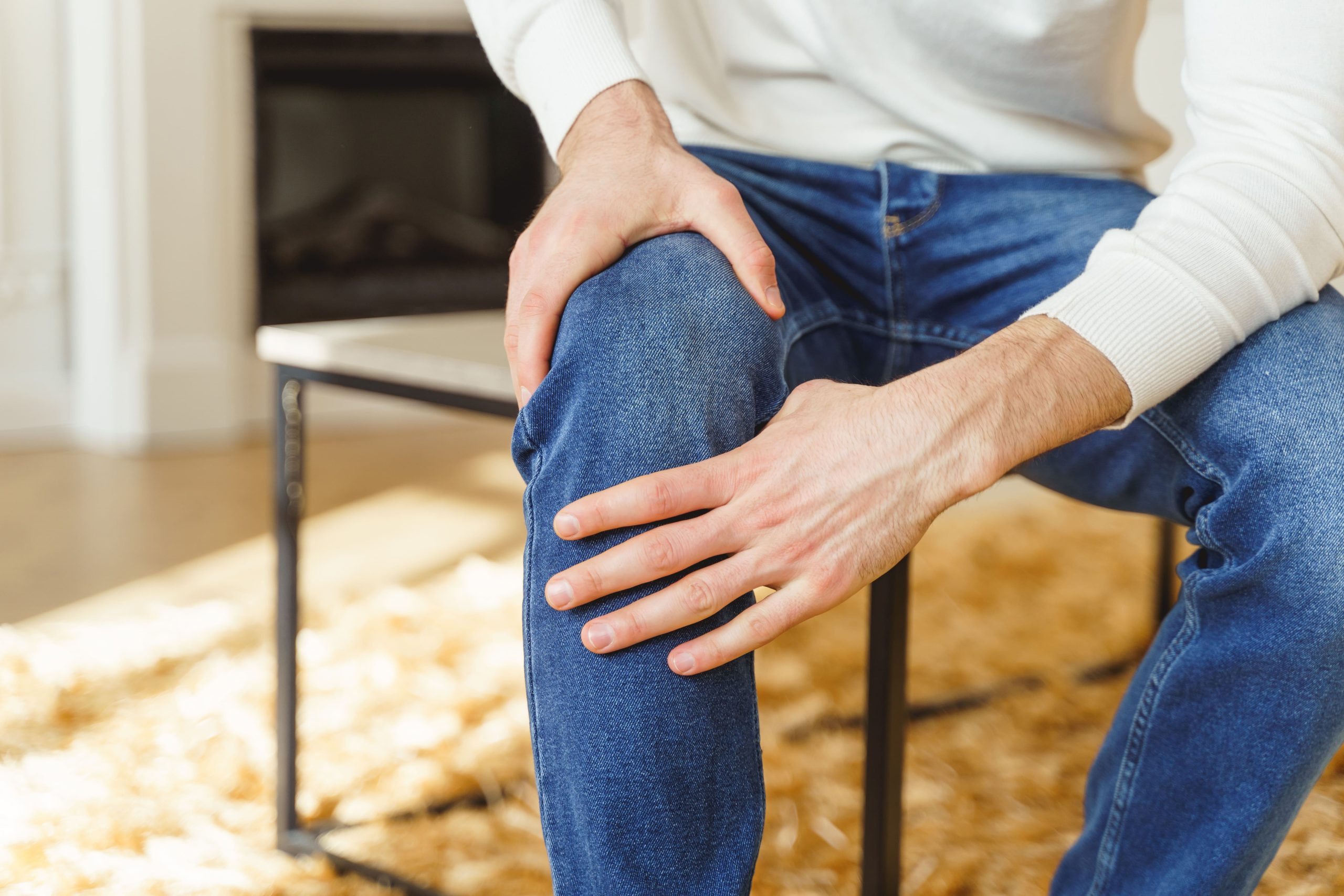
That popping, cracking, or grinding sound when you bend your knee has a medical name: crepitus. The sensation occurs when a gas cavity forms within the joint fluid (a process called cavitation), rough cartilage surfaces rub together, or tendons snap over bony structures. While the sound can be startling, clicking knee sounds without pain rarely indicate serious joint damage.
Knee crepitus becomes more noticeable with age as cartilage naturally loses some of its smooth surface texture. The patellofemoral joint, where your kneecap meets the thighbone, produces the most audible sounds because it experiences compression forces reaching multiples of your body weight during activities like climbing stairs or squatting.
The presence or absence of accompanying symptoms, rather than the sound itself, helps determine clinical significance.
The Mechanics Behind Knee Sounds
Three distinct mechanisms produce clicking knee sounds, each with different characteristics and implications.
Cavitation creates the classic pop or crack. Reduced pressure within the joint capsule causes dissolved gases to rapidly come out of solution, forming a gas cavity. Current evidence from real-time imaging suggests the audible pop is produced at the moment this cavity forms, rather than when it collapses. This process requires approximately 20 to 30 minutes before repeating because gases must redissolve into the synovial fluid.
Soft tissue movement produces snapping sensations. Tendons and ligaments occasionally shift over bony prominences, particularly the iliotibial band on the outer knee. This sound typically occurs at specific angles and reproduces predictably with the same movement.
Articular surface irregularity causes grinding or grating, called crepitus in the strictest sense. Roughened cartilage, exposed bone, or loose fragments within the joint create friction during movement. This type often accompanies other symptoms and warrants closer attention.
Patellofemoral Crepitus: The Most Common Source
The kneecap joint generates more noise than other knee compartments due to its unique anatomy and function. Your patella glides within a groove on the femur, held in position by quadriceps muscles and retinacular tissues. Tracking variations may produce palpable or audible feedback.
Chondromalacia patellae describes softening and roughening of the cartilage behind the kneecap. The condition develops from repetitive stress, malalignment, or direct trauma. Early stages may produce painless clicking that can progress to grinding with discomfort as cartilage damage advances.
Patellar tracking issues can cause the kneecap to deviate from its optimal path. Muscle imbalances between the inner and outer quadriceps, anatomical variations in the femoral groove, or tightness in lateral structures can all contribute. The clicking tends to occur during specific activities like stair climbing or prolonged sitting.
When Clicking Signals a Problem
Crepitus alone rarely requires treatment, but certain accompanying features suggest underlying pathology worth investigating.
Pain with the clicking alters the clinical picture. Discomfort during the sound, especially if reproducible, may indicate cartilage wear, meniscal involvement, or inflammatory processes. Pain that worsens with activity and improves with rest follows mechanical patterns typical of structural issues.
Swelling around the joint suggests inflammation or effusion. The knee may produce excess synovial fluid in response to cartilage damage, loose bodies, or synovial irritation. Visible puffiness, particularly around and behind the kneecap, indicates the joint is reacting to internal stress.
Locking or catching sensations may imply mechanical obstruction. Torn meniscal fragments, loose cartilage pieces, or damaged plica can intermittently block normal joint motion. The knee may feel stuck momentarily before releasing, sometimes with a distinct pop.
Progressive worsening of sound or sensation over weeks to months may suggest advancing wear. Stable, unchanged crepitus over the years generally indicates a benign cause, while escalating symptoms warrant evaluation.
💡 Did You Know? The cartilage covering your kneecap is among the thickest in the body, reflecting the considerable forces the patellofemoral joint experiences during activities like jumping and stair climbing, where compression forces can reach several multiples of body weight.
Conditions Associated with Knee Clicking
Several diagnoses commonly present with crepitus as a notable feature.
Osteoarthritis involves progressive cartilage loss with subsequent bone changes. The grinding sensation reflects irregular joint surfaces and potentially exposed subchondral bone. Morning stiffness lasting less than 30 minutes, activity-related discomfort, and gradual onset are features commonly associated with this condition.
Meniscal tears may produce clicking, particularly with rotational movements. The menisci act as shock absorbers and stabilisers; damaged tissue can flip or catch within the joint. Associated symptoms may include joint line tenderness, swelling after activity, and mechanical symptoms like catching.
Plica syndrome involves irritated remnants of embryonic joint tissue. These synovial folds can thicken and snap over femoral condyles, producing reproducible clicking at specific knee angles. The medial plica tends to cause symptoms most frequently.
Ligament injuries can create altered joint mechanics that may lead to secondary clicking. An ACL-deficient knee can permit unexpected tibial translation, which may cause menisci and cartilage to experience altered loading patterns.
Age-Related Changes and Crepitus
Joint surfaces change throughout life, affecting both the character and significance of knee sounds.
In younger individuals, clicking typically stems from soft tissue sources, including tendons moving over bones, minor tracking variations, or cavitation. These causes rarely progress or require intervention. Athletes may notice more crepitus due to higher activity levels and muscle bulk affecting patellar mechanics.
Middle-aged adults commonly develop early cartilage changes that may manifest as grinding sensations. The fourth and fifth decades can bring natural wear to articular surfaces, particularly in those with previous injuries, high-impact activity histories, or occupational kneeling requirements.
Older adults frequently experience crepitus associated with established osteoarthritis. The sound often correlates with imaging findings but does not necessarily match symptom severity. Some individuals with significant radiographic changes have minimal discomfort, while others with more modest wear report substantial pain.
⚠️ Important Note: Post-surgical crepitus following procedures like ACL reconstruction or meniscal repair often resolves over several months as tissues heal and scar tissue matures. Persistent clicking beyond this period, especially with pain, should be discussed with your surgeon.
Factors That Influence Knee Clicking
Several modifiable elements may affect crepitus frequency and intensity.
Muscle strength and balance can impact patellar tracking. Weakness in the vastus medialis obliquus can allow lateral deviation of the kneecap, potentially increasing contact pressures on the outer facet. Targeted strengthening may improve tracking and reduce associated sounds.
Flexibility deficits in surrounding structures can alter joint mechanics. Tight quadriceps, hamstrings, or iliotibial bands change how forces distribute across the knee. Restricted calf muscles affect ankle mobility, potentially creating compensatory knee motion patterns.
Body weight influences load across all knee compartments. The patellofemoral joint experiences particularly high force during activities like stair climbing, where research indicates joint reaction forces may reach two to three times body weight.
Activity patterns influence wear exposure. Repetitive deep squatting, prolonged kneeling, or high-impact sports subject cartilage to cumulative stress. Conversely, sedentary lifestyles reduce the nutrient exchange that synovial fluid movement provides to cartilage.
Managing Benign Knee Crepitus
Clicking without pain generally responds well to conservative measures that aim to optimise joint mechanics and tissue health.
Quadriceps strengthening exercises may improve patellar stability and tracking. Straight leg raises, terminal knee extensions, and wall sits target the muscle groups that help control kneecap position. Consistency over weeks may produce noticeable changes in joint function.
Flexibility work addresses contributing to tightness. Regular stretching of quadriceps, hamstrings, and calf muscles maintains optimal length-tension relationships. Foam rolling the iliotibial band and lateral thigh structures may reduce lateral pull on the patella.
Activity modification reduces provocative loading. Avoiding deep squats, limiting stair climbing volume, and using proper technique during exercise may minimise cartilage stress. Temporary adjustments can allow irritated tissues to settle while maintaining overall fitness.
Low-impact conditioning preserves cardiovascular health without excessive joint stress. Swimming, cycling, and elliptical training provide exercise benefits while reducing the compressive and shear forces that may aggravate crepitus.
✅ Quick Tip: When climbing stairs, lead with your stronger leg going up and your affected leg going down. This technique aims to reduce the peak force your symptomatic knee must generate and control during these demanding activities.
What Orthopaedic Evaluation Involves
When knee clicking warrants assessment, a systematic approach is typically used to identify the source.
History gathering establishes symptom patterns, onset circumstances, and functional impact. Details about what triggers the sound, whether pain accompanies it, and how it has changed over time guide examination focus.
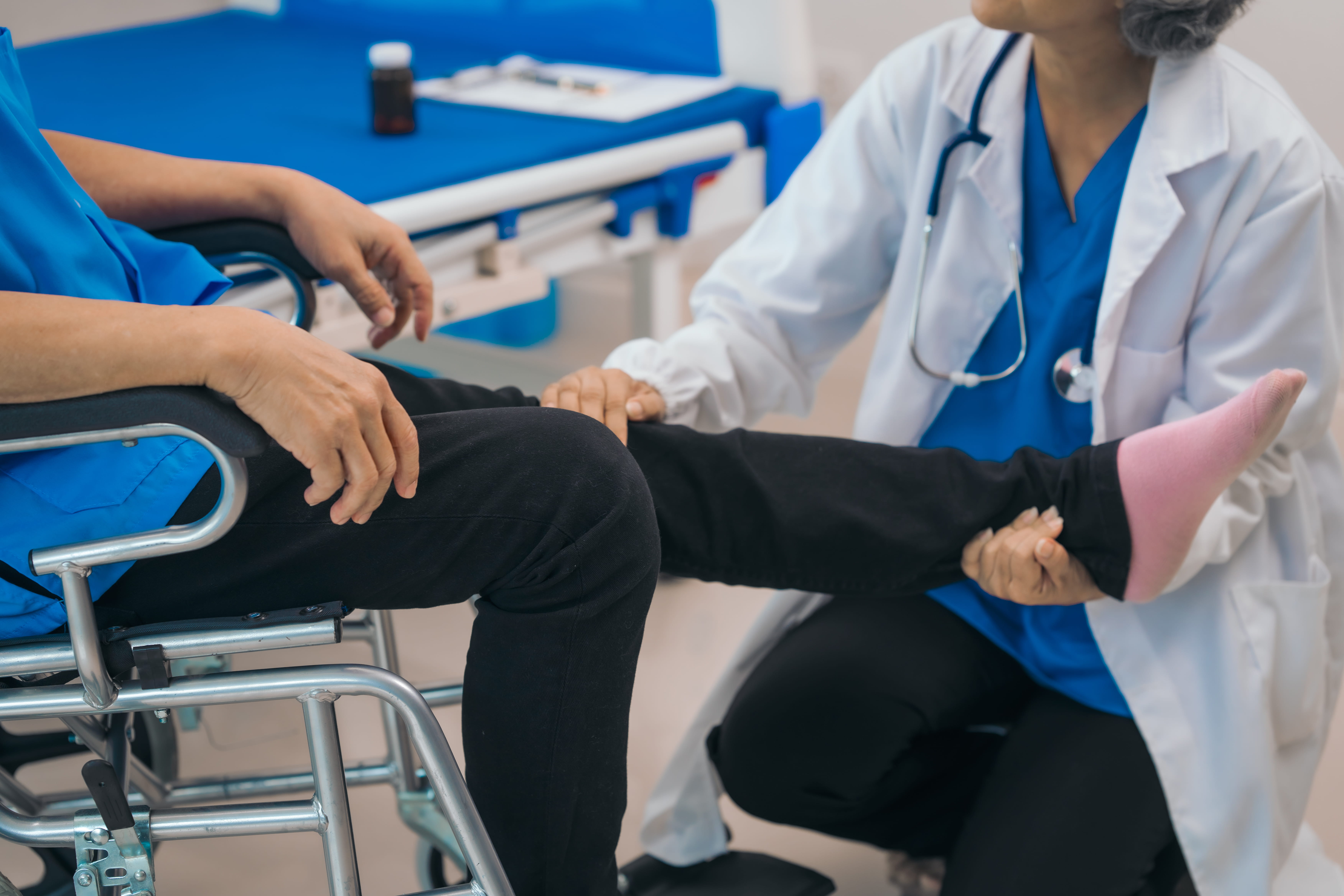
Physical examination includes observation of standing alignment, assessment of patellar position and mobility, palpation for tenderness or swelling, and specific tests for meniscal or ligamentous involvement. Reproducing the clicking during examination helps localise its source.
Imaging studies may include plain radiographs to assess joint space, alignment, and bony changes. MRI provides detailed soft tissue visualisation when meniscal tears, cartilage defects, or ligament injuries are suspected. Not all clicking knees require imaging; clinical findings guide this decision.
When to Seek Professional Help
- Clicking accompanied by pain during or after movement
- Swelling that develops within hours of activity
- Sensation of the knee giving way or buckling
- Locking episodes where the knee cannot fully straighten
- Clicking that follows a specific injury or trauma
- Progressive worsening of sounds over several weeks
- Limitation in daily activities due to knee symptoms
- Night pain that disrupts sleep
You can check a Knee Specialist in Singapore if you are suffering with any of these symptoms above.
Commonly Asked Questions
Does cracking my knees cause arthritis?
Available evidence does not support a link between habitual joint cracking and accelerated arthritis development. Multiple studies examining finger joint cracking over several decades, including research spanning 50 or more years, have not found an association between cracking joints and arthritis. These findings are generally considered applicable to other joints, though individual knee anatomy and loading differ from finger joints.
Should I avoid exercise if my knee clicks?
Painless clicking generally does not require activity restriction. Exercise may support cartilage health through synovial fluid circulation and strengthen supporting muscles. Modifying activities that produce painful clicking while continuing pain-free movement is the approach commonly recommended.
Can supplements help reduce knee clicking?
Glucosamine and chondroitin have mixed evidence across published research, with some studies reporting symptom improvements in individuals with osteoarthritis and others showing minimal benefit over placebo. These supplements are not considered to reverse cartilage loss and do not address mechanical causes of clicking, such as tracking issues or soft tissue snapping. Individual responses vary.
Why does my knee click more on some days?
Factors including hydration status, activity level, temperature, and barometric pressure may affect joint fluid properties and tissue behaviour. Increased clicking after periods of immobility often resolves with movement as synovial fluid redistributes.
Will the clicking eventually stop on its own?
Depending on the cause, clicking may remain stable indefinitely, resolve with conditioning, or change with advancing wear. Benign cavitation and soft tissue sources often persist harmlessly for years. Cartilage-related crepitus typically continues unless the underlying condition is addressed. Individual outcomes vary.
Next Steps
Painless knee clicking is generally benign and rarely requires intervention beyond maintaining quadriceps strength and joint flexibility. When pain, swelling, or mechanical catching accompany the sound, early evaluation may help identify treatable causes before further wear occurs. Persistent or worsening symptoms warrant orthopaedic assessment, in which Dr Wang Lushun specializes to determine whether imaging or targeted treatment may be appropriate for your individual situation.