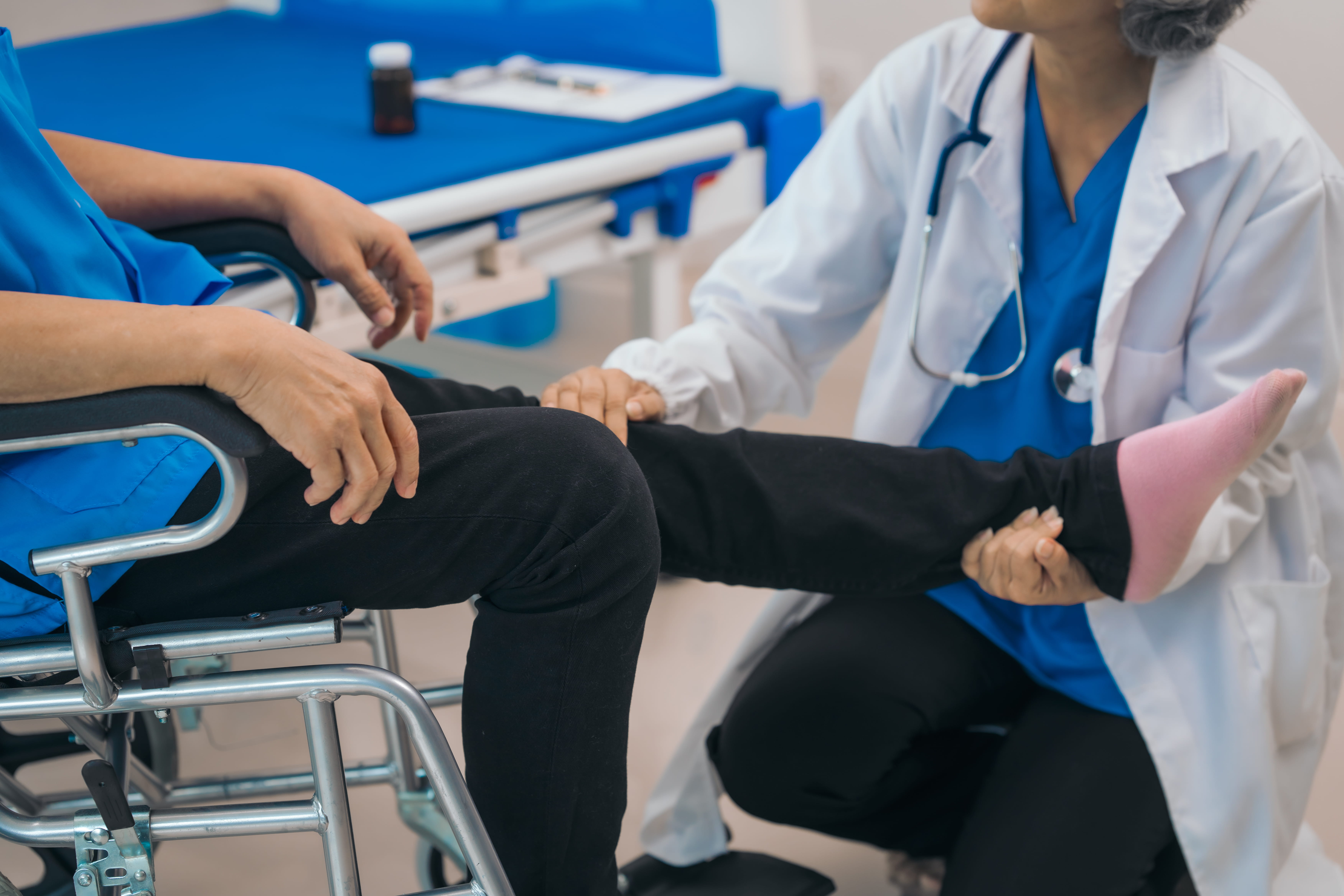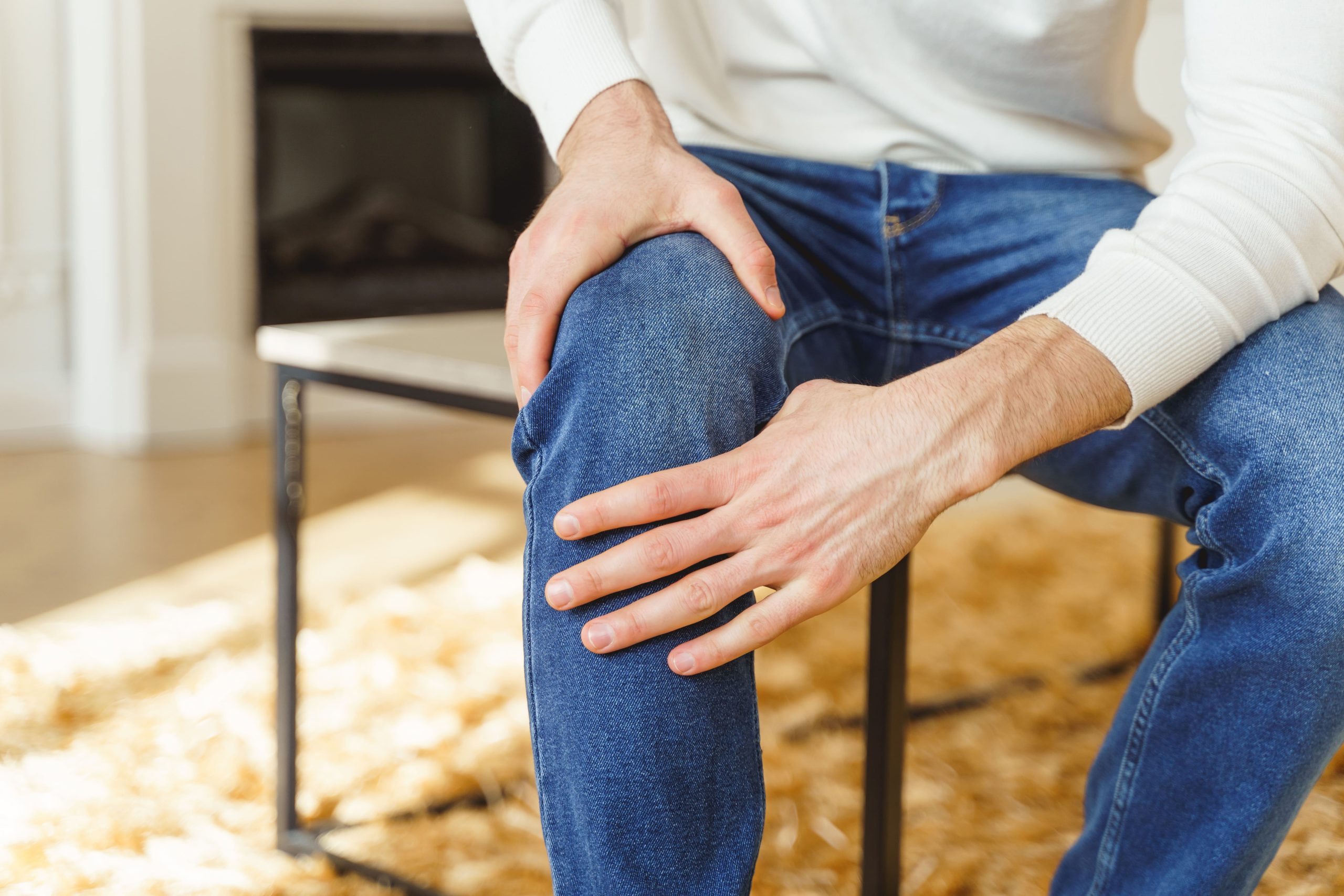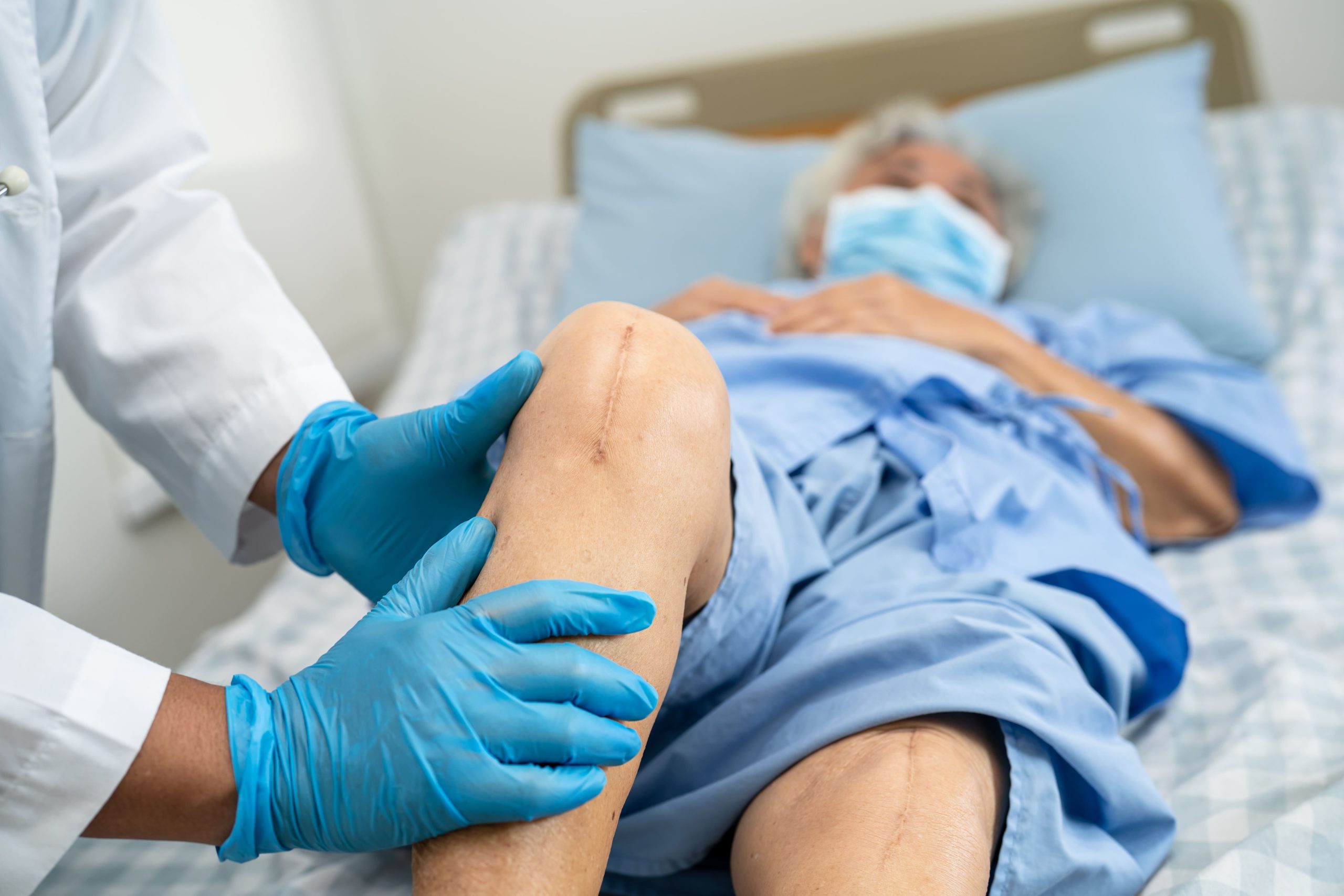
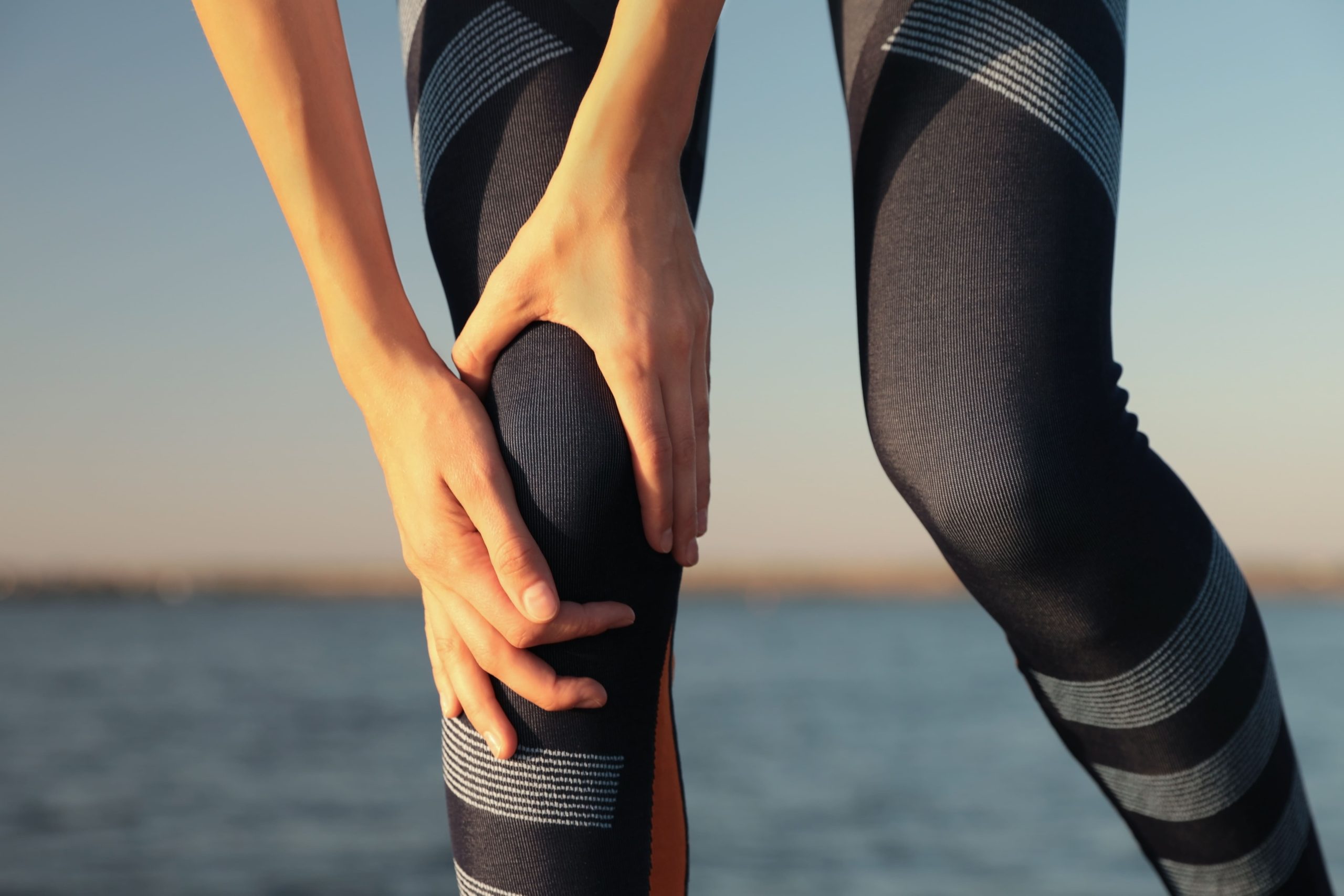
The meniscus is a C-shaped cartilage shock absorber between your thighbone and shinbone, of which the knee has two (medial and lateral), that distributes weight and provides stability during movement. Weekend warriors in sports like badminton, tennis, and football place significant rotational stress on these structures through sudden pivoting, squatting, and direction changes, with the medial meniscus tearing more frequently due to its firm attachment to the joint capsule, which limits its mobility during twisting.
Unlike professional athletes who typically sustain acute injuries, recreational players often experience tears through accumulated microtrauma combined with age-related cartilage changes, meaning the final tear may occur during a seemingly minor movement.
Recognising Meniscus Tear Symptoms
A torn meniscus produces distinctive symptoms that differ from other knee injuries, though many weekend warriors initially dismiss them as minor strains.
- Catching or locking: The hallmark sensation: the knee may suddenly feel unable to straighten fully, as if something is blocking movement, often caused by torn cartilage flaps displacing into the joint space.
- Gradual swelling: Typically develops over one to two days after injury, contrasting with ligament tears that can cause more rapid swelling; the joint may feel stiff and appear slightly larger than the uninjured side.
- Joint line pain: Localises along the horizontal crease where the thighbone meets the shinbone, often intensifying with deep squatting, kneeling, or twisting motions.
- Clicking or popping: A characteristic sensation during movement may suggest cartilage irregularity, though this alone does not confirm a tear.
- Delayed worsening: Some tears produce minimal symptoms initially but may worsen over subsequent weeks as torn edges fray further, or the knee gives way during sport or on stairs.
Types of Meniscus Tears and Their Implications
Tear patterns significantly influence treatment decisions and expected recovery pathways. Orthopaedic surgeons classify tears by their shape, location, and depth.
Radial tears extend from the inner edge toward the outer rim, disrupting the meniscus’s ability to distribute load. These tears are generally less likely to heal naturally because they run perpendicular to the blood supply.
Horizontal tears split the meniscus into upper and lower portions, often occurring in older cartilage that has developed internal degeneration. These tears typically require partial removal rather than repair.
Bucket handle tears involve a large, displaced fragment that flips into the centre of the joint. These can cause dramatic locking symptoms and often warrant prompt surgical attention aiming to restore knee function.
Complex tears combine multiple patterns and generally occur in cartilage already showing degenerative changes. The red-red zone near the outer rim receives blood supply and has the potential to heal; the white-white zone in the inner portion lacks direct blood flow, which typically limits its capacity to regenerate naturally.
Diagnostic Process for Meniscus Injuries
Diagnosis combines targeted clinical examination with imaging to confirm the tear and guide treatment decisions.
- McMurray test: The bent knee is rotated while being extended; a palpable click or joint line pain may suggest meniscus pathology.
- Thessaly test: Performed standing on the affected leg while twisting; pain may indicate meniscal involvement.
- Joint line tenderness: Pressure along the inner and outer knee margins localises discomfort and, combined with the injury history, guides further investigation.
- Accuracy caveat: Clinical tests have variable accuracy; MRI remains the reference standard for confirming meniscal pathology.
- MRI scanning: Can confirm the diagnosis and reveal tear pattern, location relative to blood supply, cartilage quality, and associated ligament or joint surface injuries, helping to determine whether repair or removal may be appropriate.
💡 Did You Know? The meniscus receives nutrients primarily through joint fluid diffusion rather than direct blood supply. Compression and release cycles during weight-bearing help pump nutrients into the tissue, explaining why movement generally supports cartilage health.
Non-Surgical Treatment Approaches
Not all meniscus tears require surgery; stable tears in the outer vascular zone, degenerative tears in older patients, and small tears causing minimal symptoms may respond well to conservative management.
- RICE protocol: Relative rest from aggravating activities, ice for 15–20 minutes several times daily, compression with an elastic bandage, and elevation to help reduce swelling during the acute phase.
- Anti-inflammatory medications: May help manage pain and reduce joint inflammation; consult a healthcare professional for guidance on appropriate use.
- Physiotherapy: Strengthening the quadriceps and hamstrings aims to reduce load through the damaged cartilage, while proprioceptive training helps restore balance and joint position sense, which may reduce re-injury risk.
- Rehabilitation timeline: Typically spans 6–12 weeks, with progress measured by pain levels, range of motion, and functional capacity rather than fixed timelines; return to modified activity is often possible within several weeks, though full sport may take longer. Individual progress varies.
When Surgery Becomes Necessary
Certain tear patterns and clinical presentations suggest surgical intervention may offer better outcomes than continued conservative care.
Locked knee: A displaced bucket handle tear physically blocking motion may require arthroscopic surgery to help restore function. Delayed treatment may risk further cartilage damage.
Persistent mechanical symptoms: Catching, giving way, or clicking that continues despite rehabilitation suggests the torn fragment may be interfering with normal joint mechanics.
Failure of conservative treatment: Ongoing pain and functional limitation after 8 to 12 weeks of appropriate physiotherapy may indicate the tear is unlikely to settle without intervention.
Young, active patients with repairable tears: Tears in the vascular zone of younger patients often warrant repair to help preserve meniscal tissue and potentially reduce the risk of later arthritis development.
Combined injuries: Meniscus tears occurring alongside ACL ruptures are typically addressed surgically, as the instability may impede natural healing.
Surgical Options for Meniscus Tears
Arthroscopic surgery uses small incisions and a camera to visualise and treat the torn meniscus. Two primary techniques exist: partial meniscectomy (removal) and meniscus repair.
Partial meniscectomy removes only the damaged portion of the meniscus, aiming to preserve as much healthy tissue as possible. The procedure typically takes approximately 30 minutes, and many patients are able to walk with crutches shortly afterwards. Return to desk work occurs within days for many patients; sporting activity commonly resumes at 4 to 8 weeks, though individual recovery varies based on age, tear characteristics, and rehabilitation compliance.
Meniscus repair stitches the torn edges together, aiming to preserve the structure. This procedure requires longer surgery and significantly longer rehabilitation, typically from approximately 4 to 9 months before full sporting activity, depending on tear type, repair technique, and rehabilitation progress, because the repair requires healing before full loading.
Retaining meniscal tissue may provide better long-term joint protection. The decision between removal and repair depends on tear location, pattern, tissue quality, patient age, and activity demands. Tears in the vascular outer zone in younger patients often warrant repair attempts; degenerative tears in the avascular inner zone typically require removal.
⚠️ Important Note: Meniscus preservation is considered important for long-term joint health. Each portion of the meniscus removed may increase contact pressure on the underlying cartilage, potentially accelerating wear. When repair is feasible, the longer rehabilitation may be worthwhile.
Recovery Timeline and Return to Sport
Recovery varies substantially based on treatment type and individual factors.
After partial meniscectomy: Swelling typically subsides over 1 to 2 weeks. Range of motion returns relatively quickly, and strengthening exercises begin early in rehabilitation. Light jogging may resume at around 3 to 4 weeks, with sport-specific training at 4 to 8 weeks in many cases. Many weekend warriors return to recreational activities within 6 to 10 weeks, though individual timelines vary.
After meniscus repair: The repaired tissue requires protection during healing.
Weight-bearing restrictions apply for the initial weeks, with gradual progression based on healing assessment. Running typically resumes from approximately 3 months; return to pivoting sports is commonly achieved between 4 and 9 months, depending on tear characteristics, repair technique, and individual healing. Recovery timelines should be guided by objective criteria rather than fixed dates. Rushing this process may risk repair failure.
Regardless of treatment type, completing full rehabilitation is important. Stopping physiotherapy once pain resolves may leave the knee vulnerable to re-injury. Continuing strengthening and proprioceptive work until objective milestones are achieved, including comparable leg strength, single-leg balance, and sport-specific movement quality, may reduce recurrence risk.
Reducing Re-Injury Risk After Recovery
Returning to sport requires more than healed tissue; it involves preparation for the demands that contributed to the original injury.
Build hip and core strength: Weak gluteal muscles may increase knee valgus stress during landing and pivoting, potentially overloading the meniscus.
Progress training loads gradually: The weekend warrior pattern of minimal weekday activity followed by intense weekend sport creates vulnerability. Consistent moderate training throughout the week may condition tissues more effectively.
Address movement quality: A physiotherapist or sports trainer can help identify landing patterns, cutting techniques, or running mechanics that may increase knee stress.
Warm up appropriately: Dynamic movement preparation before sport may improve joint lubrication and muscle readiness. Static stretching alone is generally considered an insufficient warm-up.
Recognise fatigue: Many recreational injuries occur late in games or sessions when neuromuscular control diminishes. Consider substitution or rest when coordination declines.
When to Seek Professional Help
- Knee locks in a bent position and cannot straighten fully
- Swelling develops within 48 hours of a twisting injury
- Catching or giving way occurs during daily activities or on stairs
- Joint line pain persists beyond 2 weeks despite rest
- Previous meniscus symptoms return or worsen
- Pain prevents participation in desired activities
Commonly Asked Questions
Can a torn meniscus heal without surgery?
Tears in the outer vascular zone may heal with conservative treatment, particularly small, stable tears. Inner zone tears generally lack a direct blood supply and typically cannot regenerate on their own, though they may become asymptomatic with appropriate rehabilitation if symptoms are primarily from inflammation rather than mechanical catching. Individual outcomes vary.
How do I know if my meniscus tear needs surgery?
Mechanical symptoms, including locking, catching, or giving way that persist despite physiotherapy, generally suggest surgery may help. Pain alone, especially in degenerative tears, often responds to conservative management. Your orthopaedic surgeon will correlate your symptoms with MRI findings to recommend the most appropriate treatment for your individual situation.
Will I develop arthritis after a meniscus tear?
Meniscus injury may increase long-term arthritis risk, particularly when tissue must be removed rather than repaired. However, maintaining strong supporting muscles, a healthy body weight, and continued physical activity may help protect joint surfaces regardless of previous injury.
Can I still play sports after meniscus surgery?
Many patients return to recreational sports after both partial meniscectomy and meniscus repair. The timeline differs, with removal typically allowing return in weeks and repair requiring months, but the functional outcome for weekend sporting activity is generally favourable with appropriate rehabilitation. Individual results vary.
What is the difference between a meniscus tear and an ACL tear?
The ACL is a ligament providing rotational stability; the meniscus is fibrocartilage providing shock absorption. ACL tears typically cause immediate instability and rapid swelling, while meniscus tears often produce gradual swelling and mechanical catching. Both can occur together during pivoting injuries.
Next Steps
Tear pattern and location help determine whether your meniscus tear may respond to rehabilitation alone or require surgical intervention. Mechanical symptoms, including locking, catching, or giving way that persist beyond 8 to 12 weeks of physiotherapy, generally warrant surgical assessment. When a tear is repairable, early intervention may help preserve meniscal tissue and reduce the risk of long-term arthritis.
If you are experiencing knee locking, catching, persistent joint line pain, or swelling following a twisting injury, consult Dr Wang Lushun, accredited orthopaedic surgeon for an accurate diagnosis and a tailored treatment plan.