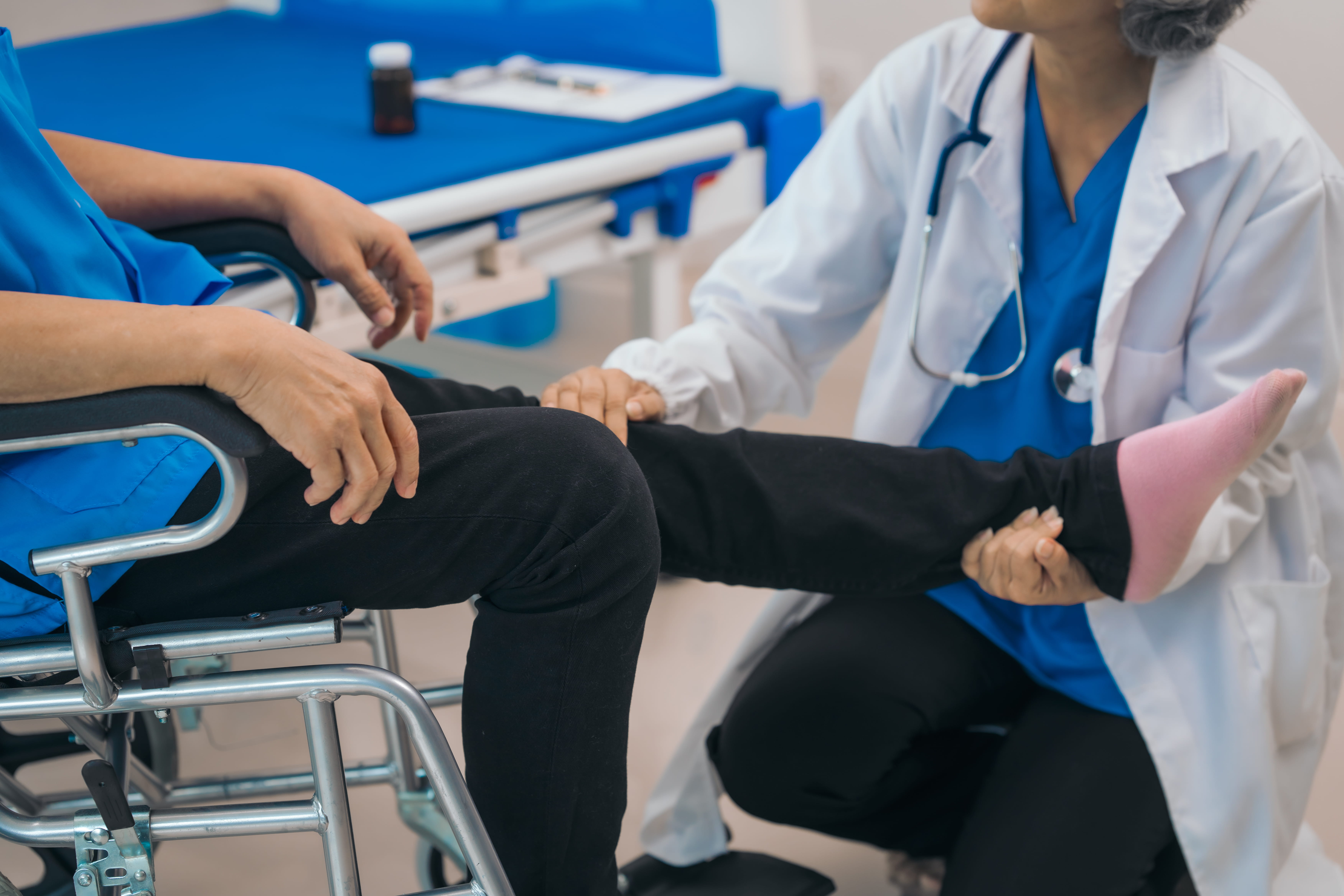
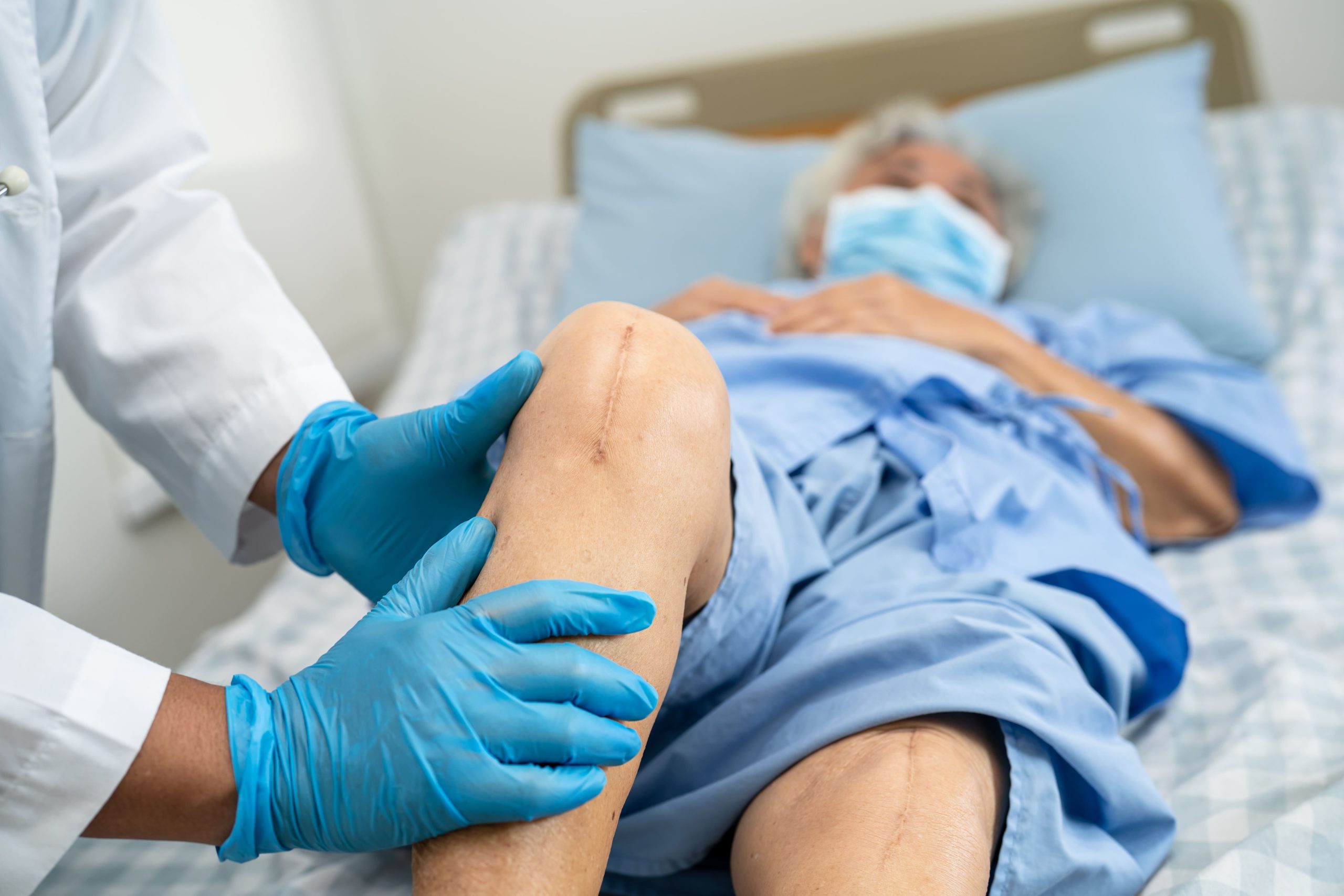
Unicompartmental knee replacement resurfaces only the damaged portion of your knee joint, preserving healthy bone, cartilage, and ligaments in the unaffected compartments, unlike total knee replacement, which resurfaces all three compartments, including those that remain healthy. The procedure suits patients with arthritis confined to a single compartment, most commonly the medial (inner) compartment, though lateral (outer) and patellofemoral (kneecap) replacements are also performed.
Partial knee replacement in Singapore has gained recognition as surgical techniques and implant designs have refined patient selection, with the smaller incision, bone preservation, and retention of the cruciate ligaments typically resulting in a knee that feels more natural during movement.
How the Knee’s Three Compartments Function
The knee contains three semi-independent compartments, each bearing specific loads. When only one compartment is affected by arthritis, a total joint replacement may not always be required for every patient.
- Medial (inner): Typically carries the greatest share of load during normal walking, making it the most common site for arthritis.
- Lateral (outer): Bears less weight but provides important stability during side-to-side movements.
- Patellofemoral: Engages primarily during stair climbing, squatting, and rising from a seated position.
- Unicompartmental replacement addresses only the damaged compartment, leaving healthy bone, cartilage, and the anterior cruciate ligament (ACL) intact.
Determining Candidacy for Partial Replacement
Partial knee replacement is appropriate for a specific patient profile. The suitable candidate has arthritis isolated to one compartment with intact ligaments and correctable alignment.
Clinical Assessment Criteria
Surgeons evaluate a specific set of physical and functional criteria to determine whether partial replacement is appropriate.
- ACL integrity: A functionally intact ACL is generally required, as deficiency is associated with higher implant wear and loosening, though emerging evidence suggests combined UKA with ACL reconstruction may be suitable in carefully selected patients, with outcomes comparable to total knee replacement.
- Range of motion: Knee flexion should reach at least 90 degrees preoperatively, with fixed flexion contracture within acceptable limits (commonly cited as 5–15 degrees, varying by implant system and surgeon protocol).
- Body mass index: BMI may influence outcomes, though the specific threshold varies among surgeons.
- Arthritis type: Inflammatory conditions such as rheumatoid arthritis typically exclude patients, as the systemic nature affects all compartments.
Imaging Requirements
Weight-bearing X-rays and selective advanced imaging are used to confirm the extent and distribution of arthritis before surgery.
- Weight-bearing X-rays: Reveal true joint space narrowing that non-weight-bearing images may underestimate, with surgeons assessing alignment, bone quality, and adjacent compartment condition.
- MRI: Ordered when ligament damage is suspected, or cartilage loss in other compartments is unclear on X-ray, though MRI can overestimate pathology or ACL deficiency, potentially excluding suitable candidates; clinical examination remains central.
- Patellofemoral evaluation: Significant arthritis here may affect suitability for medial or lateral unicompartmental replacement, or suggest patellofemoral replacement as a standalone option in certain cases.
Surgical Techniques and Implant Considerations
Unicompartmental surgery employs either traditional measured resection or robotic-assisted techniques. Both approaches aim for precise implant positioning, as alignment accuracy affects long-term wear patterns.
Implant Design Considerations
Current implants use cobalt-chrome femoral components articulating against polyethene tibial inserts. Two philosophies exist: mobile-bearing designs allow the polyethene to move on the tibial baseplate, while fixed-bearing designs secure the polyethene in place.
Mobile-bearing implants aim to reduce polyethene wear through conforming contact but require precise ligament balancing and carry dislocation risk if the bearing shifts inappropriately. Fixed-bearing implants simplify the surgical technique and are designed to avoid bearing dislocation; data from large joint registries suggest comparable survivorship when appropriately indicated and performed. For lateral unicompartmental replacement in particular, fixed-bearing implants are generally preferred due to the lateral compartment’s greater intrinsic mobility and associated dislocation risk with mobile designs.
Robotic-Assisted Surgery
Robotic systems create three-dimensional models of the patient’s knee from preoperative CT scans. During surgery, the robotic arm aims to constrain bone cuts to the planned positions, helping to avoid deviation beyond preset boundaries.
This technology may help address the technical precision required by unicompartmental surgery, where accuracy in implant positioning can significantly affect outcomes. The smaller implant surfaces leave less margin for error in alignment and ligament tensioning.
💡 Did You Know? The bone cuts for unicompartmental replacement generally remove considerably less bone than total knee replacement, helping preserve the option for conversion to total replacement if needed in the future.
Recovery Timeline and Rehabilitation
Partial knee replacement typically allows faster recovery than total replacement due to smaller incisions, preserved muscles, and retained proprioception from the intact cruciate ligaments.
Hospital Stay and Early Mobilisation
Many patients walk with assistance on the day of surgery or the following morning. Hospital stays typically range from same-day discharge to around two to three days, depending on the care pathway, pain control, mobility milestones, and home support availability.
Initial physiotherapy focuses on regaining knee extension, activating the quadriceps, and safe ambulation with walking aids. The preserved ACL may help patients regain natural walking patterns more readily than after total replacement.
Weeks One Through Six
Patients commonly progress from walking frames to canes during this period. Physiotherapy advances to include stationary cycling, pool exercises if the incision has healed, and progressive strengthening. Many patients are able to drive within four to six weeks if the operated leg is the right leg and they can comfortably perform emergency braking, though individual progress varies.
Three to Six Months
This phase focuses on building strength and endurance for a return to normal activities. Many patients experience a significant return to daily functional activities within three months, with continued improvement in strength and confidence through six months, though individual results vary.
Long-Term Function and Activity Expectations
Many patients with partial knee replacement report that their knee feels more natural compared with those who have had total replacement. The retained cruciate ligaments preserve proprioception, the sense of knee position in space, which may support confidence during activities.
Activity Guidelines
Low-impact activities such as walking, swimming, cycling, golf, and doubles tennis are generally encouraged. The intact lateral compartment and patellofemoral joint in medial unicompartmental replacement continue to experience normal stresses, so activities that place high demand on the remaining native cartilage warrant discussion with your surgeon.
High-impact activities such as running and jumping sports create repetitive stress on both the implant and remaining natural compartments. Individual recommendations depend on age, activity level, and compartment condition.
Implant Longevity
Unicompartmental implants, when placed in appropriately selected patients using precise technique, have demonstrated favourable survival rates in published research. A 2025 narrative review reported survivorship of approximately 98% at 10 years and 91% at 20 years for modern medial UKA implants, though outcomes vary by surgical volume, patient selection, and implant design.
It should be noted that these figures reflect high-volume centre data; national joint registry data indicate that revision rates may be higher in lower-volume settings. The most common reasons for revision include progression of arthritis to other compartments, polyethene wear, and aseptic loosening. Individual results may vary.
Maintaining a healthy weight and avoiding high-impact activities may help protect both the implant and the remaining natural compartments.
Potential Complications and Revision Options
Unicompartmental replacement carries surgical risks similar to other knee procedures, plus considerations specific to partial replacement.
Procedure-Specific Concerns
Bearing dislocation can occur with mobile-bearing implants if ligament balance is imprecise. Component loosening may develop if alignment is suboptimal or bone quality is poor. Progression of arthritis to untreated compartments remains possible regardless of surgical technique, as the procedure addresses damaged cartilage in the affected area but may not prevent deterioration elsewhere.
Revision Pathways
Should a unicompartmental replacement require revision or arthritis progress to other compartments, conversion to total knee replacement is generally considered straightforward. The bone preservation from the original partial replacement typically allows the use of standard total knee components without bone grafting or specialised revision implants.
This convertibility is a relevant consideration for patients who receive partial replacement at a younger age and may require further intervention in later decades.
⚠️ Important Note: Persistent lateral or patellofemoral symptoms after medial unicompartmental replacement may indicate pre-existing arthritis in those compartments that was underestimated preoperatively. Thorough evaluation of all compartments before surgery helps reduce this risk.
Comparing Partial and Total Knee Replacement
The decision between partial and total replacement involves weighing several factors beyond simply compartment involvement.
Considerations for Partial Replacement
- Preservation of the cruciate ligaments may maintain more natural knee kinematics.
- Smaller incisions disrupt less muscle and soft tissue.
- Recovery typically proceeds faster with less postoperative pain.
- Many patients report that their knees feel more natural during activities.
- Revision to total knee replacement is generally considered straightforward if needed.
When Total Replacement Is Preferable
Multi-compartment arthritis, ACL deficiency (in most protocols), significant fixed deformity, inflammatory arthritis, or severe bone loss generally indicate total replacement. Some patients prefer the long-term data and predictability of total replacement, particularly if activity modification is a concern.
The surgeon’s familiarity with unicompartmental surgery is also a relevant factor, as outcomes correlate with surgical volume for this technically demanding procedure.⁵
Putting This Into Practice
Preparing well before surgery covers medical, home, and lifestyle readiness across several areas.
- Medical clearance: Cardiac and general health assessment is required, particularly for patients over 50 or with chronic conditions, typically including blood tests, ECG, and chest X-ray to confirm fitness for anaesthesia.
- Medication review: Your surgeon and anaesthetist will assess blood thinners, diabetes medications, and supplements that may affect bleeding or healing, with some requiring temporary discontinuation.
- Dental clearance: Any active infections can spread to a new implant, so completing needed dental work several weeks before surgery is generally advised.
- Home preparation: Arrange raised toilet seats, shower chairs, and removal of trip hazards; preparing meals in advance and securing help for the first one to two weeks is commonly recommended.
- Prehabilitation: Preoperative physiotherapy exercises can strengthen the quadriceps and familiarise you with the post-surgery programme, supporting a smoother early recovery.
When to Seek Professional Help
- Knee pain that persists despite several months of conservative treatment, including physiotherapy and anti-inflammatory medications
- Night pain that regularly disrupts sleep
- Walking distance limited by knee pain to less than a few hundred metres
- Difficulty with stairs that affects daily function
- Stiffness that prevents comfortable sitting or standing
- Knee symptoms affecting work capacity or quality of life
- Previous imaging showing arthritis limited to one knee compartment
Commonly Asked Questions
How do I know if my arthritis is limited to one compartment?
Weight-bearing X-rays may show joint space narrowing in the affected compartment while adjacent compartments retain normal spacing. Clinical examination typically helps identify tenderness localised to one side of the knee. MRI may be used when X-ray findings are borderline or ligament status is uncertain, though MRI should be interpreted with caution, as it can occasionally overestimate pathology.
Will I be able to kneel after partial knee replacement?
Many patients regain comfortable kneeling, though some experience discomfort over the incision site. The preserved compartments and ligaments may allow more natural kneeling mechanics compared with total replacement. Individual experiences vary.
How does robotic surgery differ from conventional partial replacement?
Robotic assistance provides real-time feedback on bone cuts and implant positioning, designed to constrain instruments to the preoperative plan. Conventional surgery relies on mechanical guides and the surgeon’s experience. Both approaches aim for good outcomes when performed by experienced surgeons; the robotic system adds precision safeguards.
What happens if arthritis develops in the other compartments later?
Progression to other compartments may require activity modification, injections, or eventually conversion to total knee replacement. The preserved bone from partial replacement typically allows conversion using standard implants.
Is partial knee replacement suitable for younger patients?
Younger patients with isolated compartment arthritis may be reasonable candidates, particularly given the preserved bone stock for potential future revision. Some registry analyses have associated younger age with slightly increased revision risks. Individual suitability is determined through formal clinical assessment.
Next Steps
Partial knee replacement is generally considered appropriate for patients with arthritis confirmed in a single compartment, a functionally intact ACL (or selected ACL-deficient patients managed with combined reconstruction), and correctable alignment. Accurate patient selection is central to outcomes alongside surgical technique. When these criteria are met, the procedure preserves bone stock for conversion to total knee replacement if arthritis progresses to other compartments in the future.
A formal evaluation, including weight-bearing X-rays and clinical examination, is required to help confirm whether unicompartmental replacement is suitable for your specific pattern of arthritis.
If you are experiencing persistent knee pain localised to one side of the joint, night pain disrupting sleep, or limited walking distance due to knee symptoms, consult an accredited orthopaedic surgeon to determine whether partial knee replacement may be appropriate for your condition. Individual results may vary.