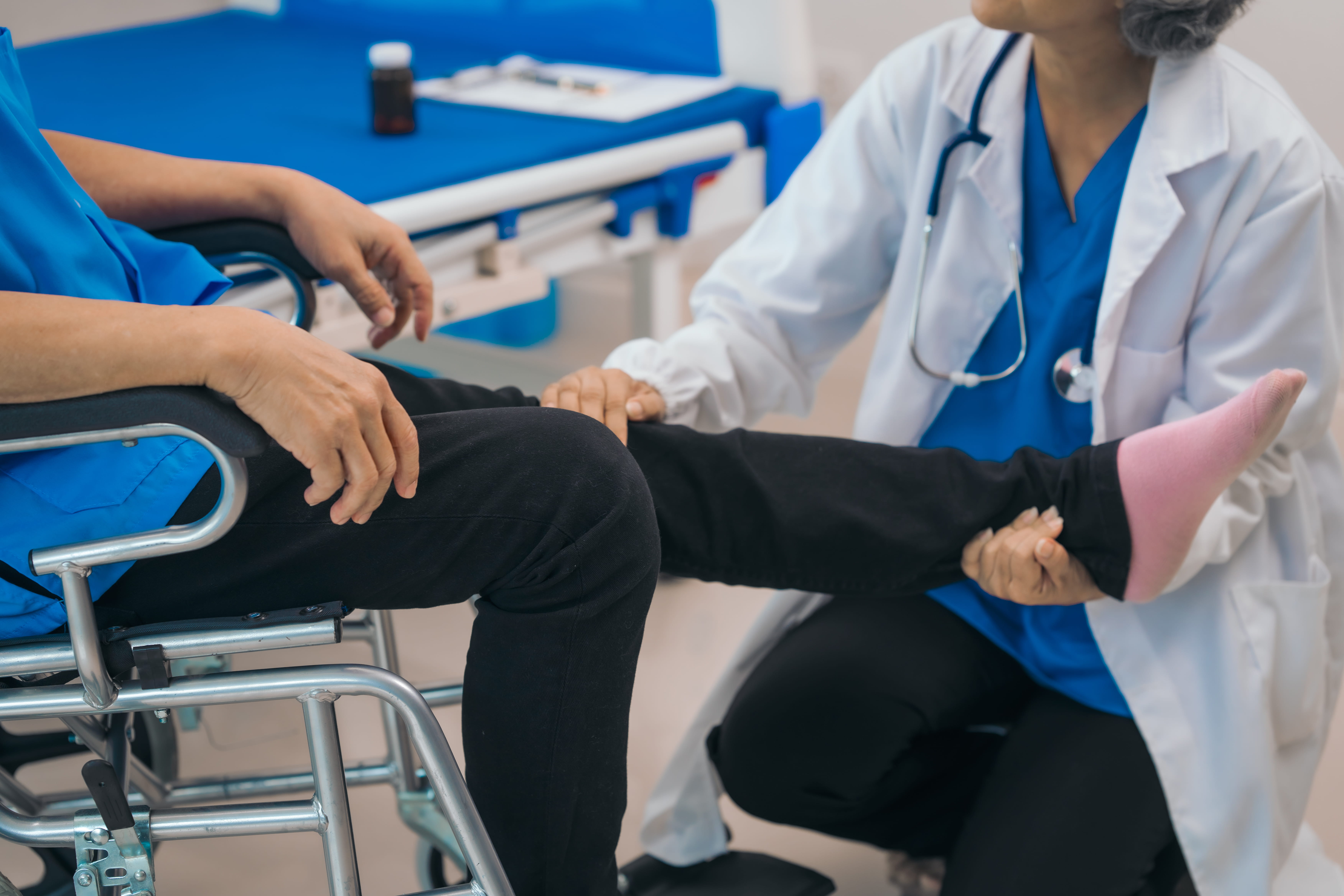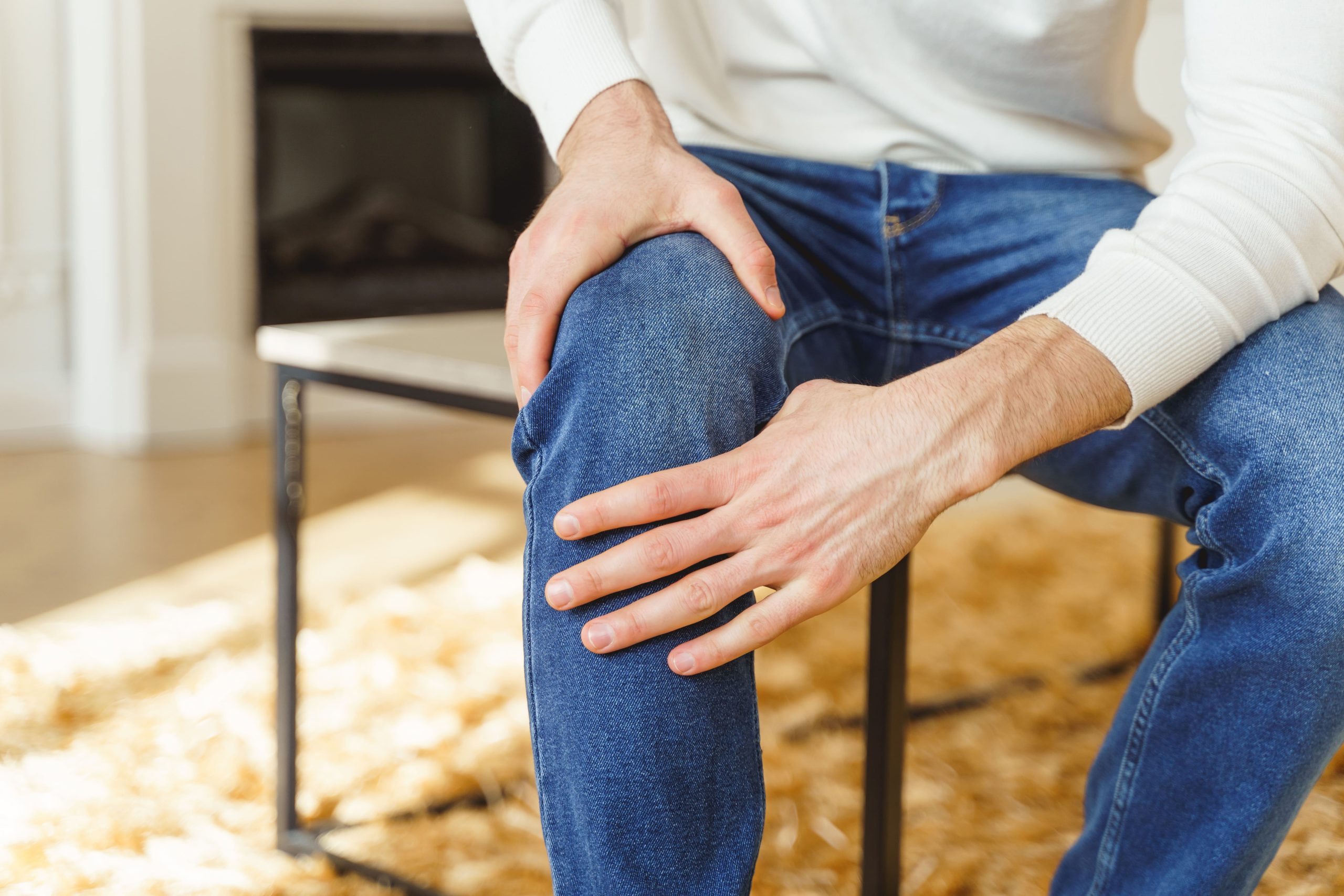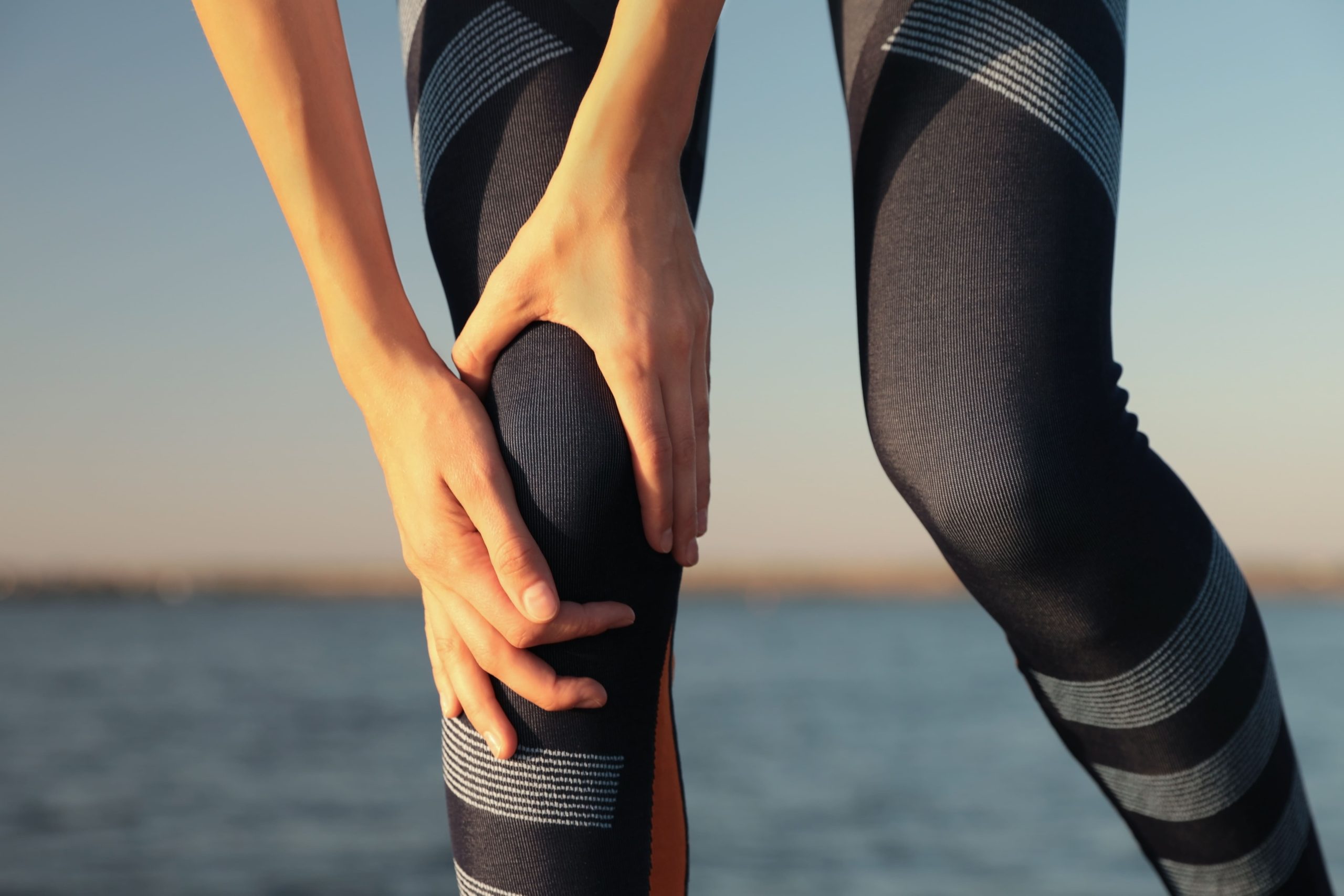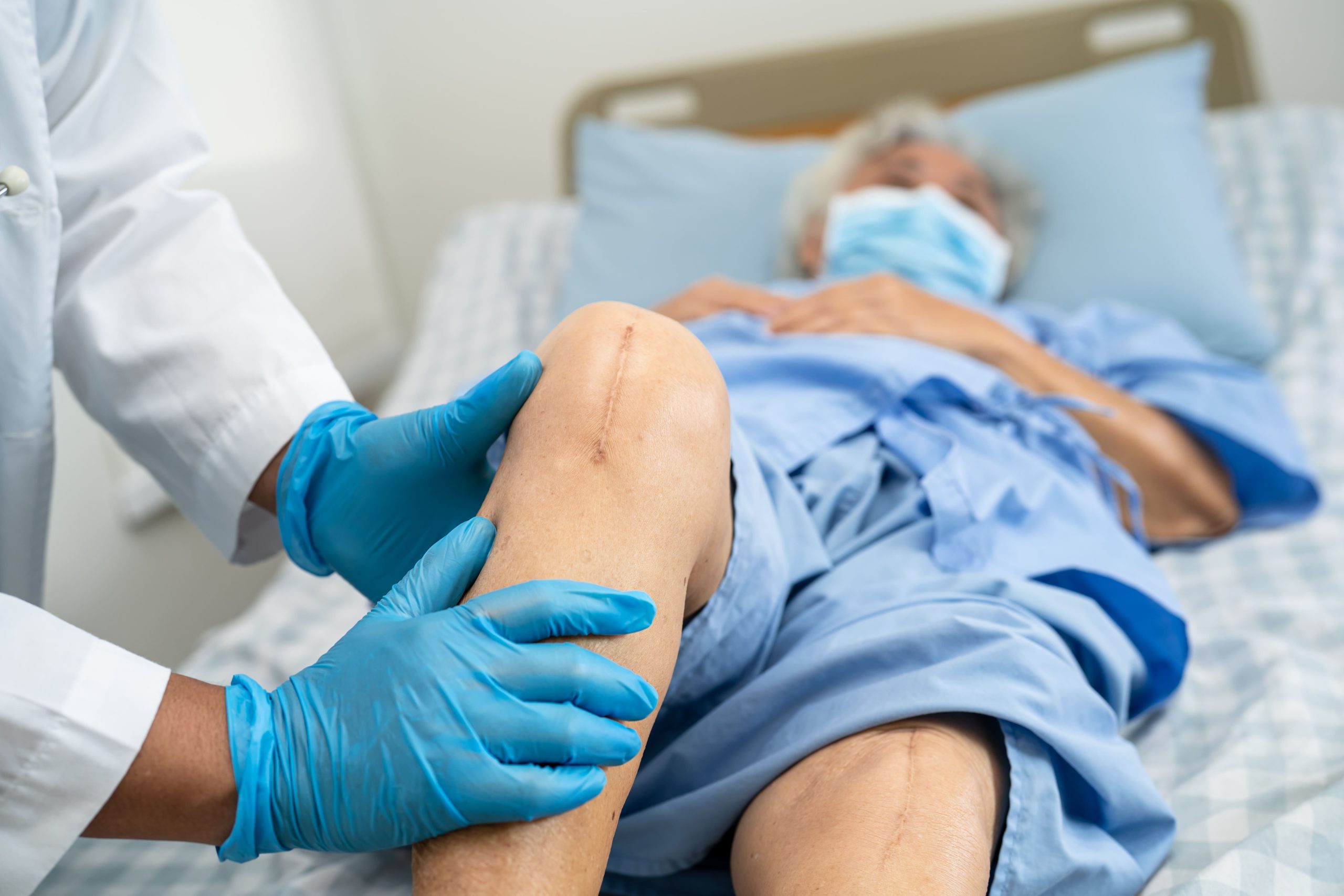
Excess body weight significantly amplifies the load placed on the knee — studies indicate that each kilogram of body weight can multiply the force experienced at the knee joint during walking, with this effect compounding across thousands of steps each day. This load increases further during activities such as stair climbing.
By managing weight, you simultaneously unload the joint and quiet the inflammatory cascade, giving the remaining cartilage a critical chance to be preserved.
How Excess Weight Damages Knee Cartilage
Articular cartilage functions as a natural shock absorber, but chronic overloading from excess weight disrupts the essential nutrient exchange required for tissue health. Sustained pressure causes cartilage-maintaining cells, or chondrocytes, to die off faster than they can be replaced, leading to the rapid breakdown of the structural extracellular matrix.
Furthermore, excess abdominal weight shifts the body’s centre of gravity, placing disproportionate stress on the medial knee compartment. This uneven loading accelerates localised cartilage loss, eventually resulting in painful bone-on-bone contact.
The Inflammatory Cascade
Body fat functions as an active endocrine organ that releases various bioactive molecules into your bloodstream. In obesity, adipose tissue shifts toward producing pro-inflammatory molecules, including adipokines such as leptin, which research suggests may contribute to cartilage breakdown through inflammatory pathways. These molecules can reach the knee both through the bloodstream and via the infrapatellar fat pad located just below the kneecap.
Dietary Approaches That Support Joint Health
To optimise joint health, focus on nutrient-dense food choices that simultaneously lower body weight and target the biological markers of inflammation.
- Mediterranean Diet: Research suggests that greater adherence to a Mediterranean diet, rich in whole grains, lean proteins, and healthy fats, may be associated with a lower risk of worsening knee osteoarthritis symptoms, though individual responses vary.
- Omega-3 Fatty Acids: Found in fatty fish and walnuts, these healthy fats may help moderate inflammatory pathways associated with joint cartilage breakdown, according to emerging research.
- Antioxidant-Rich Produce: Colourful fruits and vegetables contain compounds that may help reduce oxidative stress and inflammation in the joints, which are factors associated with cartilage deterioration.
- Caloric Restriction: Managing overall caloric intake to support gradual, sustainable weight loss remains one of the key strategies for reducing the mechanical load on the knee joints.
Exercise Strategies That Protect Knees Whilst Promoting Weight Loss
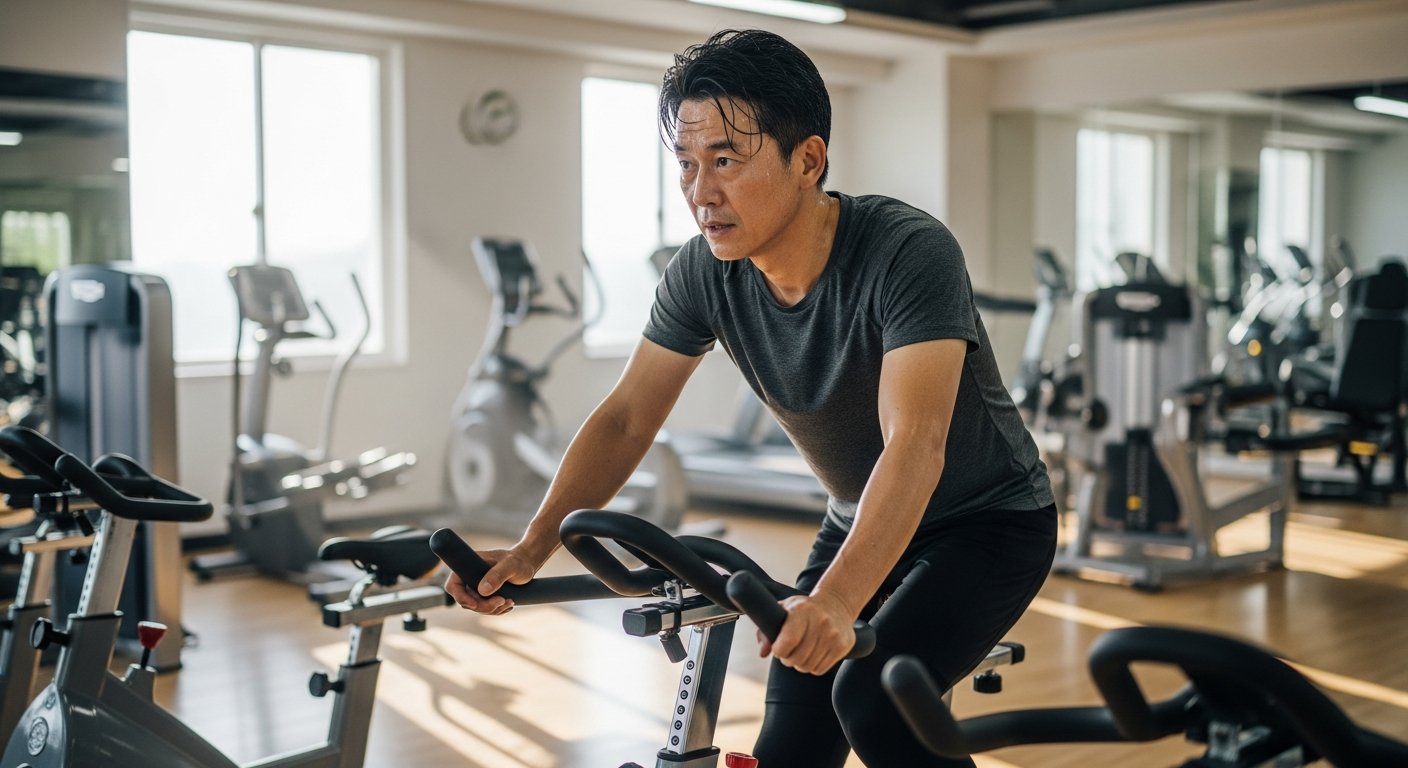
Low-impact activities like aquatic training, cycling, and elliptical use allow for calorie burning and joint mobility while shielding damaged cartilage from repetitive impact forces. To further protect the knee, targeted resistance training—starting with isometric exercises like wall sits—builds a muscular support system that absorbs mechanical stress before it reaches the joint.
Medical and Surgical Considerations
- Enhanced Injection Efficacy: Reducing weight improves the clinical success of treatments like viscosupplementation and corticosteroid injections by lowering the daily mechanical demand on the joint.
- Reduced Surgical Risks: Achieving a lower BMI before knee replacement decreases the likelihood of post-operative complications such as infection, blood clots, and delayed healing.
- Extended Implant Longevity: Maintaining a healthy weight after surgery protects the prosthetic components from excessive force, significantly reducing the risk of premature implant loosening.
- Improved Physical Therapy: A lighter frame allows for more effective rehabilitation and strengthening, which are essential for restoring functional mobility after surgery.
Practical Weight Management Strategies
Sustainable weight loss requires systematic behaviour changes rather than short-term restrictive diets. Small, consistent modifications accumulate into meaningful results over months and years.
- Track food intake using a smartphone application or written diary to identify unconscious eating patterns and portion sizes that contribute to caloric excess
- Reduce liquid calories from sweetened beverages, alcohol, and speciality coffee drinks, which contribute substantial energy without promoting satiety
- Increase vegetable volume at meals to enhance fullness whilst reducing caloric density of the overall meal
- Consider establishing regular meal timing, as research suggests that consistent eating patterns and avoiding late meals may support weight management, though individual responses can vary.
- Aim for adequate sleep each night, as research suggests that insufficient sleep may be associated with increased appetite and a tendency toward higher calorie intake, though the exact mechanisms are still being investigated.
When to Seek Professional Help
- Knee pain that persists beyond two weeks despite rest and over-the-counter pain relief
- Morning stiffness in the knee lasting longer than a short period
- Visible swelling, warmth, or redness around the knee joint
- Knee pain that disrupts sleep or limits daily activities
- Catching, locking, or giving way sensations in the knee
- Difficulty losing weight despite dietary and exercise modifications
Commonly Asked Questions
Does losing weight actually reverse knee osteoarthritis damage?
Weight loss cannot regenerate cartilage that has already been lost. However, it slows further deterioration, reduces inflammation, and improves symptoms. Some patients experience substantial pain relief even without structural improvements visible on imaging (such as X-rays or MRIs). This is likely due to reduced inflammation and decreased mechanical stress on remaining cartilage.
How quickly will I notice improvement in knee pain after losing weight?
The timeline for noticing improvement varies between individuals and depends on factors such as the severity of your condition, the amount of weight lost, and your overall approach to management. Research indicates a dose-response relationship between weight loss and symptom relief — a reduction of body weight has been associated with some alleviation of joint discomfort, while a loss of 10% or more is associated with more substantial clinical improvement in pain and function. This level of weight reduction typically occurs over several months with consistent dietary and lifestyle changes.
Should I avoid all exercise if my knees hurt during activity?
Complete rest accelerates muscle weakness and joint stiffness. This worsens long-term outcomes. The goal is to find appropriate activities rather than avoiding movement entirely. Low-impact options like swimming, cycling, and water aerobics provide exercise benefits whilst minimising joint stress. Some muscle soreness during exercise initiation is normal. However, sharp pain signals a need to modify the activity.
Can weight loss medications help with knee osteoarthritis?
Medically supervised weight management, which may sometimes include prescription medications, can help patients achieve substantial weight loss when lifestyle modifications alone are insufficient. By reducing excess weight, these approaches indirectly benefit knee osteoarthritis by lowering joint stress. Some researchers are also investigating if modern weight-loss medications have direct anti-inflammatory effects on joints, though this is still being studied. Discuss your options with your doctor to see if a medical weight management plan is appropriate for you.
Is there an ideal body weight for knee health?
Body mass index (BMI) is sometimes used as a general reference, but it has limitations as a measure of joint health on its own, as it does not distinguish between fat mass and muscle mass. Your doctor can help determine a more meaningful assessment for your individual circumstances.
Next Steps
Weight loss cannot reverse cartilage damage, but it can slow deterioration and reduce pain by decreasing joint loading and inflammation. Start with low-impact activities like swimming or cycling while making dietary changes that reduce both calories and inflammation.
Strengthening exercises, particularly targeting the quadriceps, may help support the knee joint and contribute to reduced loading over time. Your doctor can advise on the most suitable programme for your condition.
Dr Wang Lushun can help you develop a personalised management plan or a knee replacement surgery in Singapore to ensure these lifestyle changes effectively protect your long-term joint health.