
Does your knee grind or catch when you climb stairs? Knee osteoarthritis reduces the natural hyaluronic acid concentration in joint fluid significantly. This fundamentally changes how the joint surfaces interact during movement. This biochemical shift, combined with progressive cartilage wear, creates the characteristic pain and stiffness that interfere with daily activities.
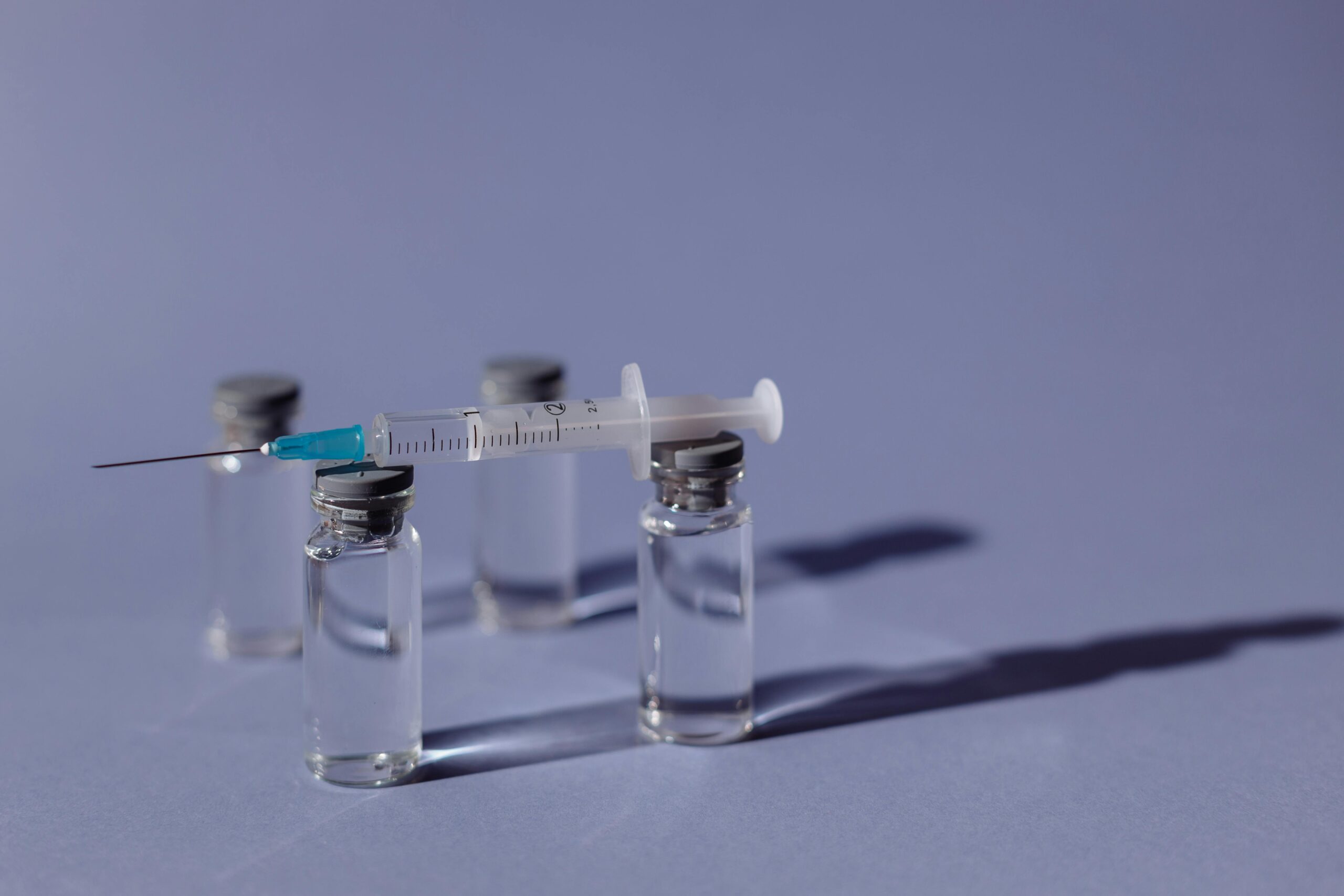
Non-surgical knee injections for osteoarthritis target these specific changes through different mechanisms. Viscosupplementation replaces depleted joint lubricant while platelet-rich plasma (PRP) attempts to modify the disease process itself.
How Viscosupplementation Works
Viscosupplementation involves injecting high-molecular-weight hyaluronic acid directly into the knee to restore the lubricating and shock-absorbing properties of depleted synovial fluid. Mechanically, this gel-like substance cushions the joint and reduces friction between cartilage surfaces during daily weight-bearing activities.
Beyond simple lubrication, the treatment works biologically by binding to specific cell receptors to reduce inflammation and stimulate the body’s natural production of joint fluid.
Treatment Protocols
Viscosupplementation protocols vary by product formulation:
- Single-injection products use highly cross-linked hyaluronic acid that persists longer in the joint space
- Three-injection series delivered weekly using medium molecular weight formulations
- Five-injection series using lower molecular weight preparations requiring more frequent administration
Peak effectiveness typically occurs several weeks after completing the injection series. Benefits can potentially last many months. The delayed onset reflects the time needed for the biological effects to manifest beyond simple lubrication.
The Science Behind PRP Therapy
PRP therapy uses a high concentration of platelets from your own blood to deliver essential growth factors directly to damaged joint tissue. These molecules trigger biological processes such as stem cell recruitment and collagen synthesis to modulate inflammation and potentially slow cartilage wear. By targeting the underlying disease biology rather than just lubricating the joint, PRP aims to provide more than just temporary symptomatic relief.
Preparation Variables
PRP preparation methods significantly affect the final product:
Leukocyte concentration determines whether the preparation is leukocyte-rich (LR-PRP) or leukocyte-poor (LP-PRP). Leukocyte-poor preparations may cause less post-injection inflammation. These are often preferred for joint injections.
Platelet concentration varies based on centrifugation protocols. Very high concentrations may paradoxically inhibit cellular activity. This suggests a therapeutic window exists.
Activation status refers to whether platelets are pre-activated with calcium chloride or thrombin before injection. This affects growth factor release kinetics.
💡 Did You Know?
The concentration of growth factors in PRP can vary considerably between different preparation systems, which partly explains why clinical trial results differ so significantly across studies.
Selecting the Appropriate Injection Type
Your doctor will select the appropriate treatment based on your individual factors. These include:
- Disease stage
- Age
- Specific symptoms
Factors Favouring Viscosupplementation
Disease stage influences treatment selection. Moderate osteoarthritis (Kellgren-Lawrence grade 2-3) with predominant mechanical symptoms—stiffness after rest, pain with prolonged walking—often responds well to viscosupplementation’s lubricating effects.
Predictable outcomes matter for patients wanting established treatment. Viscosupplementation’s longer track record provides more reliable expectations regarding benefit duration and response rates.
Specific product approval exists for viscosupplementation in knee osteoarthritis. PRP use remains off-label despite widespread clinical application.
Factors Favouring PRP
Earlier disease stages may benefit more from PRP’s biological approach when cartilage retains regenerative capacity. Younger patients with mild osteoarthritis and preserved joint space represent the theoretical ideal candidates.
Failed viscosupplementation sometimes prompts consideration of PRP as an alternative mechanism. Some patients who don’t respond to hyaluronic acid may experience benefit from growth factor therapy.
Combined pathology involving ligament or meniscal degeneration alongside cartilage wear may respond to PRP’s broader tissue effects. This differs from the joint-specific action of viscosupplementation.
What to Expect During Treatment
Pre-Injection Considerations
Both treatments require review of current medications. Blood thinners (medications that prevent blood clots) may need temporary cessation—typically several days before injection, depending on the specific medication. Healthcare providers usually stop non-steroidal anti-inflammatory drugs (NSAIDs, such as ibuprofen or naproxen) prior to PRP to avoid platelet function interference. This restriction doesn’t apply to viscosupplementation.
Active infection anywhere in the body contraindicates injection until resolved. Skin conditions over the injection site require treatment before proceeding.
The Injection Process
Viscosupplementation: This is a “shelf-ready” procedure in which a pre-packaged hyaluronic acid gel is injected directly into the knee, often with ultrasound guidance to ensure the lubricant reaches the precise area of cartilage wear.
Platelet-Rich Plasma (PRP): This multi-step process begins with a standard blood draw; your blood is then placed in a centrifuge to separate and concentrate healing platelets, after which the resulting plasma is injected back into the joint.
Patient Experience: To ensure comfort, a local anaesthetic is applied to the skin; while you might feel a sensation of pressure as the fluid enters the joint space, the process is designed to be minimally invasive and relatively painless.
Post-Injection Protocol
Temporary activity modification applies to both treatments:
- Avoid strenuous activity for a short period
- Apply ice for brief periods several times daily to reduce post-injection swelling
- Bear weight as tolerated for daily activities
- Return gradually to exercise over a short timeframe
PRP may cause more initial discomfort than viscosupplementation due to the inflammatory response triggered by growth factor release. This typically resolves within several days. Viscosupplementation occasionally causes a pseudo-septic reaction with significant swelling.
Combination and Sequential Approaches
Some treatment protocols combine both injection types either simultaneously or sequentially. The rationale is that PRP addresses underlying disease modification, while viscosupplementation provides immediate symptomatic relief. This occurs during the weeks before PRP benefits manifest.
Sequential treatment alternating between viscosupplementation and PRP every few months represents another approach. Evidence supporting combination strategies remains preliminary.
Realistic Outcome Expectations
Neither injection type regenerates lost cartilage nor reverses structural joint damage. The goal is symptom management and, potentially, slowing progression while maintaining function.
Response rates vary considerably. Many appropriately selected patients experience meaningful improvement with either treatment. Non-responders exist for both approaches. Predicting individual response remains imprecise.
Temporary benefits require acceptance that repeat injections become necessary. Planning for ongoing treatment rather than expecting permanent resolution from a single course aligns expectations appropriately.
✅Did You Know?
Track your symptoms using a simple diary to record pain levels, walking distance, and stair-climbing difficulty before and after the injection. This objective record helps determine whether repeat treatment provides sufficient benefit to justify continuation.
When Injections May Not Be Appropriate
Injection therapies are not universal solutions and may be ineffective if the underlying knee pathology is structural or inflammatory rather than degenerative.
- Advanced Bone-on-Bone OA: Severe joint space narrowing typically requires surgical intervention like knee replacement rather than lubrication.
- Structural Instability: Ligament tears or significant limb malalignment often necessitate mechanical correction before considering injections.
- Mechanical Blockages: The presence of “loose bodies” or bone fragments within the joint usually requires surgical removal.
- Inflammatory Conditions: Autoimmune issues like rheumatoid arthritis or gout require systemic medical treatment rather than local OA therapies.
When to Seek Professional Help
- Knee pain persisting beyond several weeks despite rest and over-the-counter pain relief
- Morning stiffness lasting more than a moderate period
- Difficulty with stairs, squatting, or rising from seated positions
- Grinding or catching sensations within the knee joint
- Swelling that recurs after activity
- Pain limiting your usual walking distance or exercise participation
- Previous injection treatments no longer provide adequate duration of relief
Commonly Asked Questions
How long do I need to wait between different types of injections?
Most protocols recommend waiting at least several months between viscosupplementation and PRP if switching between treatments. This allows adequate time to assess the response to the initial injection. It ensures the joint environment has stabilised before introducing a different therapeutic agent.
Can I receive injections in both knees during the same visit?
Healthcare providers commonly perform bilateral viscosupplementation in a single session. PRP bilateral injections depend on the volume of blood that can be safely drawn and processed. Some systems yield sufficient PRP for both knees, while others require separate appointments. Your doctor can provide personalised recommendations based on the specific preparation protocol used.
Will I need imaging before receiving knee injections?
Recent X-rays (within a reasonable timeframe) help confirm the osteoarthritis diagnosis and stage it. This influences treatment selection. MRI isn’t routinely required unless additional pathology, like a meniscal tear,s is suspected. Ultrasound during the procedure guides needle placement but doesn’t require advance scheduling.
How many injection courses can I receive over time?
No absolute limit exists for either treatment. Clinical decisions weigh ongoing benefit against diminishing returns. Patients receiving annual viscosupplementation for many years have been documented to have no significant adverse effects. The appropriateness of continued injection therapy versus surgical consideration requires periodic reassessment.
Are these injections painful?
A local anaesthetic numbs the skin and superficial tissues. This makes the needle insertion similar to a blood draw. The injection itself causes temporary pressure sensation. Post-procedure discomfort varies. PRP typically causes more soreness for several days compared to viscosupplementation. Severe pain or fever following an injection requires prompt medical evaluation.
Next Steps
Viscosupplementation and PRP each address different aspects of knee osteoarthritis—one replenishes depleted joint lubricant, while the other aims to modify the disease through growth factors. Treatment selection depends on your disease stage, symptom pattern, and whether previous injections have provided adequate relief.
If you’re experiencing persistent knee pain, grinding sensations, or difficulty climbing stairs, an orthopaedic surgeon can evaluate your condition and discuss whether viscosupplementation, PRP, or other treatment options are appropriate for your situation.