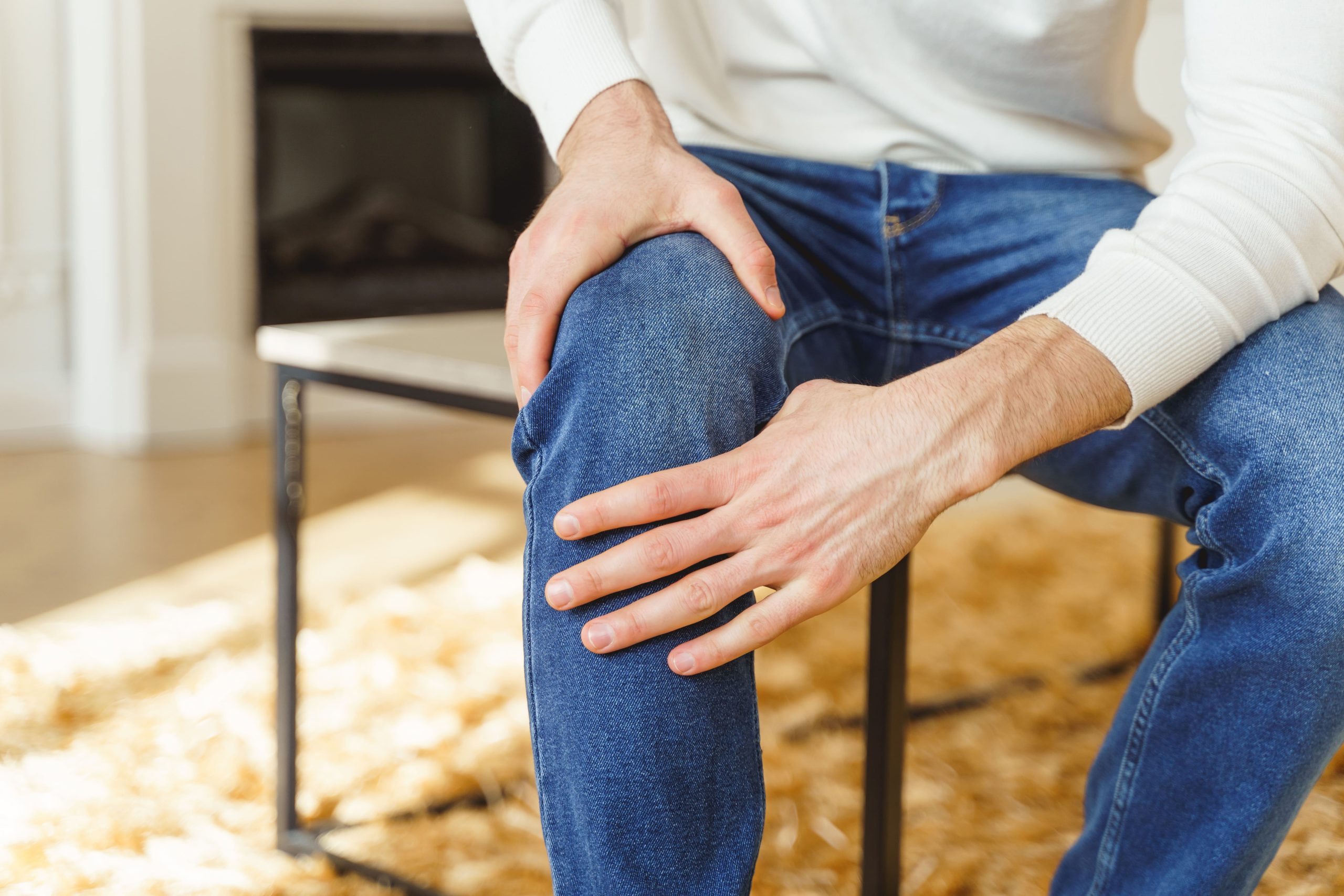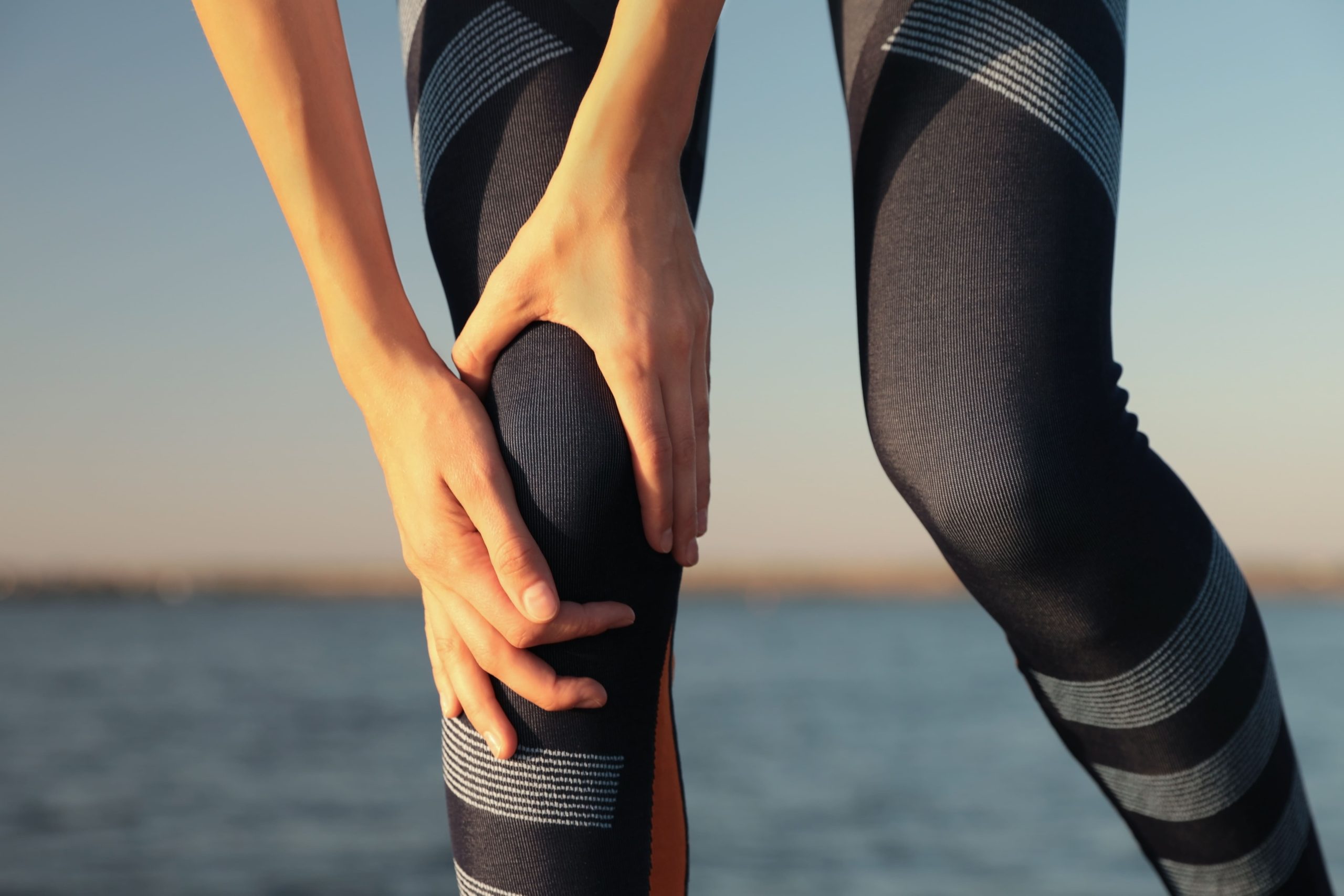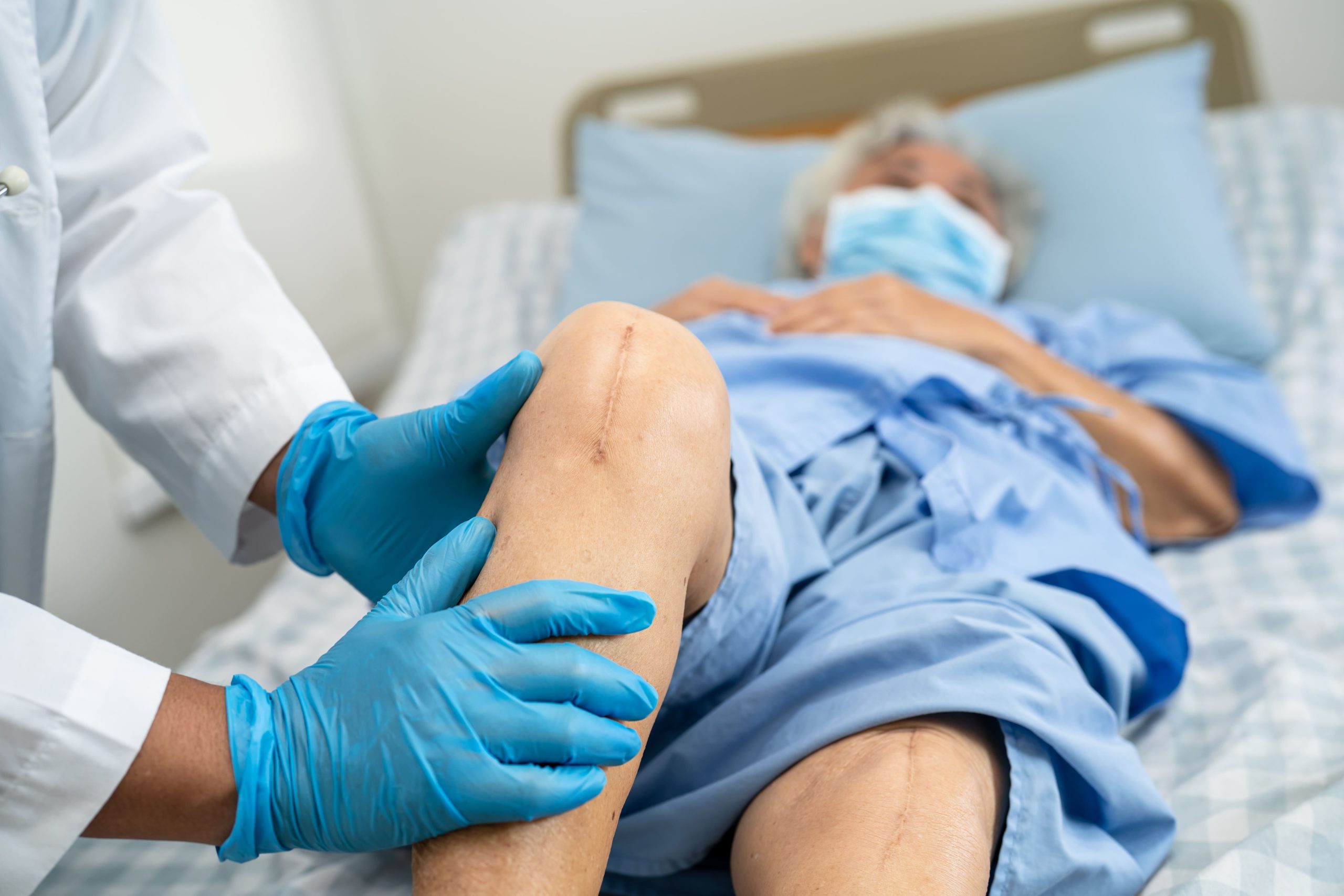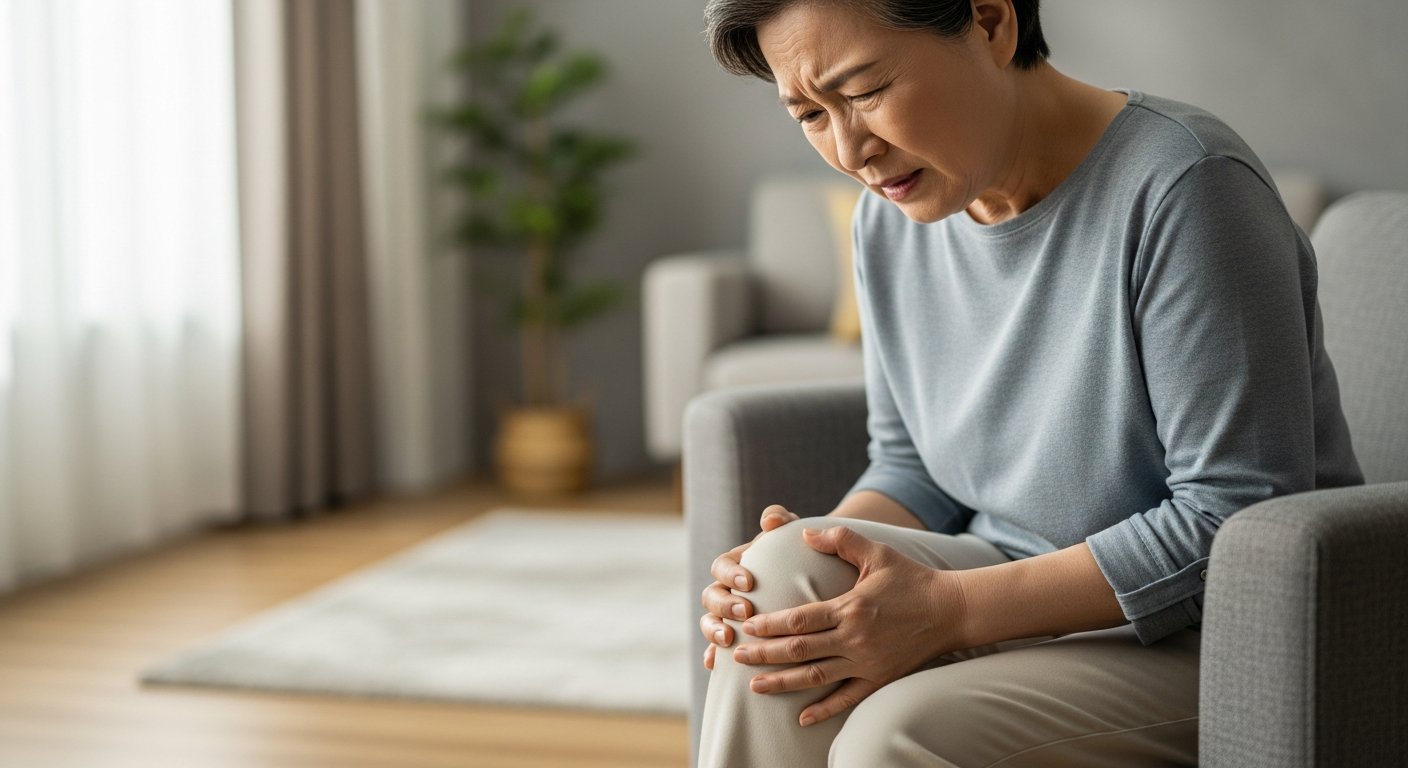
Knee pain during squatting is one of the most common complaints seen in orthopaedic practice. The squat movement demands a full range of motion under load, making it one of the first activities to expose underlying knee problems. Pain can arise from the patellofemoral joint (where the kneecap meets the thigh bone), the menisci (the shock-absorbing cartilage between the thigh bone and shin bone), the surrounding ligaments, or the knee tendons. Each structure produces distinct pain patterns that help guide diagnosis and treatment.
The Four Common Causes of Squatting Knee Pain
Squatting loads the knee through its full range of motion, making it one of the first movements to expose problems in any of these four structures.
Patellofemoral Pain Syndrome
The patella (kneecap) sits within a groove on the femur (thigh bone) and glides up and down as the knee bends and straightens. When tracking becomes abnormal, due to muscle imbalances, alignment issues, or overuse, friction and pressure develop, causing pain around or behind the kneecap that worsens with squatting, stair climbing, and prolonged sitting. Contributing factors include weakness in the hip abductors and external rotators, iliotibial band tightness, quadriceps imbalance, flat feet, and sudden increases in training volume.
Meniscus Injuries
The medial and lateral menisci are C-shaped cartilage structures that absorb shock, distribute load, and contribute to stability between the femur and tibia (shin bone). Tears can be traumatic, from a twisting injury such as a deep squat combined with rotation, or degenerative, developing gradually with age, with pain typically localising to one side of the joint line. Swelling from inner-zone tears develops gradually over 24 hours or more, while tears in the outer vascular zone can cause more rapid swelling due to bleeding within the joint.
Ligament-Related Discomfort
The cruciate and collateral ligaments maintain knee stability throughout movement. While complete tears typically follow acute injury, partial injuries and residual ligamentous laxity (looseness) can cause discomfort during loaded squatting. A knee with ligament deficiency may feel unstable or shift subtly at certain angles, creating pain and apprehension. Medial collateral ligament strain produces pain along the inner knee and is aggravated by activities that push the knees inward during squatting.
Tendon Problems
The patellar tendon connects the kneecap to the shin bone, while the quadriceps tendon attaches the quadriceps muscle to the top of the patella; both undergo significant stress during squatting.
Patellar tendinopathy (jumper’s knee) causes pain at the lower pole of the kneecap that is provoked by loading activities such as squatting and jumping. In earlier stages, pain may appear at the start of activity and ease as the tendon warms up, only to return afterwards. As the condition progresses, pain can persist throughout activity and linger well after, no longer following the warm-up relief pattern.
How Squatting Technique Affects the Knee
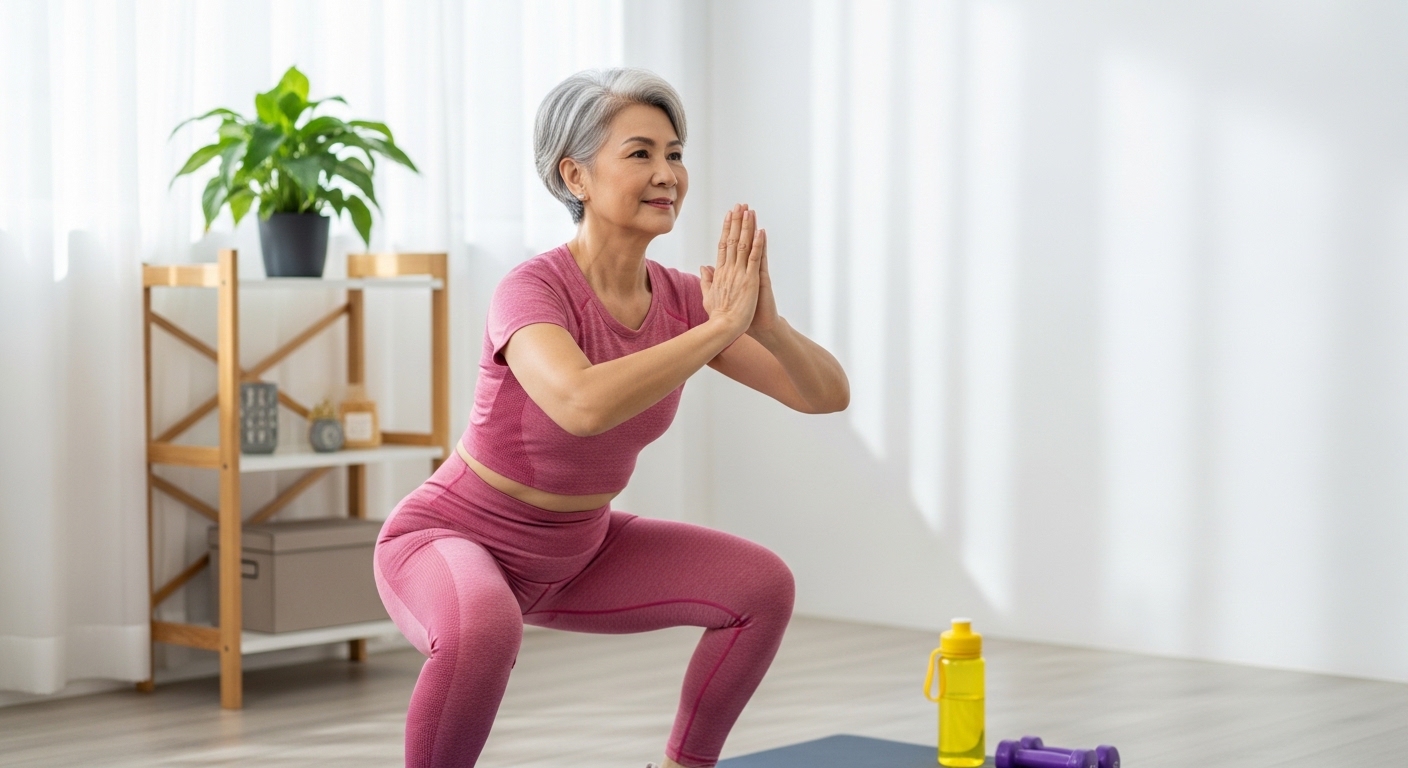
Squatting form significantly influences joint loading. Allowing the knees to collapse inward during descent increases patellofemoral compression and stresses the medial structures. This often stems from hip weakness rather than deliberate movement. Excessive forward knee travel combined with heel rise increases patellofemoral joint loading. Restricted ankle mobility, the ability to bring the toes toward the shin, can cause compensatory heel rise or excessive trunk lean, both of which affect knee mechanics adversely.
What Your Pain Pattern Reveals
Where and when your knee hurts can point toward which structure is involved. Pain location, behaviour, and swelling pattern each provide useful diagnostic clues.
- Front-of-knee pain: Discomfort around or behind the kneecap that worsens with prolonged sitting or stair climbing suggests patellofemoral involvement.
- Joint line pain: Pain along the inner or outer knee, accompanied by catching or locking points toward meniscal pathology.
- Activity-related pain: Discomfort that eases with warming up but returns after activity is more consistent with tendinopathy.
- Swelling pattern: Rapid swelling within hours suggests bleeding within the joint, often from a cruciate ligament or peripheral meniscal injury, while swelling that develops gradually overnight indicates inflammatory fluid build-up.
Managing Symptoms While Training
Adjusting squat parameters may help reduce symptoms while maintaining activity. Reducing depth to a ‘box squat’ or stopping just above parallel can help lower patellofemoral compressive forces, which often peak near the 90-degree mark. A wider stance with toes pointed outward generally shifts more emphasis to the hip musculature. Slowing the descent and eliminating the bounce at the bottom aims to reduce peak tendon loading.
Some evidence suggests knee sleeves may provide warmth and proprioceptive feedback, though individual results vary.
However, they do not address underlying causes and are not a substitute for proper rehabilitation.
Building Long-Term Knee Resilience
Addressing the underlying contributors to knee pain may help prevent it from recurring. Structured strengthening, flexibility work, and gradual loading generally form the foundation of a resilient knee.
- Hip strengthening: Targeting the gluteus medius and external rotators aims to improve lower limb alignment and reduce stress on the knee during squatting.
- Quadriceps strengthening: Exercises such as straight-leg raises, terminal knee extensions, and limited-range leg press can support the patellofemoral joint when direct squatting is not yet tolerable.
- Flexibility work: Addressing tightness in the iliotibial band and hip flexors may help restore proper squat mechanics and reduce compensatory loading on the knee.
- Progressive loading: Tendons, cartilage, and bone adapt to stress over time, returning to heavy squatting before tissues have sufficiently recovered increases re-injury risk.
When to Seek Professional Help
- Pain persisting beyond two weeks despite rest and activity modification
- Knee swelling that does not resolve within several days
- Mechanical symptoms such as locking, catching, or giving way
- Inability to bear weight comfortably
- Pain that worsens progressively rather than fluctuates
- Instability or the sensation that the knee may buckle
- Night pain disturbing sleep
If you are suffering with any of the symptoms above, you might want to consult with a Knee Specialist in Singapore.
Commonly Asked Questions
Can I continue squatting with knee pain?
Mild discomfort that does not worsen during or after activity may be manageable with modifications such as reduced depth, adjusted stance, or lighter loading. Pain that increases during the session, affects walking afterwards, or is accompanied by swelling suggests tissue tolerance has been exceeded.
Should I use a knee brace for squatting?
Compression sleeves offer warmth and proprioceptive feedback. Hinged braces may provide additional support for ligament deficiencies. Bracing can provide symptomatic relief but does not treat the underlying cause. If bracing is required to squat comfortably, investigating and managing the underlying problem remains important.
How long does squatting-related knee pain take to resolve?
Minor muscular or technique-related discomfort may resolve within days of modification. Tendinopathy typically requires weeks to months of graduated loading.
Will squatting knee pain lead to arthritis?
Recreational squatting with proper technique does not appear to cause arthritis in healthy individuals, but prolonged or high-volume squatting under load, particularly in the context of pre-existing joint damage, may contribute to degenerative changes.
Next Steps
Patellofemoral issues may respond to strengthening and technique modification, depending on the severity and underlying cause. Meniscal problems may require imaging to determine the appropriate treatment approach. Tendinopathy typically improves with progressive loading protocols. Accurate diagnosis helps guide appropriate intervention options.
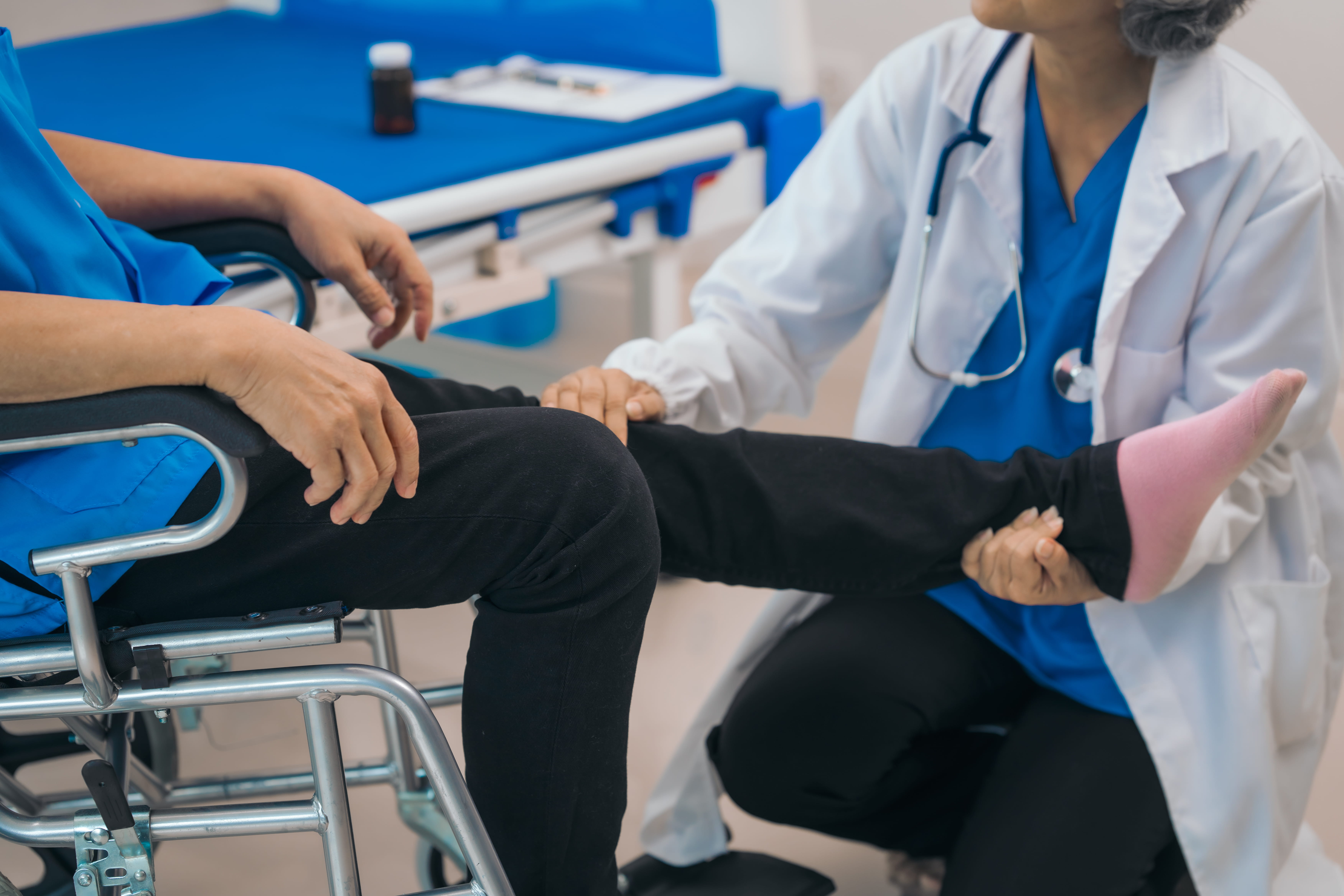
If you are experiencing persistent knee pain when squatting, locking, catching, or instability, seek evaluation from an orthopaedic surgeon to get a personalized care plan or a knee replacement surgery in Singapore.