As the body’s most mobile joint, the shoulder relies on a complex network of soft tissues rather than bone to maintain stability.
When a shoulder dislocation damages these structures, such as the labrum and ligaments, the joint becomes increasingly vulnerable to “popping out” again with minimal force. For many patients, particularly younger individuals, this initial injury may not heal adequately, leading to recurrent instability that can eventually interfere with both sports and simple daily activities.
Anatomy of Shoulder Instability
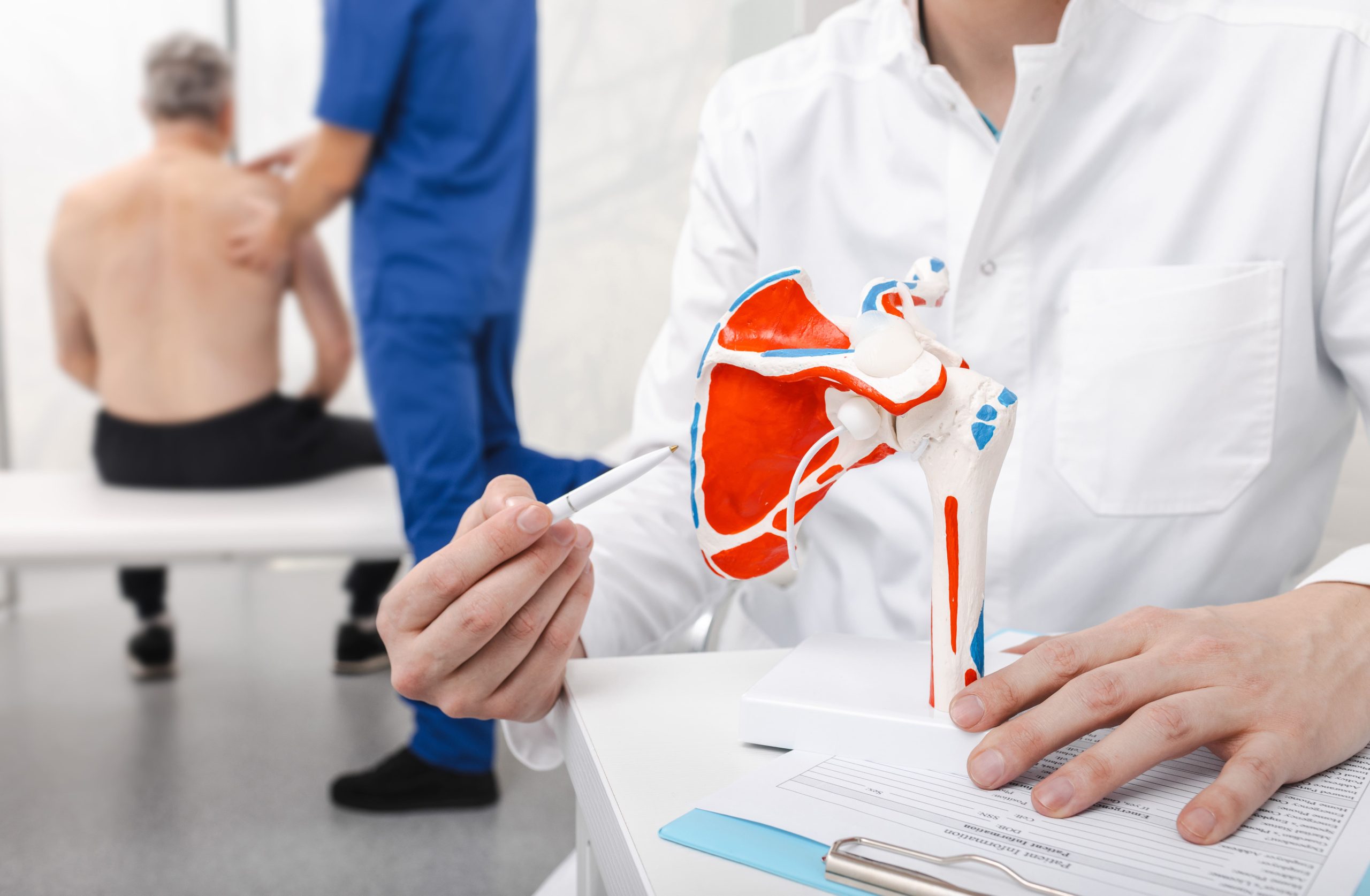
The shoulder joint functions like a golf ball on a tee, where a large humeral head rests against a shallow glenoid socket to allow for a remarkable range of motion. This inherent instability is managed by the labrum and ligaments, which work together to deepen the socket and anchor the joint during movement.
- Labrum: This ring of cartilage deepens the socket and serves as the essential attachment point for ligaments that prevent the arm bone from sliding too far.
- Bankart Lesion: During a dislocation, the labrum often tears away from the bone, disrupting the joint’s primary anchor and preventing the ligaments from stabilising the shoulder.
- Hill-Sachs Lesion: The impact of a dislocation creates a compression fracture or ‘dent’ in the posterolateral humeral head. In larger lesions, the anterior rim of the glenoid can lock into this defect during arm elevation and external rotation, triggering further instability or redislocation.
Why Some Shoulders Keep Dislocating
The risk of repeat dislocations is heavily influenced by a patient’s age and activity level, as certain factors make the shoulder’s soft tissues less likely to heal effectively on their own. Over time, frequent episodes can lead to progressive bone loss, shifting the treatment requirement from simple repairs to more complex reconstructions.
- Patient Age: Younger patients, particularly those under 30, face higher recurrence rates.
- Bone Loss: Each subsequent dislocation can erode the glenoid rim and enlarge head defects, eventually reaching a threshold at which soft-tissue repair alone is no longer sufficient.
- Physical Demands and Laxity: Athletes in overhead or contact sports face an elevated risk of recurrence, and surgical stabilisation may be indicated following failed conservative management. However, individuals with naturally loose joints (hyperlaxity or multidirectional instability) should first complete a structured rehabilitation programme; surgery is considered only when this fails, as hyperlaxity alone is not a primary surgical indication.
Non-Surgical Management Approach
Initial treatment for a first-time dislocation involves reduction (the doctor repositions the shoulder back into its socket), brief immobilisation, and rehabilitation.
Rehabilitation focuses on strengthening the rotator cuff and scapular muscles (shoulder blade muscles). These muscles provide dynamic stability, compensating partially for damaged static restraints. A comprehensive programme typically takes 3-4 months. It should restore full motion and strength before returning to sport.
Non-surgical management works well for:
- First-time dislocations in patients over 30
- Low-demand patients regardless of age
- Dislocations without significant bone loss
- Patients are able to modify activities to avoid provocative positions
Shoulder dislocation rehabilitation protocols emphasise progressive loading of the rotator cuff, proprioceptive training (exercises that improve your awareness of shoulder position) to improve joint position sense, and sport-specific preparation before return to competition.
Indications for Surgical Stabilisation
Surgery may be necessary when recurrent instability persists despite adequate rehabilitation. It may also be needed when patient factors predict near-certain failure of conservative treatment. Your orthopaedic surgeon will determine the need for surgery based on your individual circumstances, including how often dislocations occur, your activity level, and the extent of damage seen on imaging.
Strong indications include:
- Multiple documented dislocations
- Instability during activities of daily living
- Significant glenoid bone loss on imaging
- Engaging Hill-Sachs lesion visible on examination or imaging
- Associated repairable rotator cuff tear
Relative indications include:
- First-time dislocation in a competitive athlete under 25
- High-demand overhead athlete with a single dislocation
- Military or emergency services personnel requiring reliable shoulder function
- Patient preference after informed discussion of recurrence risk
The concept of surgery after a first dislocation remains debated. For young athletes facing substantially elevated recurrence rates, early stabilisation before additional bone loss develops may produce long-term outcomes that differ from delaying treatment through multiple dislocation episodes. This decision requires careful discussion of surgical risks against recurrence probability with your healthcare provider.
Types of Surgical Procedures
Arthroscopic Bankart Repair
This minimally invasive keyhole surgery uses small incisions and a camera to reattach the torn labrum to the socket rim using suture anchors. It is effective for patients with minimal bone loss, and many patients are discharged the same day, with a quicker initial recovery compared to open approaches.
Open Bankart Repair
Performed through a larger incision, this traditional approach is often reserved for high-risk contact athletes or complex revision cases where a more robust tightening of the joint capsule is required. While it offers comparable long-term stability to arthroscopic methods, it may involve a slightly longer recovery due to the impact on surrounding muscles.
Bone Block Procedures (Latarjet/Bristow)
These procedures address significant bone loss by transferring a specific bony projection called the coracoid process, along with its attached muscles, from the front of the scapula to the rim of the glenoid socket to restore its width.
Remplissage
This supplemental technique addresses an engaging Hill-Sachs defect by securing the infraspinatus tendon and posterior capsule into the humeral head defect, converting it into an extra-articular surface that aims to reduce engagement with the glenoid rim during arm elevation. It is typically performed alongside a Bankart repair to address mechanical instability from both sides of the joint.
Recovery and Rehabilitation Timeline
Post-operative rehabilitation follows a structured progression regardless of surgical technique. The repaired tissue needs protection during initial healing, followed by gradual restoration of motion and strength.
Weeks 1-6: Protection Phase
The arm remains in a sling for 4–6 weeks. Passive motion exercises, where the physiotherapist moves the arm, typically begin between 2 and 4 weeks post-surgery, depending on the surgical procedure and surgeon preference, to help maintain mobility without placing undue stress on the repair. Active motion of the elbow, wrist, and hand begins immediately to maintain circulation and prevent distal stiffness.
Weeks 6-12: Motion Phase
Active shoulder motion (moving your arm using your own muscles) begins, progressing from assisted exercises to full self-directed movement. External rotation—the position of instability—is restored gradually to avoid stressing the repair.
Weeks 12-20: Strengthening Phase
Progressive rotator cuff and scapular strengthening begins once full motion is achieved. Resistance exercises advance from bands to weights, emphasising proper scapular mechanics.
Months 5-9: Return to Sport Phase
Contact athletes typically return to competition at approximately 6 months from surgery, with some requiring longer depending on the procedure and individual recovery. Overhead athletes may need additional time to restore the flexibility, rotational strength, and endurance required for throwing.
Clinical Perspective on Surgical Timing
Timing of surgery matters considerably in recurrent instability. Each dislocation causes additional damage to bone and soft tissue. Patients who have dislocated multiple times often show significant bone erosion that wasn’t present after their first episode. This bone loss changes the required procedure from a straightforward arthroscopic repair to a more complex bone block operation.
The conversation about surgery should happen early, particularly in young athletes. Discussing the recurrence risk and the option of early stabilisation allows patients to make well-informed decisions about their management.
Factors That Influence Surgical Success
Several critical biological and lifestyle factors determine the long-term stability and success of a surgical shoulder repair.
- Rehabilitation Compliance: Strict adherence to post-operative physical therapy and avoidance of premature return to contact sports are essential for proper tissue maturation.
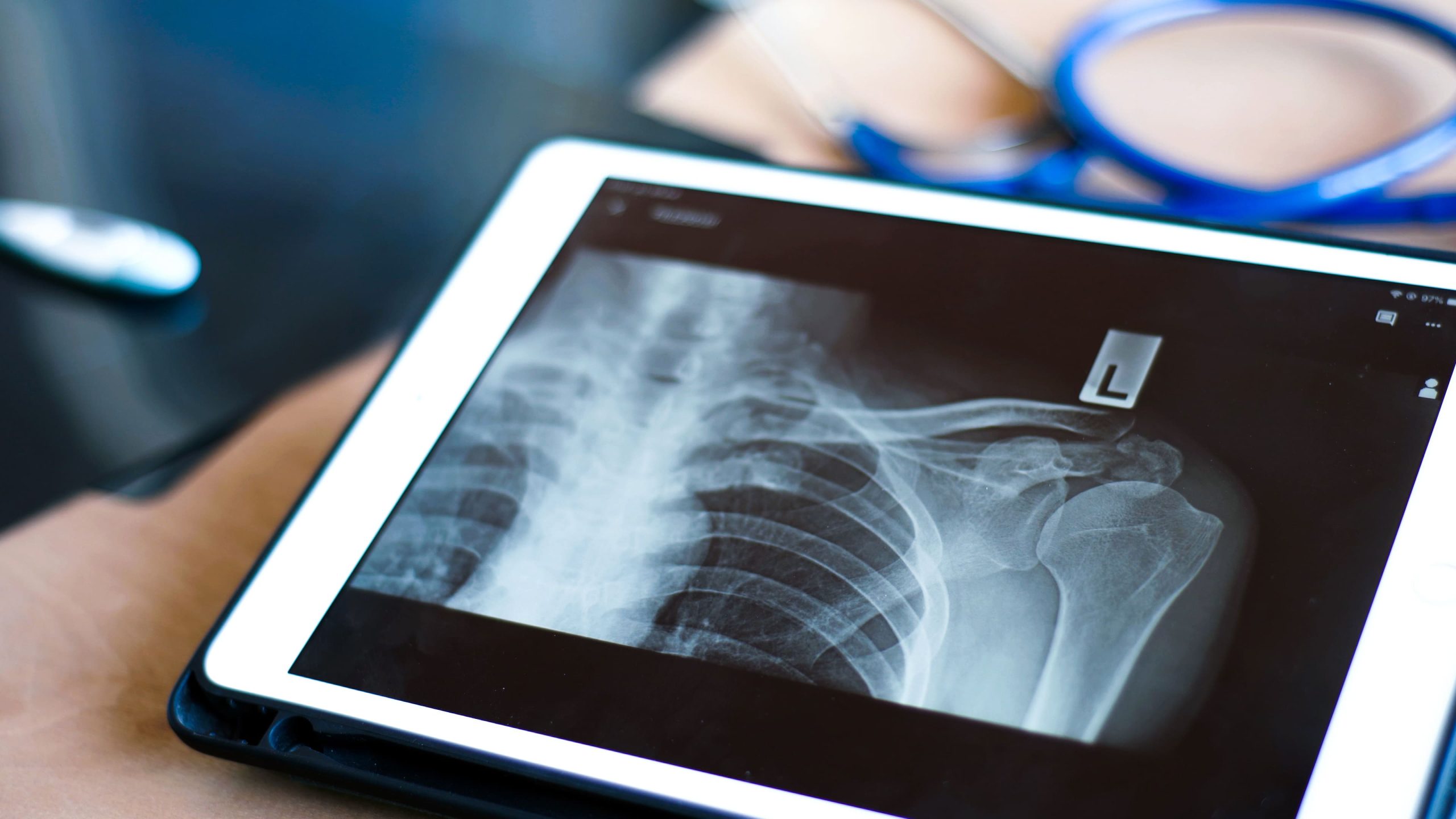
- Extent of Bone Loss: Pre-operative CT scans are vital for assessing bone deficiency, as significant erosion often requires bone augmentation rather than simple soft-tissue repair.
- Patient Age: Younger patients generally face a higher biological risk of recurrence, and surgical timing and technique selection are important considerations for this group.
- Joint Hyperlaxity: Natural ligamentous looseness requires a more tailored approach — beginning with specialised rehabilitation targeting rotator cuff coordination and proprioception. When surgery becomes necessary after failed conservative management, the goal is careful, anatomic reduction of capsular redundancy (not aggressive over-tightening, which risks motion loss), often through open capsulorrhaphy when arthroscopic approaches have failed.
- Procedure Selection: Choosing the correct surgical technique based on individual anatomy, bone loss, and activity level is a critical determinant of success — but it works in concert with rehabilitation compliance, patient age, sport type, and psychological readiness, all of which independently influence long-term outcomes.
When to Seek Professional Help
- Shoulder that feels loose or unstable during activities
- Episodes of the shoulder “slipping” without full dislocation (called subluxation)
- Inability to return to desired sports or activities due to shoulder apprehension (fear of the shoulder dislocating)
- Pain along the front of the shoulder after a dislocation
- Weakness or difficulty with overhead movements
- Numbness or tingling in the arm after a shoulder injury
- Multiple dislocations requiring emergency room visits for reduction
Commonly Asked Questions
How do I know if my shoulder instability requires surgery?
Any traumatic shoulder dislocation — and certainly recurrent episodes — warrants orthopaedic evaluation. Each dislocation can cause additional glenoid bone loss, and early assessment preserves the full range of surgical options before critical thresholds are crossed.
What is the difference between arthroscopic and open shoulder stabilisation?
Arthroscopic surgery uses small incisions and a camera (a minimally invasive approach). Open surgery requires a larger incision. Both can effectively repair the labrum and tighten the capsule. The choice depends on the surgeon’s preference, the extent of damage, and patient factors. Bone block procedures typically require open or mini-open approaches.
How long before I can return to contact sports after stabilisation surgery?
Many surgeons recommend 6-9 months before returning to contact sports. This timeline allows complete tissue healing and adequate strength restoration. Returning earlier significantly increases the risk of failure, potentially requiring revision surgery.
Can physical therapy alone fix recurrent shoulder instability?
Physical therapy strengthens the dynamic stabilisers (the muscles that help hold the shoulder in place). It cannot repair torn ligaments or labrum. For patients with multiple dislocations, therapy alone may not provide sufficient stability for return to demanding activities. It remains an important part of post-surgical rehabilitation.
What happens if stabilisation surgery fails?
Revision surgery (a second operation to address ongoing instability) can address persistent instability. The approach depends on the failure cause. Inadequate initial repair may respond to repeat arthroscopic surgery, while bone loss often requires augmentation procedures. Response to revision surgery varies among patients based on individual factors.
Next Steps
Each dislocation causes cumulative bone and soft tissue damage that narrows surgical options over time. Two or more dislocations—or a single dislocation in a young, high-demand athlete—warrants orthopaedic evaluation. Early assessment preserves the full range of surgical options.
If you are experiencing recurrent shoulder dislocations, episodes of the shoulder slipping or giving way, or apprehension with overhead arm movements, consult with an orthopaedic surgeon to assess the extent of labral and bone damage and determine whether surgical stabilisation is indicated.