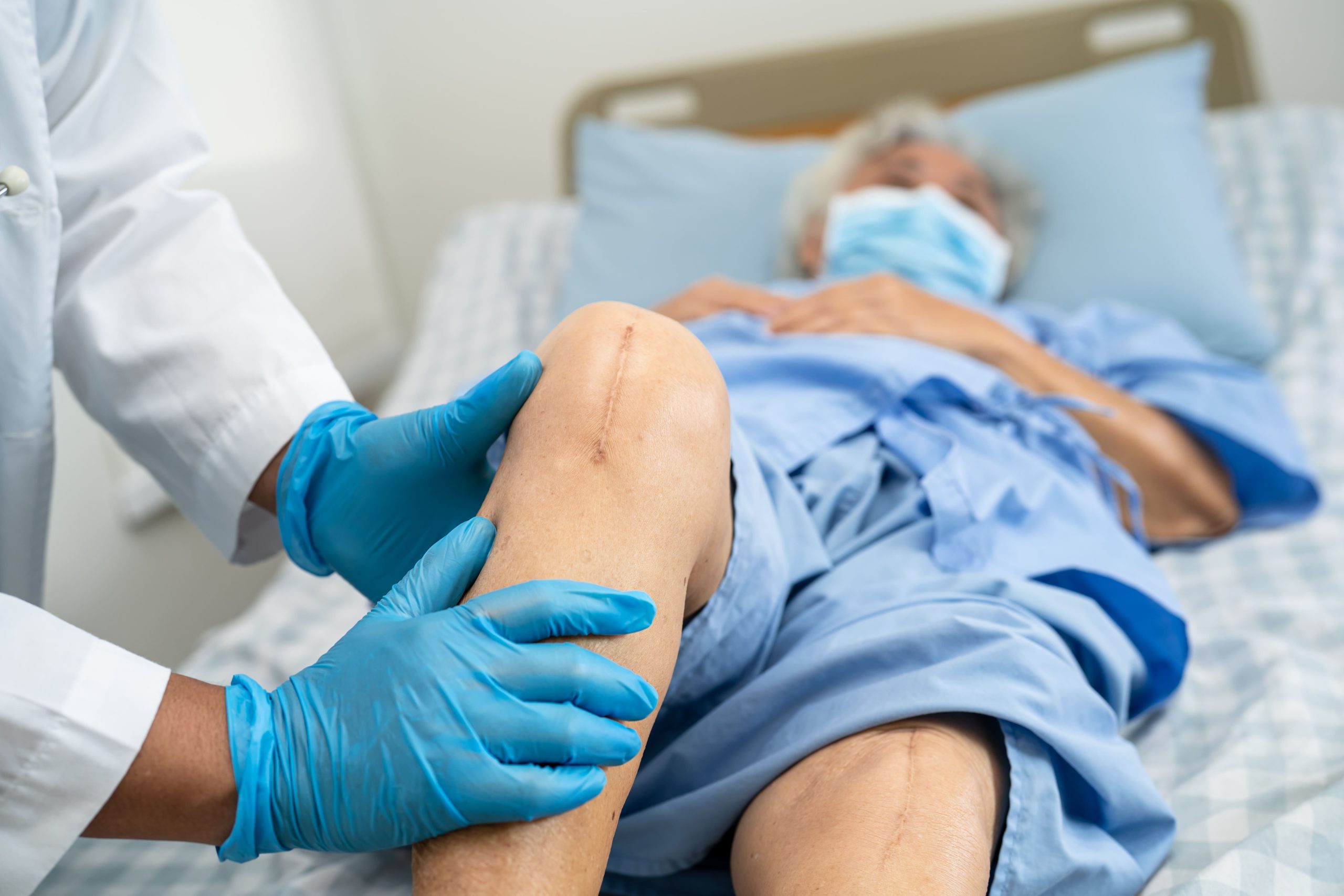

Knee replacement surgery involves replacing damaged or diseased parts of the knee joint with artificial components (prostheses) to alleviate pain and improve mobility. Depending on the extent of the damage, either part of the joint (partial knee replacement) or the entire joint (total knee replacement) may be replaced.
Recovery requires adherence to a structured plan, including physiotherapy, pain management, and gradual reintroduction to daily activities. Here are six mistakes to be mindful of after knee replacement surgery and how to address them.
1. Skipping Physiotherapy
Physiotherapy restores joint strength, flexibility, and mobility following knee replacement surgery. Skipping physiotherapy sessions or not performing prescribed exercises can result in joint stiffness, reduced range of motion, and weakened muscles, delaying recovery.
Some patients may feel discouraged by the initial discomfort during therapy, but it is necessary to persist and follow the programme. Physiotherapists provide tailored exercises to suit your stage of recovery, so attending these sessions and practising at home can help avoid long-term limitations.
2. Neglecting Pain Management
Proper pain management is necessary for maintaining comfort and participating in rehabilitation. Some patients avoid taking prescribed pain medications, fearing dependence or side effects, while others rely excessively on over-the-counter painkillers without consulting their doctor.
Poorly managed pain can make it difficult to perform physiotherapy exercises, delaying progress. Follow your doctor’s prescribed pain management plan, which often includes a combination of medications, rest, and icing to reduce inflammation. Effective pain control not only improves comfort but also facilitates active participation in your recovery.
3. Overexerting Yourself Too Soon
While staying active after surgery is necessary, overexertion can be counterproductive and even harmful. Many patients make the mistake of returning to strenuous activities such as running, excessive stair climbing, or lifting heavy objects before their knee has fully healed. This can cause increased swelling, pain, or even damage to the surgical implant.
Recovery should be approached gradually; light activities, such as walking short distances or performing gentle stretches, should be increased progressively under the guidance of your surgeon or physiotherapist. Ignoring your body’s warning signs, such as persistent pain or fatigue, can lead to complications.
4. Improper Wound Care
The surgical wound requires careful attention to avoid infections, which can significantly complicate recovery. Many patients neglect wound care by failing to keep the area clean and dry or by removing dressings prematurely. Additionally, overlooking signs of infection, such as redness, swelling, warmth, or unusual discharge, can delay prompt treatment.
Always follow your surgeon’s wound care instructions, including how often to change dressings and when it is safe to bathe. If you notice any concerning symptoms, contact your healthcare provider immediately to prevent more severe complications.
5. Disregarding Dietary Recommendations
A well-balanced diet is required for tissue healing and overall recovery, yet it is often overlooked. Some patients may consume excessive processed or sugary foods, which can increase inflammation, while others may not eat enough, leading to nutrient deficiencies.
Protein is especially important for tissue repair, and vitamins and minerals such as vitamin C, zinc, and calcium support healing and bone health. Hydration is also needed to maintain energy and circulation. Focus on nutrient-dense meals to optimise your recovery.
6. Failing to Use Assistive Devices Correctly
Assistive devices, such as walkers, crutches, or canes, are provided to ensure safety and support during early recovery. However, some patients abandon these aids too soon, risking falls or placing undue stress on the surgical knee. Others may use the devices incorrectly, which can lead to poor posture or imbalance.
Follow your doctor’s recommendations regarding the use of assistive devices and ensure you learn how to use them properly. Transitioning to unassisted mobility should be done only if advised by your doctor.
Conclusion
A smooth recovery after knee replacement surgery depends on following post-operative guidelines and avoiding key mistakes that can hinder progress. Skipping physiotherapy, neglecting pain management, overexerting too soon, improper wound care, poor dietary habits, and misusing assistive devices are common pitfalls that can be easily avoided with the right approach. Staying consistent with your recovery plan is necessary for achieving the best results and restoring mobility.
Schedule a consultation today for personalised advice and support during your recovery journey.