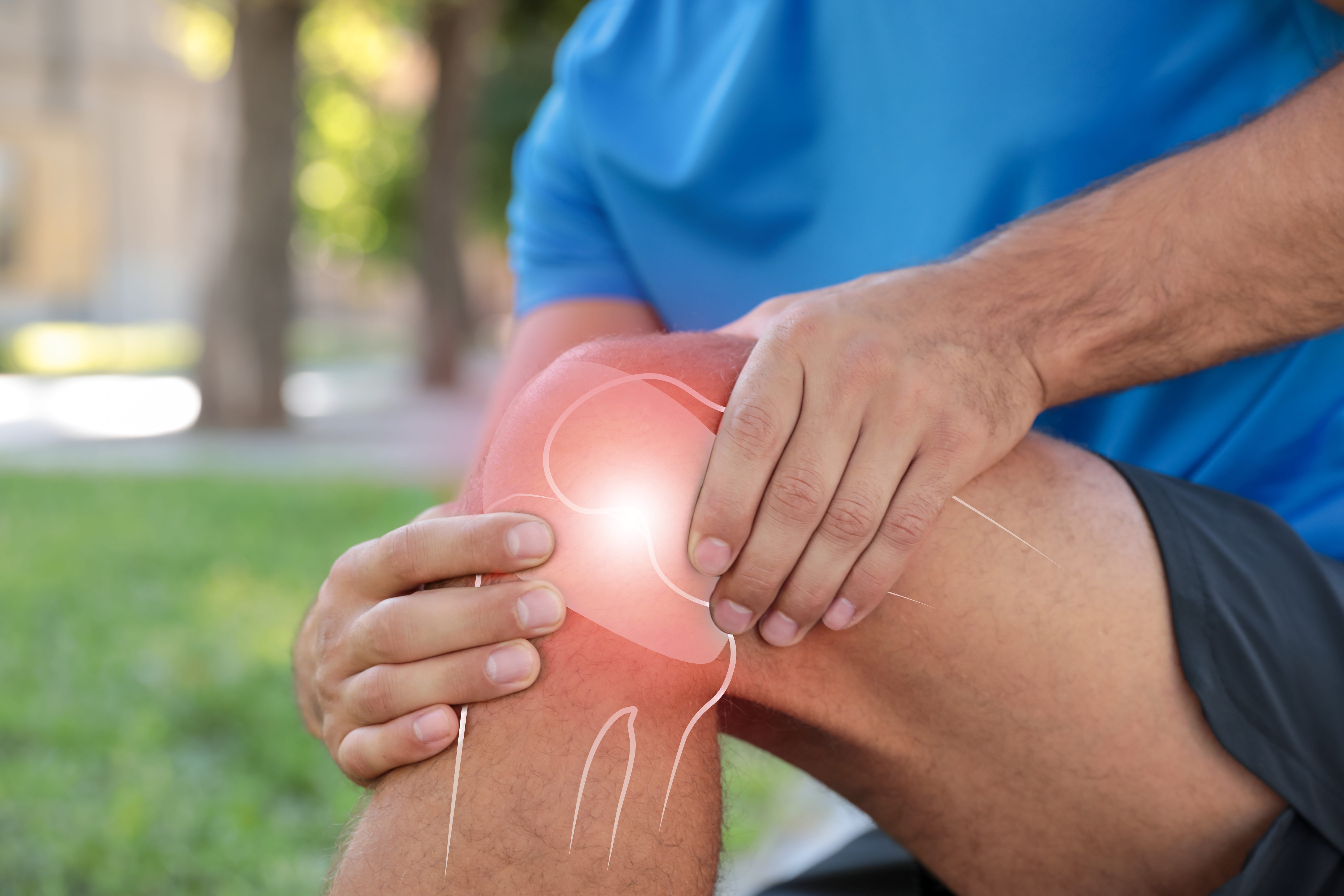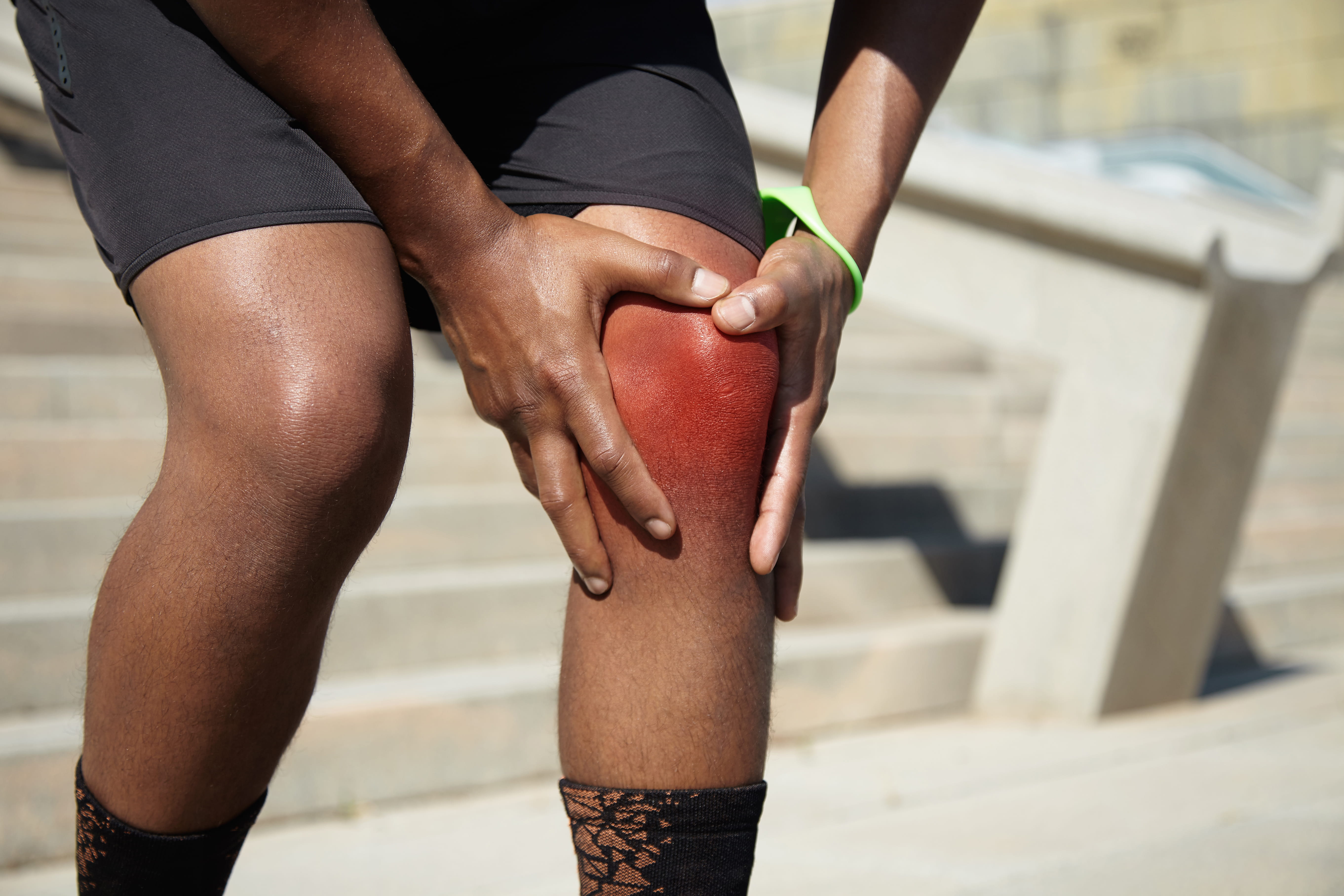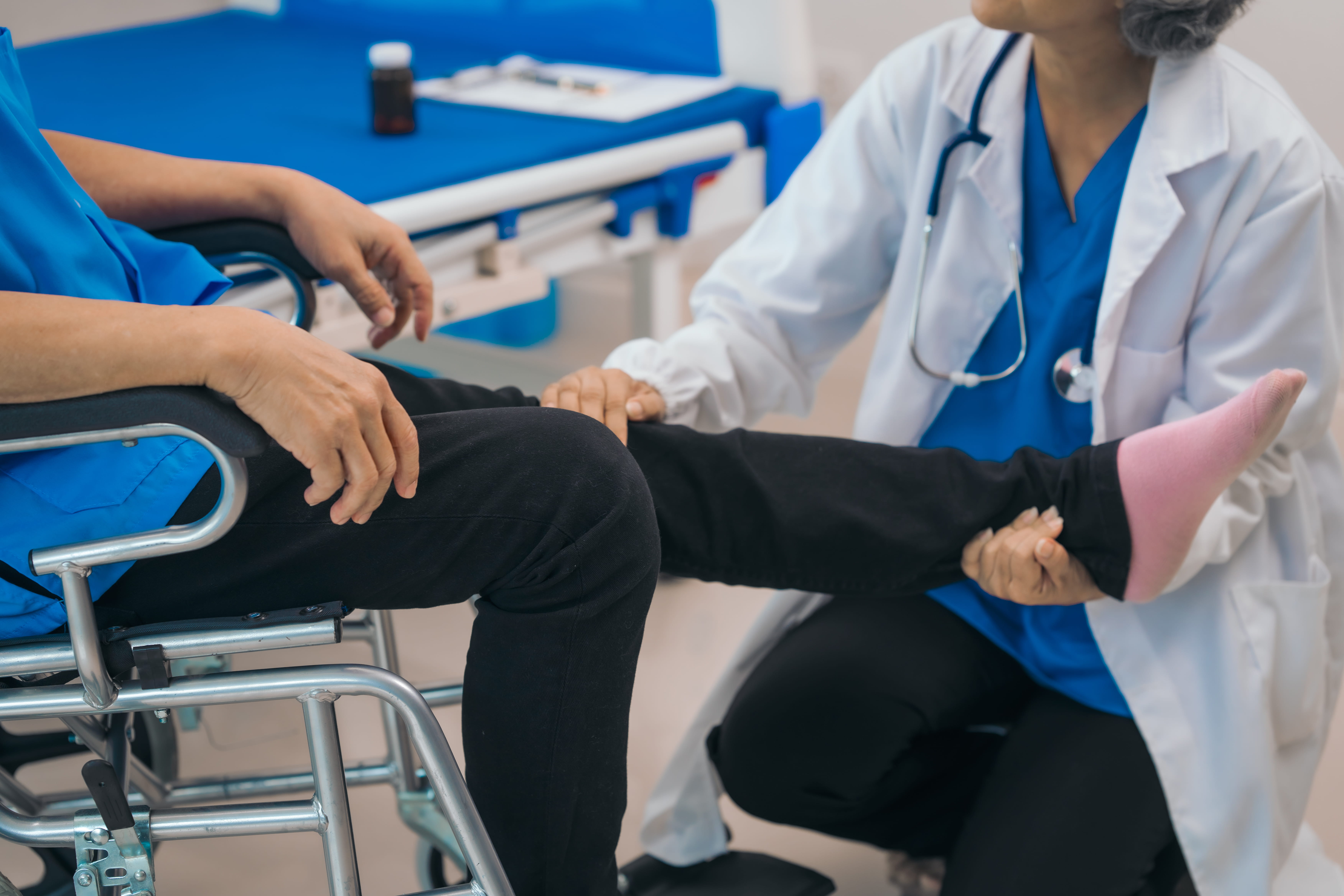

A meniscus tear is a knee injury that affects people of all ages and activity levels. The meniscus is a C-shaped piece of soft tissue in the knee that acts as a cushion between the thigh bone (femur) and the shinbone (tibia). Each knee has two menisci, one on the inside (medial) and one on the outside (lateral). These shock absorbers/cushions of the knee help keep the joint stable and absorb forces during movement. Meniscus tears can result from sudden twists or turns, especially during sports or physical activities, but they can also occur due to degenerative changes in older adults with overuse.
Understanding the symptoms, causes, types, and treatment options for meniscus tears is important for managing this condition effectively. This article aims to provide a detailed overview of the symptoms, causes, risk factors, types, treatments, and preventive measures of meniscus tears.
Symptoms of Meniscus Tear
A meniscus tear may result in a variety of knee problems. Early detection of these symptoms may aid in receiving the appropriate care. The following are typical symptoms:
Swelling
Swelling typically occurs within the first 24 hours following the injury. The knee may become visibly puffy and feel tight. This is due to inflammation and fluid accumulation in the knee joint.
Knee Pain
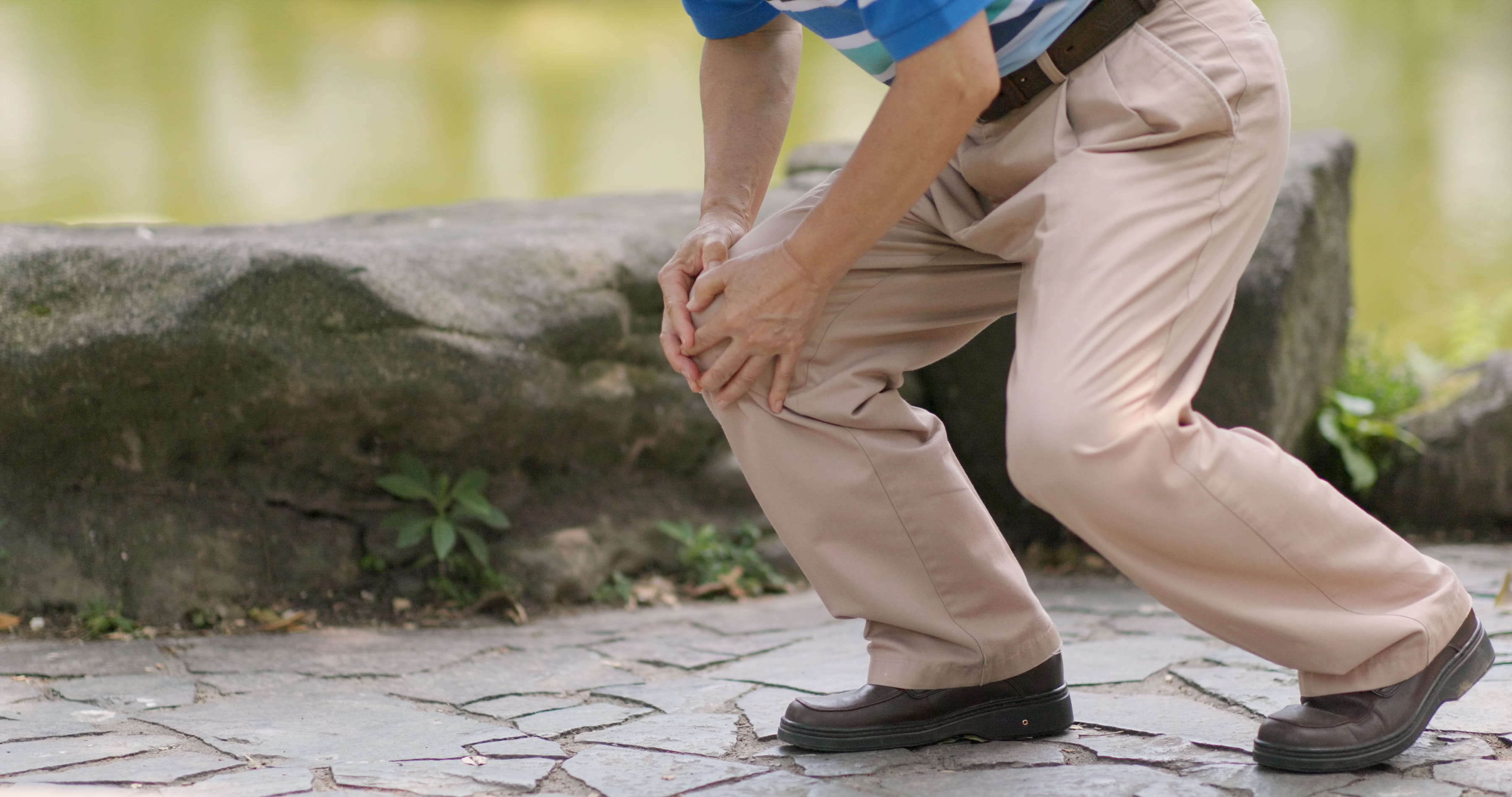
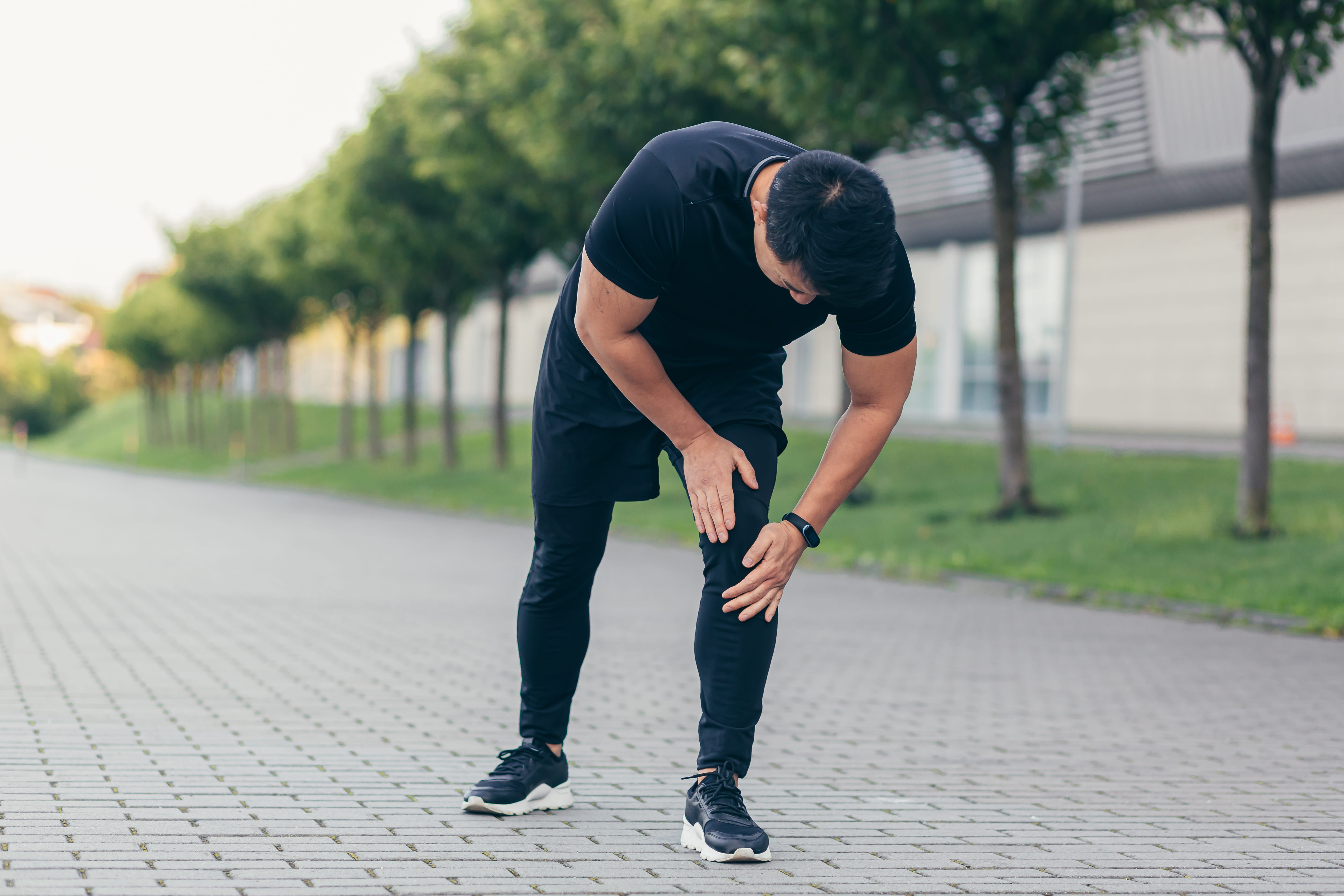
Knee pain is often felt on the inside or outside of the knee. It can be sharp and severe, especially when twisting or rotating the knee. Activities like crouching or kneeling could worsen the discomfort. Sometimes, the pain is dull and lasts for a long period.
Limited Movement
A meniscus tear can restrict your ability to straighten or bend your knee fully. This limited range of motion can result from swelling, pain, and mechanical obstruction caused by the torn meniscus. You may find everyday activities more challenging, such as walking or climbing stairs.
Clicking or Popping Sensation
A clicking or popping sensation in the knee happens when a torn piece of cartilage moves around within the knee joint. You may hear or feel this sensation when you move your knee, especially while bending or twisting.
Knee Locking
Knee locking is a feeling in which the knee seems trapped in one position and unable to move freely. This happens when a piece of the torn meniscus hinders the knee’s natural motion. You may need to physically adjust your knee to “unlock” it and regain mobility.
Causes and Risk Factors
Meniscus tears can result from various causes and are influenced by several risk factors, such as:
Causes of Meniscus Tear
Meniscus tears can be caused by several factors, including:
- Sports or Activity Injuries: Meniscus tears often result from acute injuries, particularly during sports or activities that involve twisting, turning, or sudden stops. A common situation involves bending the knee while the foot is planted, which occurs in sports such as football, basketball, and soccer. Direct impact or damage to the knee and exercises that require deep squatting or heavy lifting also place substantial strain on the knee, increasing the risk of a tear.
- Genetic Predisposition: Some people may have a genetic predisposition to weaker cartilage. Their cartilage may be naturally more fragile, making it more prone to tears. Genetic factors can influence the strength and resilience of the meniscal tissue, leading to a higher risk of injury even with normal activities.
- Poor Knee Alignment: Abnormal knee alignment, such as bow legs (varus alignment) or knock knees (valgus alignment), can place uneven stress on the meniscus. This misalignment affects the weight distribution and pressure over the knee joint, increasing the risk of tearing. When the knee is not aligned properly, certain areas of the meniscus absorb more stress, making them more vulnerable to damage.
- Previous Knee Surgeries: People who have undergone previous knee surgeries, such as anterior cruciate ligament (ACL) reconstruction or other procedures, may be at higher risk for meniscus tears. Past surgeries can alter the knee’s biomechanics, making it more prone to future meniscus tears. This can lead to increased wear and tear on the meniscus over time.
Risk Factors for Meniscus Tear
Certain factors can increase the likelihood of sustaining a meniscus tear. These risk factors include:
- Ageing: The risk of meniscus tears increases with age due to degenerative changes in the knee joint. Older adults are more likely to experience tears from everyday activities that involve twisting or turning movements.
- Occupational Factors: Certain occupations that require repetitive knee movements, heavy lifting, or prolonged periods of squatting or kneeling can increase the risk of a meniscus tear. Construction workers, carpenters, and gardeners are examples of professions with higher risk.
- Inadequate Footwear: Wearing improper or worn-out footwear during physical activities can increase the risk of a meniscus tear. Shoes that do not provide good support and cushioning can lead to knee injuries.
- Obesity: Being overweight places additional stress on the knee joint, which can contribute to both acute and degenerative meniscus tears. The extra weight increases the load on the knee during activities, raising the risk of injury.
Types of Meniscus Tears
Meniscus tears vary in type and severity. Here are the common types:
- Longitudinal Tears: A longitudinal tear runs along the length of the meniscus. This type of tear often occurs in younger, active people and can sometimes be repaired surgically. Longitudinal tears, or vertical tears, can progress to ‘bucket handle’ tears if they worsen.
- Radial Tears: Radial tears start at the inner edge of the meniscus and extend outward. These tears are common and can make the knee joint unstable. Radial tears do not heal properly and usually require surgical treatment.
- Horizontal Tears: Horizontal tears split the meniscus into upper and lower sections. These tears are more common in elderly people with degenerative knee problems. They can make the knees unstable, leading to symptoms such as locking and catching sensation.
- Complex Tears: Complex tears are a combination of two or more types of meniscus tears. These tears often involve multiple planes of the meniscus and can be more difficult to cure. They are commonly seen in older adults with extensive degenerative knee changes.
- Bucket Handle Tears: Bucket handle tears are a severe type of longitudinal tear. In this case, a piece of the meniscus gets displaced and forms a handle-like shape, which can cause the knee to lock or become stuck. Surgery is usually needed to fix this type of tear.
- Flap Tears: Flap tears occur when a piece of the meniscus becomes loose and forms a flap. This flap can get caught in the knee joint, causing pain and making it hard to move the knee. Flap tears are typically treated with arthroscopic surgery to remove or fix the loose piece.
- Degenerative Tears: Degenerative tears happen over time due to wear and tear, especially in older adults. These tears are often associated with arthritis and may not need surgery. Treatments like physical therapy and pain management are usually recommended for these tears.
Treatment Options for Meniscus Tear
Treating a meniscus tear depends on the type and severity of the tear and the patient’s age, activity level, and overall health. Here are the common treatment options:
Non-surgical Treatments
Non-surgical treatments aim at reducing symptoms and improving knee function. These treatments include:
- Rest, Ice, Compression, Elevation (RICE): For minor tears, initial treatment often includes rest, ice, compression, and elevation:
- Rest: Avoid activities that cause pain, swelling, or discomfort to prevent further injury and allow healing to begin. Complete rest is usually recommended for the first 24-48 hours. It is required to avoid high-impact activities, such as running, jumping, or heavy lifting, until the orthopaedic surgeon advises otherwise.
- Ice: Applying ice to the knee helps reduce pain and swelling. Use an ice pack or a bag of frozen peas wrapped in a thin towel. Apply ice for 15-20 minutes every 2-3 hours for the first 48-72 hours after the injury. Ice narrows blood vessels, reducing blood flow to the affected area, which helps decrease inflammation and numbs the surrounding tissues to reduce pain.
- Compression: Use an elastic bandage or knee brace to compress the knee. Wrap the bandage but not too tight to avoid cutting off circulation. Compression helps limit the amount of swelling by preventing fluid from accumulating in the injured area and supports the knee, reducing movement and instability.
- Elevation: Elevate the injured knee above the level of your heart whenever possible. Prop your leg up on pillows when sitting or lying down to maintain the elevated position. This helps reduce swelling by allowing fluids to drain away from the injured area.
- Injections: Injections can be used to reduce inflammation and promote healing:
- Corticosteroid Injections: These injections can temporarily reduce pain and inflammation. However, continuous usage may worsen tendons and cartilage.
- Platelet-Rich Plasma (PRP) Injections: PRP injections use a concentration of the patient’s platelets to promote healing of the meniscus. While still being studied, PRP is believed to improve the body’s natural healing processes.
- Medications: Over-the-counter pain relievers like ibuprofen or acetaminophen can help reduce pain and inflammation. The orthopaedic surgeon may prescribe stronger pain medications or anti-inflammatory drugs for more severe pain.
Surgical Treatments
When non-surgical treatments are not sufficient, surgical treatments may be required. These treatments include:
- Arthroscopy: Arthroscopy is a minimally invasive surgical procedure commonly used to diagnose and treat meniscus tears. The orthopaedic surgeon inserts a small camera (arthroscope) into the knee joint through a small incision, allowing them to see inside the knee. They can then repair or remove the torn part of the meniscus. This procedure usually has a quick recovery time.
- Meniscectomy: Meniscectomy involves removing the damaged portion of the meniscus. This procedure is used when the tear is in a part of the meniscus that does not heal well on its own. Recovery typically involves physical therapy to regain knee strength and mobility. Recovery time is usually shorter than for meniscus repair, often taking a few weeks to a few months.
- Meniscus Repair: If the tear is in a part of the meniscus with a good blood supply, the orthopaedic surgeon may choose to repair the meniscus. This involves stitching the torn pieces back together. Meniscus repair allows the meniscus to heal naturally, but it requires a longer recovery period and a slower return to activities compared to a meniscectomy.
Prevention Strategies
Preventing meniscus tears involves protecting your knees during physical activities and maintaining overall knee health. Here are some effective strategies for preventing meniscus tears:
- Strengthening and Flexibility Exercises: Strengthening the muscles around your knee provides better support and stability while improving flexibility, which helps prevent strains and allows a greater range of motion. Focus on exercises like squats, leg presses, hamstring curls, and calf raises to strengthen your muscles and incorporate flexibility training into your routine, such as quadriceps, hamstring, and calf stretches. These workouts target the quadriceps, hamstrings, and calf muscles, helping to build overall leg strength and flexibility in the front and back of the thigh and the lower leg muscles.
- Use Proper Technique: Using the correct technique in sports and physical activities can prevent excessive pressure on your knees. Learn proper movements and ensure you use the correct form. Avoid sudden twists and turns by rotating or turning more slowly. Also, wear appropriate footwear that provides support and cushioning for your activity.
- Maintain a Healthy Lifestyle: Carrying excess weight puts additional stress on your knee joints, increasing the risk of injury. Eat a balanced diet to maintain a healthy weight and engage in regular physical activity to keep your body weight in check. Choose low-impact activities like swimming or cycling to avoid excessive pressure on your knees. Drink plenty of water to keep your joints lubricated and healthy. Also, quit smoking, as it can impair blood flow and delay healing.
- Avoiding Knee Overuse: Repetitive strain from overuse can weaken your meniscus over time. Take breaks to ensure you have sufficient rest duration between intense physical activities. Vary your workout routine to avoid repetitive stress on the same joints and muscles.
Conclusion
Meniscus tears are knee injuries that can disrupt daily activities. Recognising symptoms early, understanding the causes and risk factors, and being aware of the different types of meniscus tears are important for effective treatment. Treatment options vary depending on the severity and type of tear, ranging from non-surgical treatment like rest, physical therapy, injections and medications to surgical treatments for severe cases. Preventive strategies such as strengthening and flexibility exercises, proper technique, avoiding knee overuse, maintaining a healthy lifestyle, and having regular check-ups are recommended to reduce the risk of meniscus tears.
By understanding the information in this article and seeking timely medical advice, you can manage and prevent meniscus tears, ensuring your knees remain healthy and functional for years. Consult an orthopaedic surgeon for personalised advice and treatment options tailored to your needs.
Dr Wang Lushun specialises in enhanced recovery after knee surgery. He specialises in meniscal repairs with minimally invasive techniques to aid in the full recovery of patients after knee meniscus tears.